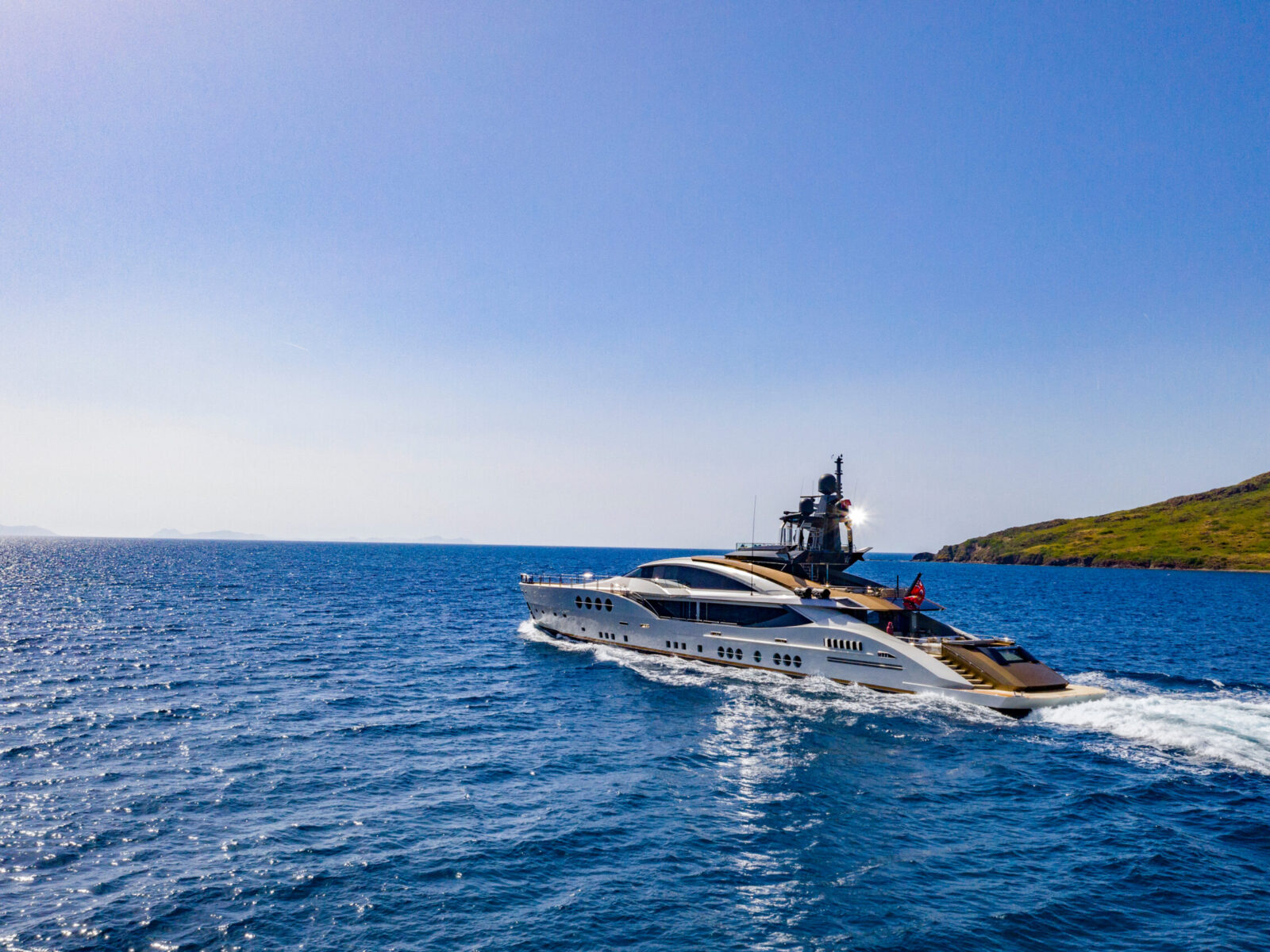
Luxury travel trends 2026 have quietly redefined their meaning. Now we’re fully past the post-COVID-19 shifts and adaptations in travel trends, the idea of luxury travel is evolving into something more personalised, intentional and authentic.
Regardless of the political landscape, luxury travel is not slowing down; rather, it is becoming more selective, thoughtful, and aligned with modern lifestyles. The future of luxury travel is becoming more discerning. What was once an escape is now an extension of everyday life, shaped by personal values, priorities, and a desire for experiences that feel as meaningful as they are memorable.
What’s actually changing in luxury travel
What is emerging in 2026 is not simply a series of trends, but a clear and sustained shift in traveller behaviour. Among high-net-worth travellers, there is a decisive move away from impulsive, high-frequency trips towards more authentic, longer-form travel.
Journeys are becoming fewer but more substantial, with greater financial and emotional investment in each experience. In response, expectations have evolved. Travellers are seeking depth, relevance, and a sense that each trip delivers a genuine return on time.
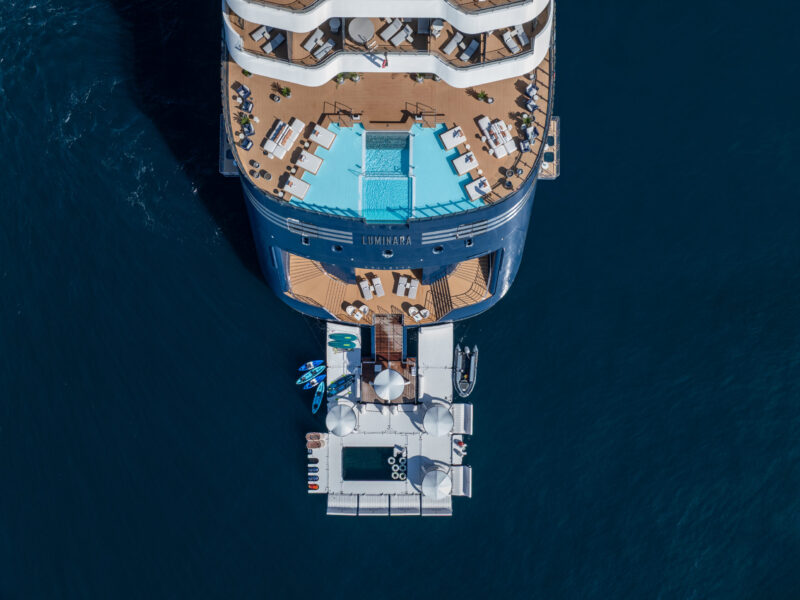
This recalibration is reshaping the approach of luxury travel. Visibility is no longer the primary driver. In its place is a growing preference for discretion, privacy, and substance. Curated itineraries, extended stays, and slower, more immersive formats are gaining traction, particularly within private yacht travel, where the emphasis is on access, time, and meaningful engagement rather than pace.
Industry data reflects this shift with a new era of luxury travel at sea and wellness options on board. According to the Virtuoso Luxe Report 2026, affluent travellers are placing greater emphasis on quality over quantity, favouring highly tailored, experience-led travel over frequency.
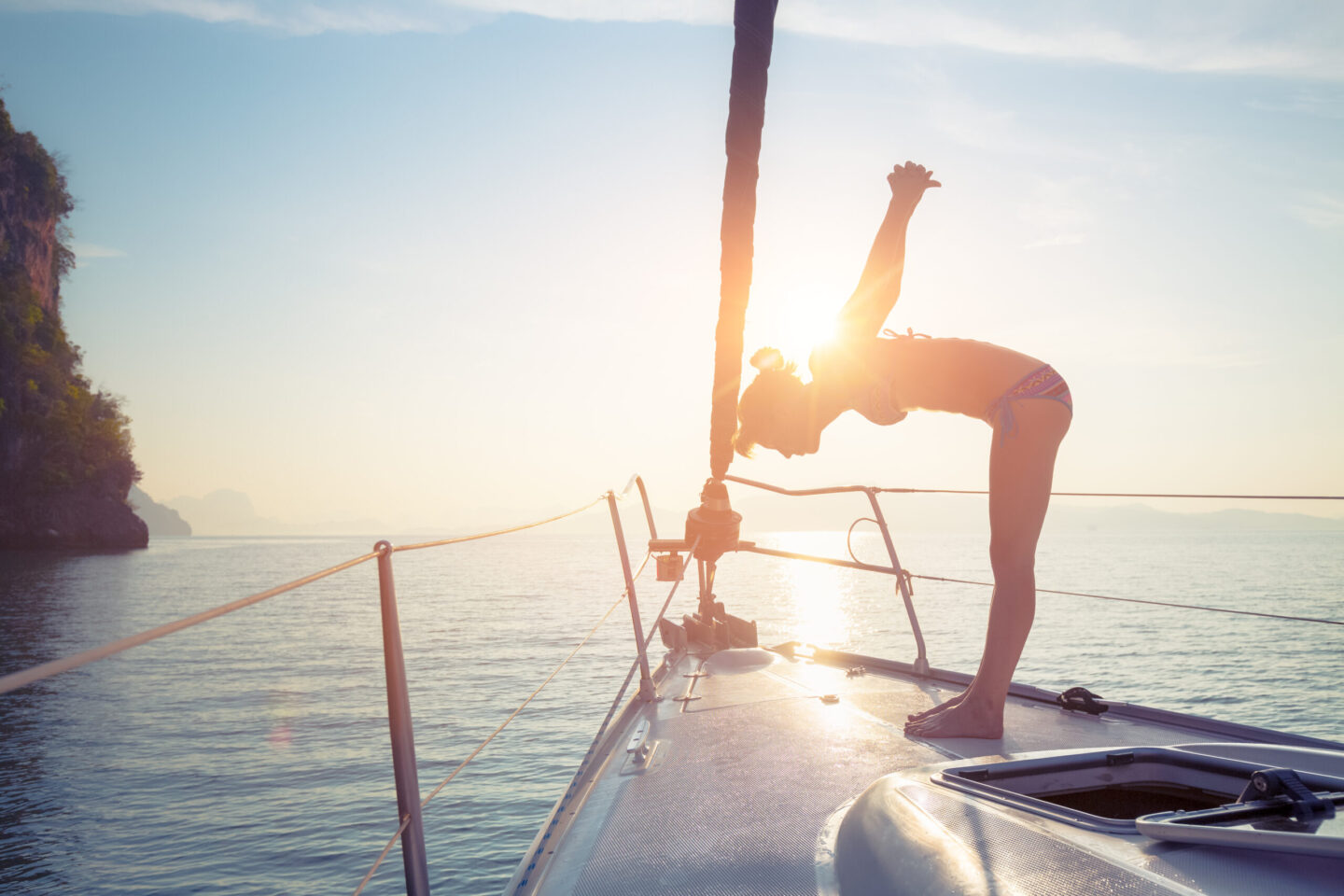
This is reinforced by the WATG Affluent Travel Trends Report, which finds that 38 percent of luxury travellers are willing to pay between 30% and 50% more for sustainably designed experiences and accommodation. The same WATG report shows that 77% of luxury travellers are driven by exploration, while 65% prioritise joy and personal fulfilment.
Travel is becoming less performative and more purposeful, reflecting a broader redefinition of luxury. It is no longer defined by volume or visibility, but by depth, intentionality, and the lasting quality of the experience itself.
Key Luxury Travel Trends in 2026
The new phase of luxury travel trends 2026 brings a new expression of freedom, where today’s travellers are guided less by impulse and more by discernment, and by choosing experiences that feel purposeful, personal, and genuinely worth the investment.
Experience over status
Luxury is gradually detaching itself from traditional markers of ‘status’. What matters more now is what a trip enables, how it feels, and whether it leaves a lasting impression. This is particularly pronounced among younger travellers. As highlighted by Forbes, millennials and Gen Z are placing greater importance on authenticity and personal meaning than on outward signs of wealth.
In the yachting industry, this translates into a quiet but meaningful shift. The appeal is less about the biggest or most recognisable vessel, and more about what the journey allows, whether that is access, privacy, or a more immersive way of experiencing a destination.
Remote and less crowded destinations
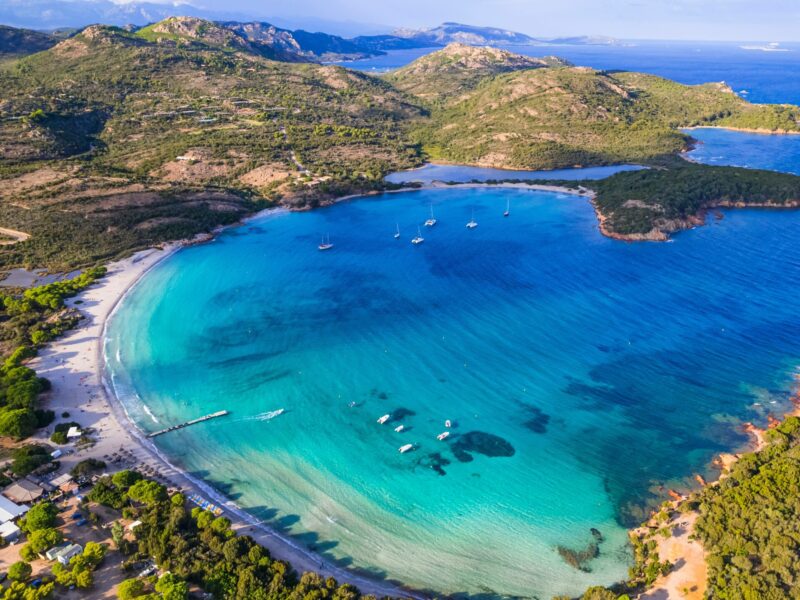
There is a growing interest in more remote regions, from Indonesia’s lesser-explored islands to polar routes and quieter coastlines. Reports from Condé Nast Traveller also point to a clear rise in demand for destinations that feel less exposed and more considered. Yachting aligns naturally with this shift, as it provides access to places that are difficult to reach by conventional travel, where remoteness is not a limitation but rather part of the experience itself.
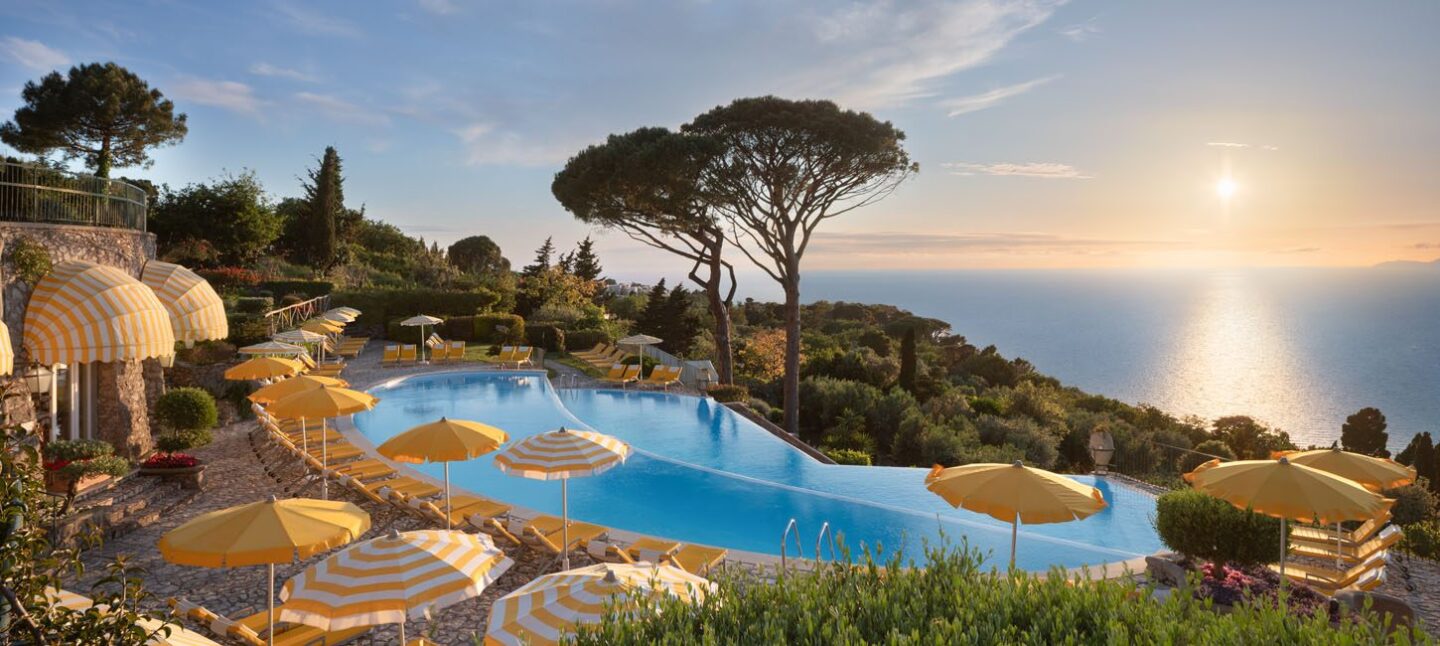
Slower, longer travel
There is a noticeable move away from fast-paced itineraries that prioritise coverage over experience. Travellers are now choosing to stay longer, visit fewer places, and engage more deeply with each destination. The key focus shifted from what can be done to how well time is spent there.
This approach reflects a broader desire for immersion. The same goes for longer yacht charters and more relaxed itineraries, where routes are becoming less about movement and more about presence, where time is not being rushed by just being present.
Deeper personalisation
Personalisation is no longer about surface-level preferences. Travellers are expecting experiences that feel fully tailored, as this aspect requires a more thoughtful and considered approach.
There’s a trend this year where travellers are booking luxury travel that offers possible sightings of the aurora borealis (northern lights), which occur between autumn and early spring in northern skies.
A more intentional kind of luxury
Luxury is becoming more about clarity of intention. Travellers are planning further ahead, researching more carefully, and choosing experiences that align with their personal interests rather than default expectations.
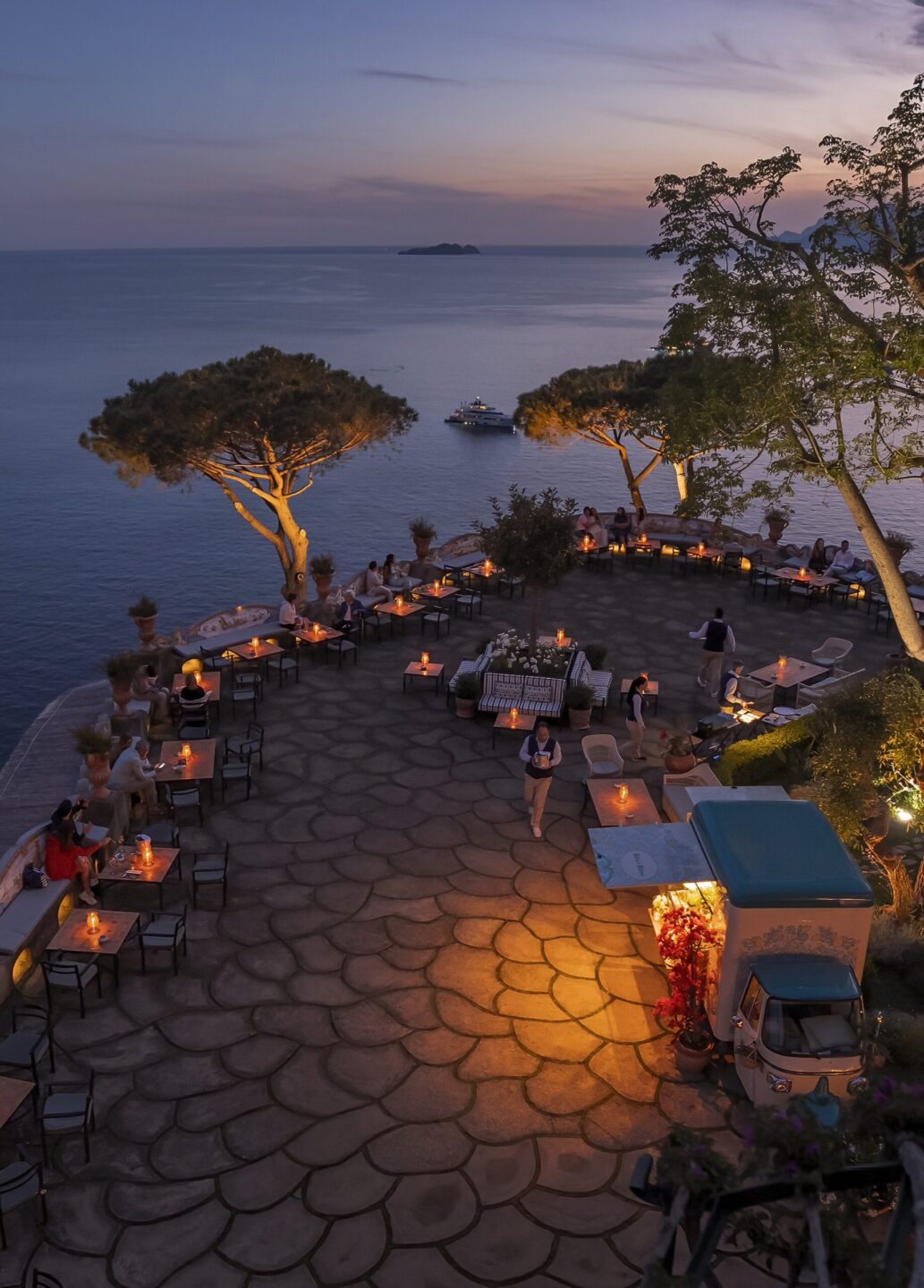
This is reflected in the growing tendency to take fewer trips but invest more in each one. As highlighted in the Virtuoso Luxe Report 2026, HNWI travellers are placing greater emphasis on quality and curation than on frequency. In yachting, this translates to charters being planned with greater care, bookings that are less impulsive, and a focus on the overall experience rather than the scale of the yacht itself.
Sustainability with accountability
Sustainability has moved beyond messaging to become a key element of the future of luxury travel. Travellers are more informed, more questioning, and less willing to accept broad or unverified claims. Many destinations have shifted towards showcasing what sustainability looks like in practice.
As explored in Forbes’ outlook on 2026 travel trends, environmental considerations are increasingly influencing decision-making, particularly among affluent travellers.
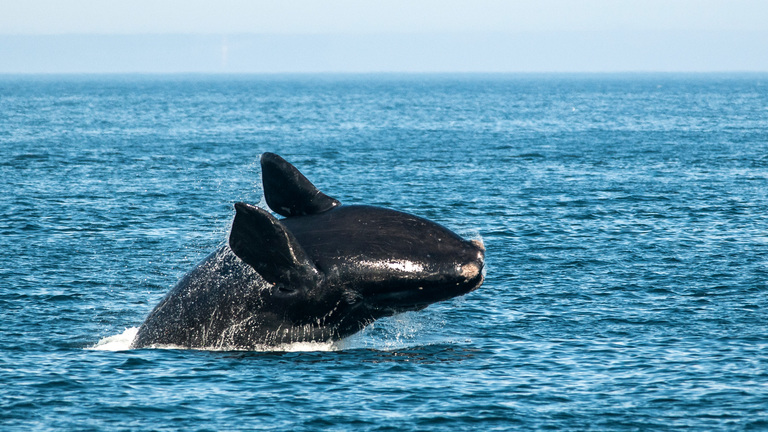
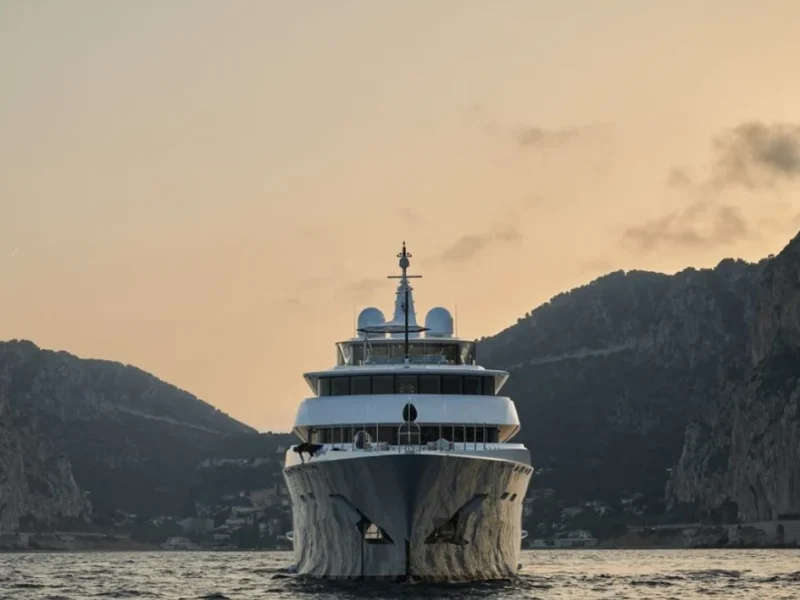
Yacht charters are already positioning themselves at the intersection of sustainability and ultra-luxury, with innovations such as hybrid propulsion systems, reduced single-use plastics, and curated itineraries that support marine conservation and local communities. A great example is Heesen’s 49.8-metre Orion, which combines a Fast Displacement Hull Form with a hybrid propulsion system, allowing for reduced fuel consumption and quieter, lower-impact cruising. Together, these shifts signal a way of redefining exclusivity: not just by access, but by impact.
Privacy and space
In an increasingly busy world where the world’s most beautiful destinations become viral TikTok trends, privacy has really become one of the defining factors in luxury travel. The ability to avoid crowds, control one’s environment, and move at a personal pace is now seen as a priority.
More and more people are seeking environments where they can disconnect from external noise and engage more fully with their surroundings. In this regard, yacht travel offers a clear advantage, delivering a private, self-contained setting where the experience can be thoughtfully shaped for its guests, free from the pressures of high-traffic destinations (depending on the vessel you choose).
Wellness as reset
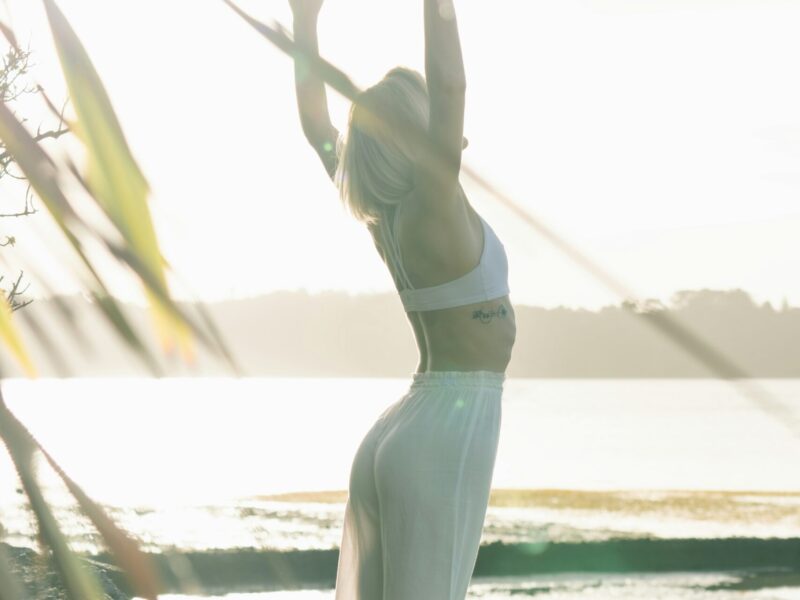
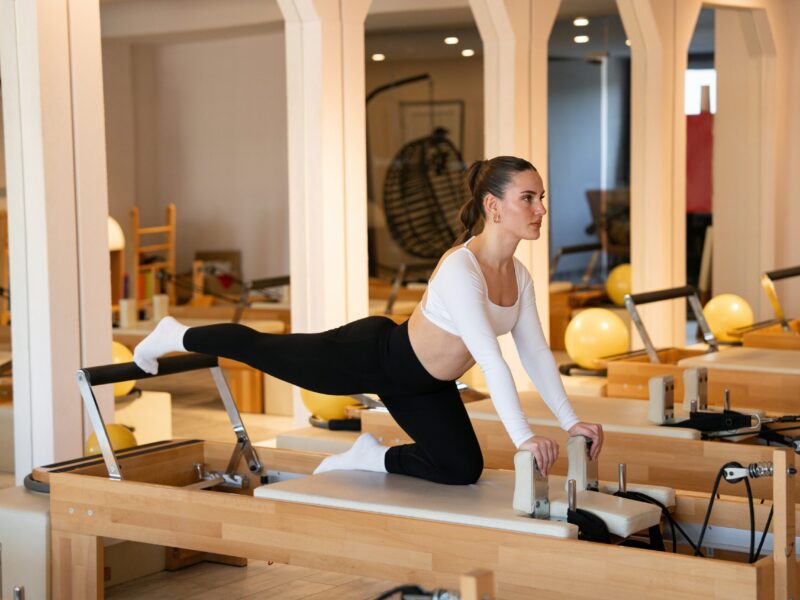
Wellness, in a sense, is evolving into something more expansive and less transactional. It is no longer limited to treatments or short-term relaxation, but instead centres on a broader sense of reset, including mental clarity, physical well-being, and a deeper connection to nature.
Insights from Vogue Business suggest a shift towards more integrated approaches to wellbeing, where the environment itself plays a central role.
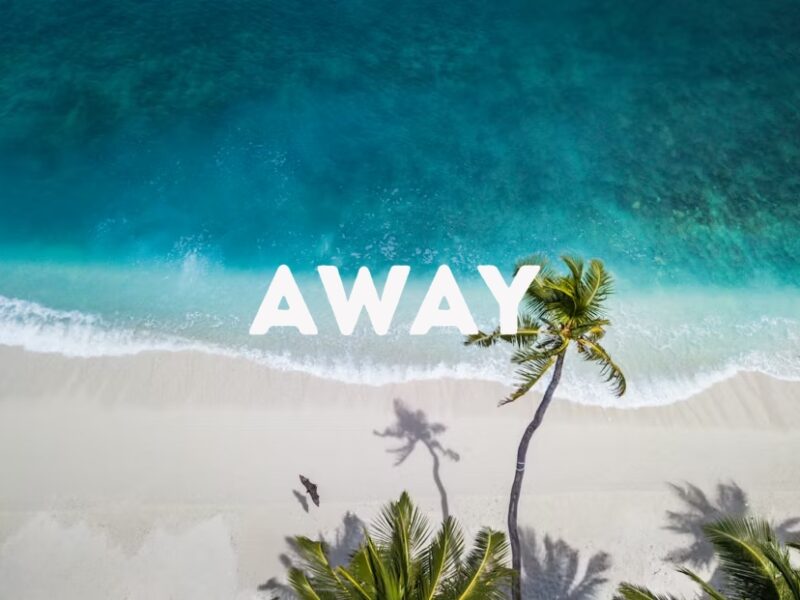
Wellness is defined in very different ways by different people. Whether it’s a fitness and nutrition plan or a yoga retreat and detox week, the ability to define your experience is what makes wellness yacht charter so attractive. AWAY also highlights that modern wellness yacht charter isn’t just about gyms, spas or nutrition plans. It’s about autonomy.
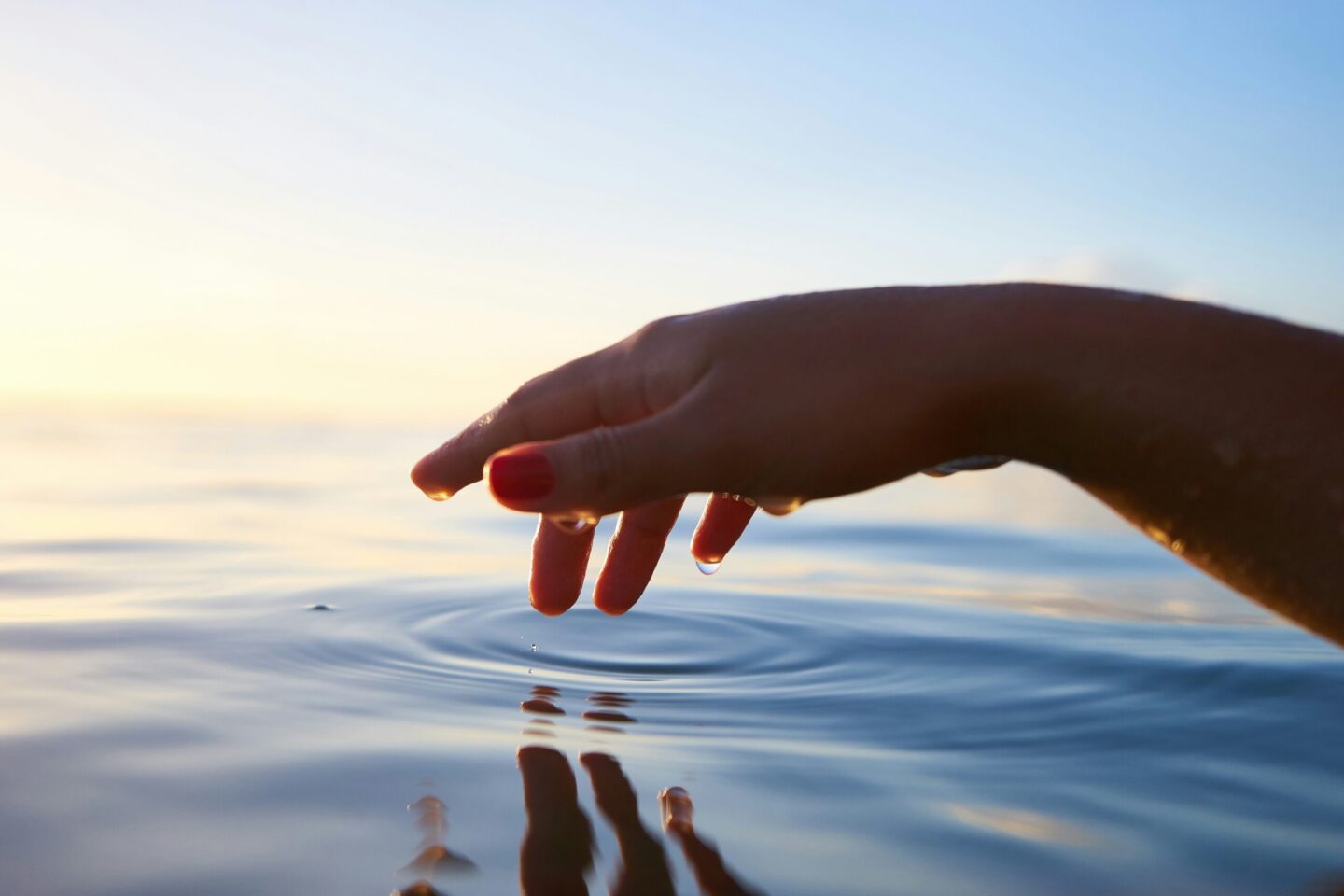
Luxury travel trends 2026: the future of luxury travel
Luxury travel is shedding its old identity as travellers are now moving with more intention. They are choosing space over show, meaning over status, and connection over consumption. The future of luxury travel is being shaped not by excess, but by experiences that leave a lasting imprint.
Yacht travel trends sit at a powerful intersection of this shift. With the freedom to reach remote destinations, move at a slower pace, and design journeys around personal values, yachting offers something few other forms of travel can. But its place in the future will depend on how well it listens (and responds) to what travellers truly want now.
This year, luxury travel is not becoming louder. It is expected to be more thoughtful, more human, and far more meaningful. In this new landscape, travel becomes an extension of personal identity and a means of shaping a sustainable legacy.
TRENDING ARTICLES
FEATURED YACHT