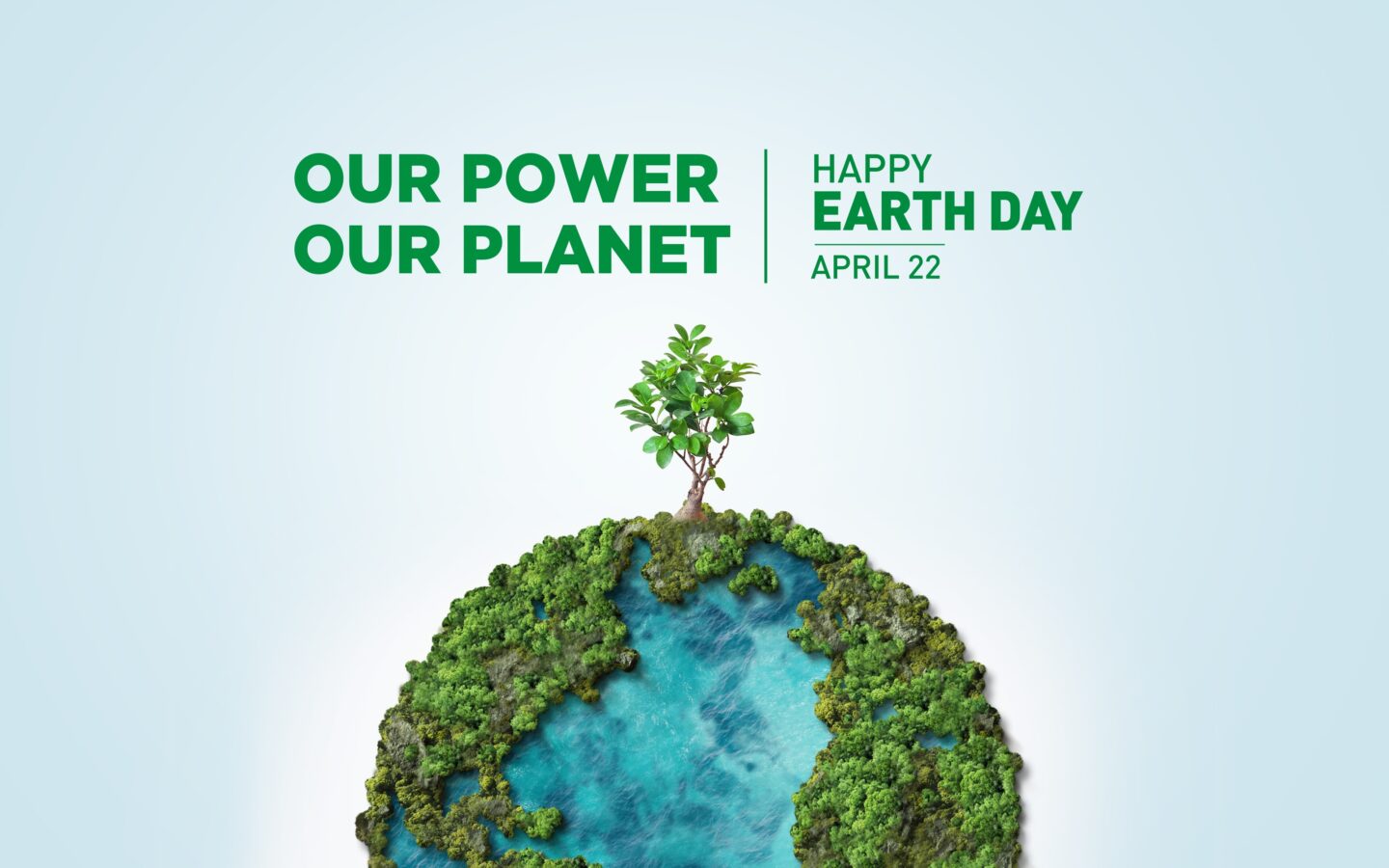
It’s World Earth Day 2026, reminding us that the state of our planet and our oceans is not abstract or distant, but unfolding in real time, shaped by human decisions, habits, and priorities.
The most powerful ocean documentaries and marine conservation films do more than show what is happening beneath the surface. They reveal the scale of what is at stake, but also something equally important: that change is still possible.
This selection of Earth Day documentaries brings both into focus. Stories that are, at times, confronting, but also quietly hopeful in the way they show what can be protected, restored, and reimagined.
Must Watch Earth Day Documentaries
1. Seaspiracy (2021)
“If the ocean dies, so do we.”
While the harm of plastic straws on sea turtles has been at the forefront of our social media pages, an overlooked story was happening behind the scenes, supposedly causing much more damage than our morning coffee run: commercial fishing.
In this revealing and controversial hit documentary, Ali Tabrizi puts the spotlight on the commercial fishing industry and how overfishing, plastics from fishing gears and bycatch are the secret killers of our marine life and ecosystem.
With shocking visuals and audio to match, Seaspiracy quickly topped Netflix charts worldwide, making it one of the must-watch ocean documentaries to date.
2. Blackfish (2013)
“All whales in captivity have a bad life. They’re all emotionally destroyed.”
Blackfish tells the story of Tilikum, a captive orca in SeaWorld whose tricks and splashes brought in crowds until a series of horrifying incidents led to three deaths, spread between the years 1991-2010. This award-winning documentary changed how marine parks function and underscored the importance of animal welfare.
Blackfish is much more than a tale of a wild killer whale on a rampage and tells the story of the harm that captivity does to a social and intelligent mammal removed from his natural habitat. It may be Tilikum’s story, but it’s a narrative many captive animals face, and this heart-rending documentary captures it perfectly.
3. Ocean with David Attenborough (2025)
“I now understand that the most important place on Earth is not on land, but on sea.”
With his calm and inspiring tones familiar to many, David Attenborough, a champion of environmental awareness, lends his voice once more in time for his 99th birthday for the critically acclaimed documentary Ocean with David Attenborough.
Reflecting on his career and nearly a century of environmental change, this marine conservation film delivers a message of hope. Hope, despite decades of strain, for an ocean ready to burst back into life in the future. This offers the perfect shift in view after binge-watching some of the heavier documentaries on the list.
4. Blue Planet II (2017)
“Surely we all have a responsibility to care for our Blue Planet.”
If you felt an eco-conscious shift in 2018, while holding a paper bag instead of the usual plastic your grocery carries, that may be thanks to the release of Blue Planet II. A seven-time award-winning docuseries, created over the course of four years across more than 4,000 dives and in over 39 different countries, Blue Planet II is as gripping and powerful as its stats suggest.
Blue Planet II plunges us into the once-unknown underwater world and the marine life that calls it home, from Irrawaddy dolphins to deep-sea creatures, and striking corals.
5. My Octopus Teacher (2020)
“She taught me that you’re part of this place, not a visitor.”
As you dive alongside bustling marine life, admiring its beauty, what if, amongst the kelp and fish, you noticed an octopus staring back? In this honest and thought-provoking documentary, filmmaker Craig Foster shares the story of how he befriended an octopus that accompanied him on his daily dives and taught him survival skills against predators in South African waters.
My Octopus Teacher shifts the narrative, reminding us that we don’t always have the answers, and that sometimes, the ocean is ready to teach us a thing or two. Its captivating story and stripped-back, earnest visuals made it worthy of its Oscar and BAFTA wins.
6. Chasing Coral (2017)
“…we have this almost alien world on our planet, just teeming with life.”
A race to uncover why the once vibrant corals in hotspots like the Great Barrier Reef and the Maldives are dying and losing their lustre. Chasing Coral follows a team of scientists, photographers, and divers working together to document the great vanishing of corals and ultimately stop coral bleaching
Chasing Coral not only underlines the importance of corals for our ecosystem but also confronts the unrelenting fact of climate change. With signs of coral recovery in recent years, it’s interesting to watch where we once were, and what might have been if we didn’t act.
7. A Plastic Ocean (2016)
“If the plastics are in the food chain of the dolphins, they are also in our food chain.”
A journey to film blue whales quickly turns into a wake-up call when eight million tons of plastic stand between you and these majestic creatures. A story of beauty soon shifts into the harsh realities of ocean pollution.
It’s sobering when a documentary released over a decade ago remains just as relevant today, if not more so. In 2010, it was estimated that eight million tons of plastic entered our oceans. In 2026, that number has rocketed to over 19 million tons.
A Plastic Ocean echoes Seaspiracy’s claims that a good portion of ocean plastic comes from fishing gear, which eventually enters the stomachs of marine animals, and sometimes even ours.
The power of film in conservation
Watching ocean documentaries and conservation films is not about preaching or scolding, nor about presenting neat solutions to complex problems. The most effective ocean documentaries and marine conservation films understand that. It’s not about preaching: it’s about awareness. They don’t overwhelm for the sake of it, nor do they simplify what cannot be simplified.
What they do instead is bring the viewer closer. They translate scale into something human, something felt, and something we can all relate to. The damage becomes tangible, but so does the possibility of repair. Watching these kinds of films, you are left with two parallel truths. That there is still a long way to go in restoring the balance between people and the natural world, and that change, while slow and often difficult, is not out of reach.
That tension is what makes them worth watching. Not just on Earth Day 2026, but any time you need to be reminded of both the reality of where we are and the fact that it does not have to stay that way.
TRENDING ARTICLES

FEATURED YACHT