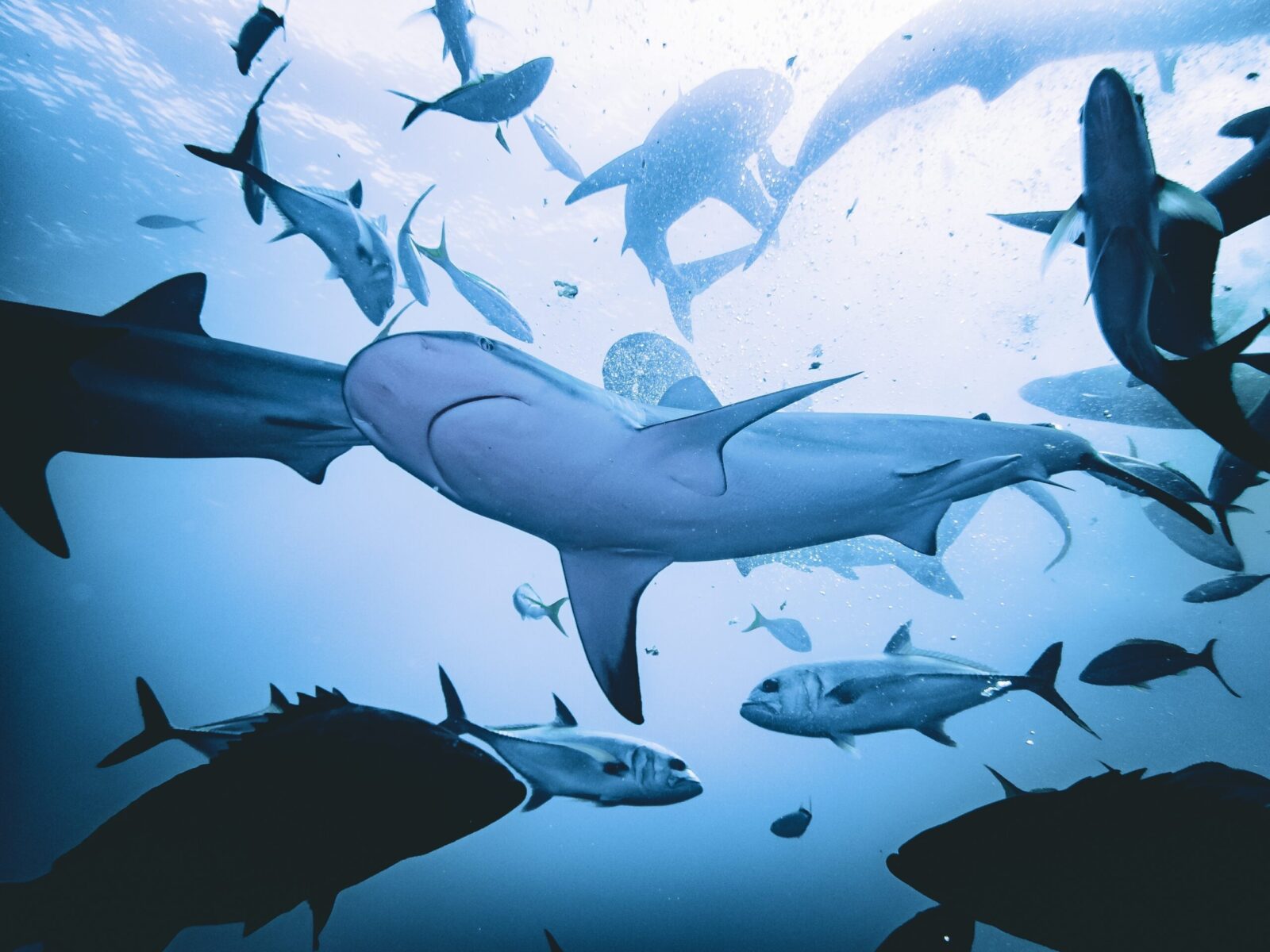
When faced with a heavy dose of unnerving global events on our screens, positive news stories can offer something of a tonic, reminding us that the world isn’t such a terrible place after all. Here we look at 10 good things that have happened involving the ocean this month, and the remarkable people and organisations who are spearheading these initiatives.
10 Positive News Stories
1. Kjell Inge Røkke: building the world’s largest ocean research yacht
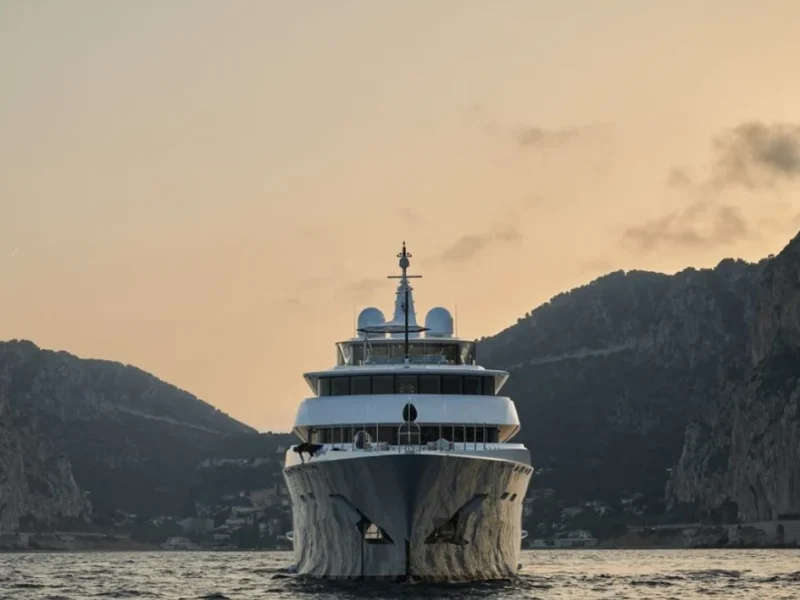
Norwegian investor Kjell Inge Røkke is behind REV Ocean, a 195-metre vessel designed to be the most advanced private ocean research platform ever built. When complete, the yacht will support marine scientists studying everything from plastic pollution to deep-sea ecosystems, with laboratories, submarines and advanced mapping systems on board. Due to be completed in 2026, REV Ocean will operate as both a research vessel and expedition platform aimed at accelerating ocean science.
2. The Swiss-led Pacifique Expedition
A new multi-year project, the Pacifique Expedition (2026–2030), has begun. A circumnavigation through the world’s tropical belt, the project maps mangrove ecosystems across the Pacific with the help of local communities. Mangroves represent one of the planet’s most powerful natural carbon sinks but are facing a crisis, with the IUCN’s 2024 Red List indicating that 50% of them are threatened with collapse due to habitat loss.
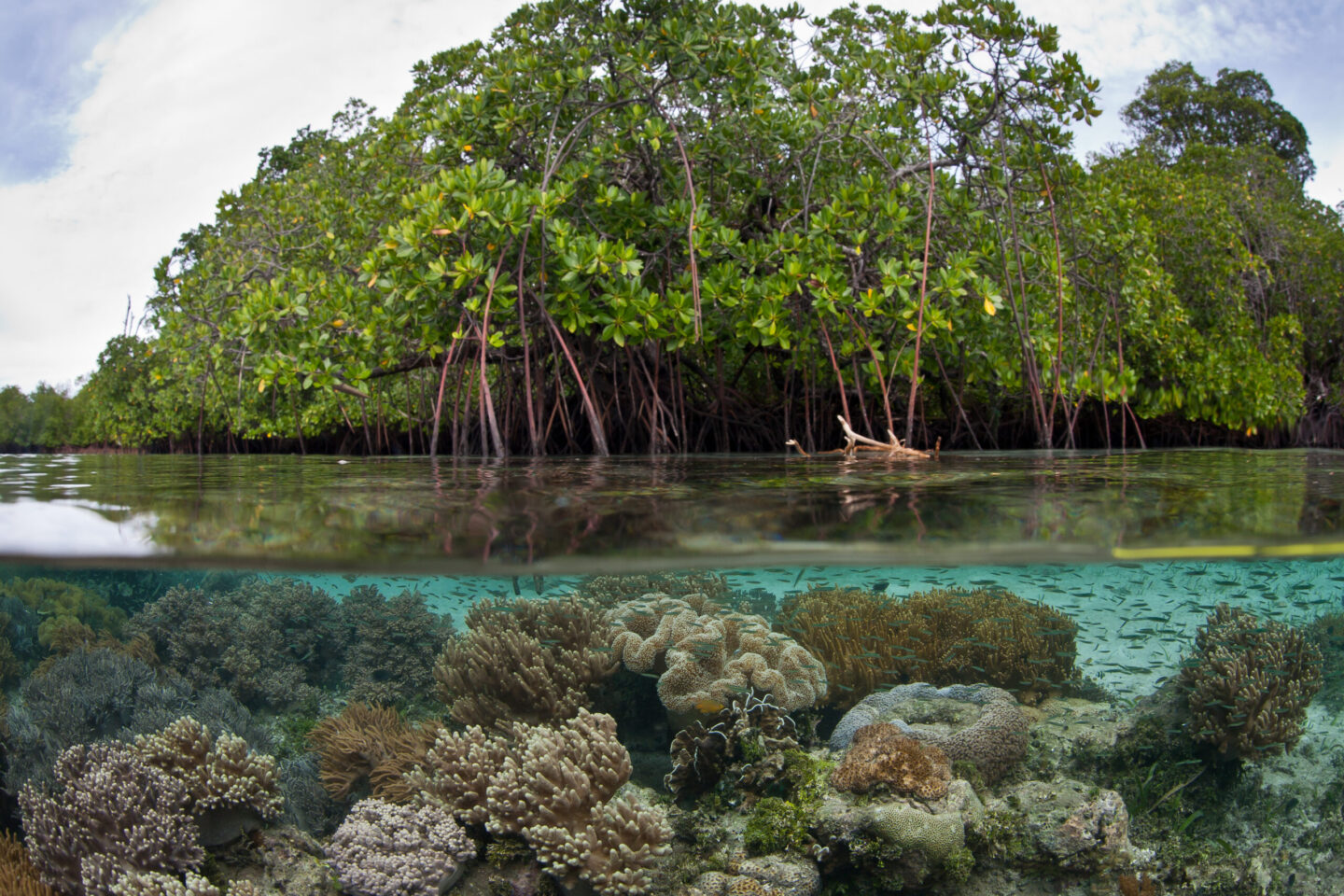
As part of the expedition, scientists are collecting carbon data, mapping biodiversity and creating ocean-source databases to support global ocean conservation policy. In addition, the expedition will harness technology such as the PlanktoScope for automated imaging of plankton and microplastics.
3. The sea-turtle-inspired research robot
Researchers at MIT’s Computer Science and Artificial Intelligence Lab (CSAIL) have recently pioneered a new wave of robotics inspired by nature. This includes an underwater robot modelled on sea turtles, named ‘Crush’.
Designed to swim near coral reefs without causing damage, it is made from soft materials and can track marine animals while collecting environmental data vital for ocean conservation efforts without disturbing fragile ecosystems.
4. Sea Dragon: taking scientists and storytellers to sea
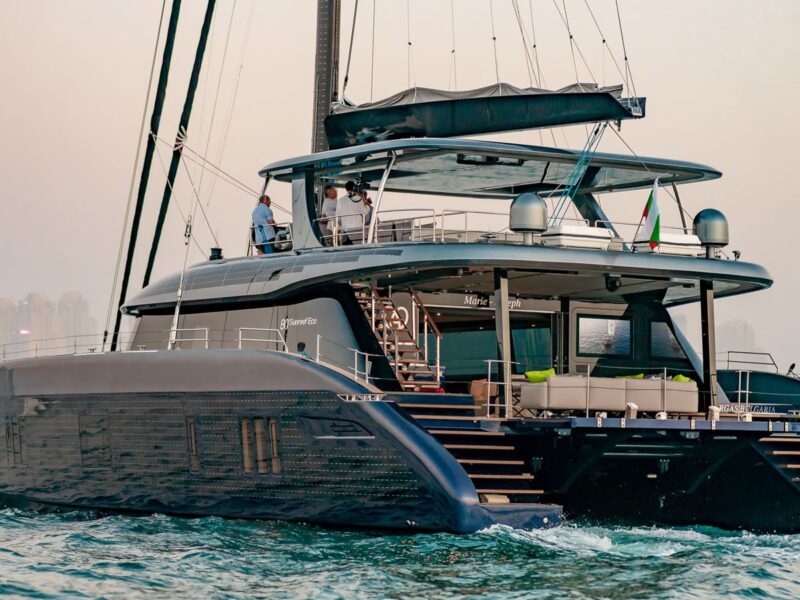
Adventure sailing organisation Panexplore has launched the Sea Dragon Ocean Fellowship, which places scientists and storytellers aboard a 72-foot (21.9-metre) expedition yacht for voyages around the world. Fellows join paying expedition sailors to carry out ocean research, collect environmental data and share stories about the changing seas.
The yacht itself, Sea Dragon, is returning to service following a year-long refit and recently took part in the Atlantic Rally for Cruisers crossing in aid of Project SeaLabs. Created with high-latitude sailing in mind, the all-steel vessel is well equipped to handle long passages and remote coastlines. Its 2026 itinerary includes voyages in the Caribbean, passages between the US and Bermuda and Arctic sailing along Greenland’s coasts.
5. Dr Eric Schmidt’s ocean exploration programme
Through his Schmidt Ocean Institute, tech philanthropist Eric Schmidt funds some of the most ambitious ocean science expeditions in the world. The institute’s research vessel, Falkor (too), will be heading out on new 2026 missions to explore poorly understood regions of the Atlantic, mapping seafloor ecosystems and discovering new marine species.
The institute offers free ship time to scientists, including mapping, ROV operations and marine biology, with the only requirement being that the data collected is shared publicly. On board, Falkor (too) is home to 98 berths, a remotely operated vehicle (SuBastian), various laboratories and a high-tech mission control room.
6. The women leading reef conservation in the Whitsundays
A new generation of female marine scientists is reshaping reef protection in Australia’s Whitsundays. Scientists such as Daydream Island’s Living Reef Manager, Lisa McMullen, are working with tourism operators to gather real-time reef health data while involving visitors in conservation efforts.

McMullen leads a predominantly female team at the only eco-certified resort in the Whitsundays and has suggested that more female-led pathways are likely to expand across both eco-travel and tourism in the coming years.
7. Yacht owners turning their vessels into research platforms
Projects like Yachts for Science are partnering with yacht owners to collect ocean data during regular cruising. Crews deploy sensors, map seabeds and gather environmental information that scientists can use to support marine conservation, including recent work in the Caribbean.
Projects cover areas such as coral reef studies in French Polynesia and biodiversity mapping in the Atlantic, effectively transforming parts of the global superyacht fleet into a distributed research network. Other missions include deep-sea surveys in Iceland and tracking manta rays in the Maldives.
8. The tall ship sailing the world to teach ocean science
The One Ocean Expedition aboard the Norwegian tall ship Statsraad Lehmkuhl is currently sailing around the world as part of a 12-month voyage to raise awareness of ocean sustainability and ocean conservation. Scientists, students and educators can join legs of the journey to study marine systems and share research with coastal communities, with several legs open to the public.
The expedition combines sail training, ocean science, education and diplomacy, acting as a floating ambassador for the UN Ocean Decade.
9. North Atlantic right whale population slowly increasing
According to data from NOAA Fisheries, the population of one of the rarest whales on the planet has continued to increase. The most recent estimate places the North Atlantic right whale population at approximately 380 individuals, an increase of around 20 since 2020 and marking the third consecutive year of growth.
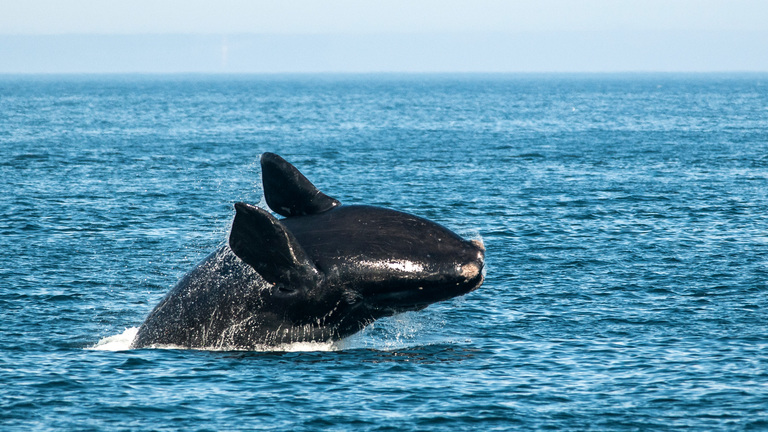
This follows a decline of around 25% between 2010 and 2020, highlighting how ongoing ocean conservation efforts are beginning to make an impact, even if challenges remain.
10. Monaco’s Environmental Symposium pushes practical sustainability in yachting
The 14th Environmental Symposium at Yacht Club de Monaco this March brought together shipyards, scientists and owners to discuss the next stage of sustainable yachting, moving from ambition towards practical implementation.
The event focused on solutions already entering the fleet, from hybrid propulsion and efficiency tools to the SEA Index, which measures and compares yacht carbon emissions. It also highlighted how superyachts are being used to collect scientific data, including bathymetric mapping during cruising itineraries.
Why these global positive news stories matter
Whether it is research yachts, new technology, or people working on the ground in coastal communities, these stories point to something steady rather than dramatic: progress that is happening in different ways, often quietly. They are not solutions on their own, and positive news stories do not cancel out the scale of the challenges facing the ocean. But they do show that change is happening, through science, collaboration and a growing awareness of how the ocean is understood and protected.
Sometimes, that is enough to shift the narrative slightly and to remind us that there is more going on beneath the surface than we might think.
TRENDING ARTICLES
FEATURED YACHT