Some of the best travel memories come from trips shaped by nature, not landmarks or hotels. Sometimes it’s about following a tide, a moon phase, or an ancient route. Travellers interested in wildlife migrations in 2026 must also consider when to visit, how to watch responsibly, and how to ensure that tourism helps rather than harms.
Wildlife migrations 2026
Responsible wildlife tourism requires patience and flexibility. Nature’s timing can change with the weather, and good guides know when to keep their distance. It is also important to choose operators who understand local conservation needs, work with communities, and prioritise animal welfare.
These seven migrations and natural events are worth planning your travels around. They aren’t just about dramatic sights, but about seeing how ecosystems work. Each one gives you a rare chance to witness movement, return, and survival in the wild.
Turtle hatching on Costa Rica’s Caribbean coast
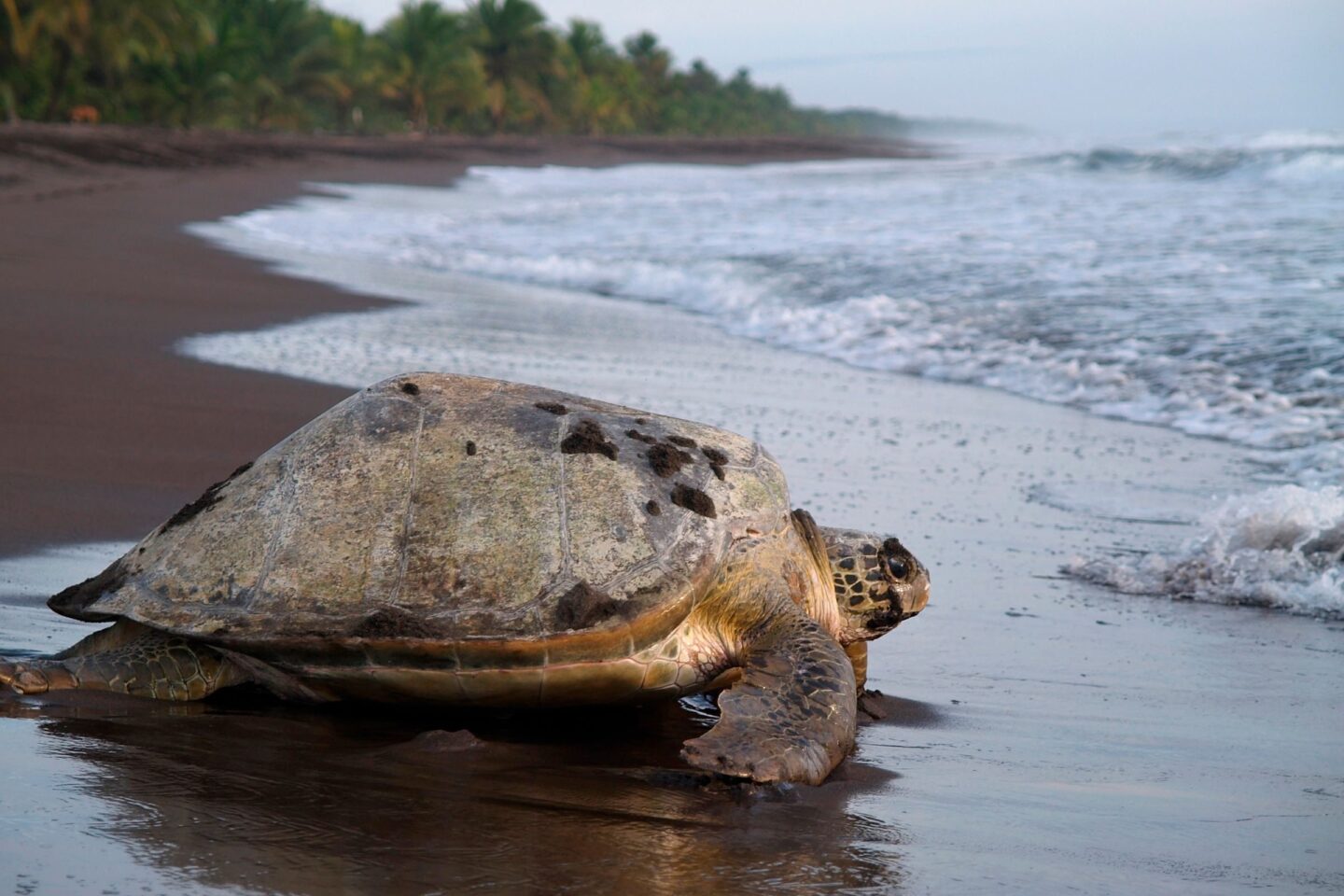
On Costa Rica’s Caribbean coast, nesting turtles return to beaches where conservation has become part of the rhythm of local life. Tortuguero National Park is best known for green sea turtles, while leatherbacks and hawksbills are also found along parts of the coast. Nesting generally runs from around March to October, depending on the species, with green turtles nesting most actively from July to October and hatchlings emerging later in the season.
Travellers only see a small part of the turtles’ life cycle. Female turtles come ashore at night to lay eggs, and weeks later, hatchlings head to the sea, guided by light and instinct. This journey is fragile and threatened by development, artificial lights, predators, warmer sand, and pollution.
The best way to see turtle nesting or hatching is with licensed local guides and conservation programs. Avoid flash photography, walking on the beach at night, or touching hatchlings. In Tortuguero, it’s about watching from a distance and respecting the turtles’ space.
Humpback whales in Tonga
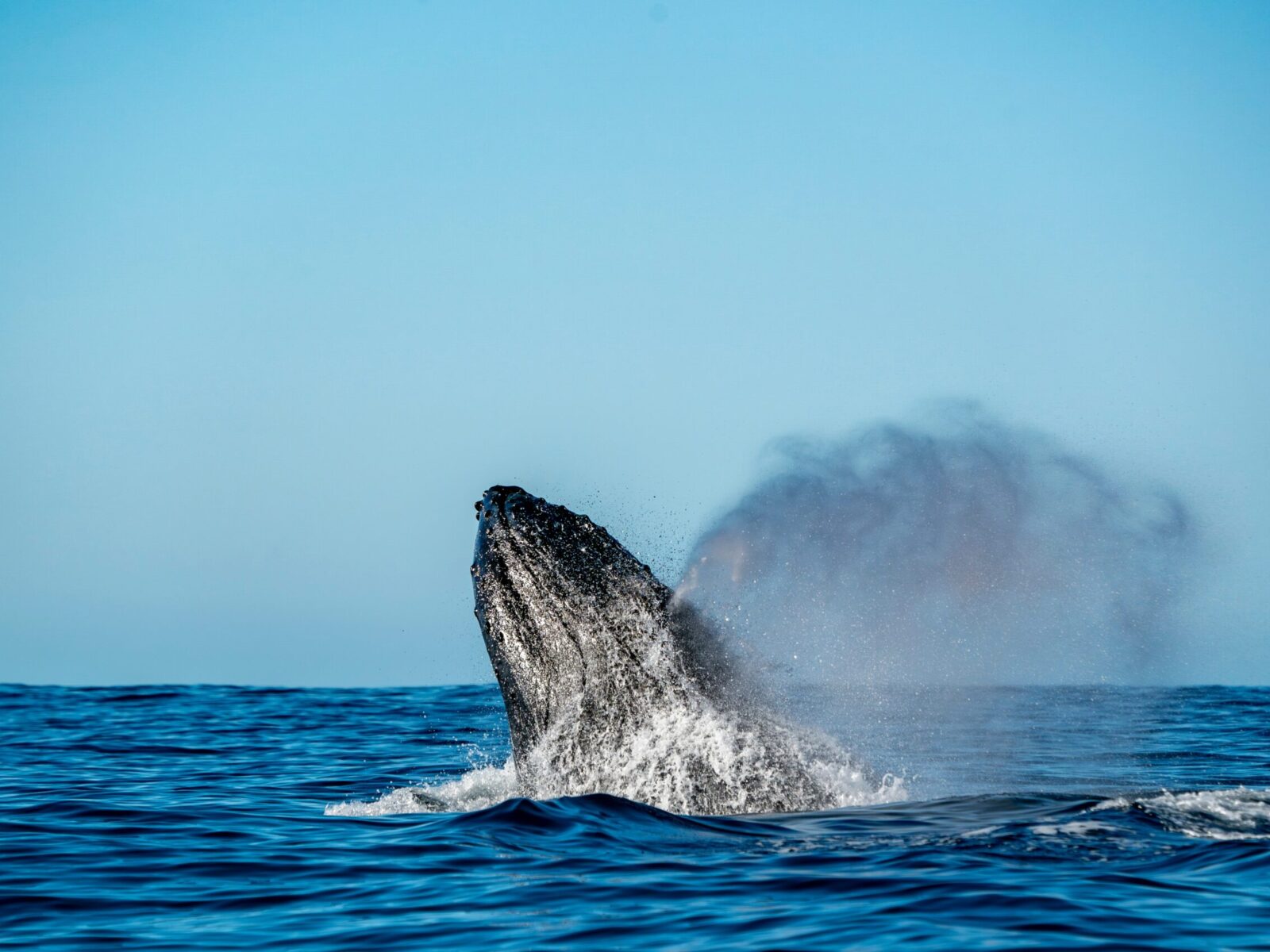
Every year, humpback whales travel from their feeding grounds in Antarctica to Tonga’s warmer waters to breed, give birth, and nurse their calves. The season usually lasts from July to October, with August and September being the best months for sightings around Vava‘u and Ha‘apai. For travellers, Tonga is one of the few places where you can have carefully regulated in-water encounters with humpbacks.
This migration is vital because it shows both the challenges and recovery of humpback whales. Their numbers dropped due to whaling, and while some groups have grown, they still face threats such as ship strikes, entanglement, noise, and changes in food supply. In Tonga, whales also play a key role in local culture, research, and tourism.
Choosing the right operator is key to responsible travel here. Good whale-swim operators follow strict rules, limit time in the water, and never pressure the whales. Look for guides who are clear about permits, group sizes, and rules, and who see a no-swim day as a conservation choice, not a failure.
The great wildebeest migration in Kenya and Tanzania
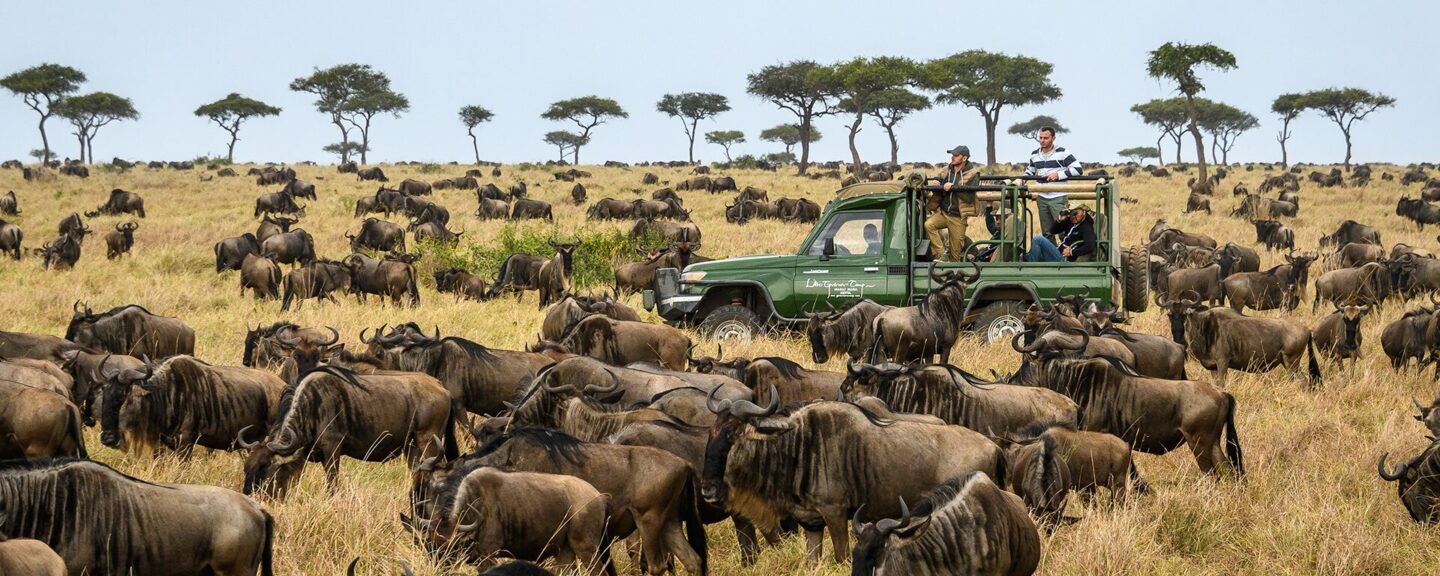
The great wildebeest migration moves across Tanzania’s Serengeti and Kenya’s Maasai Mara, following the rain and fresh grass. More than a million wildebeest, along with zebras and gazelles, travel through the ecosystem in a cycle, not just a one-time event. Calving usually happens in the southern Serengeti from January to March, while the well-known river crossings in the north often occur between July and October, though rainfall can shift the timing.
This migration is vital for the ecosystem. It spreads nutrients, supports predators, and keeps the grasslands healthy. It’s also closely linked to local communities, land use, conservation funding, and wildlife corridors. While the river crossings are famous, focusing only on them can put too much pressure on certain areas.
To travel more responsibly, consider visiting outside the busiest crossing times or staying longer in one area with ethical guides. Vehicles shouldn’t block animals or crowd riverbanks. Choosing conservancies, community lodges, and operators who support anti-poaching and local jobs helps make tourism more positive.
The sardine run in South Africa
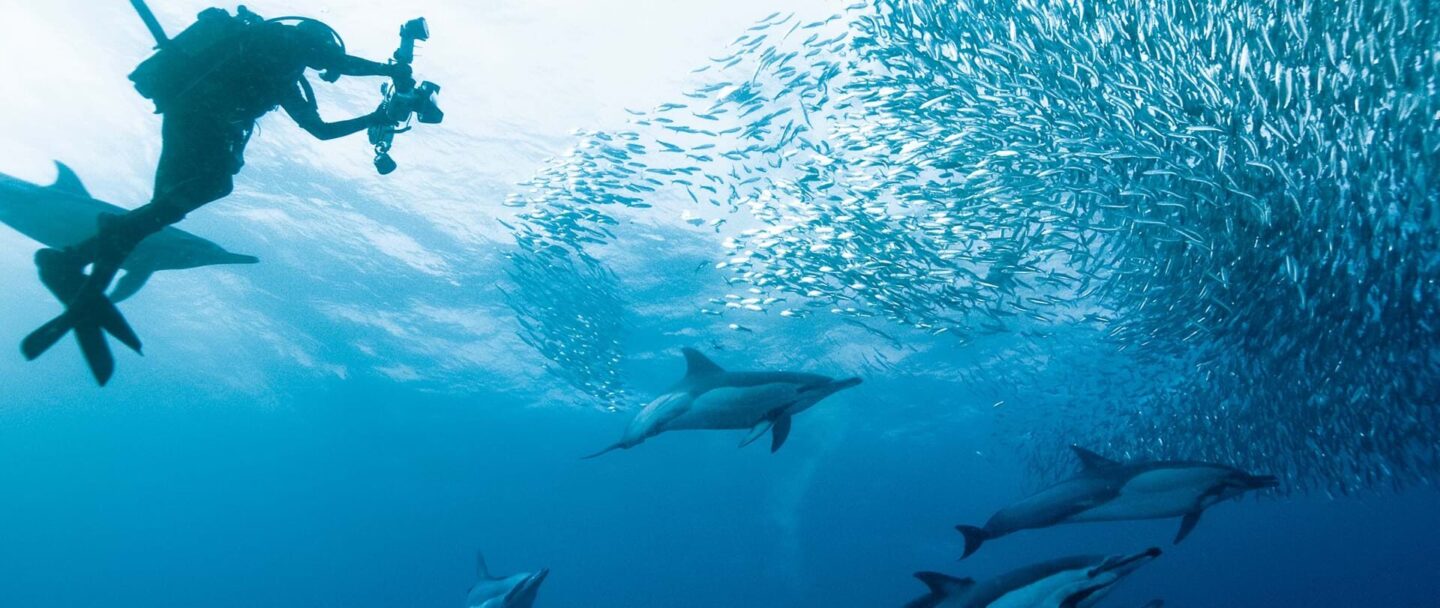
Along South Africa’s east coast, the sardine run is a seasonal event of the world’s greatest natural spectacles, in which sardines attract dolphins, sharks, seabirds, whales, and game fish to feed along the Wild Coast and in KwaZulu-Natal. The timing can be unpredictable, but the main season is usually from May to July, when cooler water helps push the shoals north.
For divers and expedition travellers, this can mean long days on small boats, watching for signs from birds, dolphins, and local skippers who know how to read the water.
Being responsible starts with having realistic expectations. Operators should brief guests on safety, marine life behaviour, and how to enter the water with minimal impact. Divers and snorkelers should avoid chasing bait balls, touching animals, or crowding feeding predators. Since the sardine run depends on ocean health, travellers should choose operators who support marine education, local jobs, and conservation research.
Monarch butterflies in Mexico
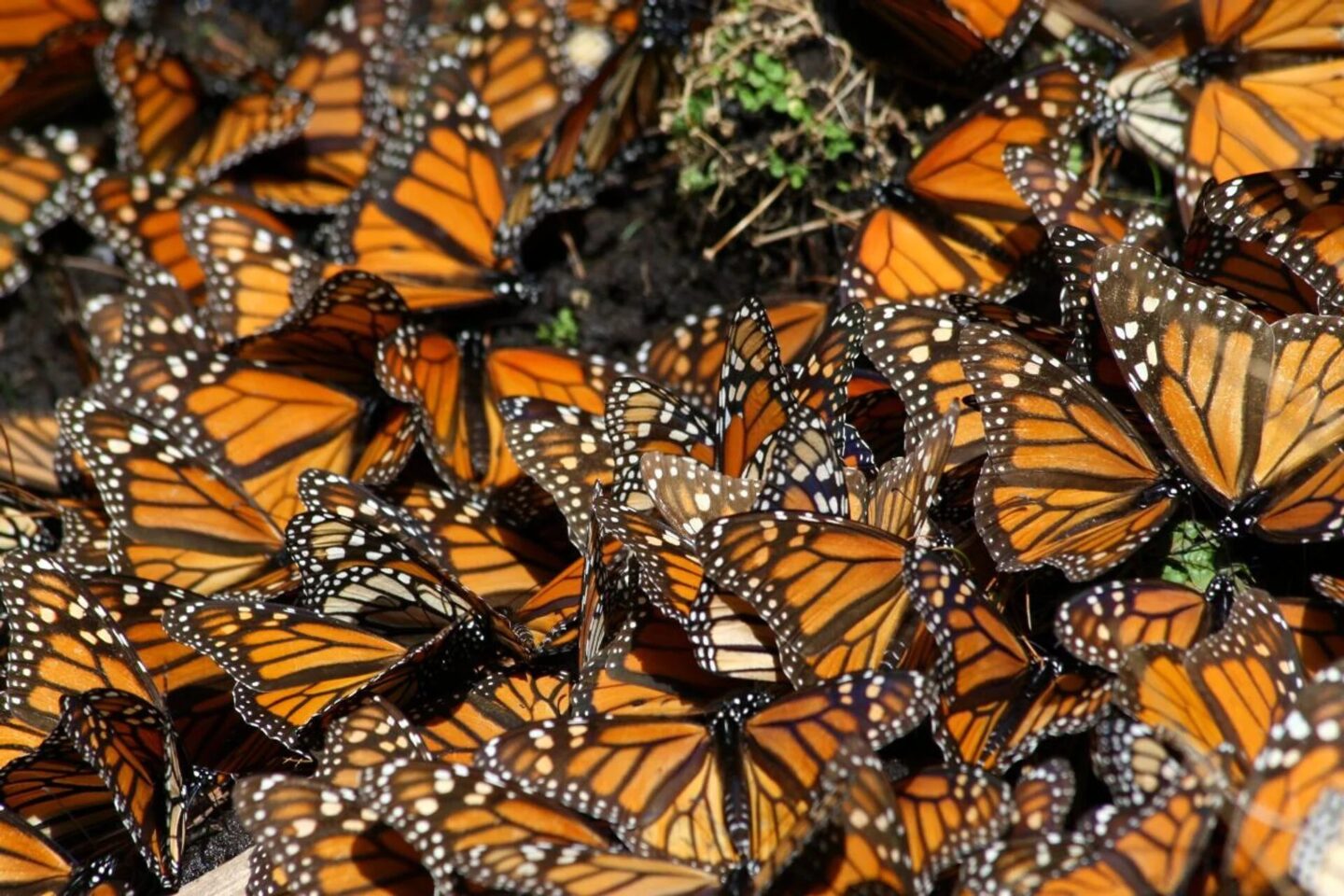
Every winter, millions of monarch butterflies gather in the oyamel fir forests of central Mexico, especially in the Monarch Butterfly Biosphere Reserve in Michoacán and the State of Mexico. The best time to visit is usually from January to March, when the butterflies are settled in the forests and warmer days may bring them into flight. It was recently reported that Monarch butterfly populations in Mexico increased by 64% this winter, giving a dash of positivity for an insect considered at risk of extinction.
Several generations are involved across North America, with the last generation travelling thousands of miles to the same mountain forests. Their survival depends on milkweed along the way, forest protection in Mexico, and a stable climate.
Visitors can explore the sanctuaries on guided walks or horseback rides, but altitude, weather, and crowd control are crucial factors. Travellers should stay on marked paths, keep noise down, and avoid disturbing clusters of trees. Choosing community-led sanctuaries supports local stewardship, which is vital in a region where forest conservation and livelihoods are closely connected.
Polar bears near Churchill, Canada
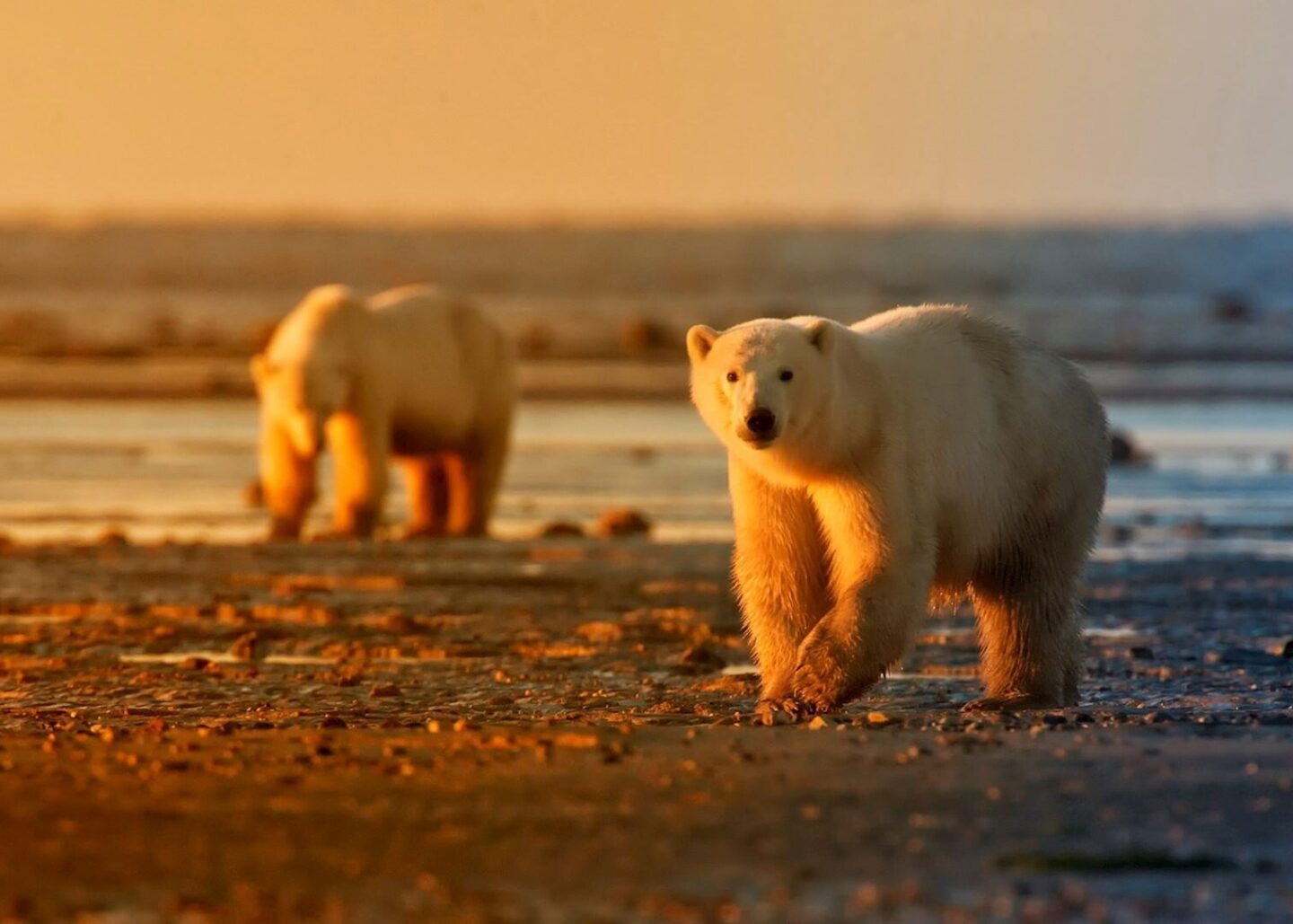
In Churchill, Manitoba, polar bears gather in autumn while they wait for sea ice to form on Hudson Bay. The main viewing season is usually October to November, when bears move through the tundra and along the coast before heading out to hunt seals on the ice. Unlike many migrations, this is a seasonal gathering developed by waiting, hunger, and the timing of freeze-up.
The ecological situation is crucial. Polar bears need sea ice to hunt, and climate change is making ice seasons shorter in parts of the Arctic. In Churchill, tourism has helped raise awareness and economic value for polar bear conservation, but it needs to be managed carefully to avoid habituation, unsafe encounters, and disturbance.
Mission-driven travellers should choose established operators with strict bear-viewing protocols, trained guides, and vehicles or lodges designed to keep a safe distance. Feeding, baiting, or trying to get close to bears by the roadside should be avoided. The best Churchill trips combine bear viewing with education about Arctic ecology, Indigenous perspectives, and the realities of a warming north.
Whale sharks at Ningaloo Reef, Australia
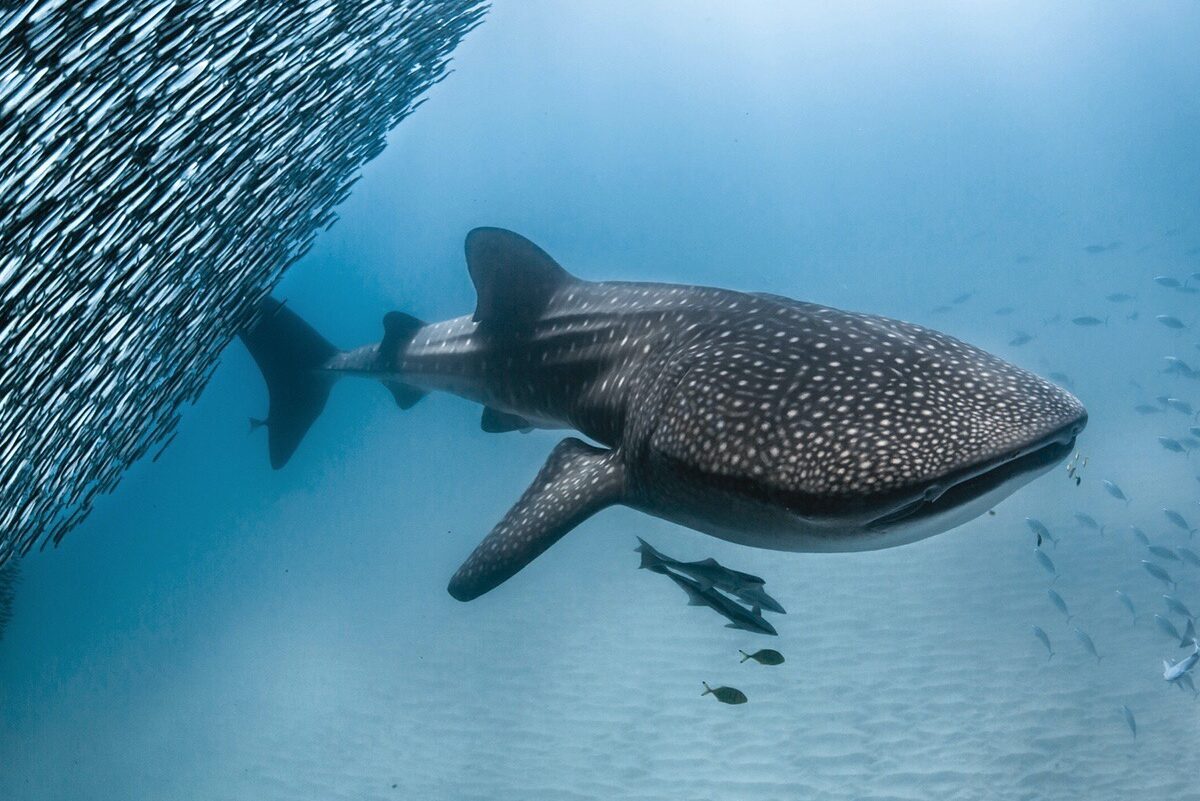
Western Australia’s Ningaloo Reef is one of the best places in the world to swim with whale sharks. The season usually runs from March to July, after the coral spawning period creates plankton-rich waters. These gentle filter feeders gather along the reef edge, attracting travellers to Exmouth and Coral Bay for regulated boat-based encounters.
Whale sharks are the largest fish in the sea, yet their lives remain difficult to study. They are affected by vessel strikes, fishing pressure, marine pollution and changes in ocean productivity. Ningaloo’s value lies not only in sightings, but in the way long-term management, research and visitor regulation have created one of the better-known models for marine wildlife tourism.
Reliable operators keep safe distances, limit the number of swimmers, and use spotter planes or trained crews to reduce pressure on each animal. Travellers should avoid touching, blocking, or swimming directly in front of whale sharks. The best experiences are calm and respectful, with the reef treated as part of the encounter rather than just a backdrop.
Planning without treating it as a performance
Responsible wildlife tourism 2026 itineraries will be built with flexibility. For luxury travel in particular, the opportunity is to move beyond access and towards accountability. Better planning can mean longer stays, fewer rushed transfers, smaller groups, expert naturalist guides, locally owned lodges and operators who enforce clear conservation practices. It can also mean accepting distance as part of respect.
These wildlife migrations continue because animals are following needs older than tourism: food, breeding, shelter, temperature, safety, and return. To bear witness with care means travelling with humility, understanding that timing is just one part of the journey, and realising that the most meaningful encounter might be the one that only leaves the smallest trace.

TRENDING ARTICLES


FEATURED YACHT