Move over big brands and visible excess: a quieter definition of luxury is emerging, shaped by time, access and autonomy.
Luxury travel trends in 2026 are shifting. What are the true markers of luxury? Is it a villa in the Hamptons, a bottle of Moët and a ride in a Porsche 911 complete with tinted windows? Not so. In 2026, the signs of luxury are more likely to include banking eight hours of uninterrupted, quality sleep, opening an empty email inbox and having a full afternoon to spend time with your family.
A new definition of luxury
What do all of these have in common? One key word: freedom. Whether it’s freedom of time, freedom to travel, or the freedom to control the pace of your day, today’s luxury has quietly shifted away from visible excess and towards this more internal and intangible quality.
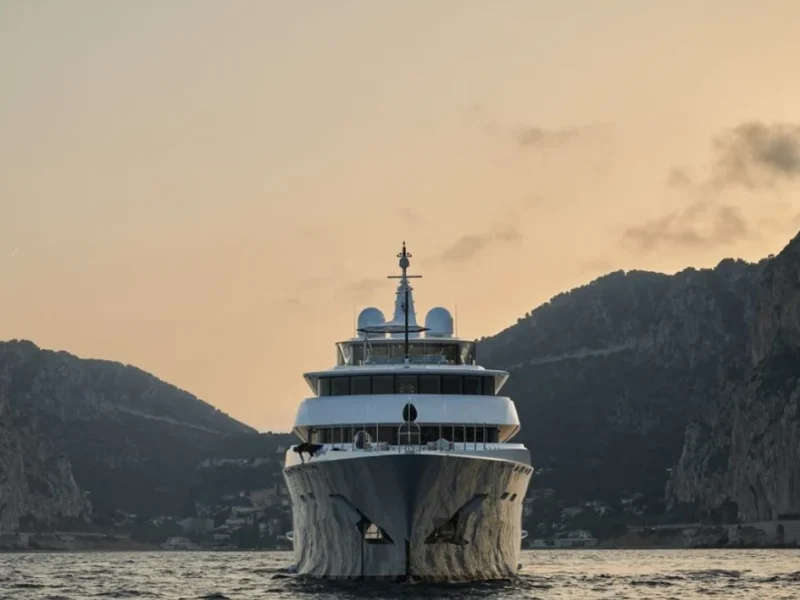
Nowhere is this shift more evident than in the world of yachting, often traditionally perceived as the realm of champagne, caviar and excess. Ghada Soliman, Chief Stewardess and Performance-Alignment and Wellness Coach on board a 74-metre Lürssen motor yacht, has also noticed this change amongst her frequently time-poor charter guests. “Most of the charter guests are high-performing individuals who are over-stimulated and stressed, and all they want on board is nervous system recovery, space and intentional pacing.”
Bobby Bigio, Charter Consultant at IYC, agrees: “I can’t overemphasise how busy some clients are. The ability to step on board, switch off and have everything handled by someone else is absolutely the luxury many seek. Boarding a yacht can shed the weight of the previous weeks and allow people to really relax and explore multiple destinations with ease and comfort.”
The role of crew in shaping the experience
Naturally, in a world that increasingly seems to operate at a million miles a minute and where phone notifications are perpetually pinging, cultivating this much-sought-after environment of tranquillity takes effort. Captain Kelly Gordon, who leads the team on board the 43-metre motor yacht Cabo, explains further:
“If the crew is chaotic, guests feel it immediately. So we operate calmly. We plan itineraries that allow for stillness. Not port-hopping just to tick boxes. We build in anchor days with nothing scheduled. We manage sound. Lighting. Timing. Even how and when we approach guests with information. No unnecessary stress travels up the chain to guests. When it’s done right, guests don’t even notice the work behind it. They just say, “I haven’t felt this relaxed in years.”
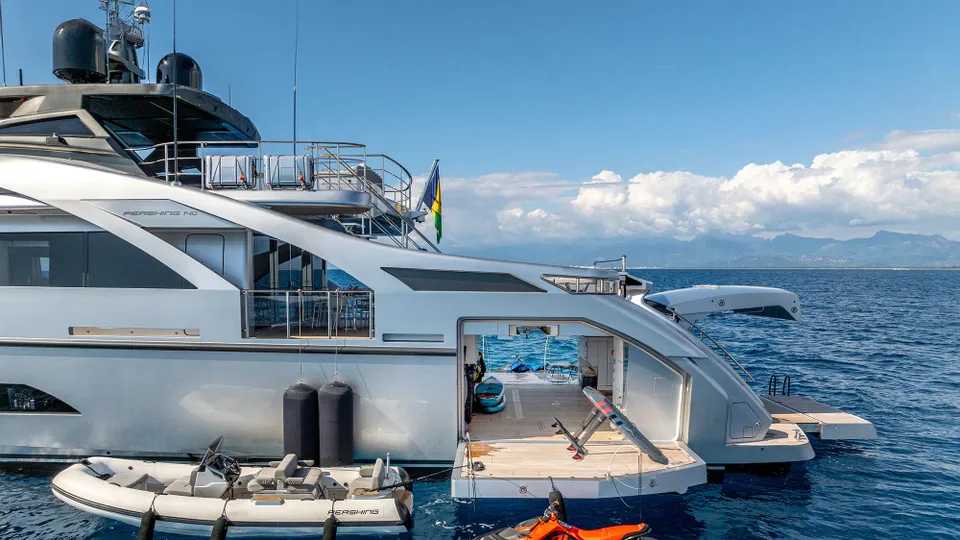
Chief Stewardess Soliman agrees about the importance of those working on board in creating this peaceful onboard space for travellers. And, for Soliman, this necessitates a particular set of well-developed emotional skills, alongside correct behaviour. “For crew, this requires emotional intelligence and heightened awareness. Service must feel present but never intrusive. Crew behaviour becomes more intuitive, regulated, and observant rather than reactive.”
Freedom of time and pace
Furthermore, compared to other types of holiday where travellers are dependent on the whims of airlines, public transport, and traffic to get from A to B, a yacht charter offers infinitely more flexibility and less stress when it comes to time. This is one of the defining shifts in luxury travel trends in 2026. Dawn MacPhee, Charter Broker at SNS Yacht Charter, says as much: “A yacht charter is the ultimate way to set your own pace, deciding day by day where you want to go, how far, how much you want to explore, whether you’d like to relax onboard or venture ashore. Every day can have a different setting, scenery, and location, while the design and pace of the day is completely up to you.”
Access to remote and meaningful destinations
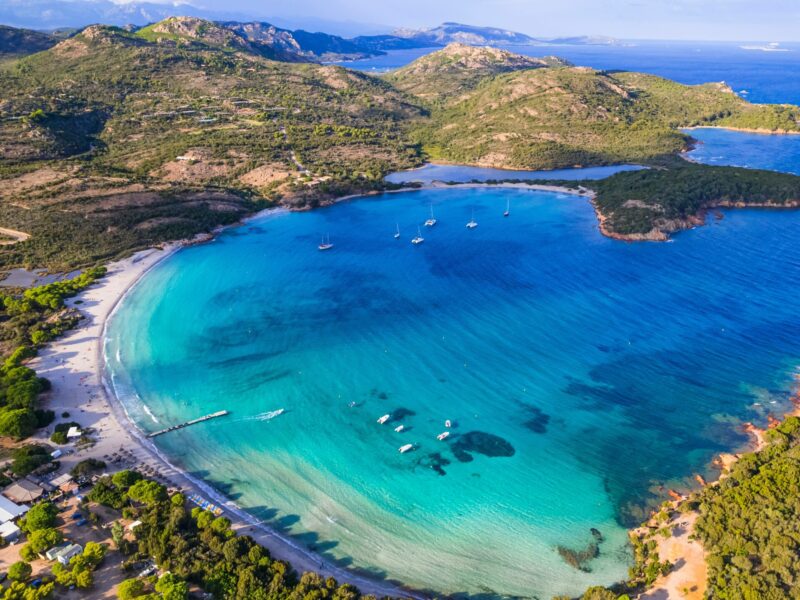
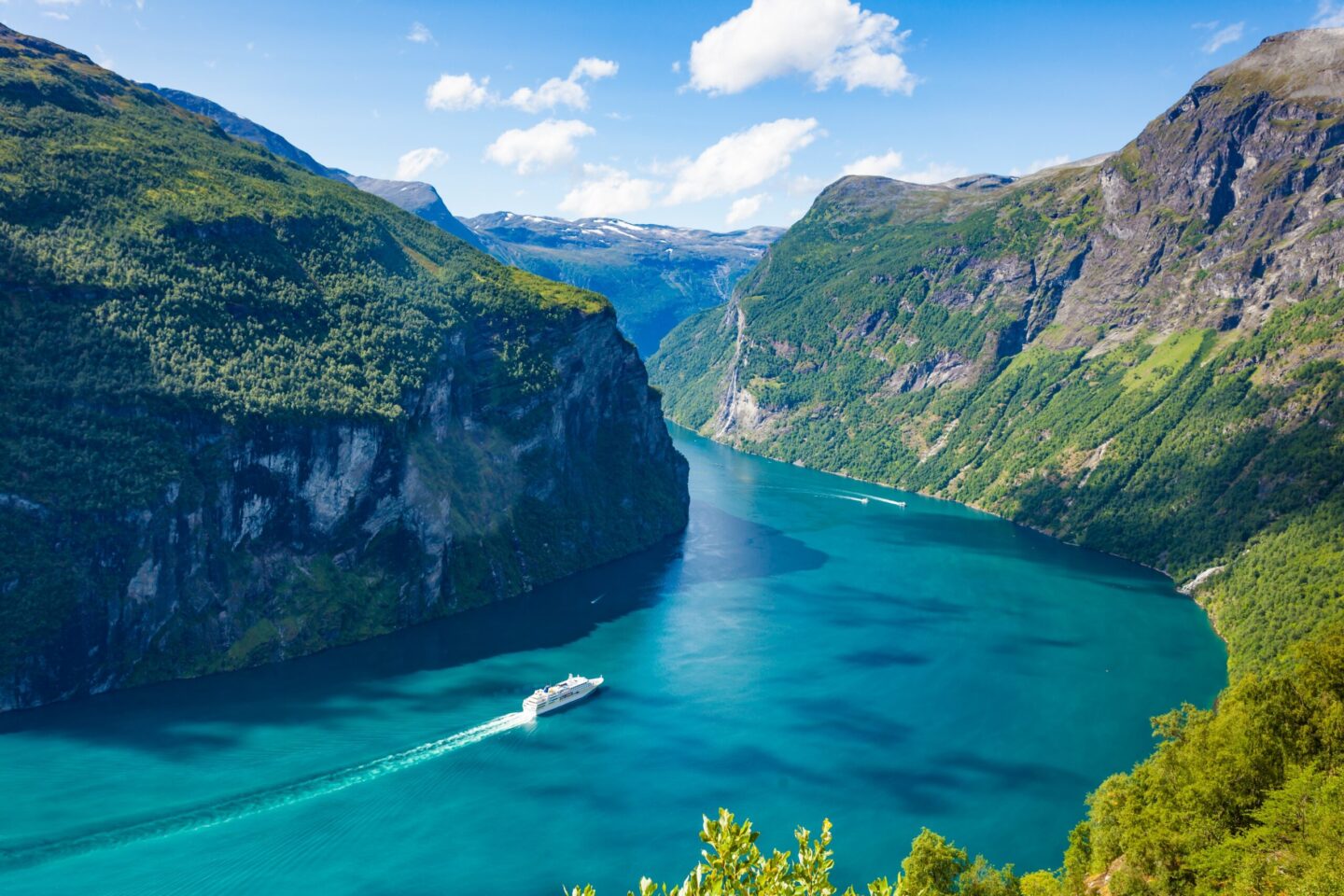
Although the shape and pacing of the itinerary, and the destinations chosen, will depend on the ages, backgrounds and interests of the travellers in question, MacPhee has noticed a tendency for those on board to venture further afield in search of quieter locations. “More yachts are cruising beyond the usual routes of the Caribbean, Mediterranean and New England to explore more remote and further removed locations like the Maldives, Seychelles, French Polynesia and Indonesia. It’s also becoming more popular to explore further north, for example, with a number of charter yachts available to explore the fjords of Norway this summer.”
If freedom of time is one important facet of luxury in 2026, the freedom to access unexplored places is another, and this is enabled beautifully by the right kind of yacht charter. Soliman explains further: “A charter yacht offers something rare: controlled autonomy. Guests can change course, adjust timing, and access remote locations without crowds. Unlike land-based luxury, charter allows movement without friction. It enables exploration while maintaining privacy, security, and personalised service.”
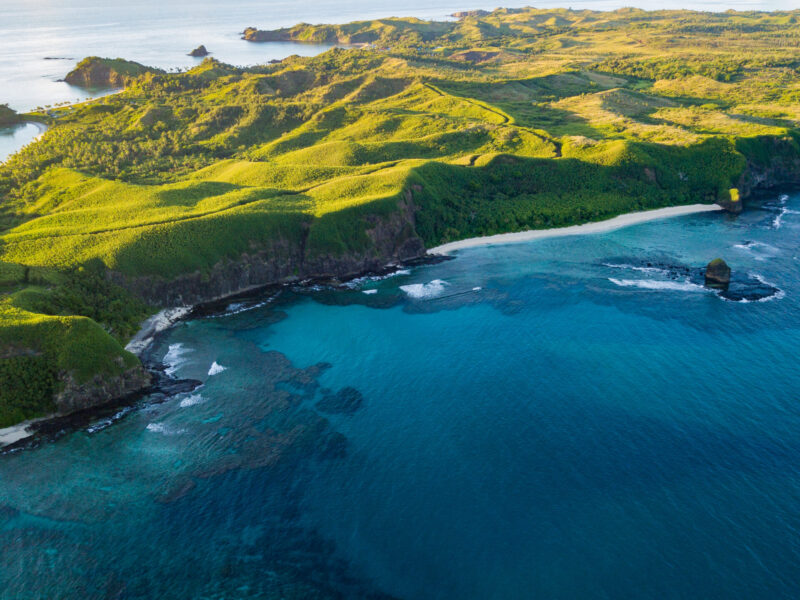
She continues: “The guests value unique experiences, private coves, meaningful culture encounters, rare landscapes, rather than excessive consumption. Luxury is shifting from quantity to exclusivity of experience.”
Privacy, presence and switching off
MacPhee observes how this turn towards more remote locations has also shifted the expectations of today’s travellers. “Experienced charter guests do seem to be looking for more, a deeper connection, something more meaningful, and this can be found in access like anchorages where no one else is there, a private island visit, a specialist onboard to guide with local knowledge, or just moments that feel unrepeatable.”
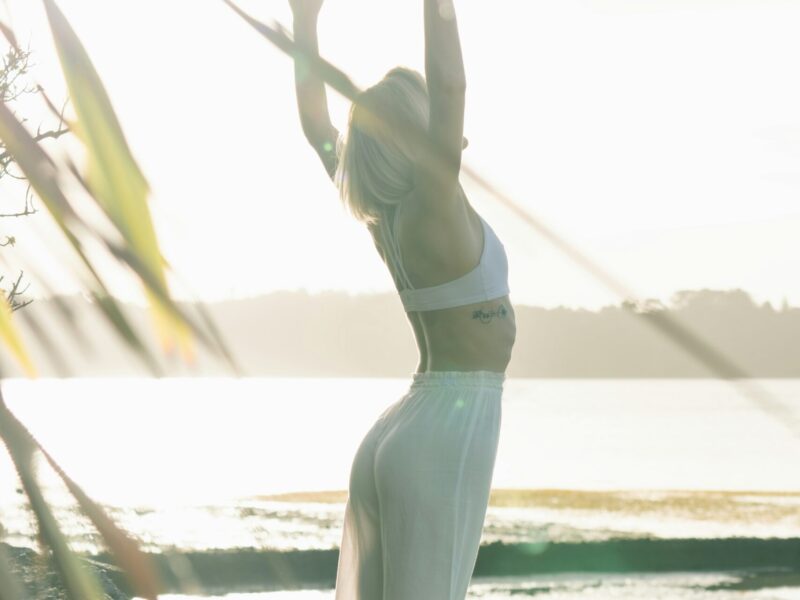
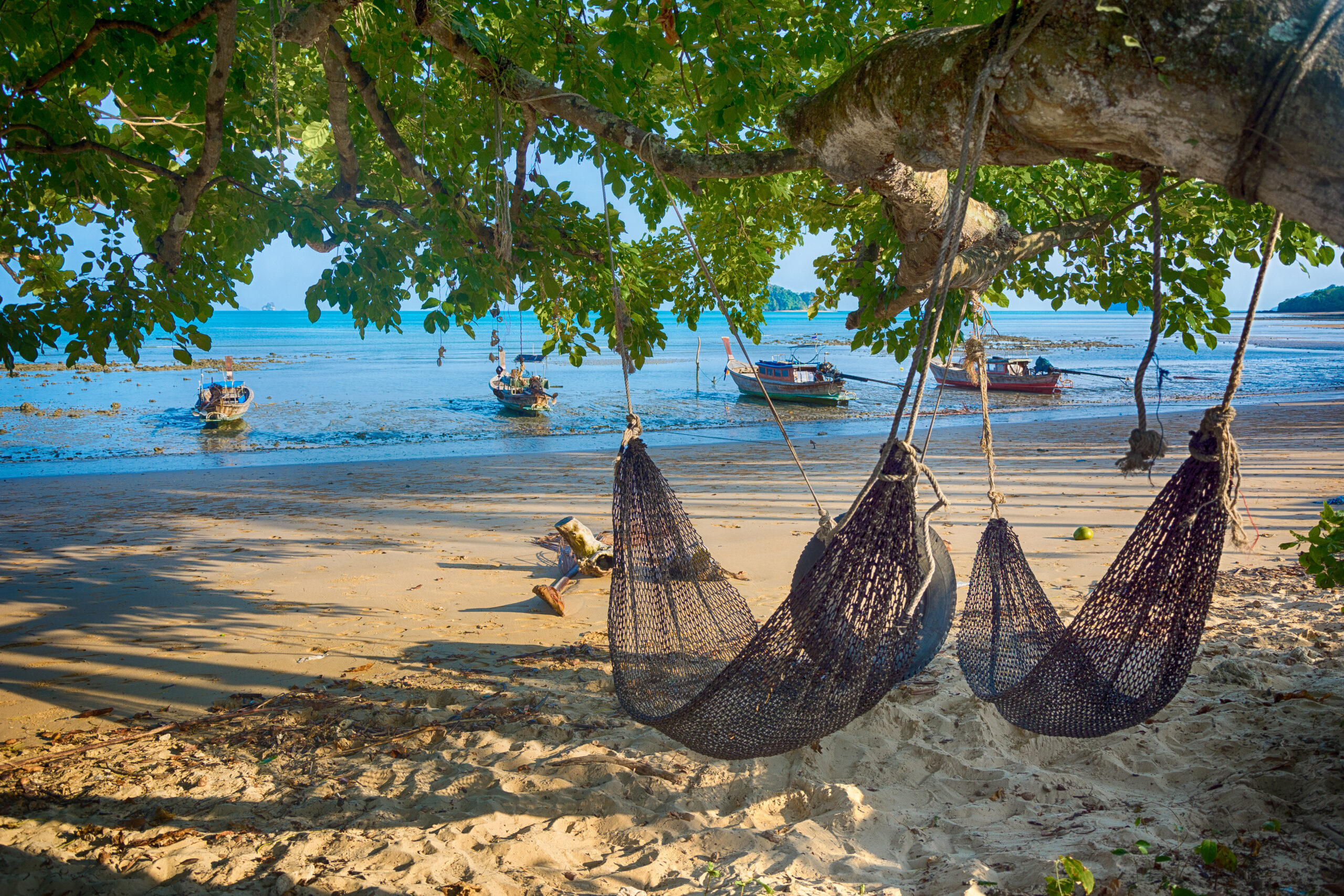
Notably, despite the power of algorithms and the perpetual temptation to scroll on social media, ever more people are recognising the benefits of switching off and enjoying the psychological luxury of not having to perform, document, or optimise an experience to receive the external validation of others. This shift is becoming a defining part of the future of luxury travel.
Kateryna Kyslyak, Charter Broker at Contact Yachts, has observed this tendency among her own client base. “Generally, they are not choosing to use social media to share things and are choosing privacy instead. Their Instagrams are either closed or private, with only a handful of posts. I see that our clients have very good social activity, attending events, launching books and art galleries, but have zero photographs of their travels, so you couldn’t even say that they chartered.”
Of course, when once-in-a-lifetime activities such as swimming with dolphins, coral-diving, heliskiing, or rainforest exploring are on the table, it is natural to want to preserve these memories in some form whilst still being fully present and enjoying them in the moment. Thankfully, as MacPhee explains, there are methods of doing just this: “There are now services available to help shoot and document a yacht charter so a group of family and friends can have a professional video of their experience. That way, they get to keep the memories without putting in the capture time themselves.”
What luxury travel trends look like now
Increasingly, then, as travellers continue to fill out our bucket lists, from Patagonia to the Philippines, we can all be mindful that true luxury is often found in what we can manage to avoid. Daily stress, social media, crowds, schedules, and performative behaviour are replaced with time, freedom, privacy, access and autonomy.
On this topic, we can give MacPhee the final word: “You can always earn more money, but you can’t make more time.”
TRENDING ARTICLES
FEATURED YACHT