Why Learn on a Scuba Diving Yacht Charter?
Whether you’re taking your first breaths underwater or building confidence, from the reef-fringed atolls of the Maldives to far-flung Pacific archipelagos, a scuba diving yacht charter offers a uniquely immersive setting to learn.
Unlike land-based courses, a charter allows you to live and learn directly on the water, with immediate access to dive sites and the flexibility to explore multiple locations. But while the setting may feel luxurious, the fundamentals of learning to dive safely and responsibly remain the same.
Learn with the Right Instructor
First and foremost, having a qualified instructor on board for your scuba diving yacht charter is non-negotiable. A certified PADI instructor ensures that your training meets international safety standards, guiding you through everything from basic theory to your first open-water dives. Their presence is particularly important in a yacht setting, where conditions and dive sites can vary.
Learning to dive on a yacht also allows for a more considered pace, with time between sessions to review skills and build confidence. Being based at sea means you can access a range of sites without the constraints of daily travel, making the learning process both efficient and hands-on.
Essential Equipment Matters
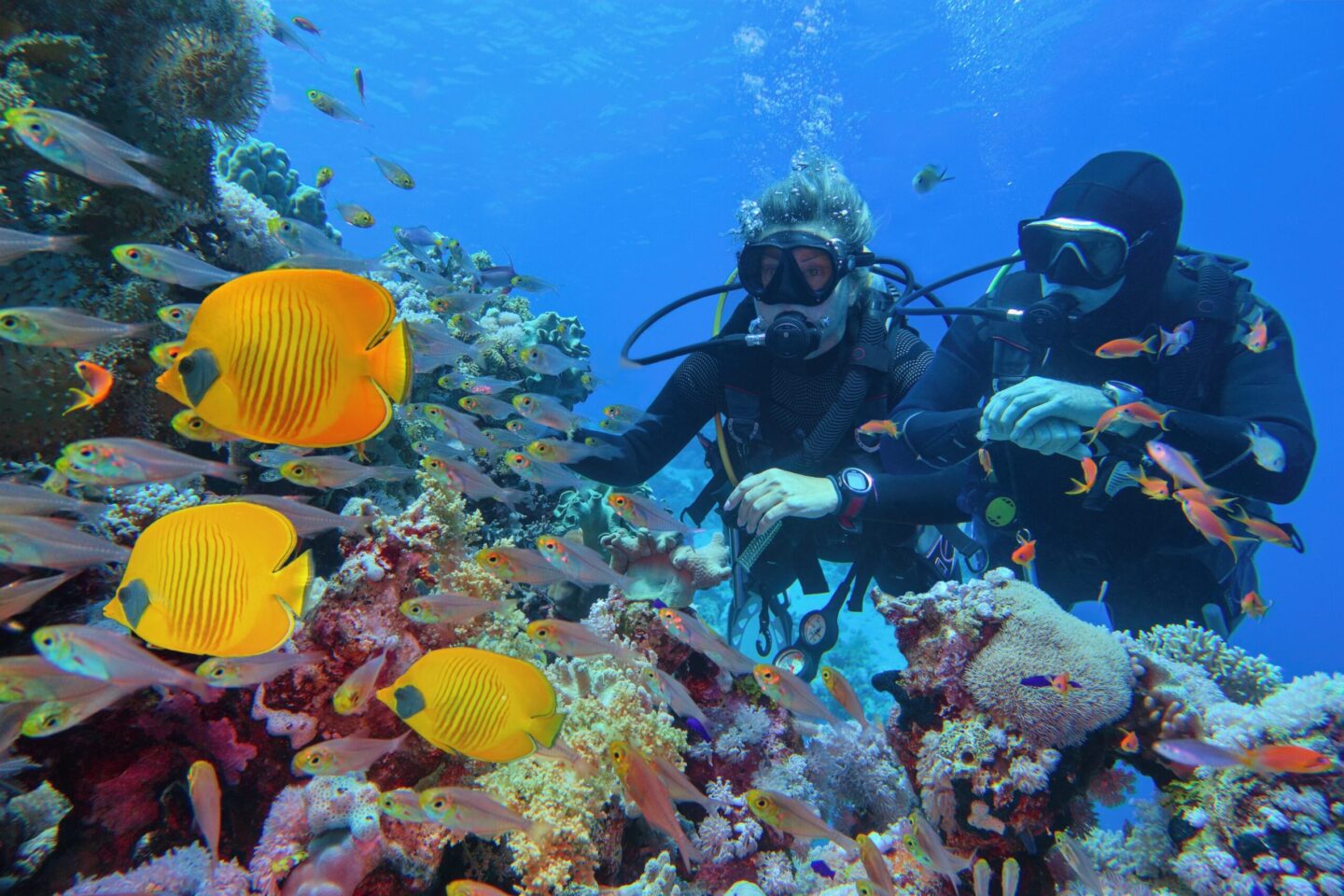
Equally important is having the correct equipment. Well-maintained gear – mask, fins, regulator, buoyancy control device, wetsuit, and tanks – is critical not only for comfort but for safety. On a charter, this should all be provided and regularly checked by the crew, but it’s still worth familiarising yourself with how everything works before entering the water.
Top tip: Do not be afraid to ask questions of the crew: it’s what they’re there for, and it’s always better to play it safe.
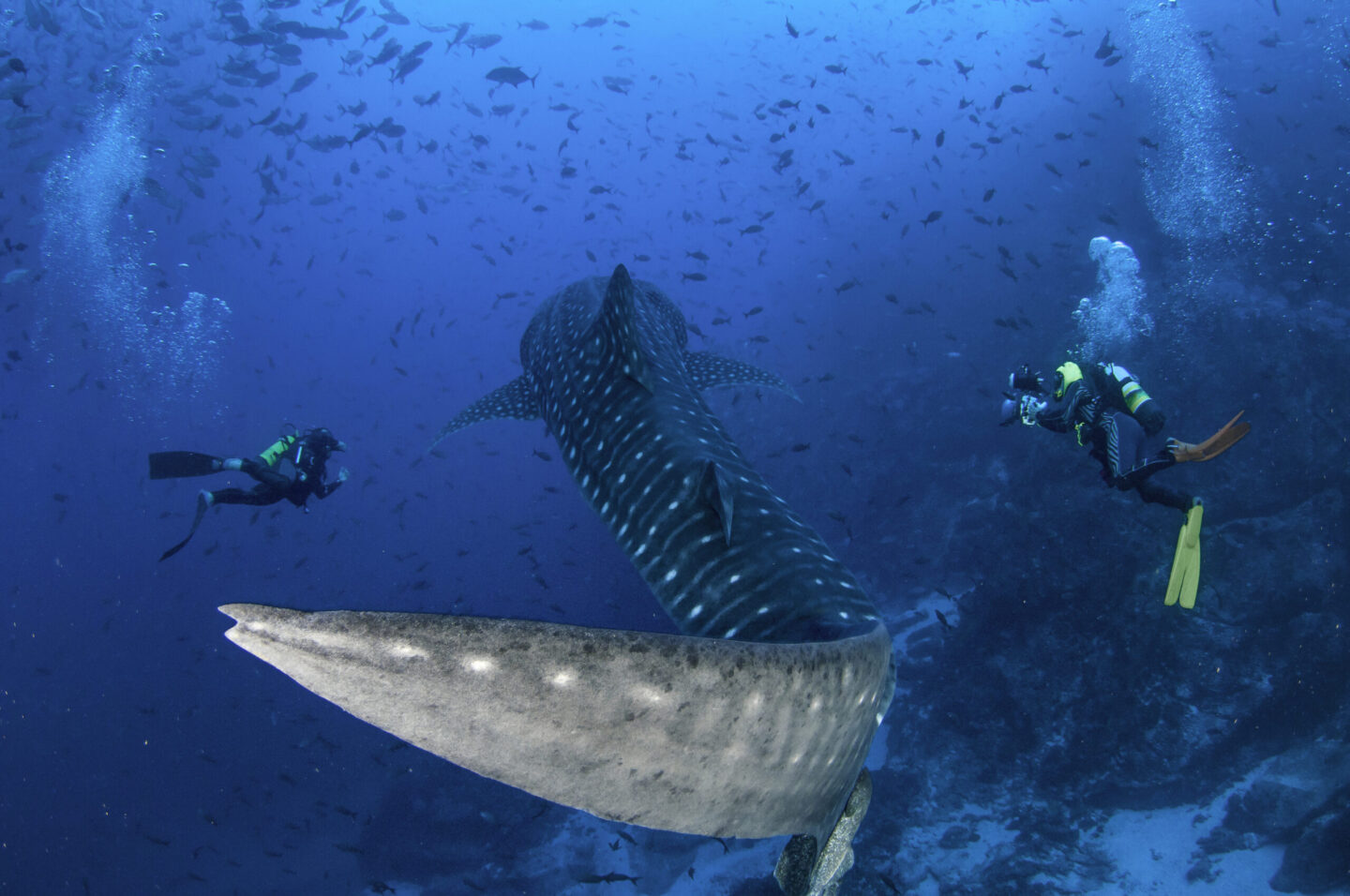
Choosing the Right Location for Your Scuba Diving Yacht Charter
Location is another key factor when you want to learn scuba diving at sea. Calm, clear waters with good visibility and minimal currents are ideal for beginners. However, choosing where to dive today involves more than just convenience or aesthetics.
Environmental pressures, particularly overfishing and habitat degradation, have significantly impacted marine ecosystems in many parts of Europe. In some areas, marine life has declined to the point where the richness that once defined those dive sites has largely disappeared.
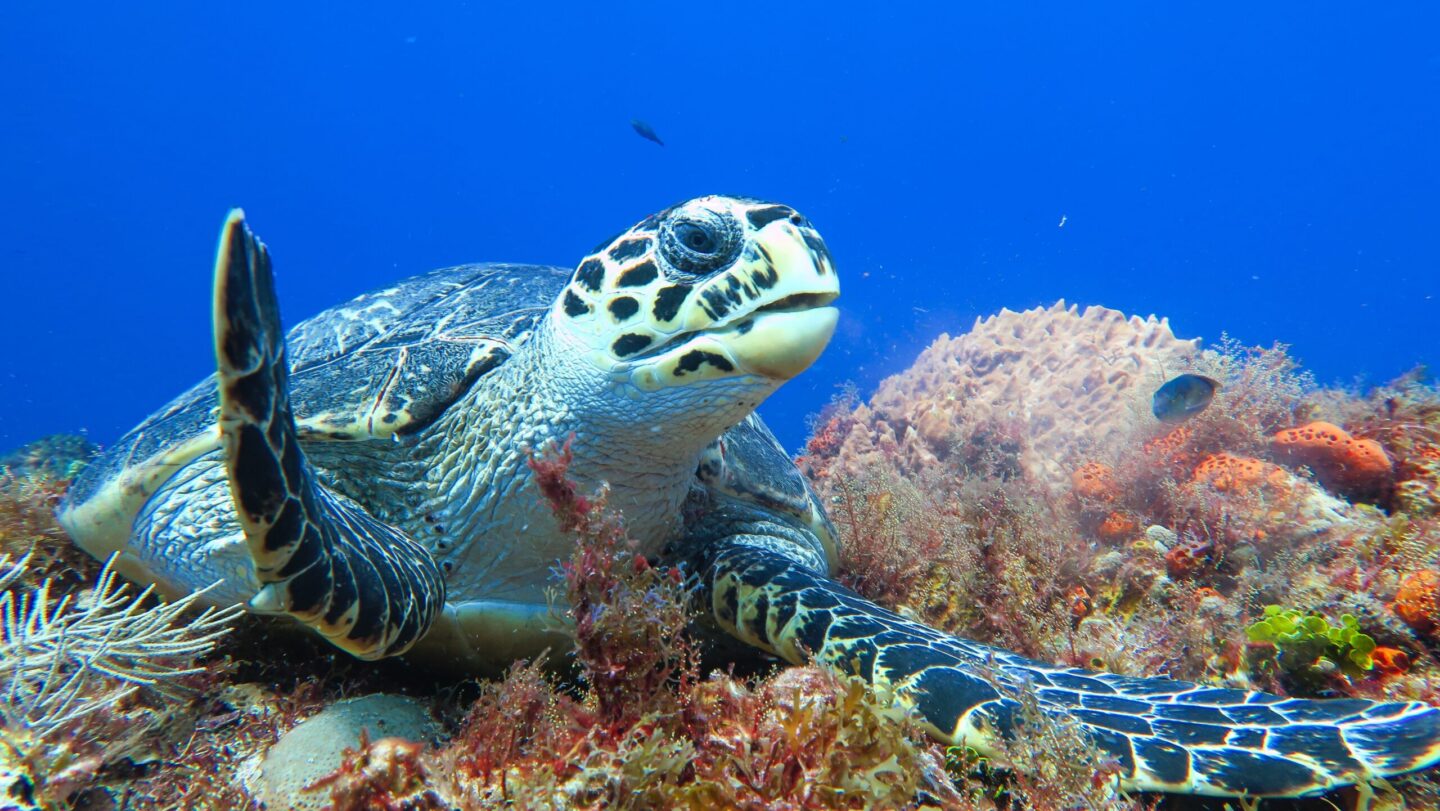
Seeking Pristine Waters
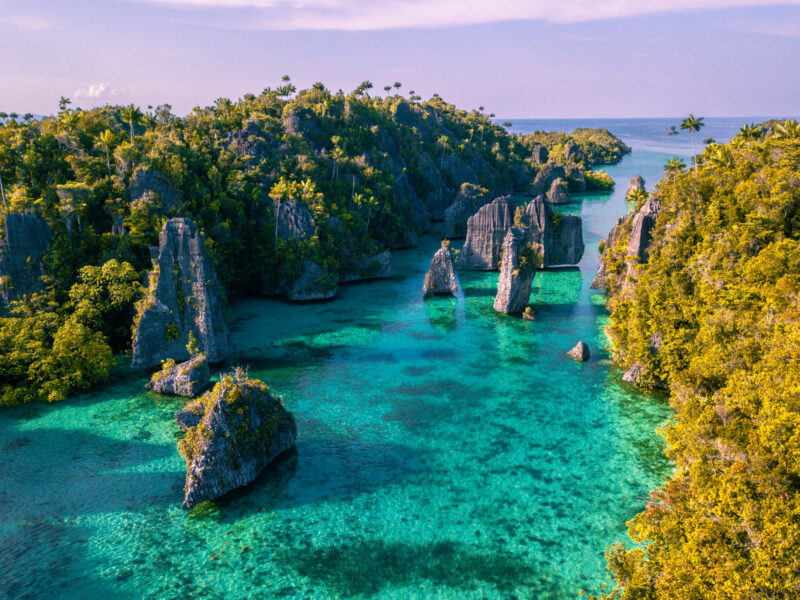
As a result, many divers are now seeking out more remote and pristine destinations where ecosystems remain relatively untouched. Regions such as the Maldives, Raja Ampat in Indonesia, and the Red Sea are renowned for their exceptional visibility and thriving coral reefs.
In the Caribbean, destinations like the British Virgin Islands and St Lucia offer warm, gentle waters that are perfect for beginners. These locations not only provide a more rewarding experience but also highlight what healthy marine ecosystems should look like, making the case for protecting them even stronger.
Beyond these, locations such as Palau in the western Pacific, Fiji, and Australia’s Great Barrier Reef provide extraordinary biodiversity and well-managed marine environments. Plus, parts of Thailand, such as the Andaman Sea coast, offer accessible yet vibrant dive sites ideal for those just starting out.
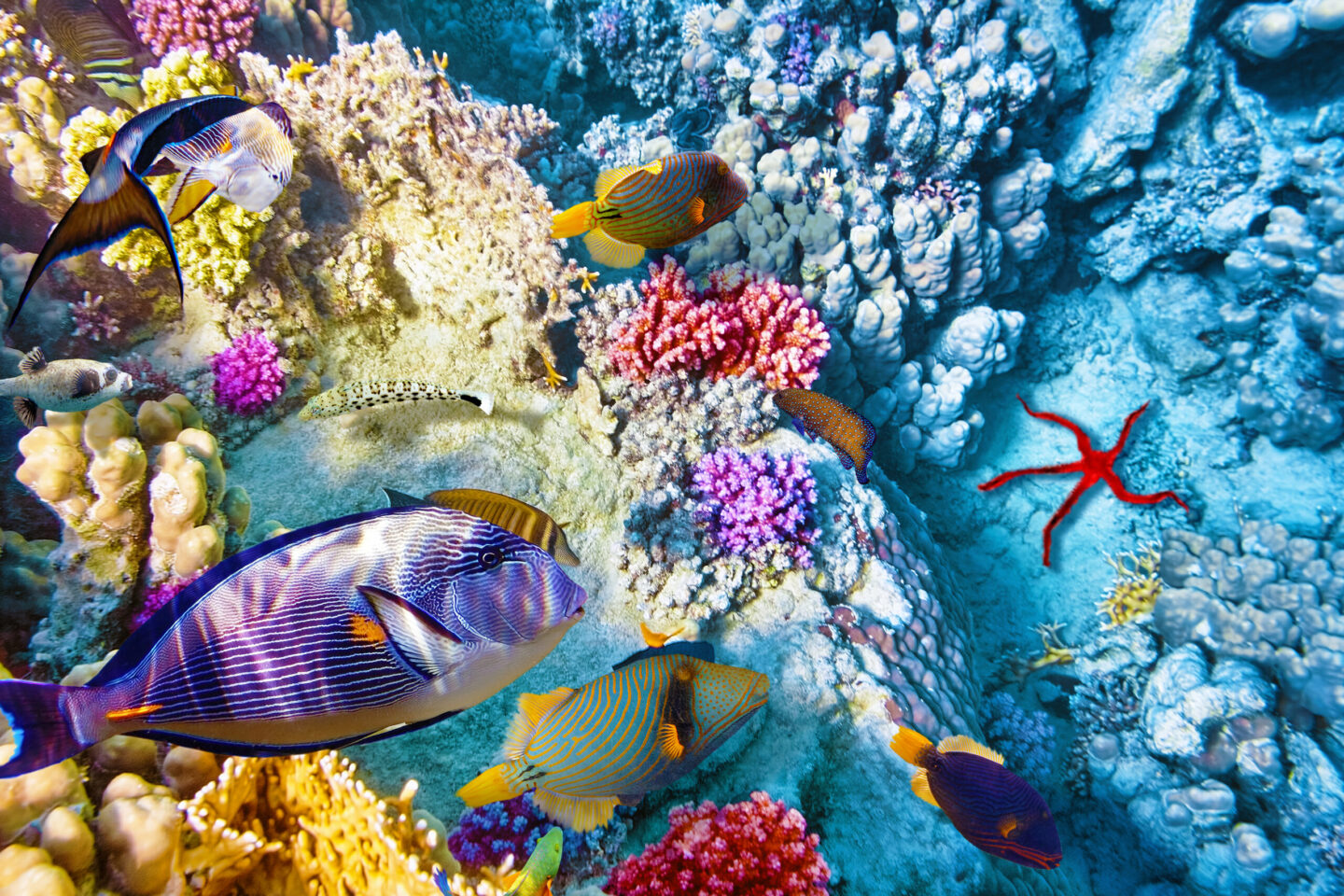
Sustainable Scuba Diving
That said, travelling to these environments comes with a responsibility to protect them. Sustainable diving practices are essential. This means maintaining proper buoyancy to avoid damaging coral, never standing on or touching reef structures, and keeping a respectful distance from marine life. Even seemingly harmless actions, like reaching out to touch a fish or getting too close for a photo, can put stress on animals and disrupt their natural behaviour.
It’s also important to be mindful of the broader impact of your presence. Supporting eco-conscious charter operators, avoiding single-use plastics on board, and respecting local conservation guidelines all contribute to preserving these fragile environments.
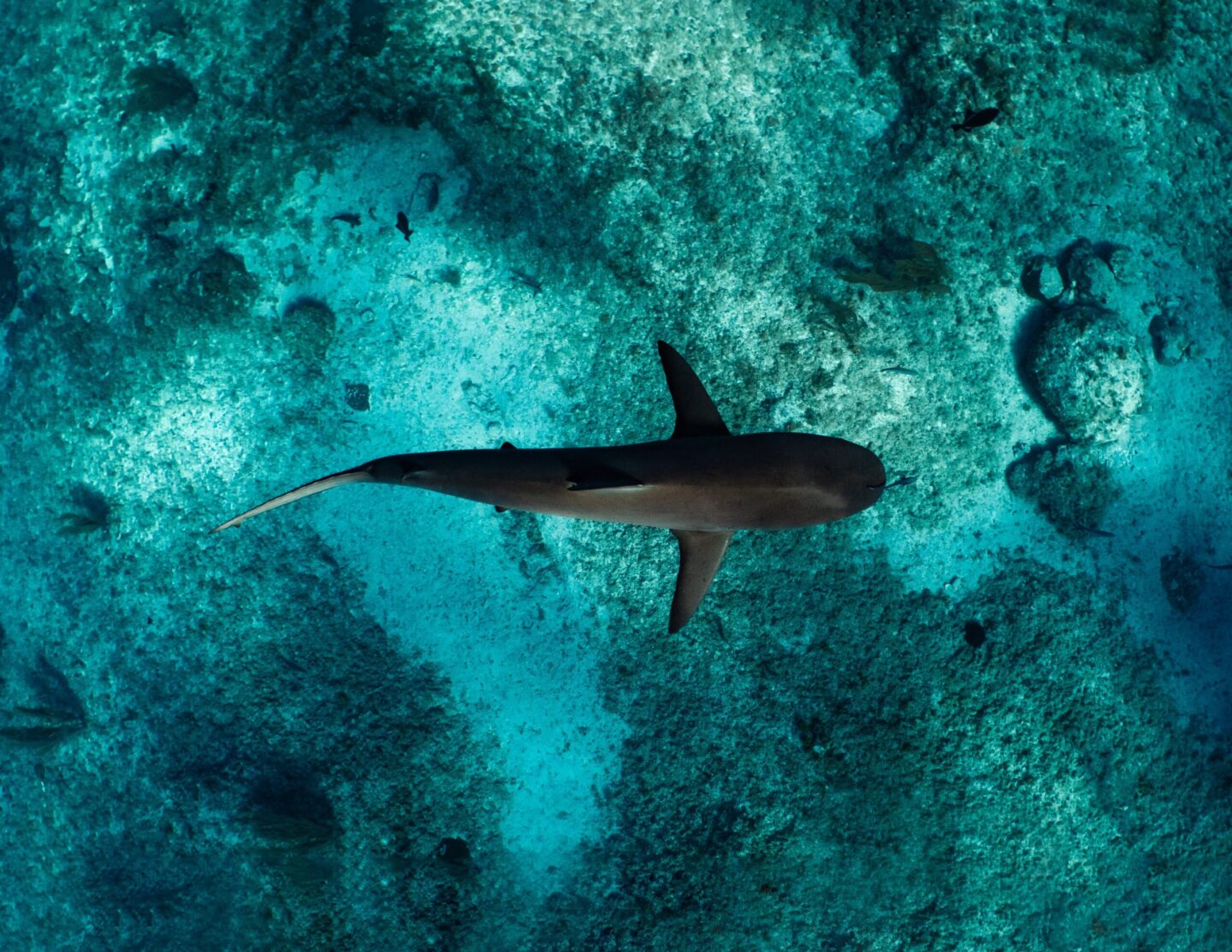
Respecting Marine Life
When underwater, awareness is everything. Divers need to be incredibly careful around animals and avoid any physical interaction. Do not chase, touch, or corner marine life, and never step on coral, which is both fragile and slow-growing. Observing from a distance ensures that ecosystems remain undisturbed for future divers to experience.

A New Wave of Divers
Looking globally, the appeal of scuba diving appears to be on the up. Scuba diving has long been associated with tropical getaways and seasoned adventurers, but it’s now finding new audiences in unexpected places.
In China, for example, younger generations are increasingly being encouraged to take up water sports, including scuba diving, as part of a broader cultural shift toward outdoor exploration and lifestyle experiences. It’s a notable change, and one that reflects the growing global appeal of the ocean as a space for both recreation and personal growth.
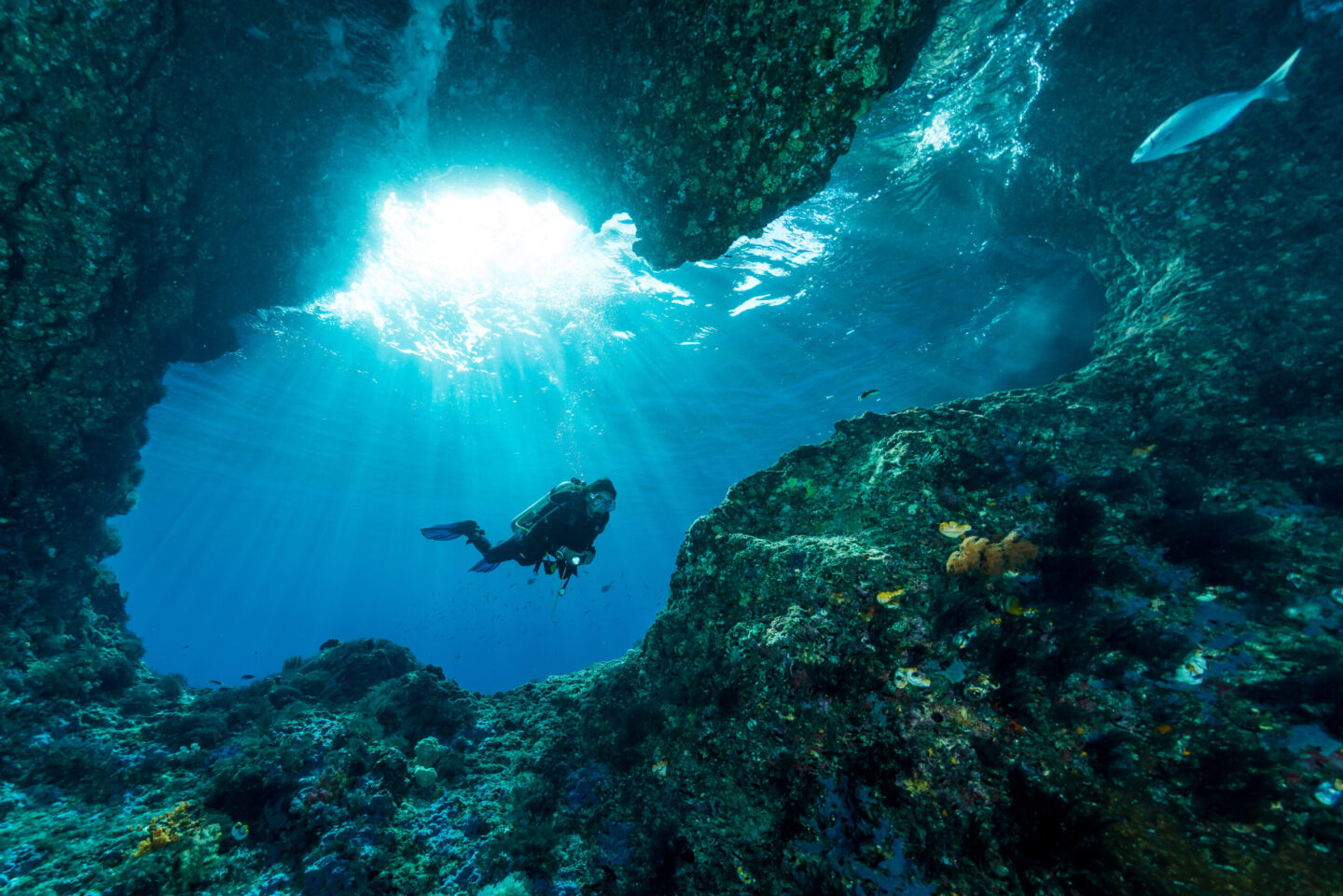
A Scuba Diving Yacht Charter: An Experience Like No Other
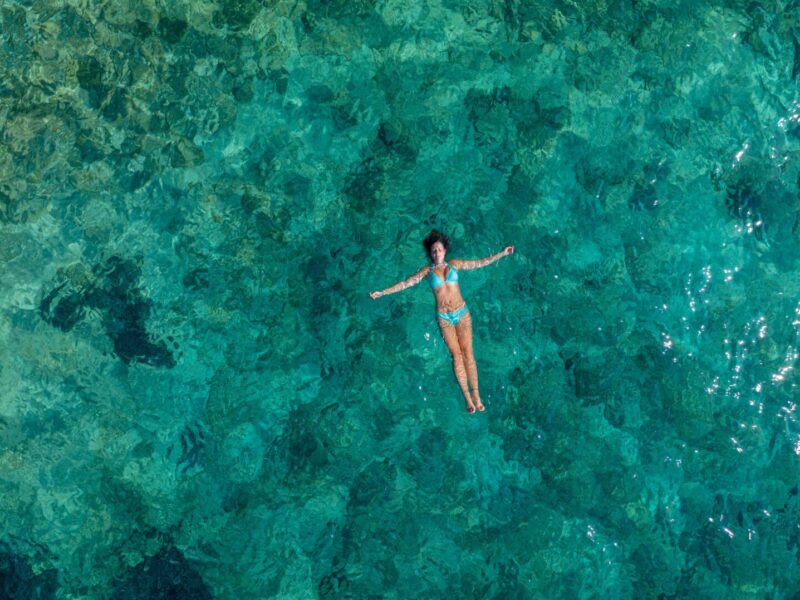
Learning to scuba dive in this way is not just about acquiring a new skill, but about entering a completely different world. Beneath the surface, everything slows down. Sounds soften, movements become deliberate, and you find yourself floating – almost like drifting through space.
A scuba diving yacht charter amplifies this experience, offering both the thrill of discovery and the serenity of being surrounded by open water. It’s an opportunity to step outside your comfort zone, challenge yourself, and connect with nature in a profound and lasting way.
TRENDING ARTICLES

FEATURED YACHT