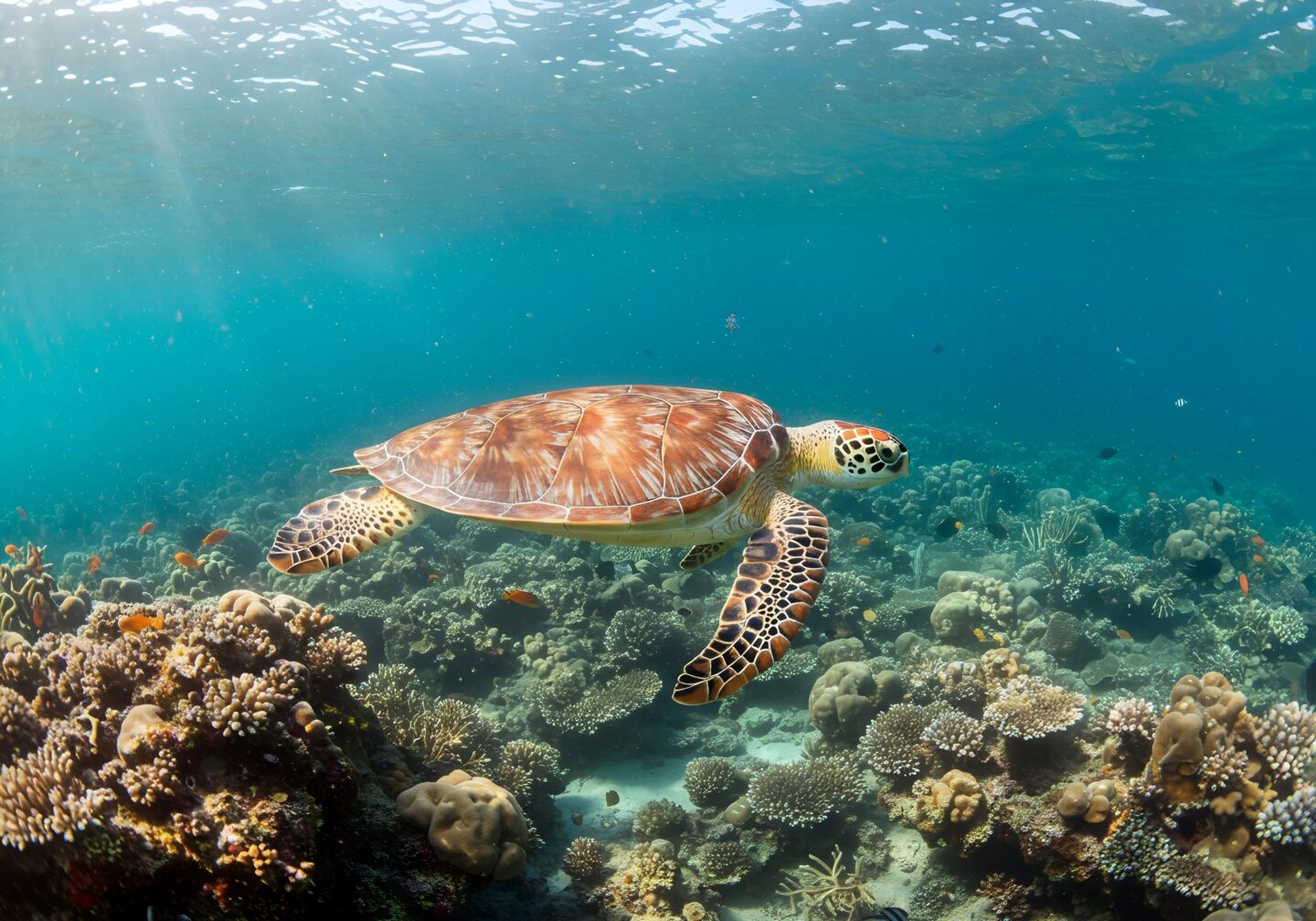
The ocean is under pressure, and it can be hard not to feel the weight of it. We hear stories about warming waters, plastic pollution, damaged reefs, and endangered marine life where those realities matter. But beyond the headlines, people are also finding new ways to protect, restore, study, and rethink our relationship with the sea.
This month’s positive ocean news brings together 10 stories from marine science, sustainable yachting, wildlife protection and maritime innovation.
1. AI is saving San Francisco Bay’s grey whales
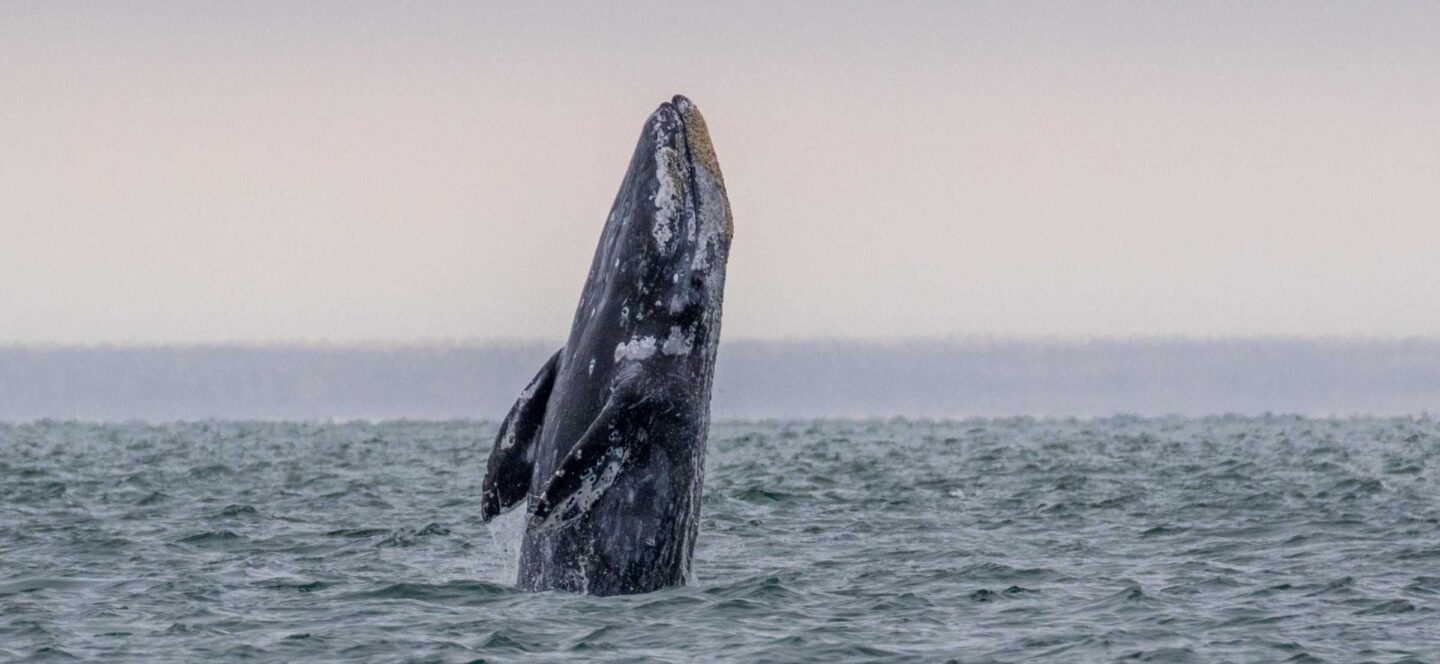
Researchers from Benioff Ocean Science Laboratory (BOSL) at UC Santa Barbara and regional partners launched WhaleSpotter, an AI-powered thermal camera system that detects whales and alerts sailors, enabling ships to slow down or avoid collisions. The technology uses thermal cameras to spot whale blows and heat signatures, then alerts those on board so they can slow down or change course.
In a bay with lots of commercial and recreational traffic, this system could help protect grey whales and other species passing through. Researchers are considering expanding it to more locations, such as ferries and important landmarks. This reminds us that good ocean stewardship often starts with timely, accurate information.
2. A win for sustainable yachting
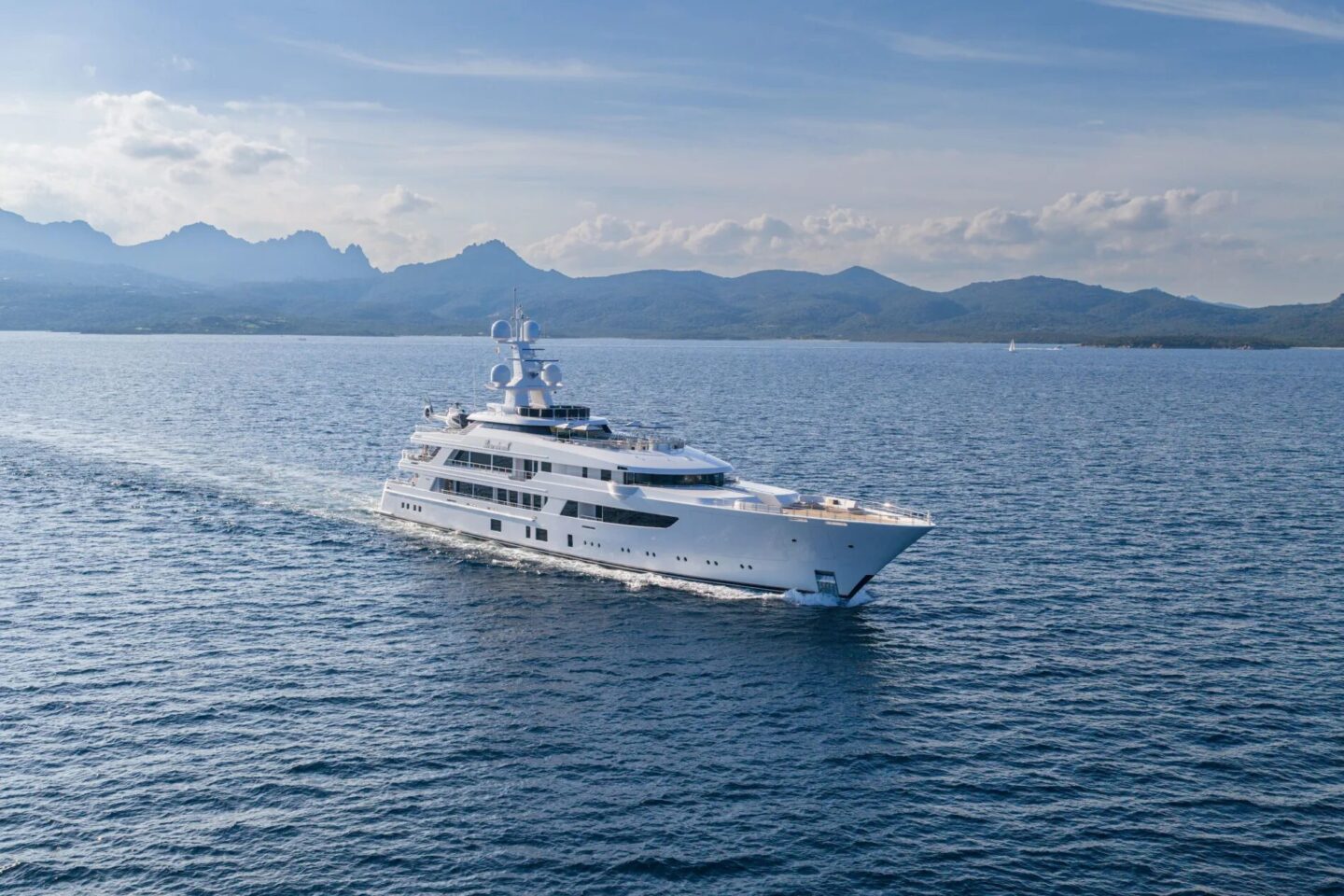
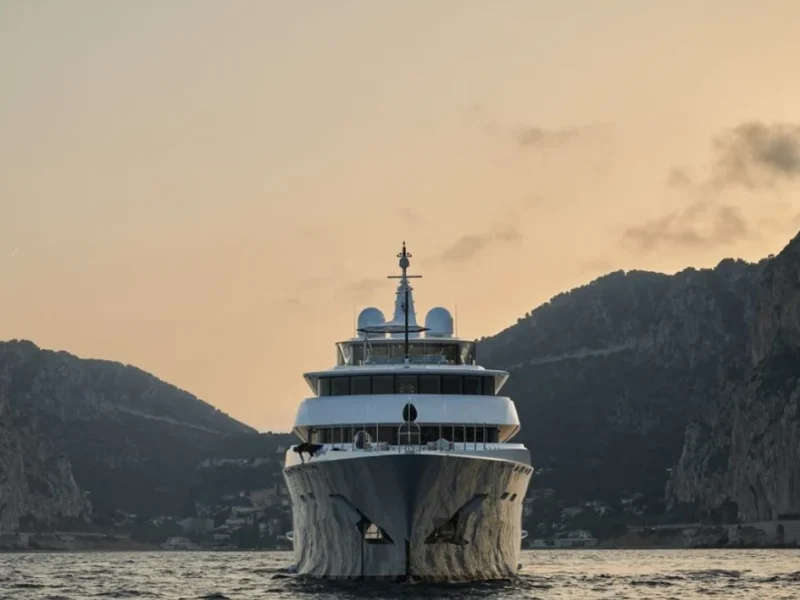
Feadship’s 118.8-metre M/Y Breakthrough won Motor Yacht of the Year at the 2026 World Superyacht Awards, putting hydrogen fuel-cell technology in the spotlight for luxury yachting. It’s described as the world’s first hydrogen fuel-cell superyacht, marking a big step for an industry that is paying more attention to cleaner operations and lower-impact design.
In luxury yachting, Breakthrough’s importance is shown in its innovation, which, at this level, influences the wider market, encouraging designers, shipyards, and owners to take alternative fuels and responsible cruising more seriously.
3. Over 1,000 new marine species have been discovered
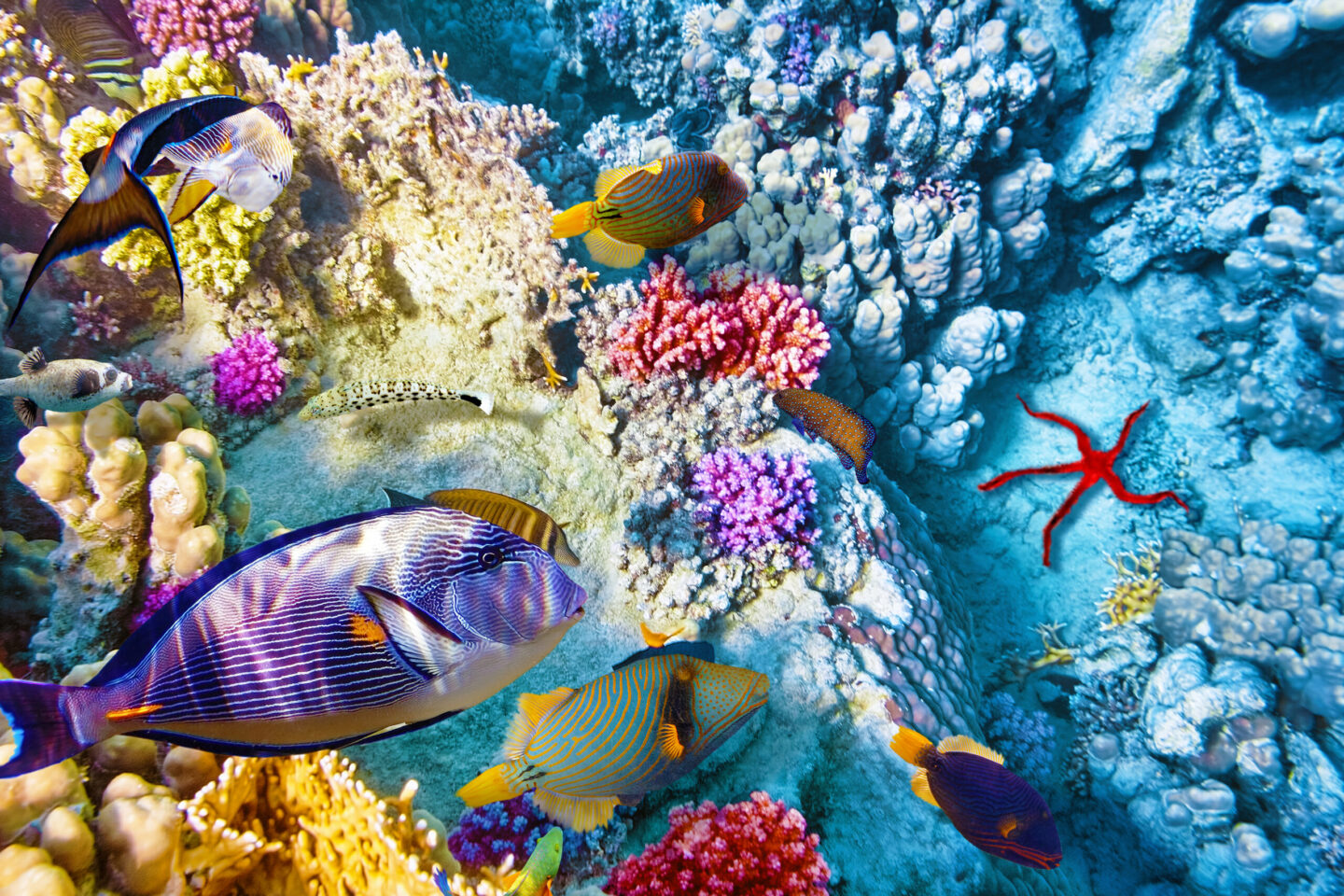
Ocean Census announced the discovery of 1,121 marine species in just one year, including ghost sharks, deep-sea corals, symbiotic worms, and other rarely seen ocean life. These findings came from the Nippon Foundation-Nekton Ocean Census, a major effort to speed up the discovery and documentation of marine biodiversity.
The collected data will help policymakers and marine managers about how marine ecosystems work, what they need to survive, and where protection is most needed.
4. Humpback whale sets longest-ever recorded journey between sightings
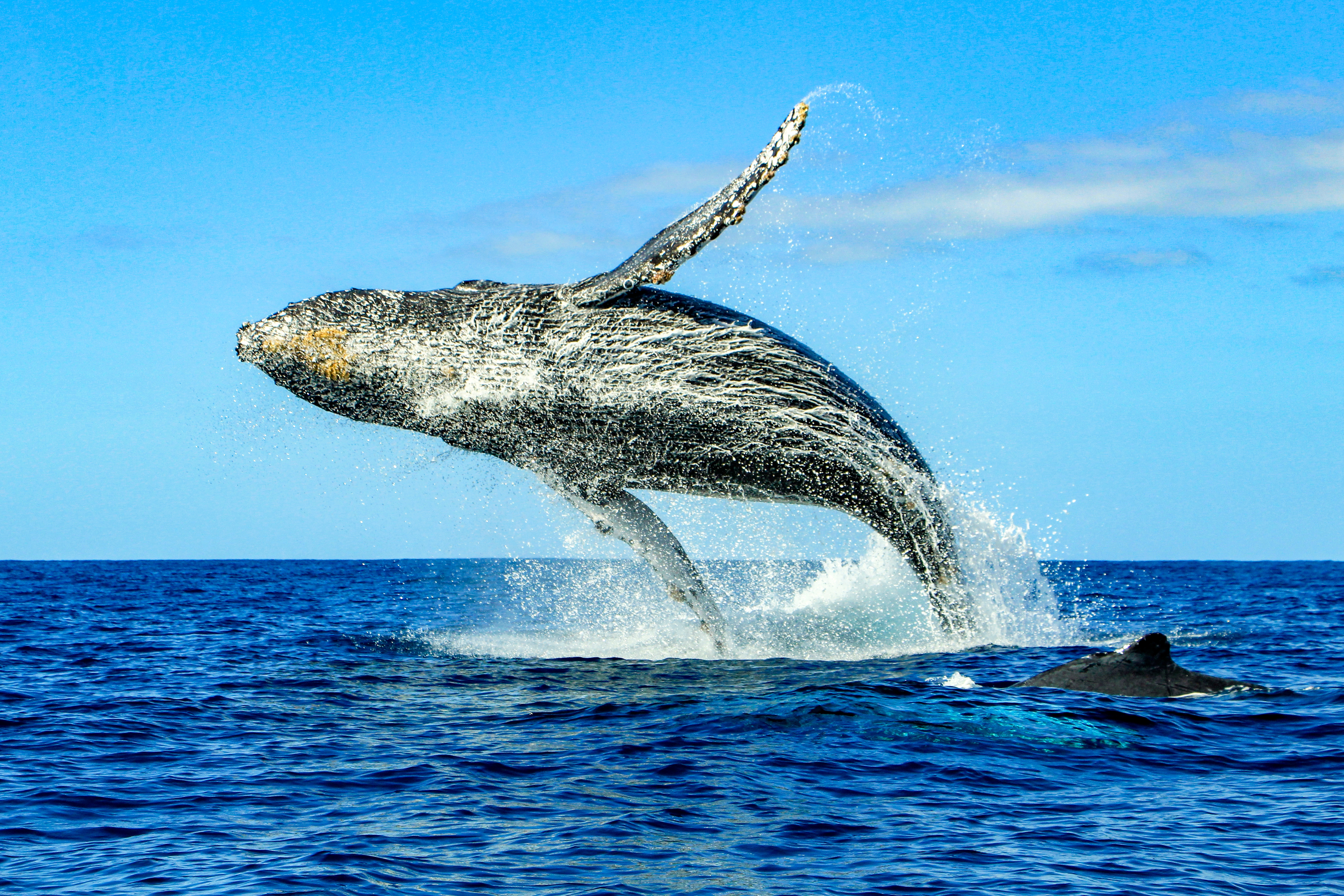
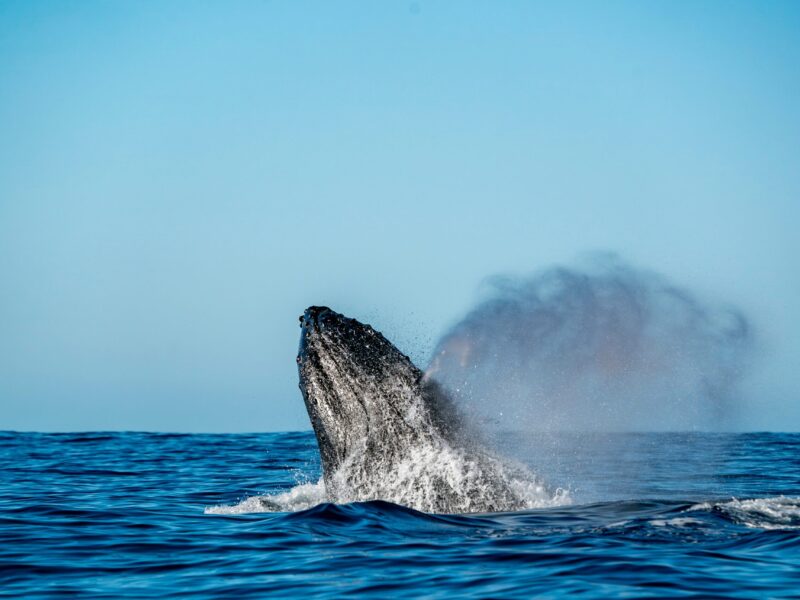
Researchers identified a humpback whale that travelled approximately 15,100 kilometres from Brazil to Australia, setting a record for the longest documented distance between sightings of an individual humpback whale. The whale was recognised through its unique fluke pattern, using photo-identification data gathered by researchers and citizen scientists over several decades.
This shows the importance of international cooperation, especially as climate change affects feeding grounds, breeding, and migration routes.
5. The Ocean Cleanup tackles plastic in LA rivers
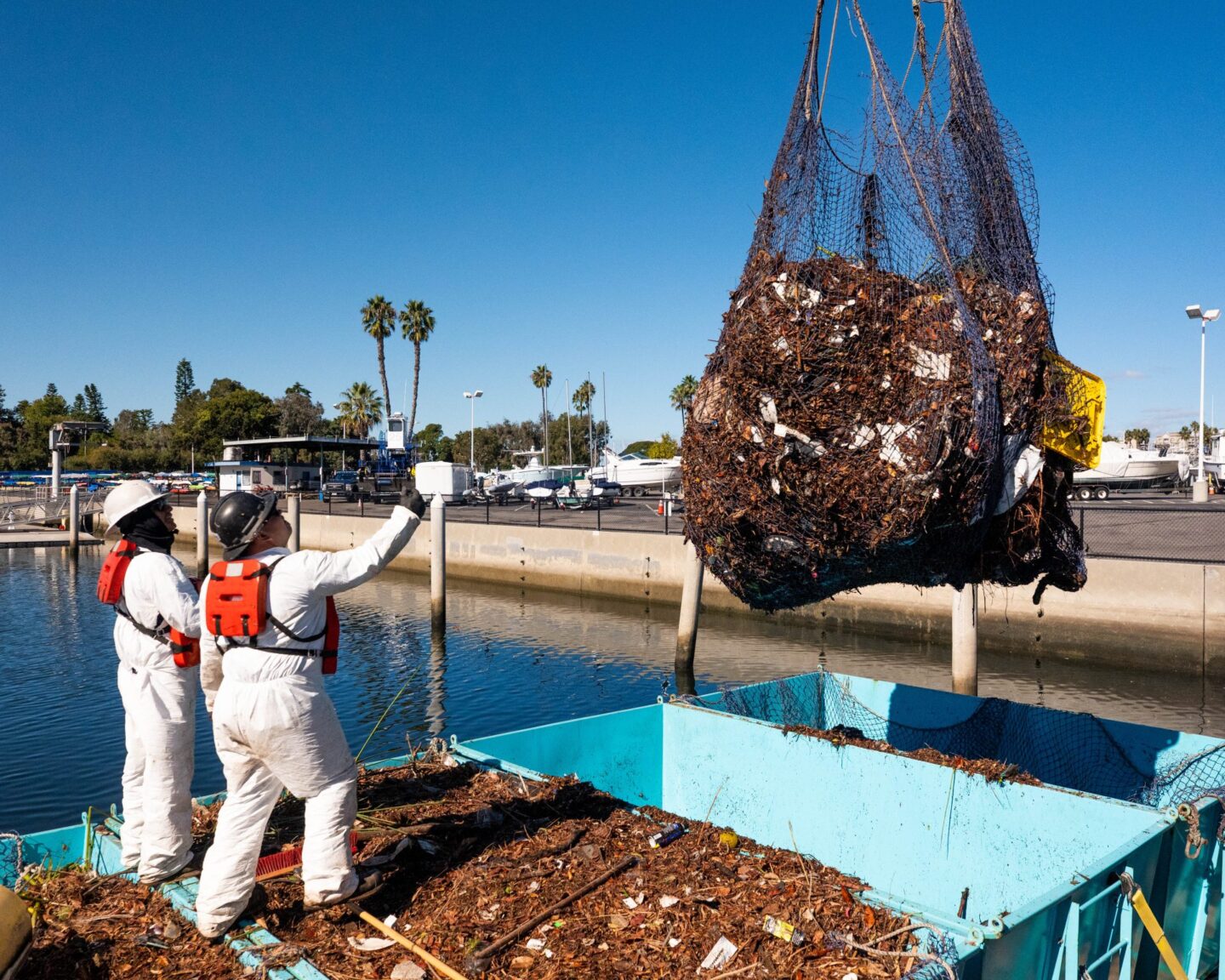
The Ocean Cleanup has announced new agreements to capture plastic in the Los Angeles and San Gabriel Rivers before it reaches the Pacific Ocean. The organisation carried out a scientific, data-led Smart Rivers Survey using drones, AI-enhanced remote-sensing cameras and GPS drifters to better understand how pollution moves through the city’s waterways.
By mapping pollution patterns first, The Ocean Cleanup can use targeted solutions instead of a one-size-fits-all approach. For coastal cities, this is a smarter way to prevent plastic from reaching the ocean.
6. Leaders in marine conservation honoured in Ocean Awards 2026
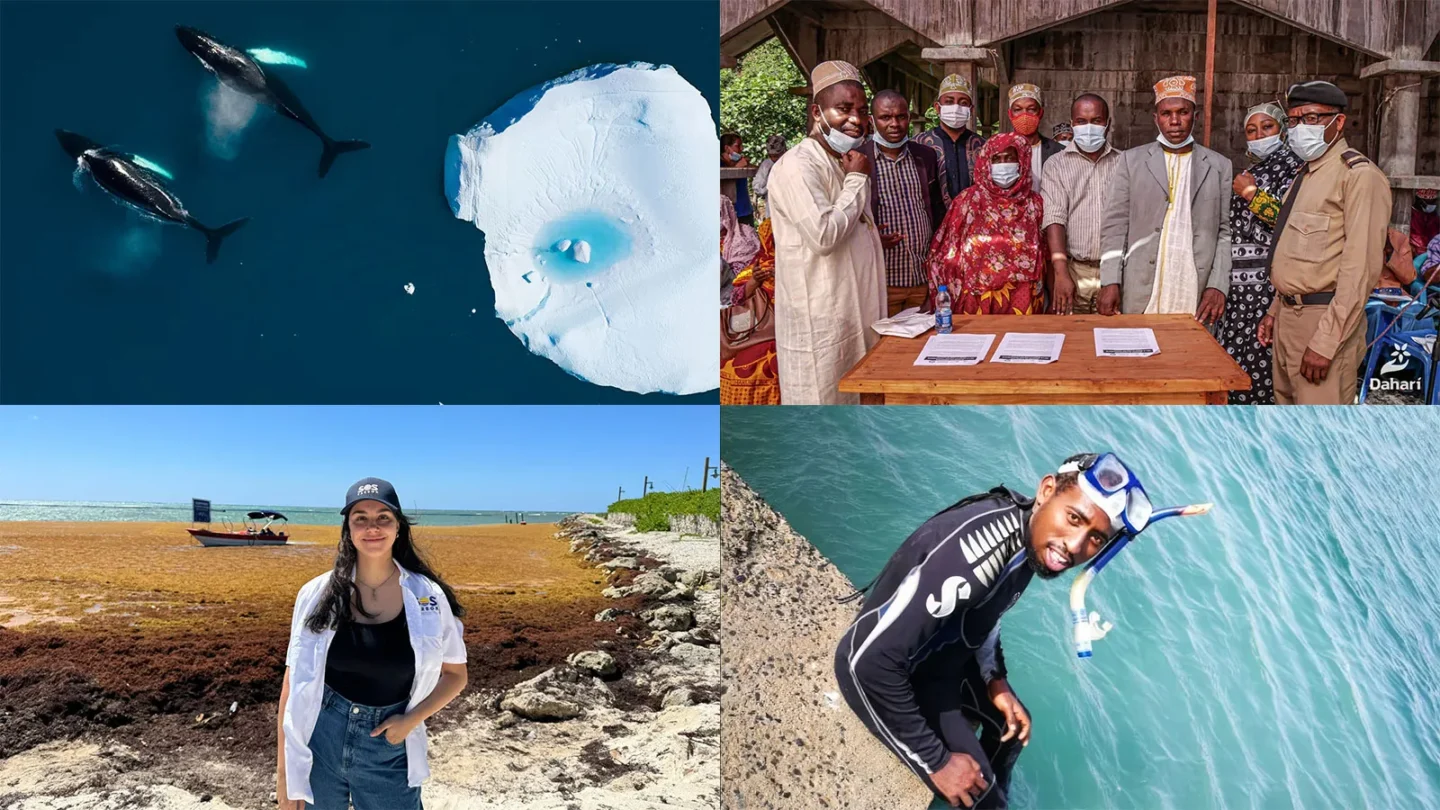
The 2026 Ocean Awards recognised individuals, organisations and projects working to restore and protect marine environments worldwide. This year’s entries included work on AI-powered whale protection, coral research, ocean education, and marine restoration, showing the breadth of people now contributing to ocean health.
7. Women in maritime driving industry change
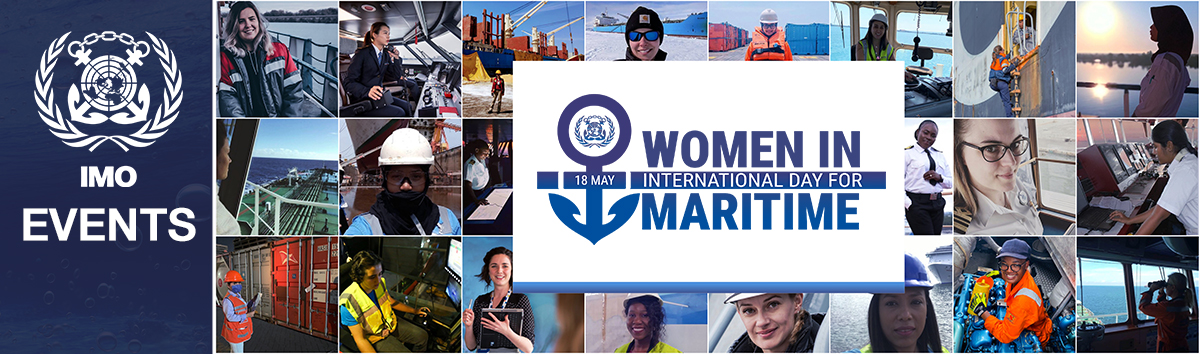
The International Maritime Organisation (IMO) marked International Day for Women in Maritime on 18th May with the 2026 theme, “From Policy to Practice: Advancing Gender Equality for Maritime Excellence.” The focus this year was on turning commitments into real action across the maritime industry, from seafaring roles to shore-side leadership.
This is a significant advancement for the maritime industry, long known for its male-dominated nature and focus on movement, trade, and exploration. As the industry adapts, expanding leadership to include more women represents the kind of progress needed for continued growth.
8. A new sea turtle rehab centre to open in Galveston
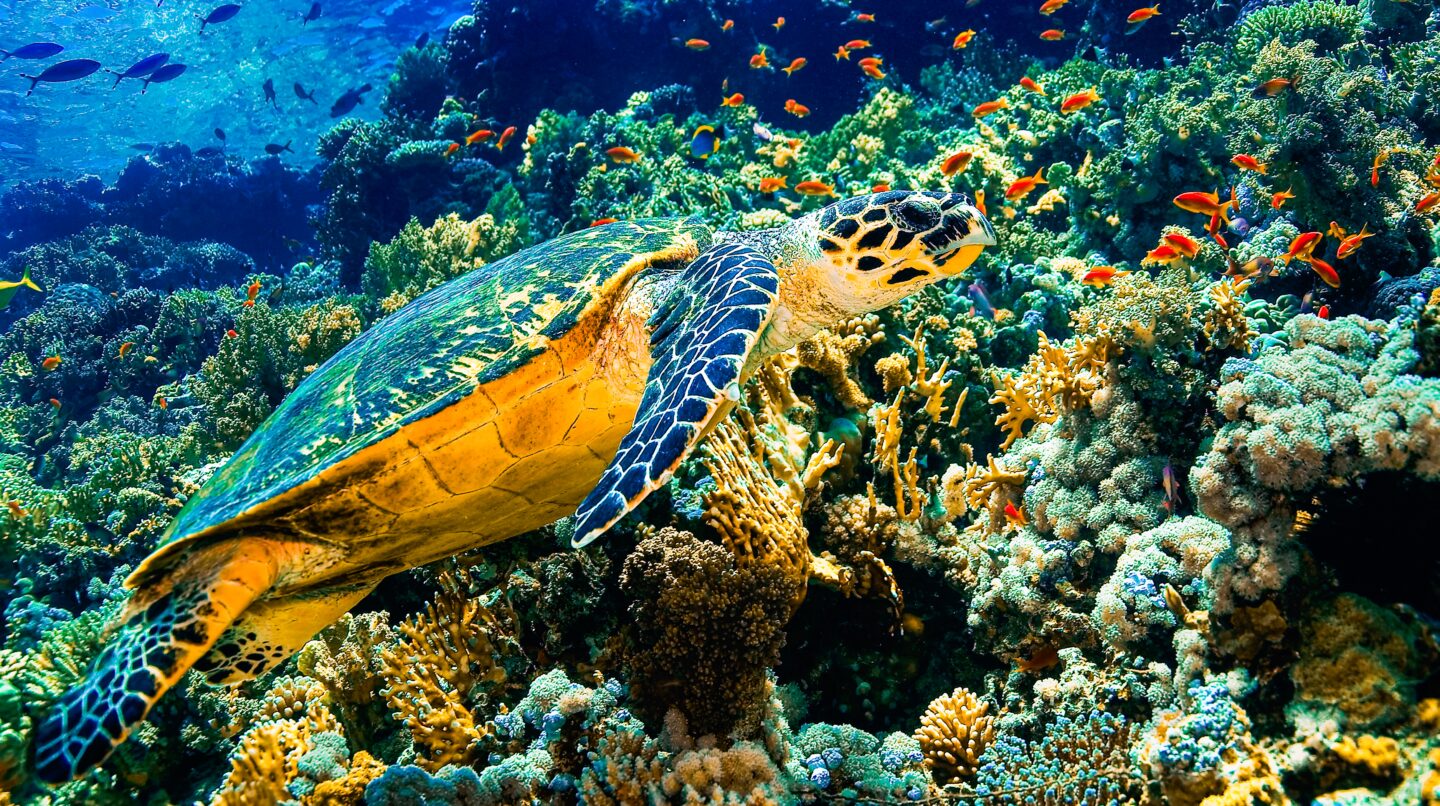
Galveston will start building a new sea turtle rehabilitation hospital and educational outreach centre in November 2026. Led by the Gulf Centre for Sea Turtle Research at Texas A&M University at Galveston, the 16,000-square-foot facility will provide veterinary care, turtle rehabilitation, research, and public education.
The centre will improve rescue efforts for stranded turtles, including the critically endangered Kemp’s ridley sea turtle. It also brings conservation closer to the public by combining both treatment and education in one place. Protecting marine life is not just about rescue; it’s also about helping more people understand what’s at stake.
9. The Coral Lab has brought reef science to the public
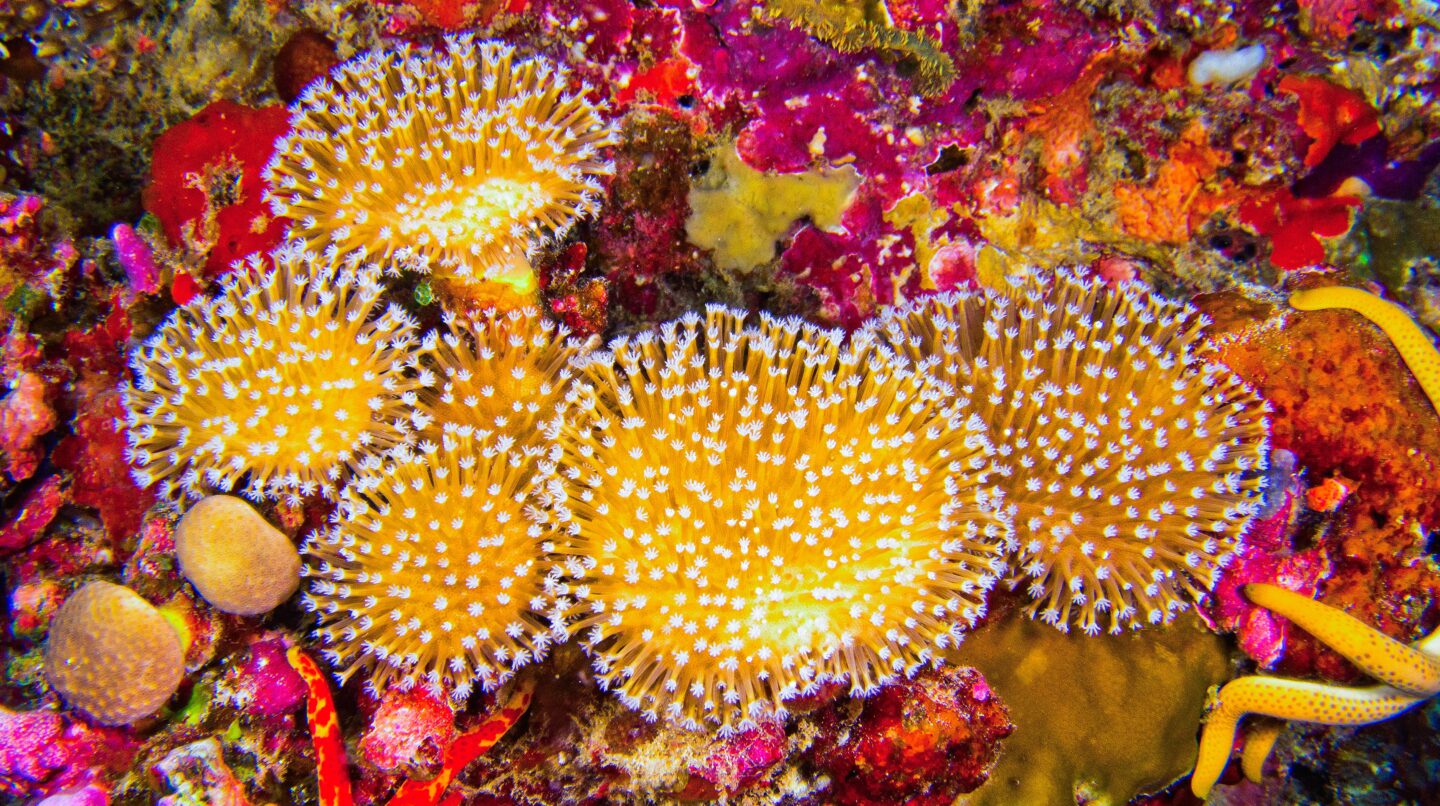
Mystic Aquarium in Connecticut has opened the Kishfy Coral Lab, a live coral exhibit that teaches visitors about coral reefs and conservation. The lab has viewing areas where guests can watch scientists work with coral spawning and fragmentation, making reef science visible and easy to understand.
Public-facing laboratories make reef science more approachable, especially for visitors who may have never seen a reef in person. They also provide a valuable bridge between research, education and long-term ocean care.
10. Hope for the recovery of endangered species
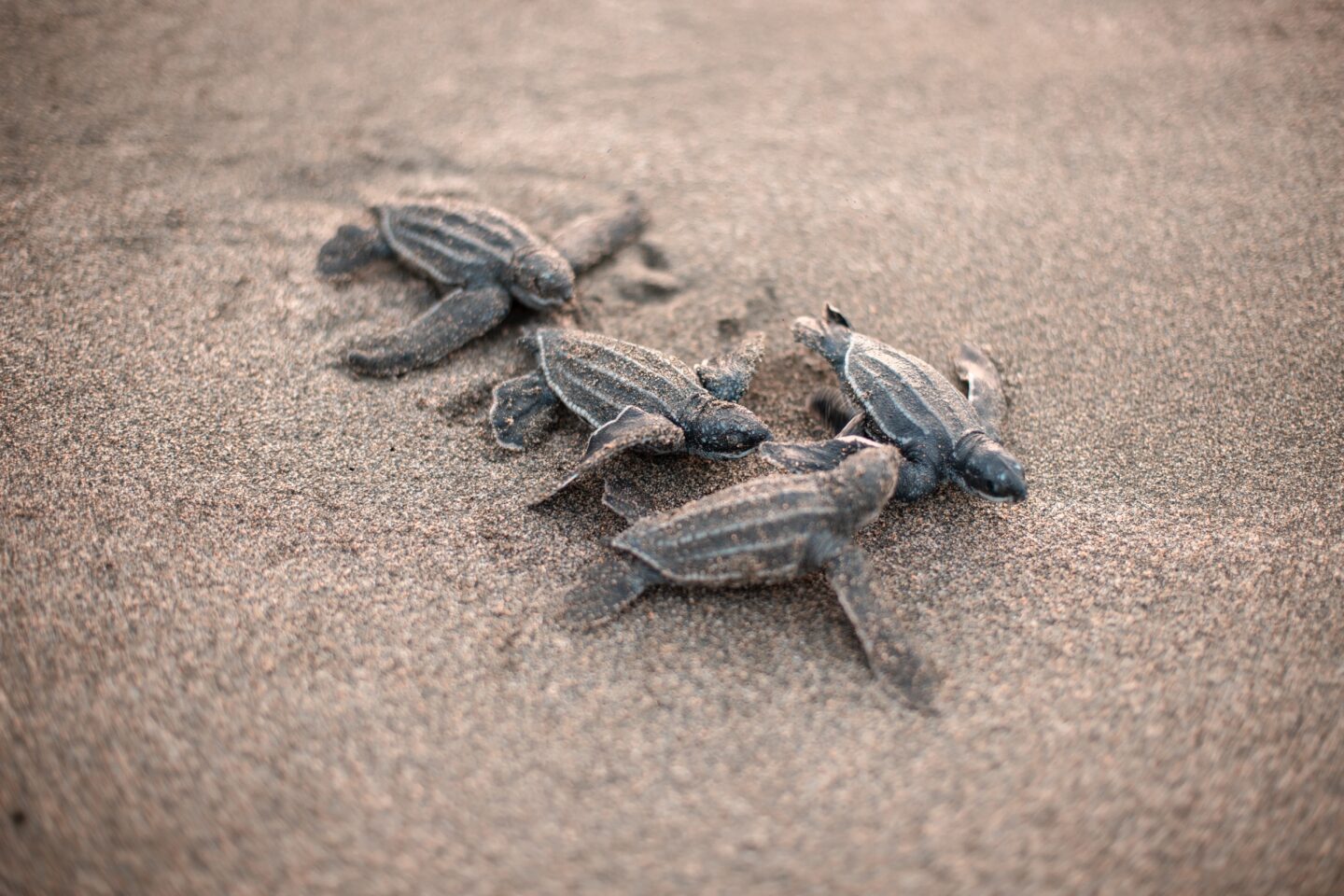
NOAA Fisheries marked Endangered Species Day 2026 by highlighting conservation successes and progress in endangered species recovery. These stories show that sustained protection, habitat restoration, scientific monitoring and long-term policy can produce measurable results for vulnerable wildlife. Moreover, when conservation receives sufficient funding and steady management, species can recover, and ecosystems can begin to heal.
Ocean conservation as a priority
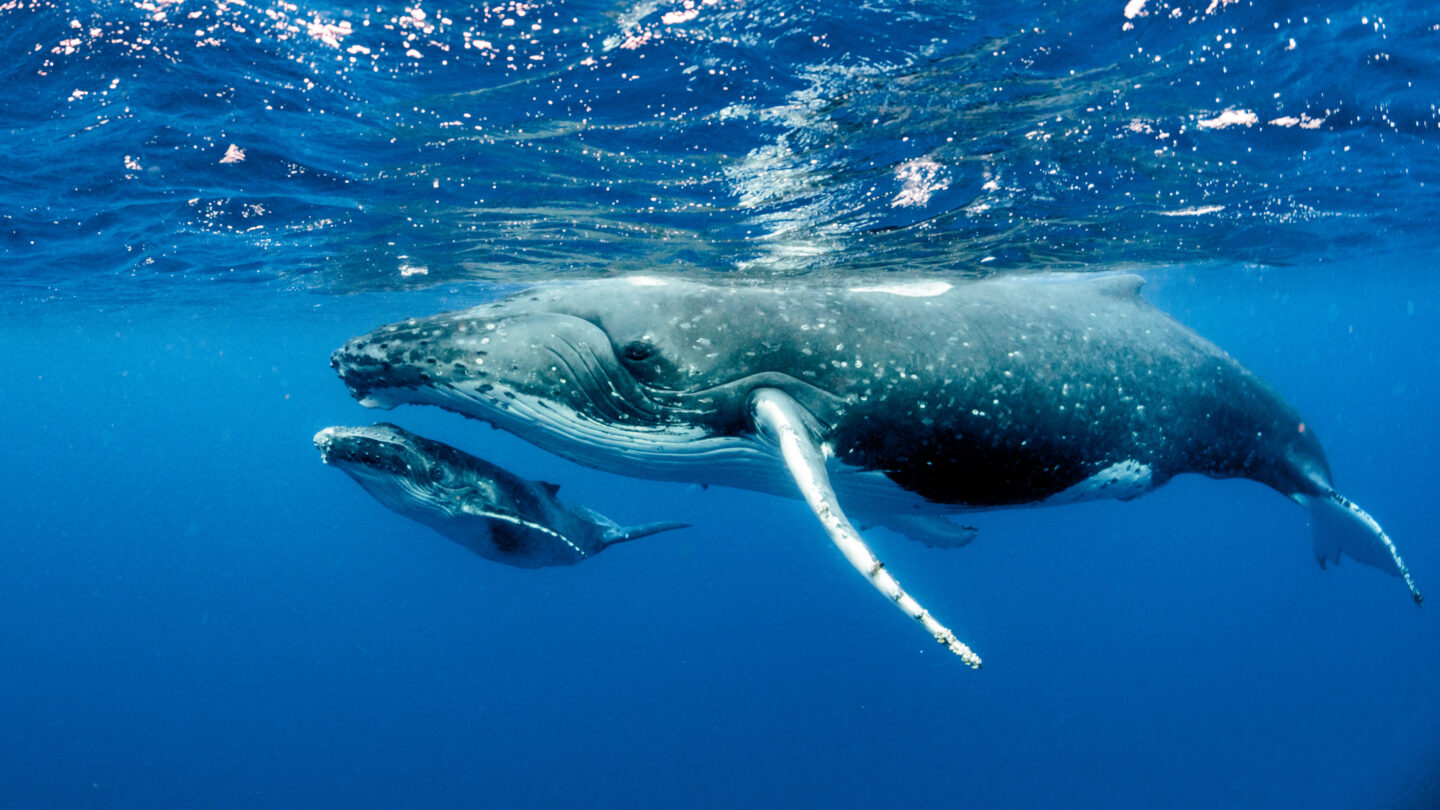
The ocean still faces urgent challenges; however, these stories show that real progress is happening across the world. Scientists are finding new species, conservationists are protecting marine life, cities are working on smarter ways to fight pollution, and the yachting industry is starting to take cleaner innovation seriously.
These 10 ocean wins help us see where solutions are already working and where more attention, investment, and care could make a real difference, one maritime initiative (or progress) at a time.
TRENDING ARTICLES



FEATURED YACHT