The Ocean Awards 2026 brought together scientists, oceanic culture innovators, campaigners and local conservation leaders working across some of the most pressing challenges facing marine life and its environment today.
Now established as one of the most internationally recognised programmes focused on marine conservation, the Ocean Awards initiative was created to spotlight individuals and organisations working to protect ocean ecosystems through research, advocacy, and innovation.
What the Ocean Awards Represent
The awards are supported by Nekton, a UK-based marine research institute known for deep-ocean exploration and policy collaboration. The programme now serves as a platform reflecting the global, interdisciplinary nature of ocean conservation.
The range of work recognised this year also signals a wider shift in how ocean conservation is being approached. Scientific research, of course, remains central, but technology, public engagement, and community-led stewardship are playing vital roles this time, especially in how protection efforts are developed and sustained.
Key Winners of the Ocean Awards 2026
Innovation
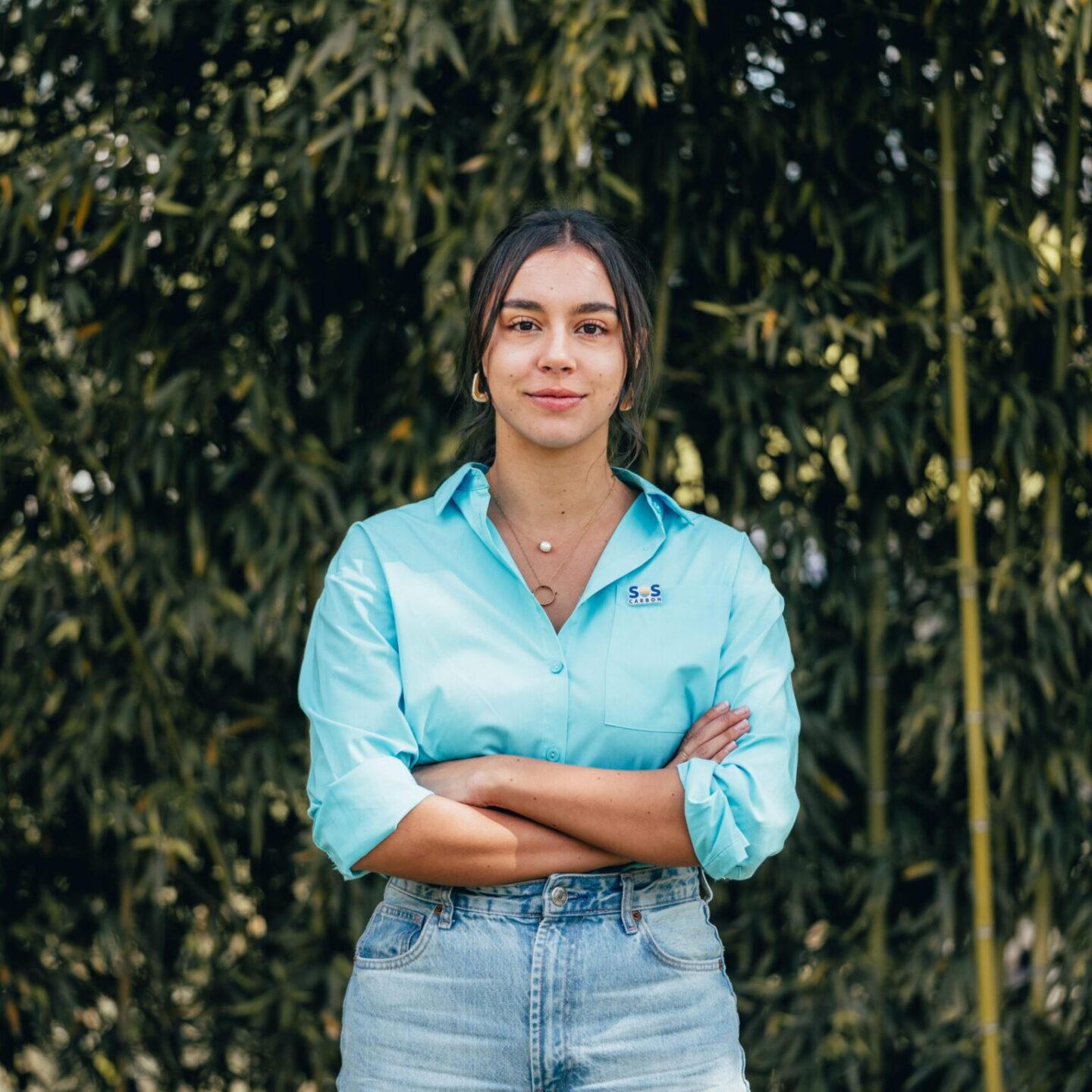
Elena Martínez Martínez is helping Caribbean communities address sargassum (a type of brown seaweed or algae) by turning it into useful products. Through SOS Biotech, her patented collection system allows local fishers to harvest sargassum before it damages reefs, seagrass and coastal economies. The seaweed is then transformed into biostimulants and bioplastics, creating jobs while reducing waste. It is a smart circular economy model that protects the ocean while supporting local livelihoods.
Whale Seeker uses artificial intelligence (AI) to help ships avoid whales and reduce the risk of vessel strikes. Co-founded by ecologist Emily Charry Tissier, software developer Antoine Gagné-Turcotte and biologist Bertrand Charry, Whale Seeker’s technology analyses drone, aircraft and satellite imagery to detect marine mammals and guide safer navigation decisions. Whales play a vital role in ocean ecosystems and carbon storage. By giving maritime operators better data, Whale Seeker is helping shipping and marine life coexist more safely.
Science impact
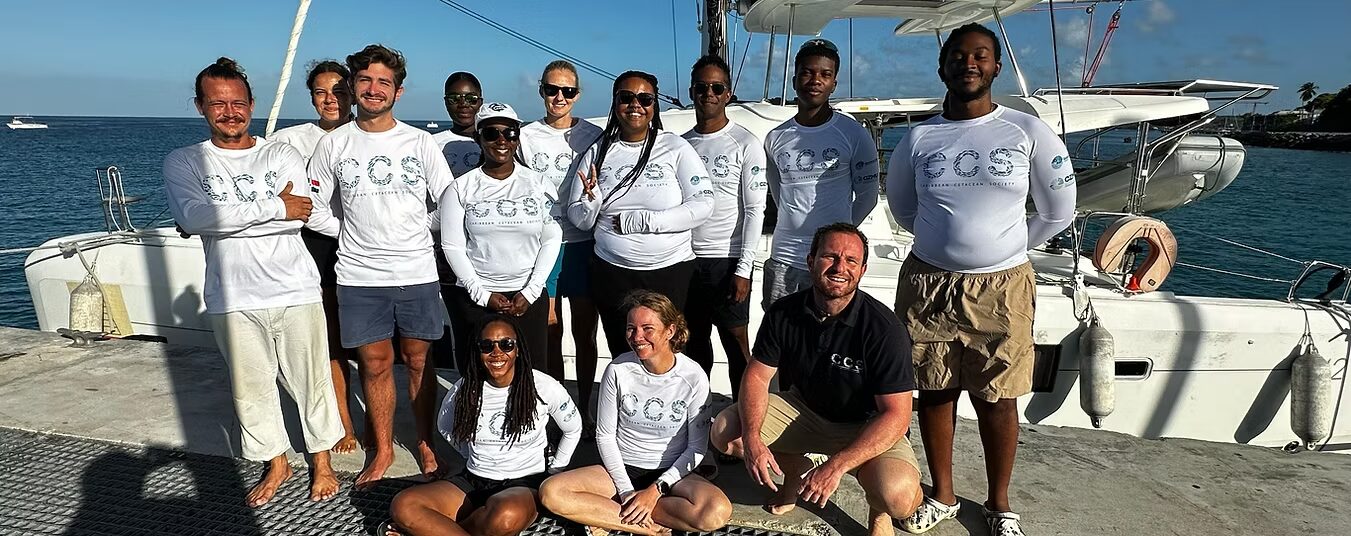
Jeffrey Bernus and the Caribbean Cetacean Society are protecting whales, dolphins and porpoises across more than 25 Caribbean territories. Their work combines scientific research, public education and policy support, helping governments create marine protected areas and stronger cetacean regulations. This initiative is pioneering work in protecting these species as they move across borders. His work shows how science can directly shape better ocean stewardship.
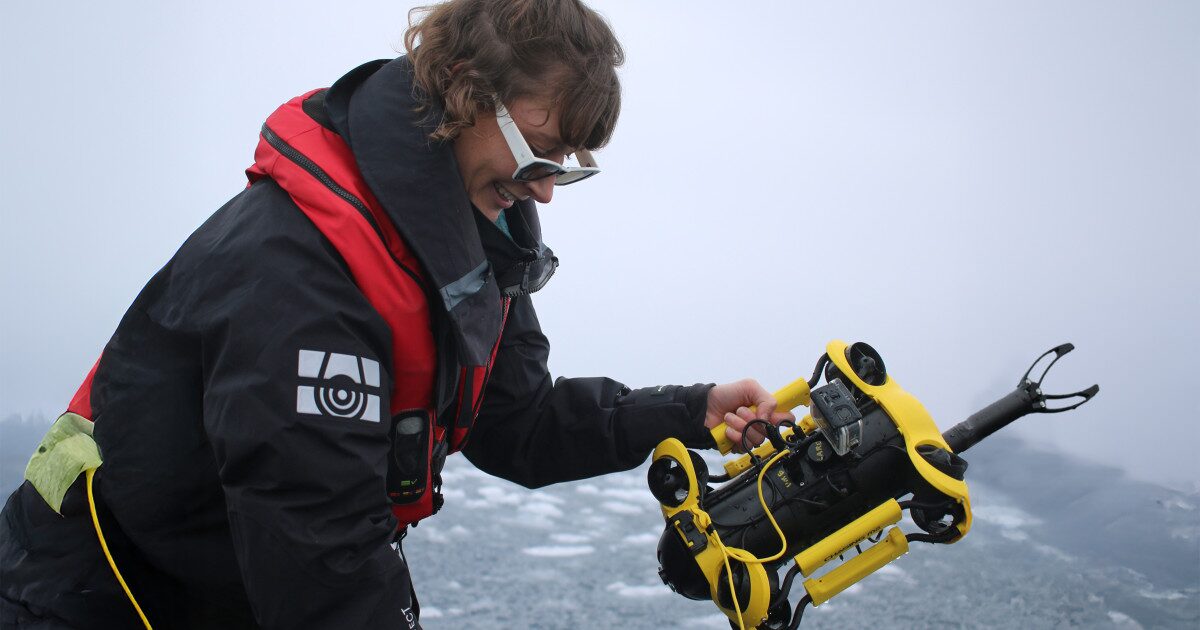
Dr Paige Maroni’s Polar BLAST initiative is bringing deep-sea research to some of the planet’s least studied polar waters. In partnership with Yachts for Science, the project will deploy a deep-sea lander and remotely operated vehicle in the Canadian Arctic, the Northwest Passage and Greenland. This research matters because polar ecosystems are changing quickly, yet remain poorly understood. The data gathered could help guide future protection for fragile Arctic marine environments.
Community impact

Malezi Mema, a group of fishers from Comoros, has created the country’s first permanent no-take fishing zone. The initiative has already helped restore fish populations and inspired nearby villages to establish their own protected areas. Its strength lies in local ownership: fishers are not just following conservation rules, they are leading the stewardship of the reefs they rely on. This model links ocean protection with food security, livelihoods and community resilience.
Ocean literacy
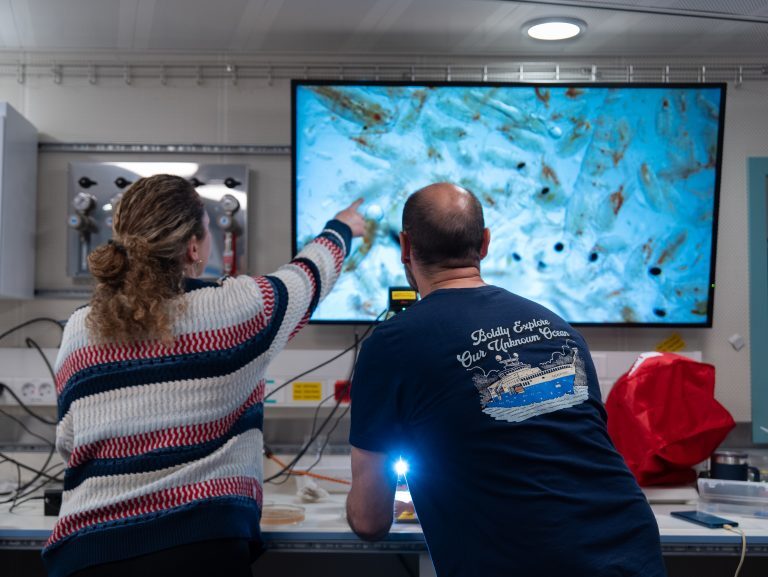
Schmidt Ocean Institute’s expedition into Argentina’s Mar del Plata Submarine Canyon brought deep-sea science to millions. Its livestreams revealed more than 40 never-before-recorded species and captured public attention across Argentina, from classrooms to homes and public spaces. The project also highlighted plastic pollution in the deep ocean and sparked broader discussion about science funding and ecosystem protection. It showed how storytelling and access can make ocean science feel immediate, visible and relevant.
What This Tells Us About Ocean Conservation Today
The winners of the Ocean Awards 2026 have showcased a more integrated model of ocean conservation.
Technology is redefining the future of ocean stewardship. Through AI-powered monitoring, satellite intelligence, and predictive data systems, we are learning to read the sea with unprecedented precision. Across research institutions, governments, coastal communities, and private organisations, a new standard of collaboration is emerging through global innovation. The result is conservation designed for the next generation: intelligent, scalable, and deeply attuned to the waters it serves.
Ocean Awards 2026 does more than celebrate achievement. They capture emerging trends in marine conservation and spotlight effective strategies driving sector progress. It has become a platform for more collaborative, more informed and more connected communities (and industries) operating alongside ocean life.
TRENDING ARTICLES



FEATURED YACHT