If you want to see the worst of the world, watch the news. If you want to see the best of it, travel. A bit simplistic, perhaps. But it holds more truth than many of us know.
Scrolling without really thinking, taking in headline after headline, each one heavier than the last. It creates a version of the world that feels dark and overwhelming, like everything is going wrong all at once. But that’s never the full picture.
Positive news stories just don’t travel in the same way, and maybe that’s the problem. Because positive news matters just as much – arguably more. It shows us what’s possible, and where things are moving forward.
Here are 10 positive environmental news and ocean conservation success stories that bring a smile to our faces.
1. Recognition of our environmental champions
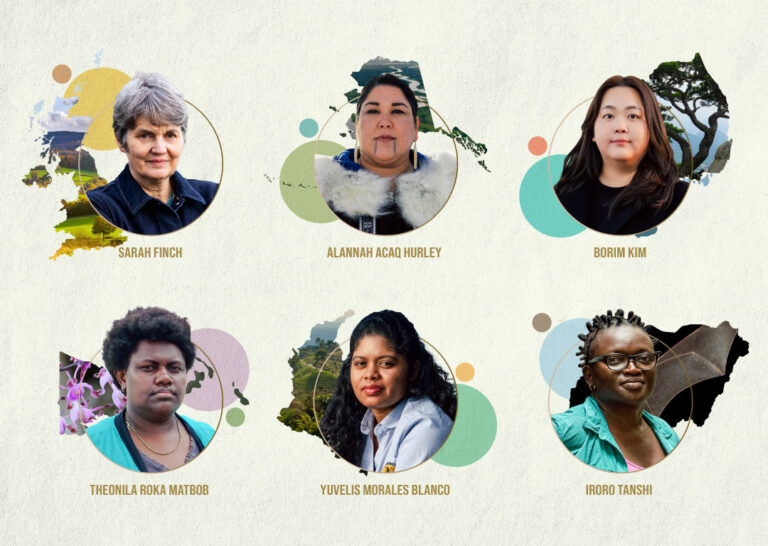
Two days before World Earth Day, six environmental activists were awarded the Green Nobel Prize. Progress and environmental change are normally a quiet fire held by a few unrecognised and underappreciated champions.
Their collective achievements across six different countries helped save vulnerable animals, mitigate the pollution of rivers and streams, and protect coastal and wetland areas. All vital for the harmonious rhythm of our planet.
2. Slowing down to protect whales
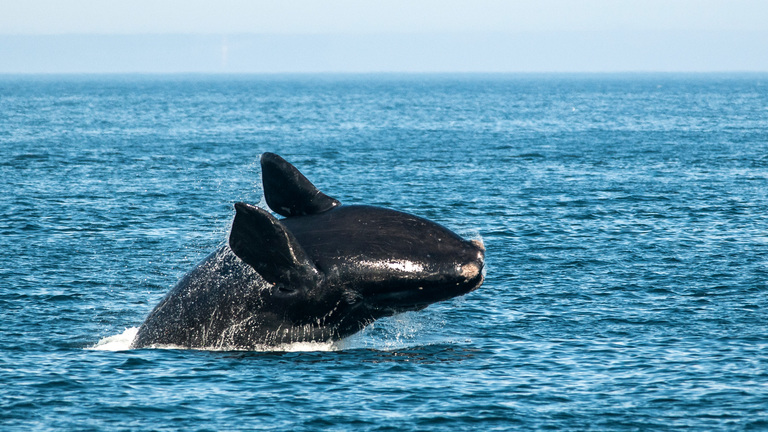
In some of the world’s busiest shipping corridors, vessels are now being required or strongly encouraged to reduce their speed to protect whale populations. Ship strikes remain one of the leading causes of death for large whales, particularly species like the North Atlantic right whale, which spend much of their time near the surface
Slowing vessels to around 10 knots has been shown to significantly reduce the risk of fatal collisions, with studies suggesting the likelihood of death can drop by up to 80–90% at lower speeds. Programmes along the US coastline and parts of the Mediterranean are already seeing results, with fewer strikes reported where slow zones are followed or enforced.
3. Clean Energy outpacing global demand
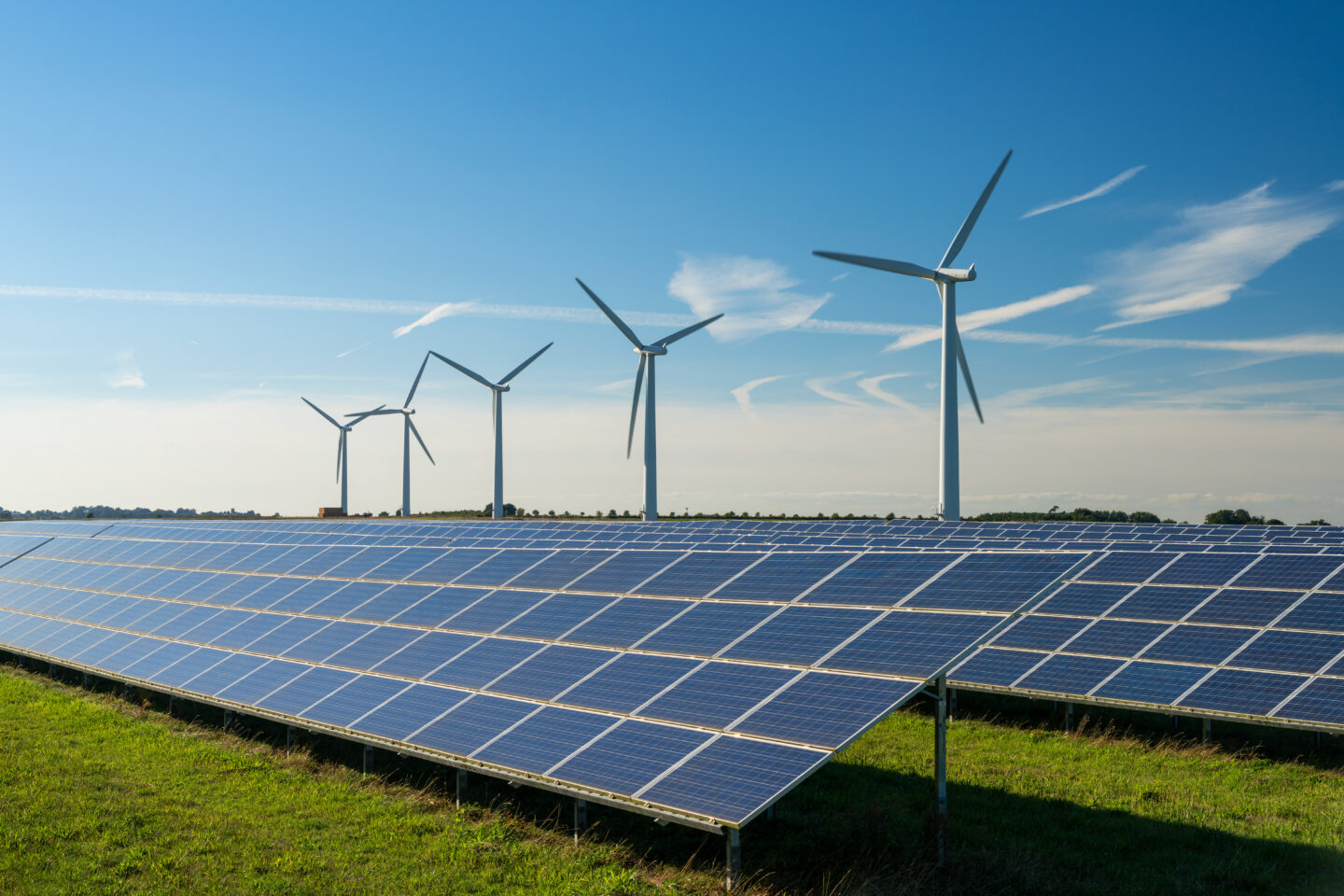
April is proving to be a good month for clean energy, as reports based on 2025 data from 91 countries show that, for the first time ever, clean energy exceeded total energy demand.
According to Ember’s “Solar Surge Halts Fossil Electricity Growth Worldwide in 2025“, the global electricity demand (+849 TWh) was fully met by clean power (+887 TWh). Notably, 30% of that growth came from solar energy alone, meaning fossil fuel generation did not increase.
4. Turtles for regenerative tourism

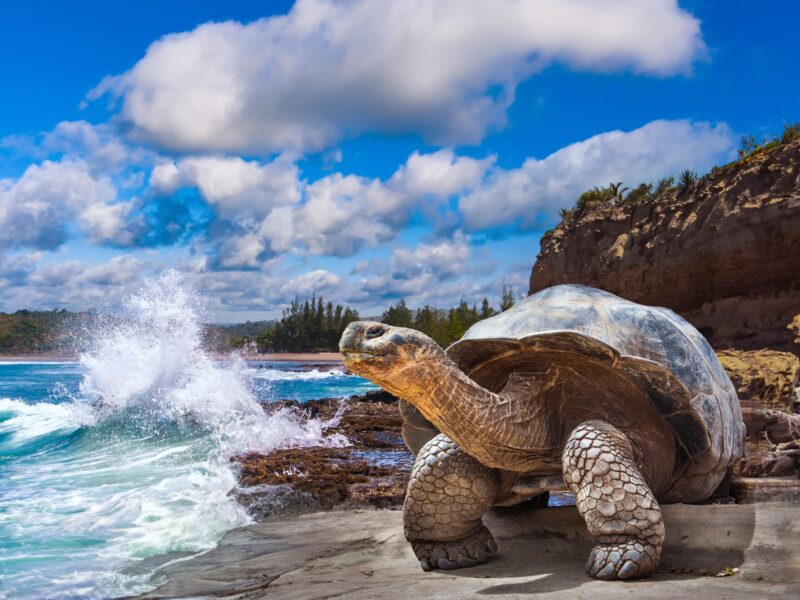
Red Sea Global continues to set the standard for regenerative tourism in Saudi Arabia by giving sustainable travel a relatable face through its new turtle mascot, Amal.
Amal is not just any turtle, but a real hawksbill sea turtle rescued in 2021 with floating syndrome, normally caused by eating plastics or sustaining harm from boat strikes. His name means “hope” in Arabic, reflecting the initiative’s mission: to raise awareness and inspire people to protect the ocean and its marine life.
5. 10% of the ocean is now protected
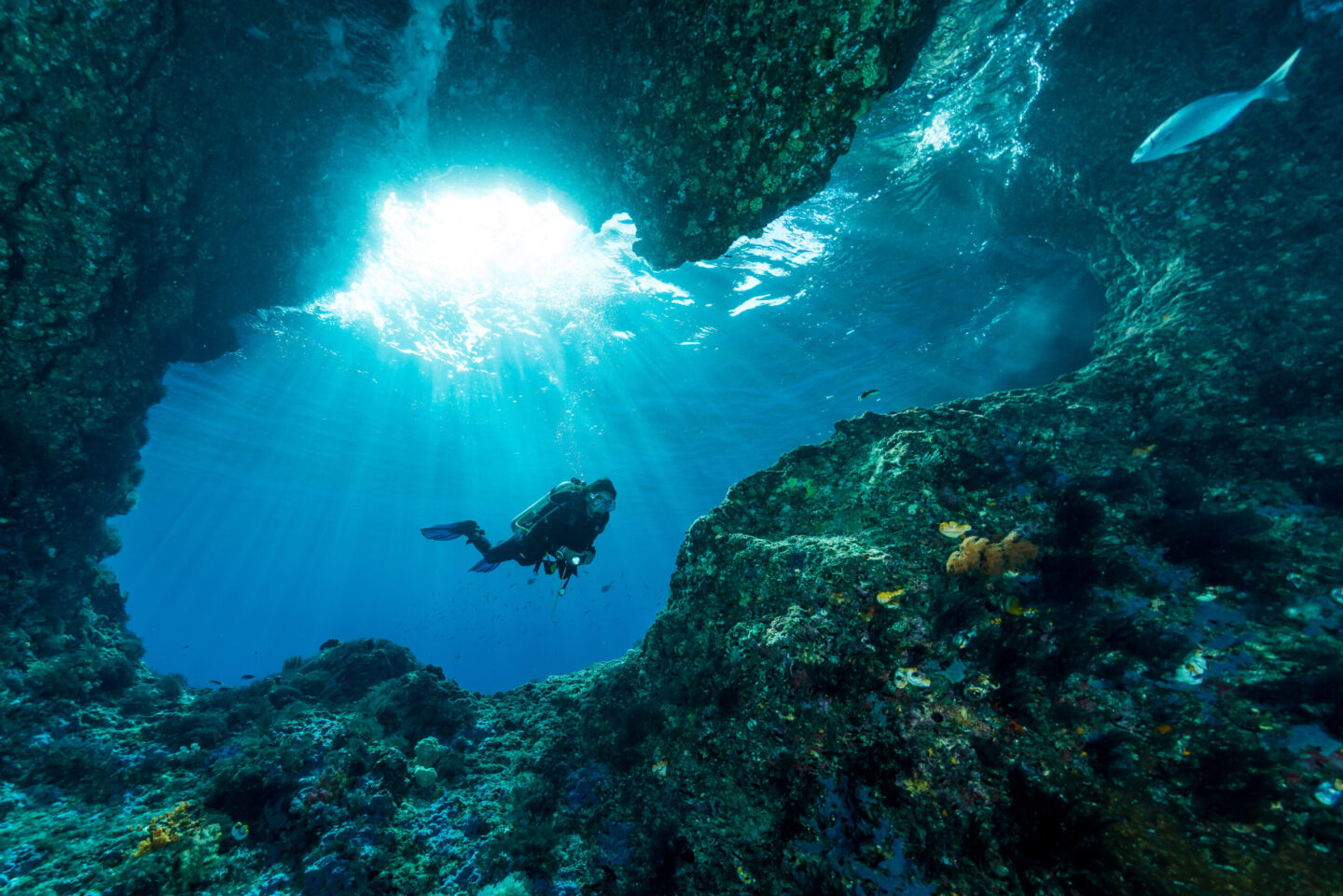
A cause for celebration, as we have finally reached a global milestone where 10% of our oceans are officially designated as protected areas. This effort, known as Target 3, is part of the Kunming-Montreal Global Biodiversity Framework adopted during the Conference of the Parties to the Convention on Biodiversity (CBD) in 2022. Its goal is ambitious: to protect 30% of the ocean by 2030.
While there is still much of the ocean to cover and the progress has been slow, it still signals a positive shift in our ocean crisis.
6. A Mediterranean seagrass comeback
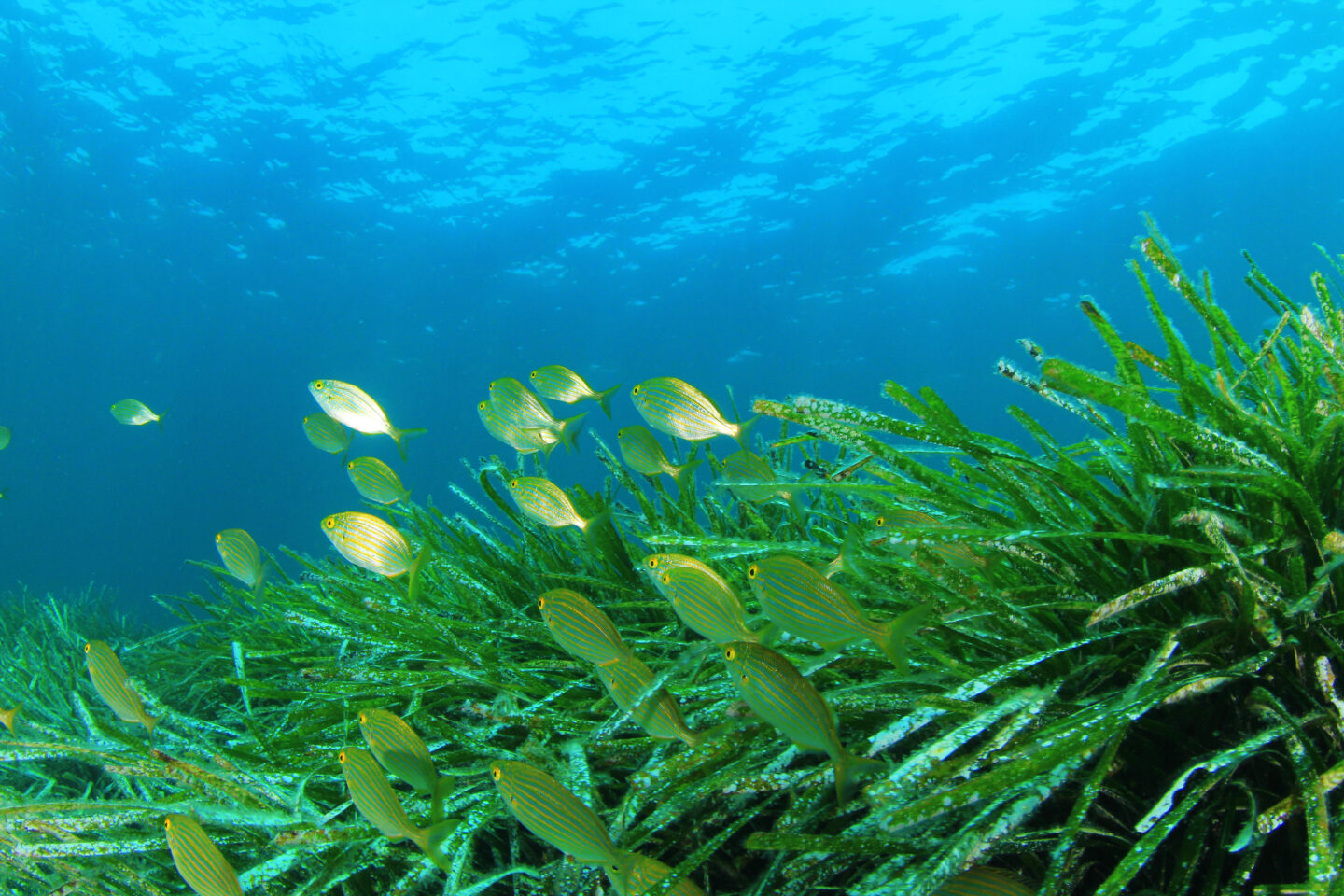
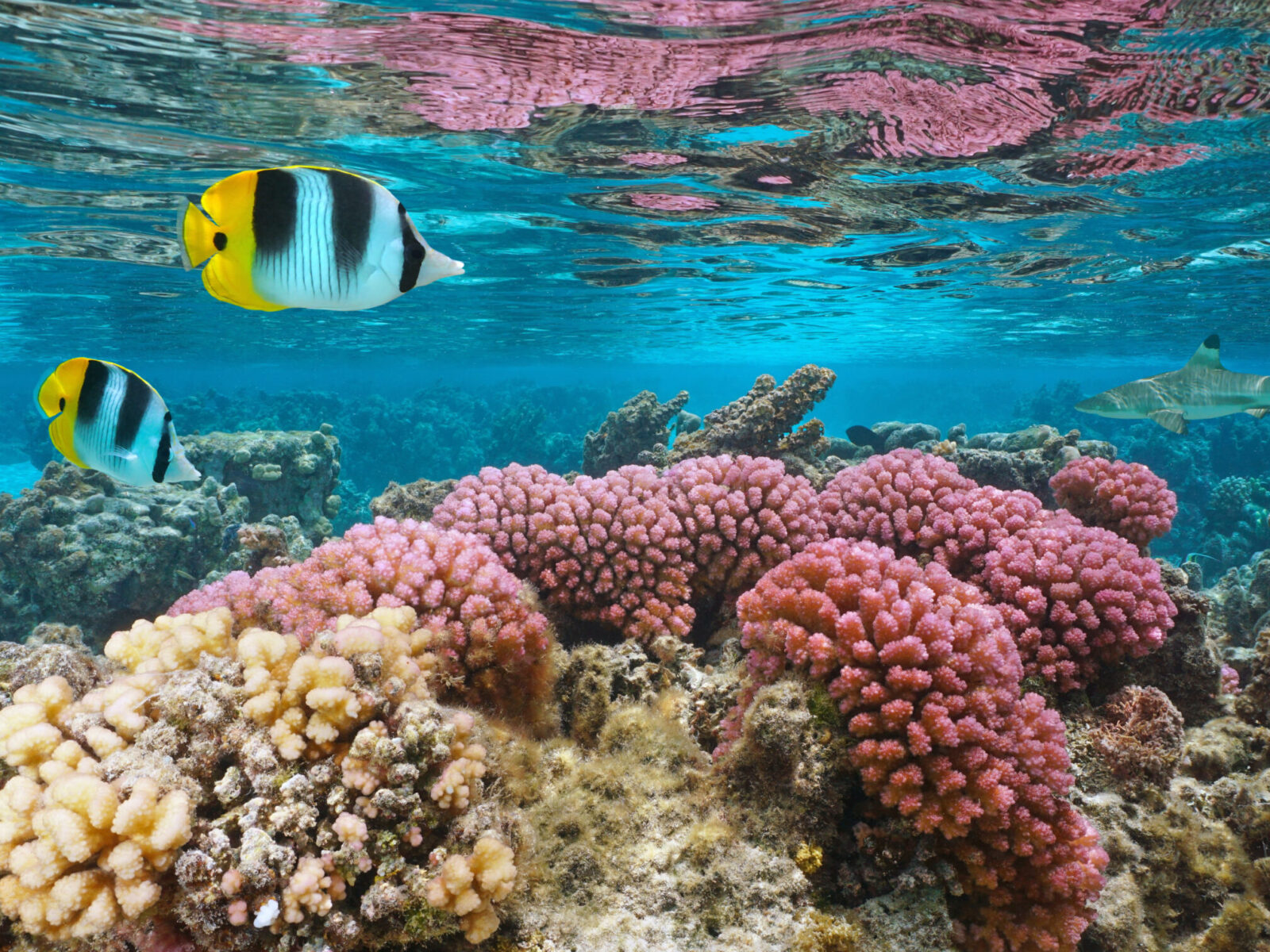
In parts of the Mediterranean, seagrass meadows are quietly recovering after years of decline. Off the coast of Marseille, Posidonia oceanica, often called Neptune grass, has shown what researchers describe as an “exceptional” rebound following efforts to reduce marine pollution (Mongabay).
Not one to make the news, but it is one of the important ocean conservation success stories on the list. Seagrass absorbs carbon faster than forests on land and supports a significant share of marine life in the region. A slow recovery, but a meaningful one.
7. Whale populations continue to rebound
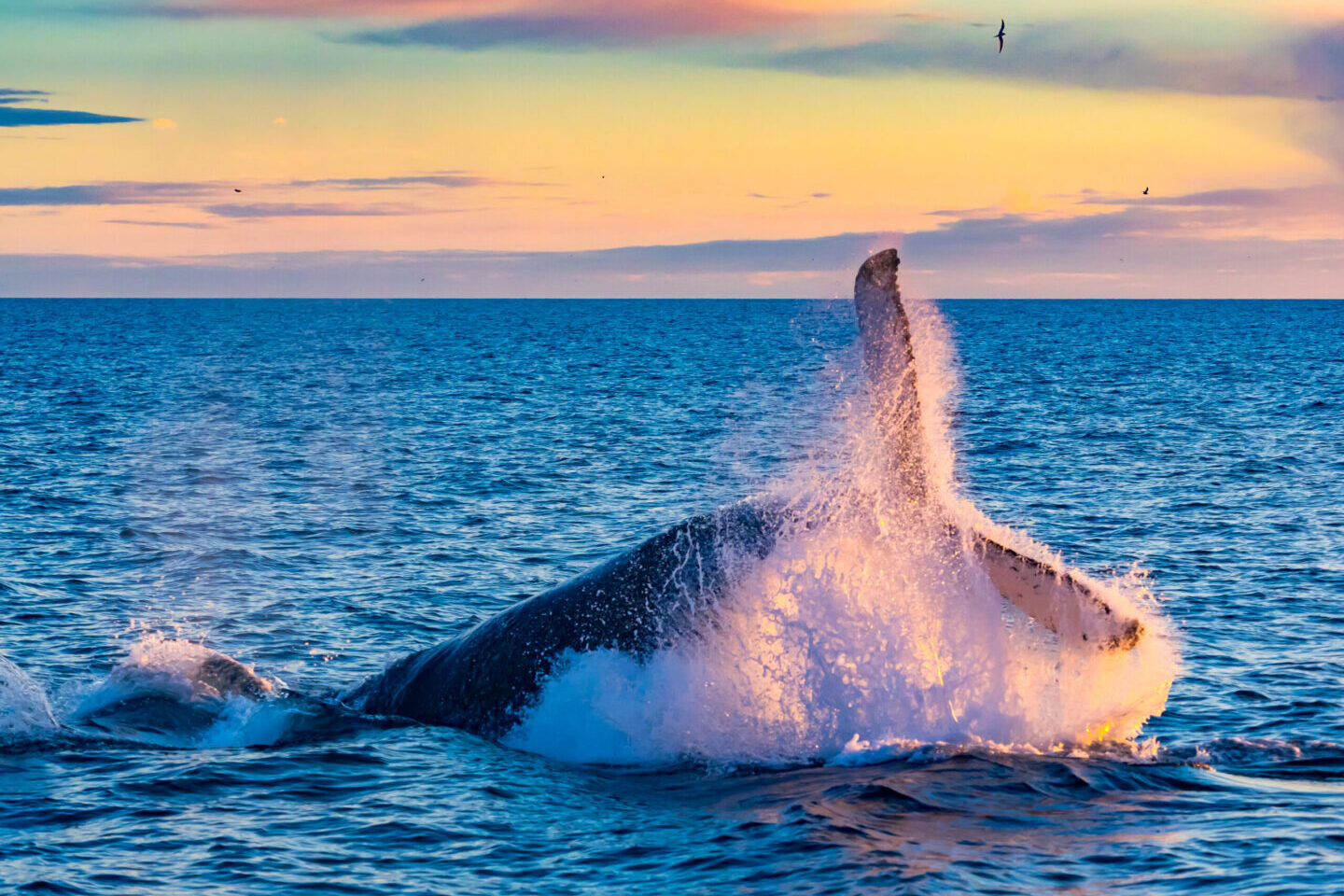
In oceans around the world, humpback whale populations are continuing their long recovery after decades of commercial whaling. In some regions, including off the eastern coast of Australia, numbers have now reached, or even exceeded, pre-whaling levels (ABC News).
New research suggests this recovery is also restoring natural behaviours within pods, a sign of ecosystems finding their balance again (ScienceDaily). One of the clearest examples of what long-term protection can achieve.
8. Rethinking how we anchor
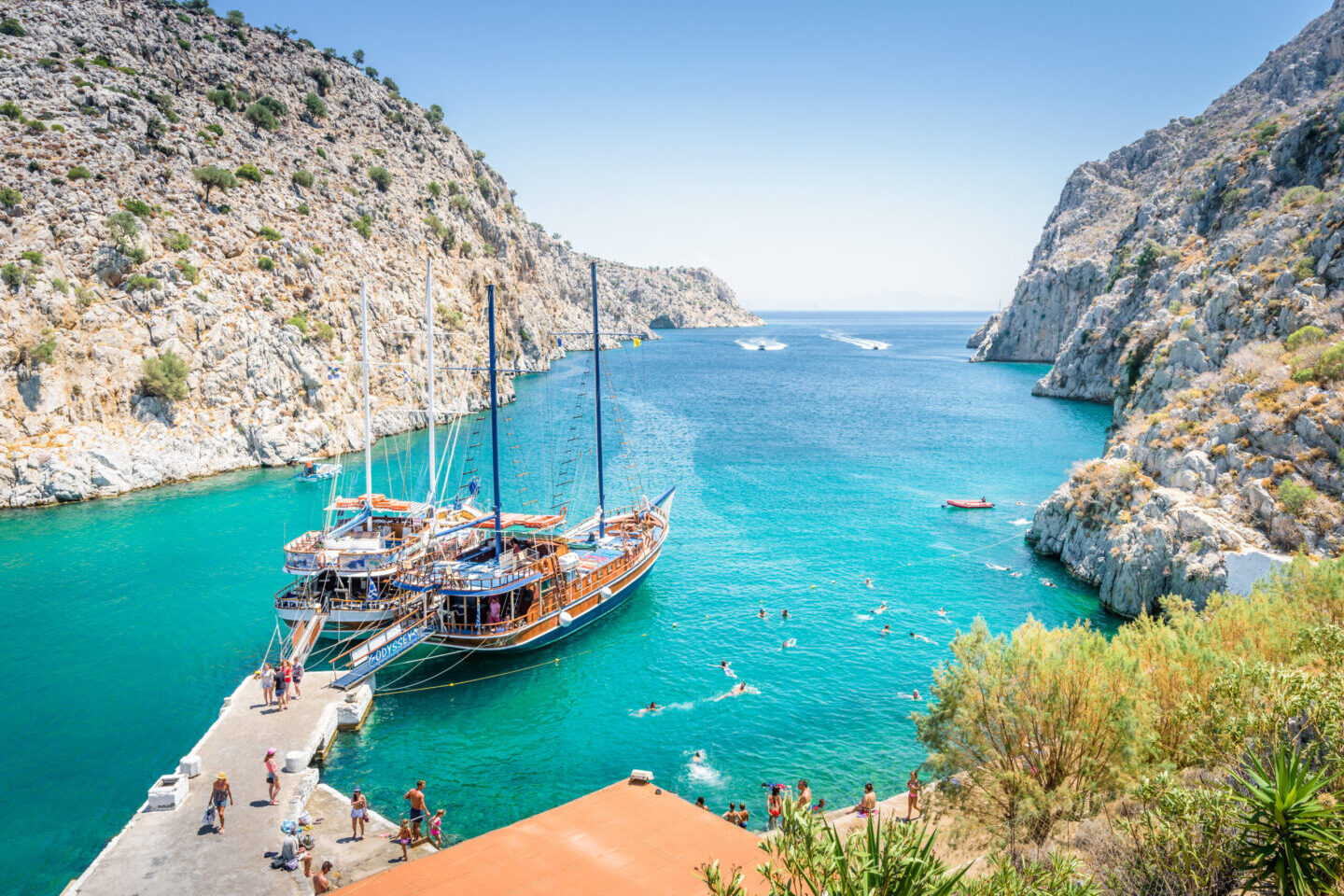
In parts of the Mediterranean, new eco-mooring systems are being introduced to prevent damage caused by traditional anchoring. In Greece, pilot projects are already showing how boats can be secured safely without tearing up fragile seagrass beds beneath them (Euronews).
It’s a small shift in practice, but one with a disproportionate impact, particularly in busy coastal areas where repeated anchoring has long gone unchecked (WWF Adria).
9. Local-led reef restoration is gaining momentum

Across regions from Southeast Asia to East Africa, more reef and coastal restoration projects are being led by local communities. Combining scientific research with on-the-ground knowledge, these initiatives are proving more sustainable over time (Sea Rangers Service).
Healthier reefs are part of the outcome, but so is something less visible, a stronger sense of ownership over what is being protected.
10. The future of energy is green hydrogen
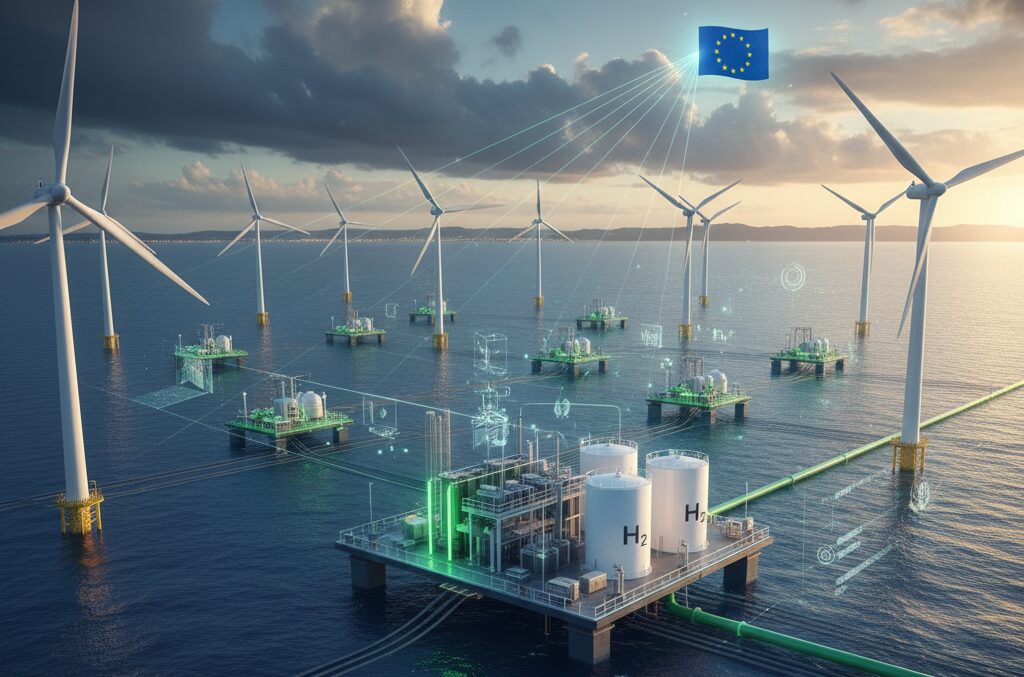
The United Nations has added the OCEAN-H2 (Offshore Clean Hydrogen Production for Multi-use Purposes) to the Ocean Decade Actions. This initiative, headed by the University of Malta in partnership with academic and environmental organisations, aims to study the feasibility of large-scale offshore energy production (green hydrogen) from wind and waves in the Baltic Sea, the North Sea and the Mediterranean Sea.
This will cut CO₂ production and serve as an alternative to fossil fuels that still power much of the world’s energy.
Why Positive Environmental News Matters Now
Our big blue planet won’t be fixed in a day. But through continued action to protect our oceans and fight climate change, we are making progress.
Environmental progress is a process that takes time; it may seem slow, unrelenting, and sometimes quiet. That’s why positive news deserves a spotlight. The truth is, behind a single successful marine conservation story is years of planning and execution from hundreds, if not thousands, of hands around the world.
That’s why coming across one or, in this case, ten, positive environmental news stories that happened in April is a win we think needs highlighting.
TRENDING ARTICLES


FEATURED YACHT