Orcas Attacking Yachts
A Curious Pattern in Iberian Waters
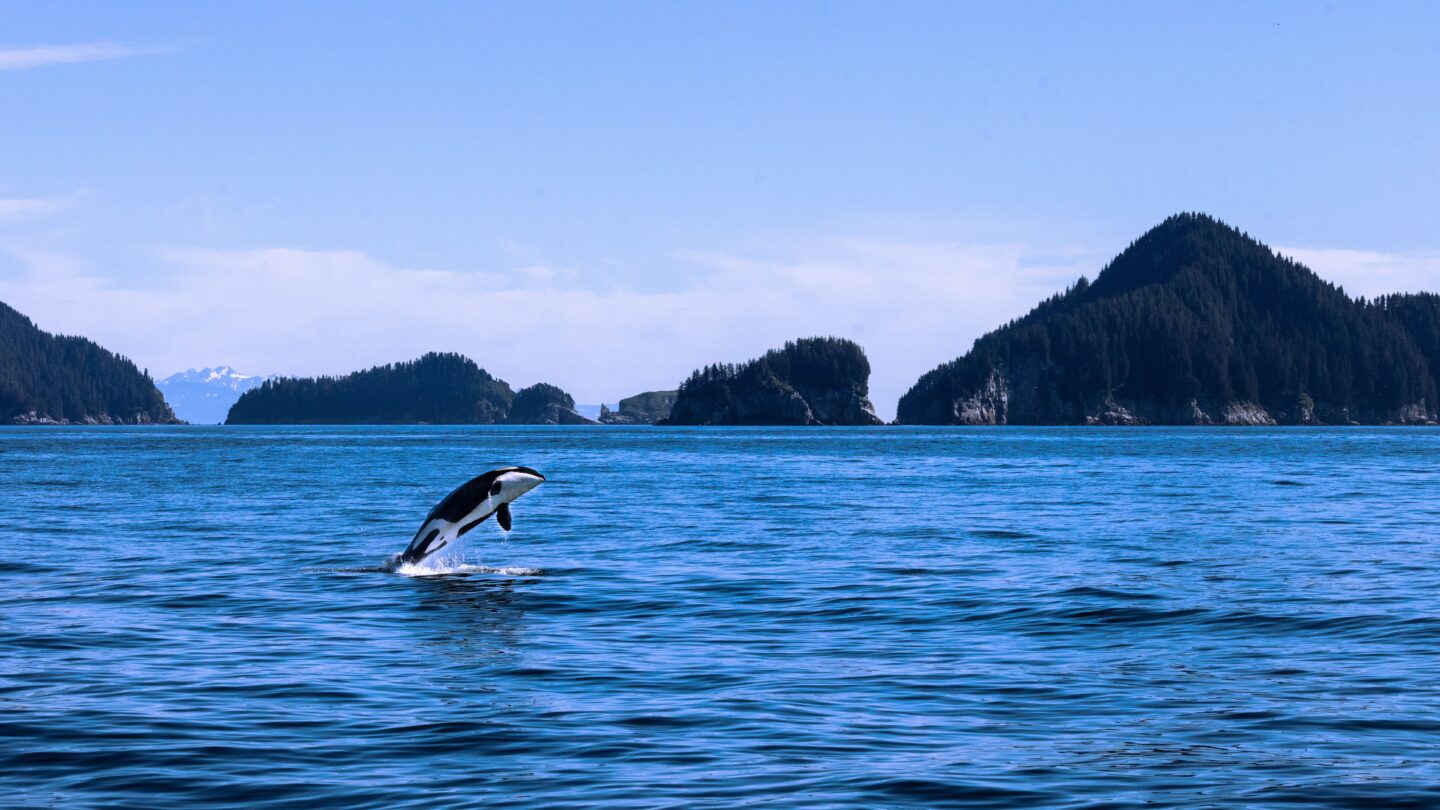
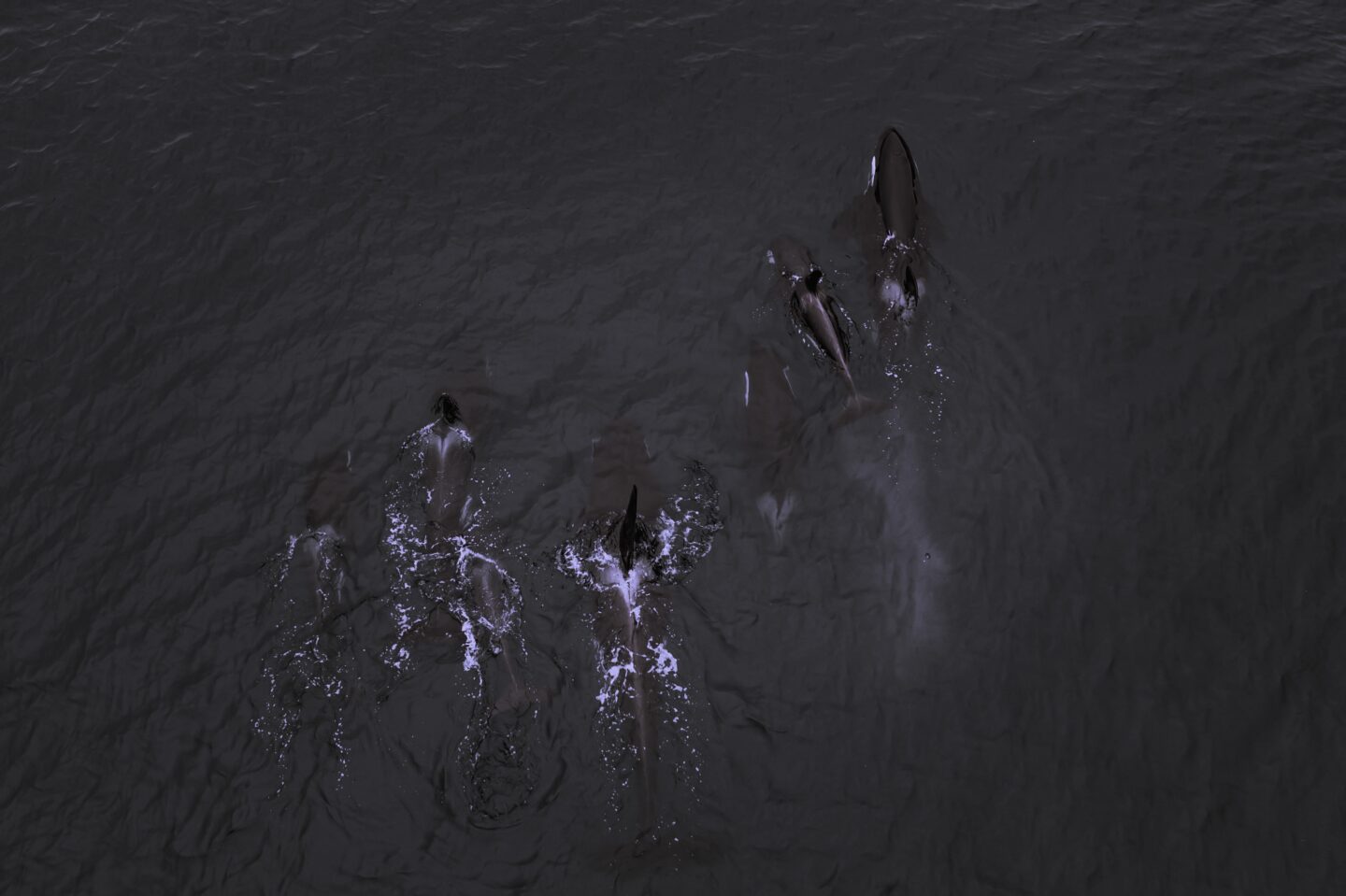
In the waters off the Iberian Peninsula, a strange pattern has unsettled the sailing world. Since 2020, a small population of orcas has repeatedly approached yachts and sailboats, often targeting rudders with enough force to disable vessels. Several boats have sunk as a result, and countless more have been damaged. Videos of cracked hulls and circling fins have travelled rapidly across social media, usually framed as nature “fighting back”. Unsurprisingly, the reality appears to be both far more complex and far more interesting.
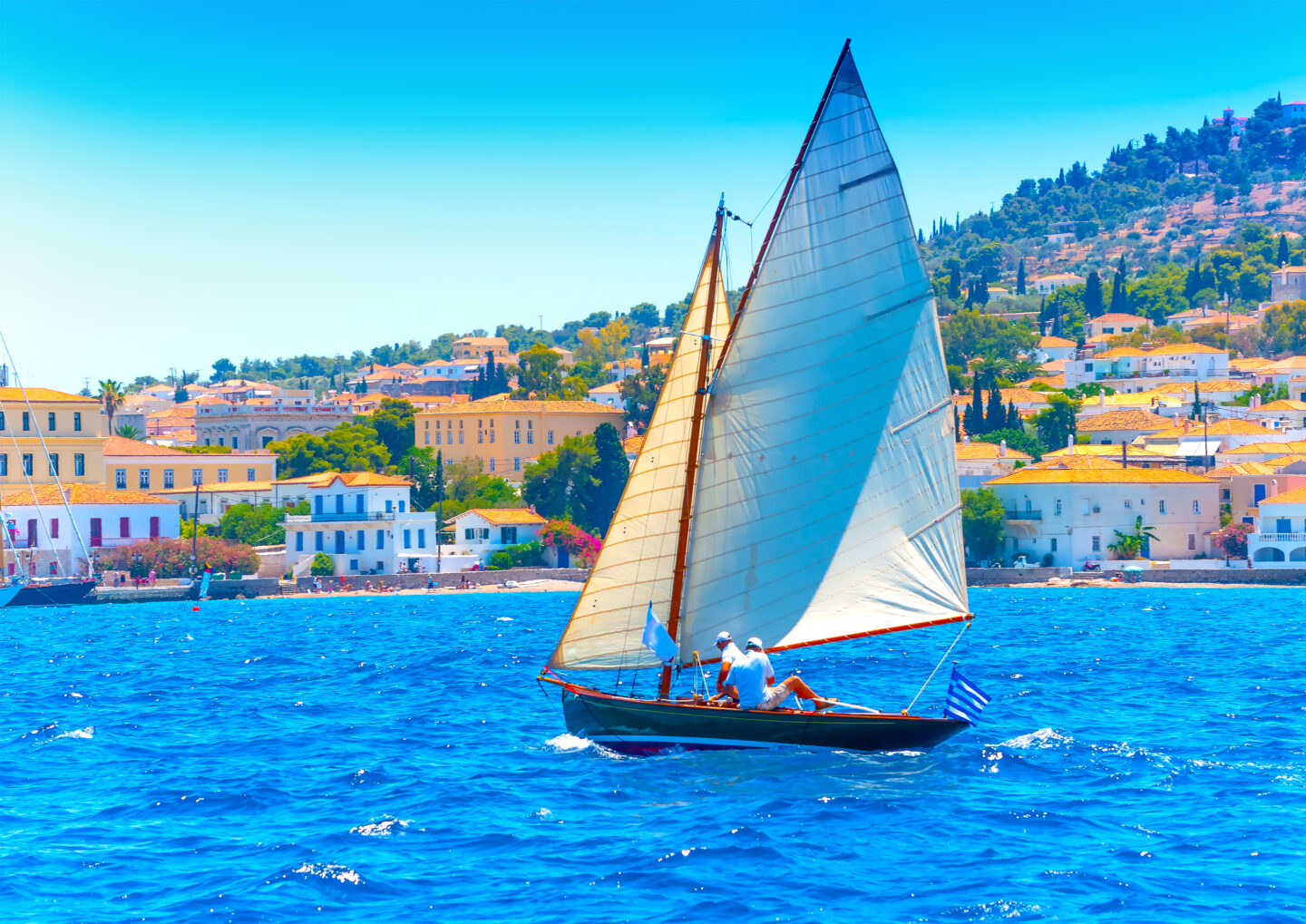
Researchers studying the phenomenon are careful about the language they use, with most avoiding the word “attack” altogether. Instead, they describe these incidents as “interactions” between orcas and vessels, concentrated almost entirely within a critically endangered subpopulation of Iberian orcas living near the Strait of Gibraltar and the Atlantic coasts of Spain and Portugal. According to the Atlantic Orca Working Group, hundreds of encounters have been documented since the behaviour first emerged in 2020, with the majority of orca yacht attacks involving sailing yachts between 10 and 15 metres in length and nearly all focusing on the rudder.
Orcas and Social Learning
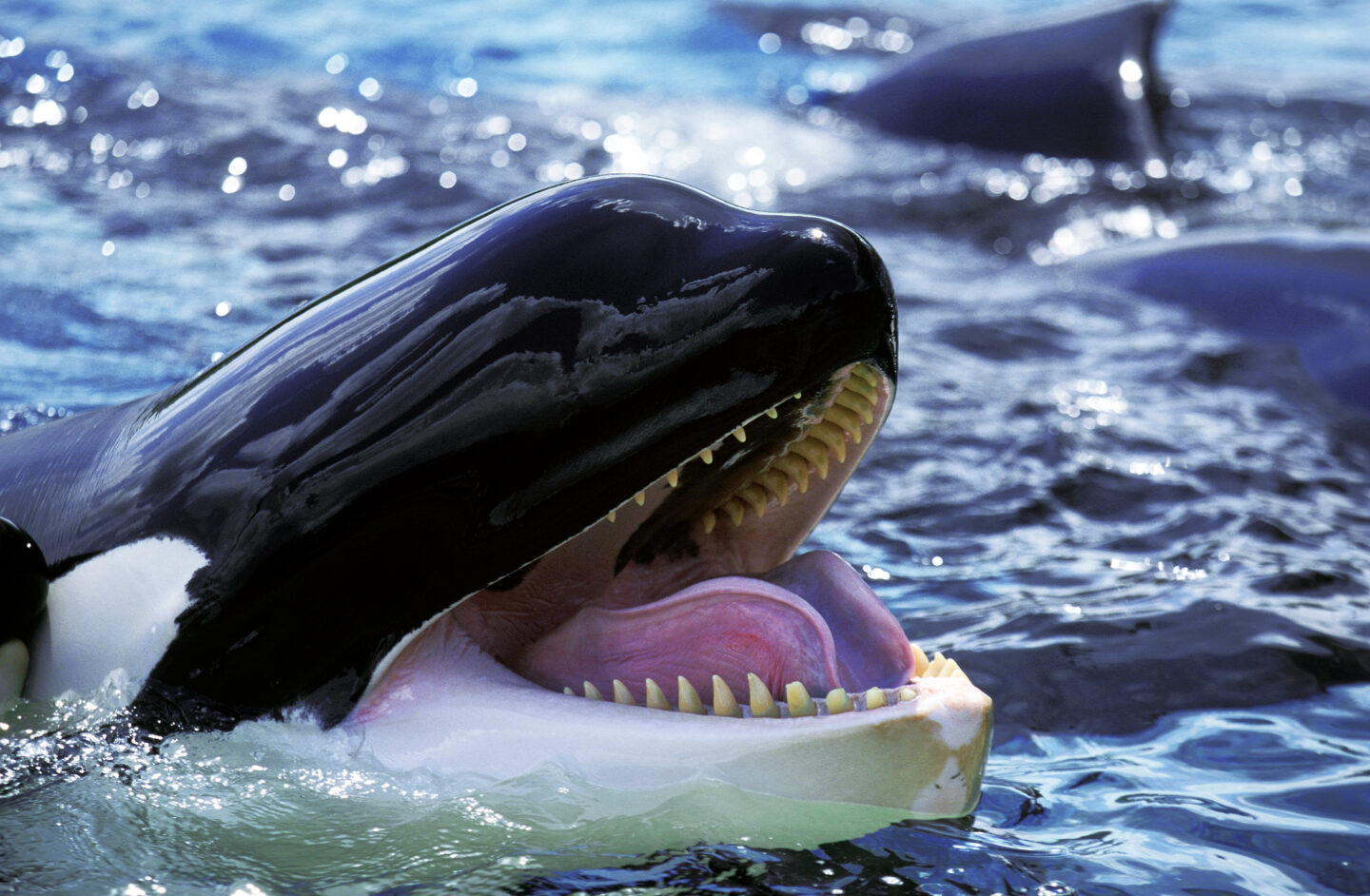
Part of what makes this behaviour remarkable is its consistency. Orcas are among the most socially sophisticated animals on Earth, passing knowledge on culturally rather than genetically and teaching one another hunting techniques, vocalisations and migratory habits across generations. Hard as it may be to believe, different orca pods exhibit distinct traditions and preferences, almost like regional dialects. In addition, marine biologists have long documented what researchers call “fads” among orca populations.
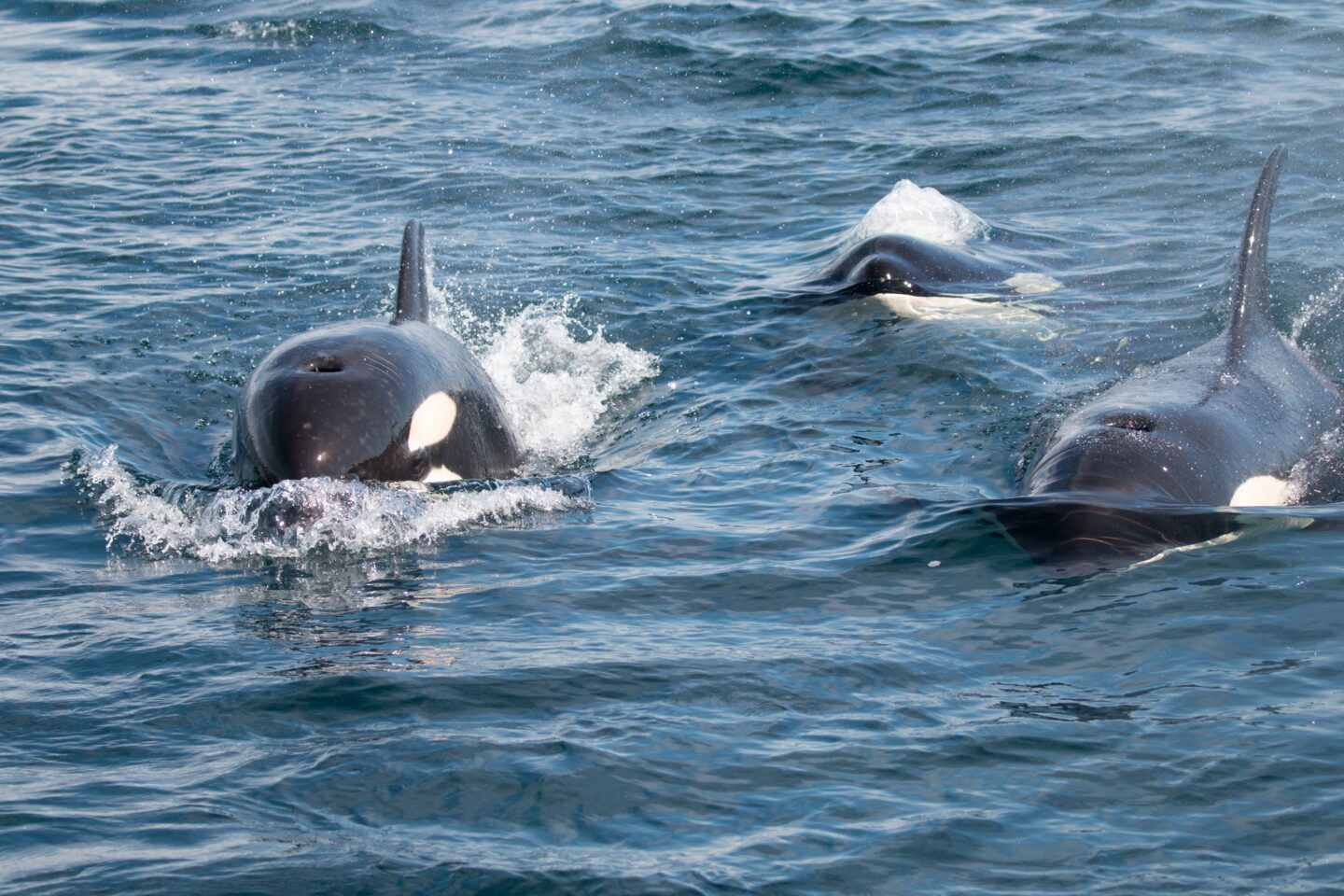
In one famous and curious example from the Pacific Northwest, a pod began balancing dead salmon on their heads for no apparent survival benefit before the behaviour spread socially and later disappeared. Bearing this broader context in mind, many scientists now believe the Iberian interactions may represent a similar form of socially transmitted behaviour.
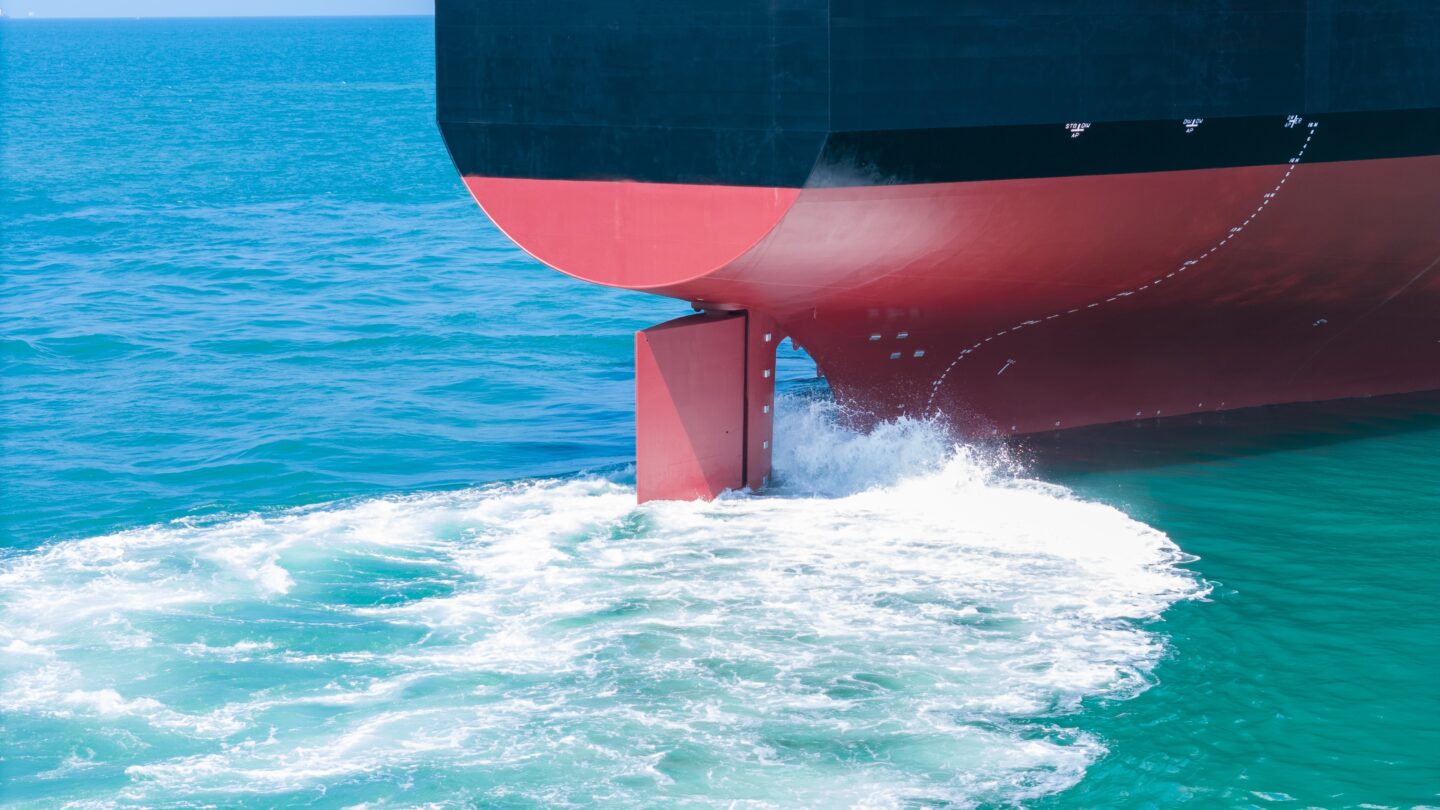
Some researchers suggest that the encounters are exploratory rather than aggressive. Younger whales appear to be heavily involved, which has led scientists to compare the behaviour to play or experimentation. Rudders create resistance, vibration and turbulence underwater, particularly on sailing yachts travelling at moderate speed. To an animal like an orca that experiences the world through sound and pressure changes, the moving rudder may simply be fun and stimulating.
Trauma, Curiosity or Both?
On a more troubling note, some marine scientists believe the behaviour may have originated after a traumatic interaction between an orca and a vessel. Injuries caused by fishing gear, propeller strikes and increasing maritime traffic are well documented throughout the region. One hypothesis suggests a negative encounter with a boat triggered defensive behaviour in a single individual, which was then copied socially by others in the pod.
However, it is notable that there have been no recorded cases of Iberian orcas intentionally harming humans during these encounters. Researchers repeatedly stress that there is no evidence of predatory aggression toward people, and even in incidents where vessels have sunk, crews were able to evacuate safely. Furthermore, underwater footage analysed by marine biologists often shows the animals appearing calm rather than agitated. This is an important distinction to make, particularly as online narratives around “revenge” continue to proliferate, following one of these incidents.
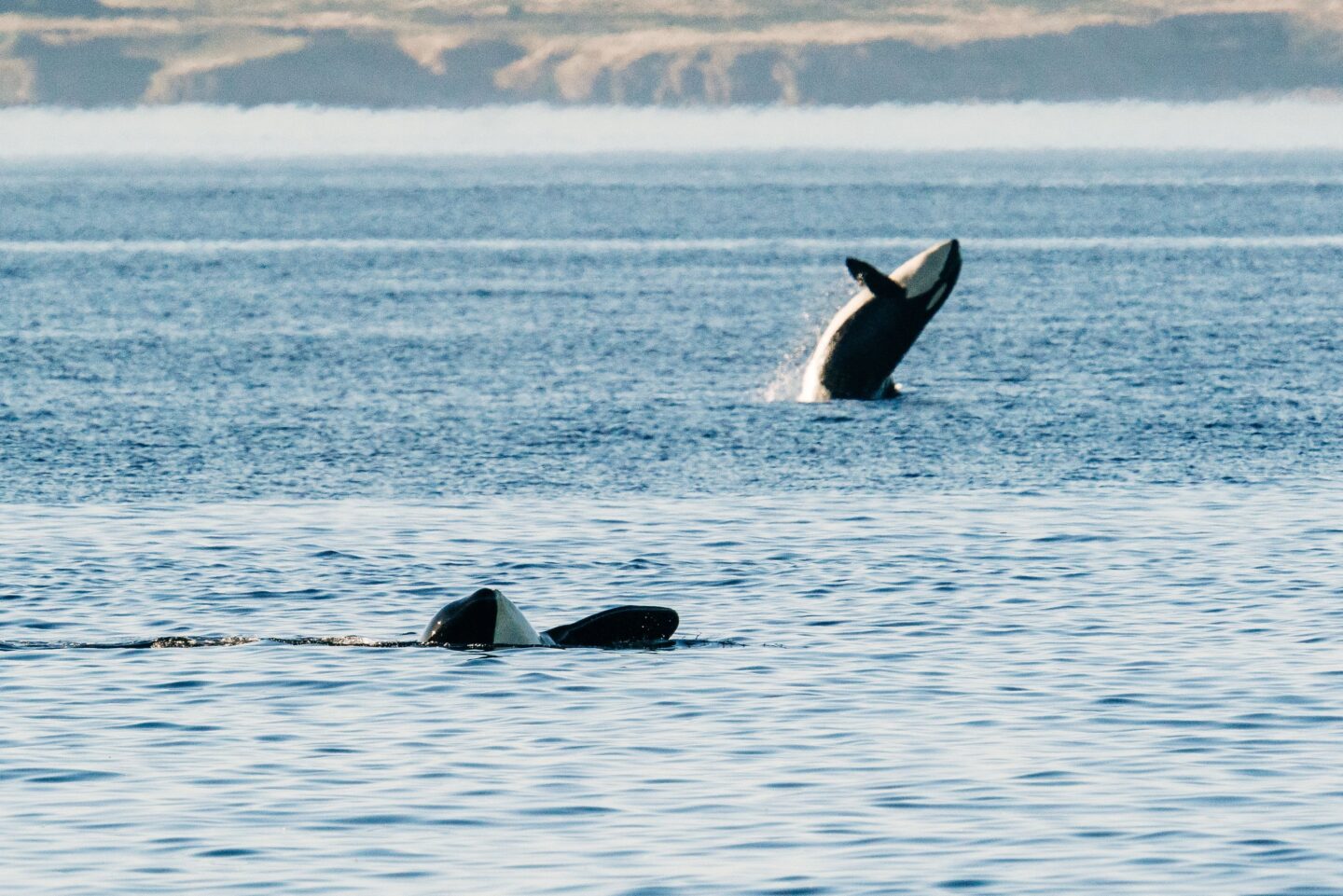
Anthropomorphism is difficult to resist with animals as intelligent as killer whales. Their behaviour appears deliberate to humans because, in many ways, it is, but intention does not necessarily translate into vengeance. Scientists caution that assigning human motivations to wild animals can distort public understanding as well as conservation policy.
The Yachting Industry Takes Note
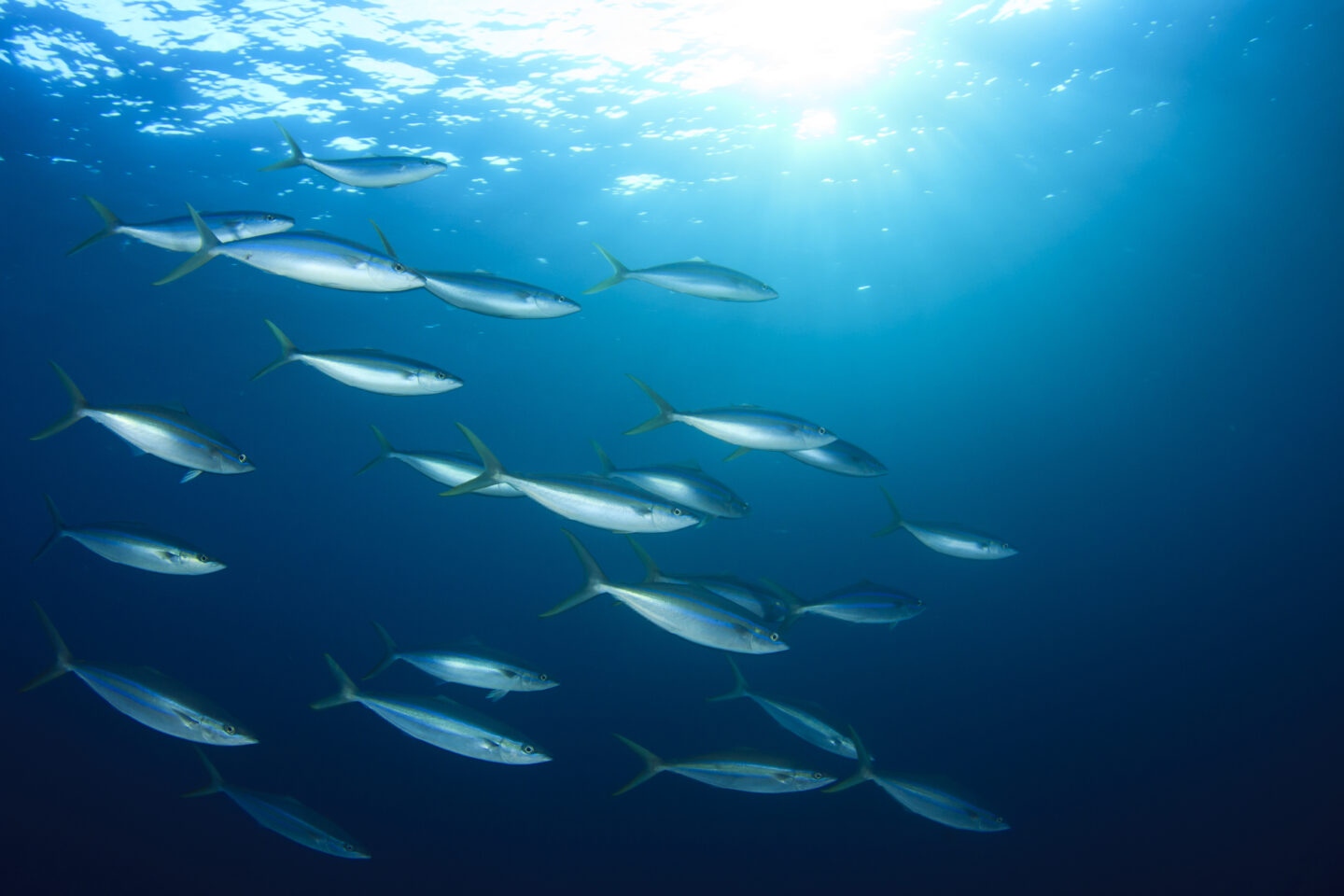
When it comes to orcas attacking yachts, the conservation context is equally important to consider. The Iberian orca population is critically endangered, with fewer than 50 individuals believed to be left. Their migration routes overlap with some of the busiest recreational and commercial waterways in Europe, meaning that interactions seem inevitable. In addition, increasing maritime traffic, underwater noise pollution and declining tuna stocks all place additional pressure on the population.
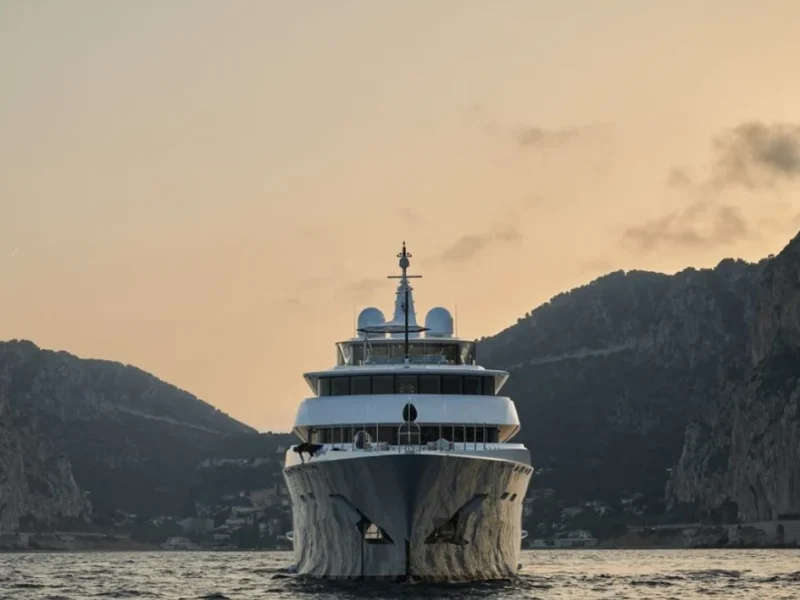
While the majority of incidents involve smaller sailing yachts, concern has increasingly spread into the wider superyacht and luxury charter sector. Large motor yachts are far less commonly targeted, likely because of their hull design, speed and reduced rudder exposure, but captains operating around the Strait of Gibraltar and Atlantic Spain now routinely monitor orca tracking reports before passage planning. Several high-profile charter itineraries in the region have reportedly been adjusted in recent seasons during peak interaction periods.
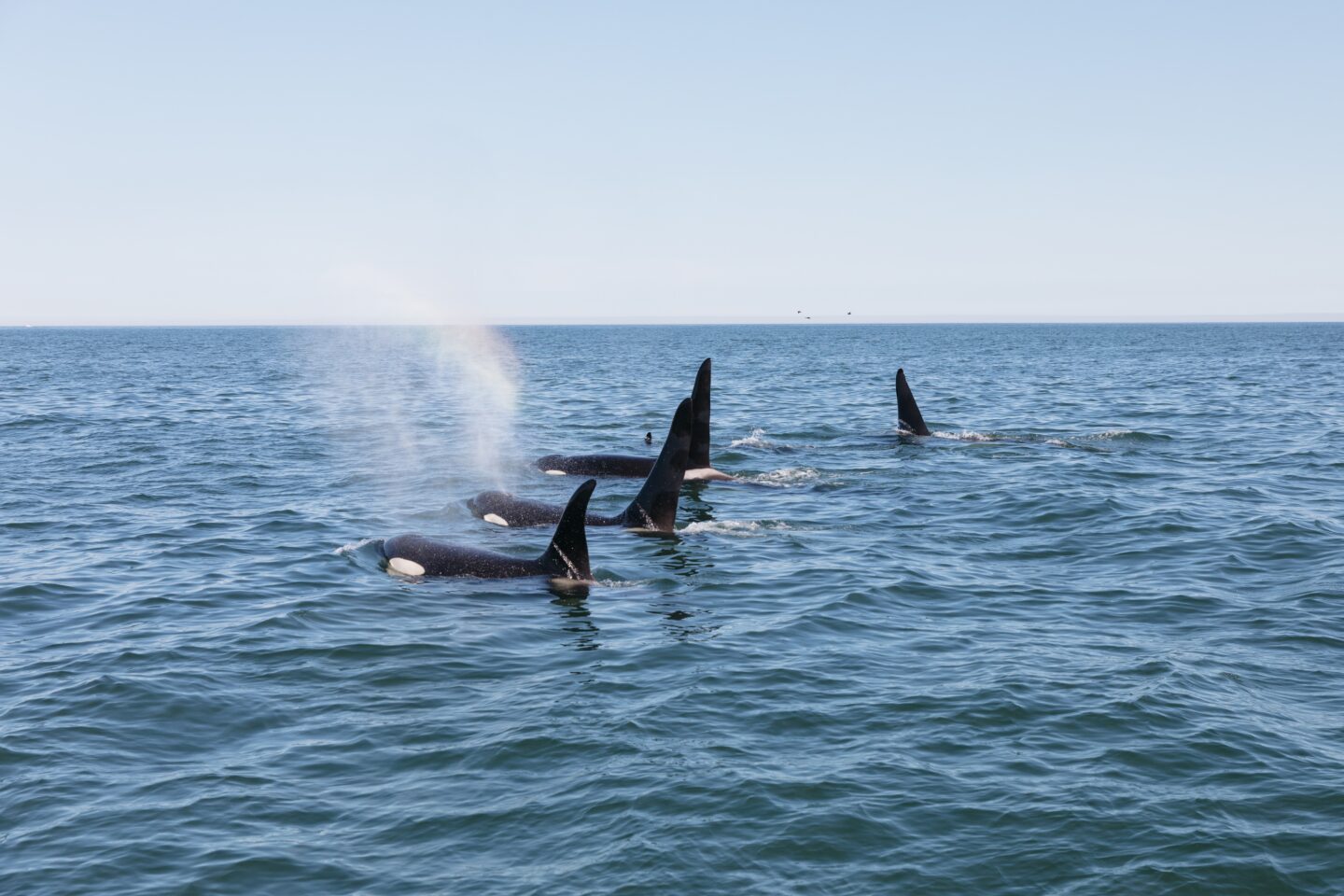
The psychological effect on crews is also significant: videos showing orcas circling multi-million-euro yachts have become part of the modern folklore of Mediterranean crossings. For an industry built around precision engineering and control, the idea that a pod of wild animals can disable a vessel remains unsettling to many.
The Technology Responding to the Problem
To address the issue of orcas attacking yachts, some sailors have experimented with acoustic deterrent devices designed to discourage cetaceans from approaching rudders. Companies including Fishtek Marine and F3 Maritime Technology have developed underwater “pingers” that emit warning sounds intended to deter marine mammals without causing injury. Early reports from sailors remain mixed, and marine scientists continue to debate their long-term effectiveness. At the same time, a new generation of marine monitoring companies is approaching the issue from a different angle: detection rather than deterrence.
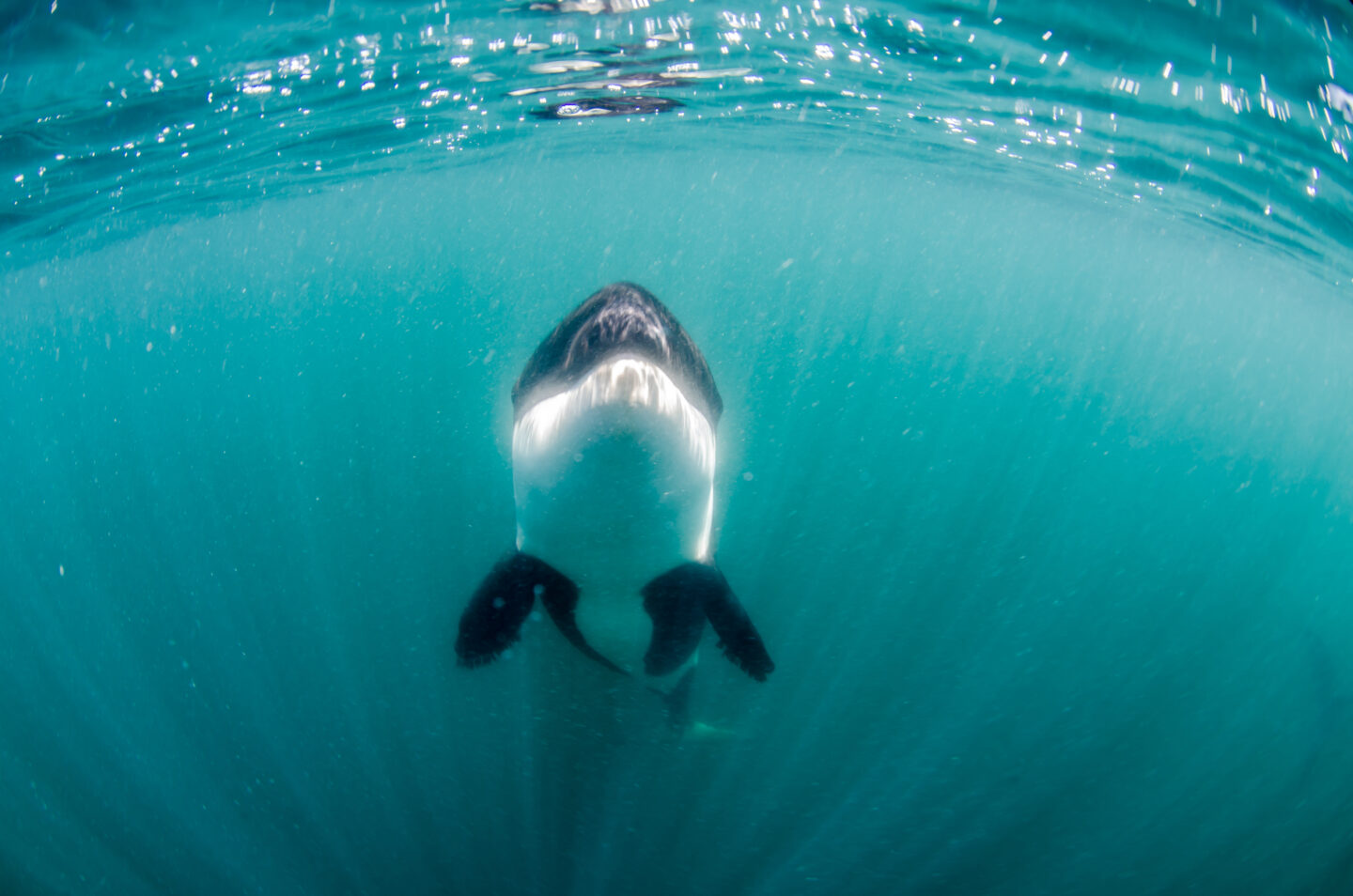
Canadian marine technology company Whale Seeker is developing AI-powered systems capable of detecting marine mammals in real time using drones, infrared cameras and satellite imagery. Its developing Arc platform uses forward-facing infrared technology mounted on vessels to identify whales ahead of a ship’s course and alert operators in real time, while its Möbius Observer system combines aerial imaging and artificial intelligence to improve marine mammal monitoring around vessels and offshore operations.
The goal is not to “fight” the whales, but to reduce collisions, avoid disturbance and improve coexistence between marine traffic and increasingly pressured cetacean populations. In practical terms, technologies like these may eventually allow yachts and commercial vessels to reroute or reduce speed before close encounters occur.
An Unfinished Story
For now, maritime authorities in Spain and Portugal continue to issue seasonal guidance advising vessels to avoid stopping if any orcas approach, maintain steady movement and report encounters of orcas attacking yachts immediately. Some sailing routes have been temporarily discouraged during periods of concentrated activity.
Looking to the future, nobody can say with certainty whether the phenomenon will continue, which can feel unsettling, despite attempts to understand and mitigate the effects.
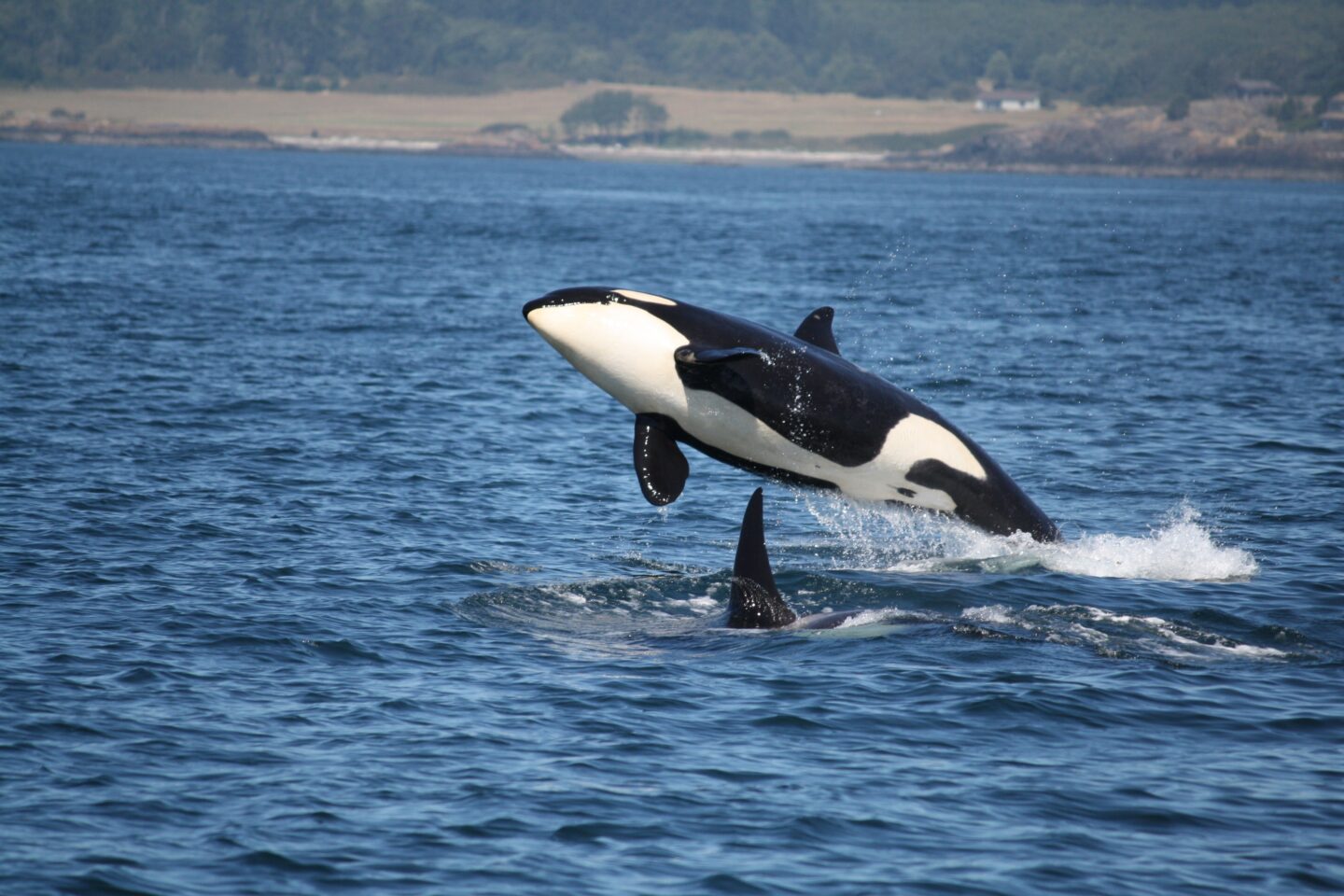
What we do know for certain, however, is that orca culture will continue to evolve, with behaviours emerging, spreading and sometimes disappearing entirely. Researchers increasingly describe the yacht interactions not as random violence, but as a rare example of cultural adaptation unfolding in real time among one of the ocean’s most intelligent predators.
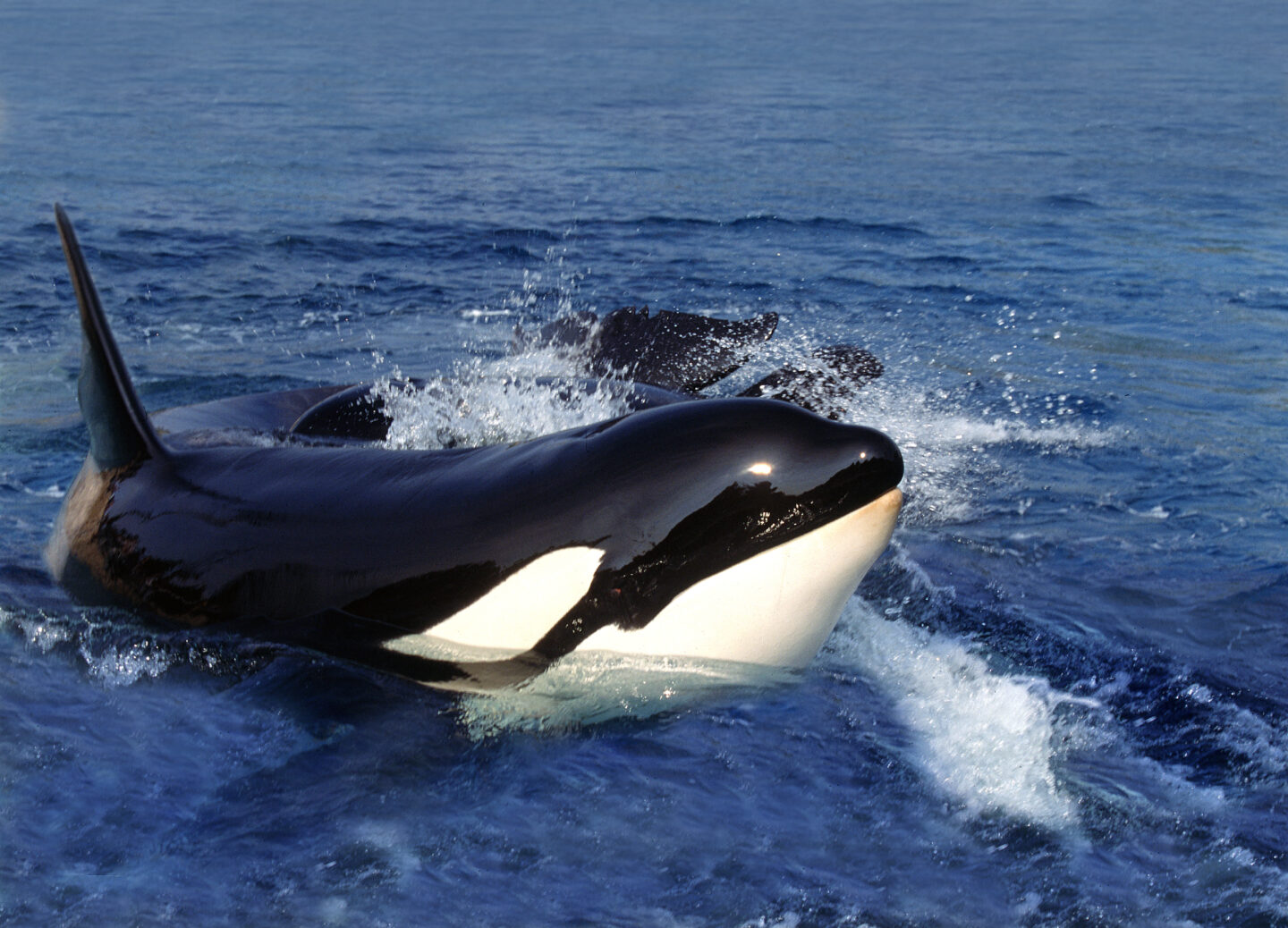
For sailors entering the waters west of Gibraltar, the challenge is no longer simply navigational. They are travelling through the territory of animals capable of learning, experimenting and teaching one another in ways science is still just on the cusp of understanding.
TRENDING ARTICLES




FEATURED YACHT