For many travellers, wildlife encounters are the highlight of any journey, the non-negotiable bullet point in the itinerary. Thanks to increasing coastal resorts and yachting, some of the world’s richest marine environments are now more accessible than ever before.
A great time to be alive for marine enthusiasts, yet the more viral something gets, the more responsibility we must take. These truly out-of-this-world experiences should be on everyone’s bucket list, but a simple fact remains: we are visitors entering a place not meant for us. It’s a foreign country, and its customs are unknown to us. However, like any great travel experience, take a little time online to learn the culture, and you’re good to go!
Responsible wildlife encounters, is not about restriction, but about visiting respectfully and coexisting peacefully with these majestic underwater animals, even for just a moment.
Why responsible interaction matters
In the past, picking up starfish at the beach, chasing fish by the shoreline, and reaching out a hand to pet sea turtles were often considered harmless fun. These encounters become cherished memories and stories shared long after summer ends. Yet many of these interactions carried unintended consequences. Years of overtourism, pollution, and limited awareness have revealed just how fragile marine ecosystems truly are and how easily they can be disrupted.
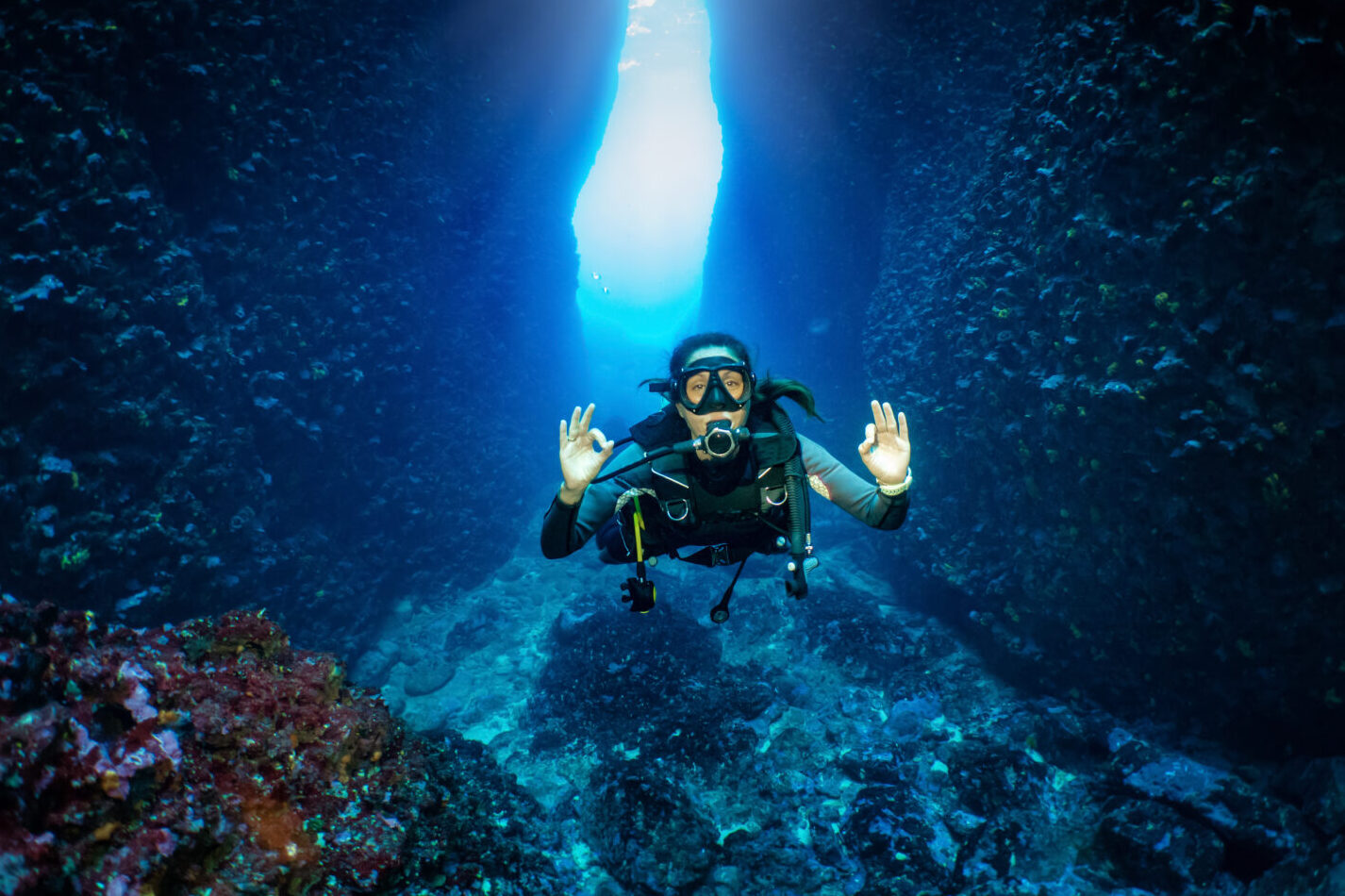
As awareness of marine life grows, the importance of responsible wildlife interaction has increased. Respecting marine life is not only good for marine animals but also for us. Our mere presence in the ocean can stress them out and cause behavioural changes among these curious marine animals, who may come closer to check us out, or wary nursing animals raising their guard.
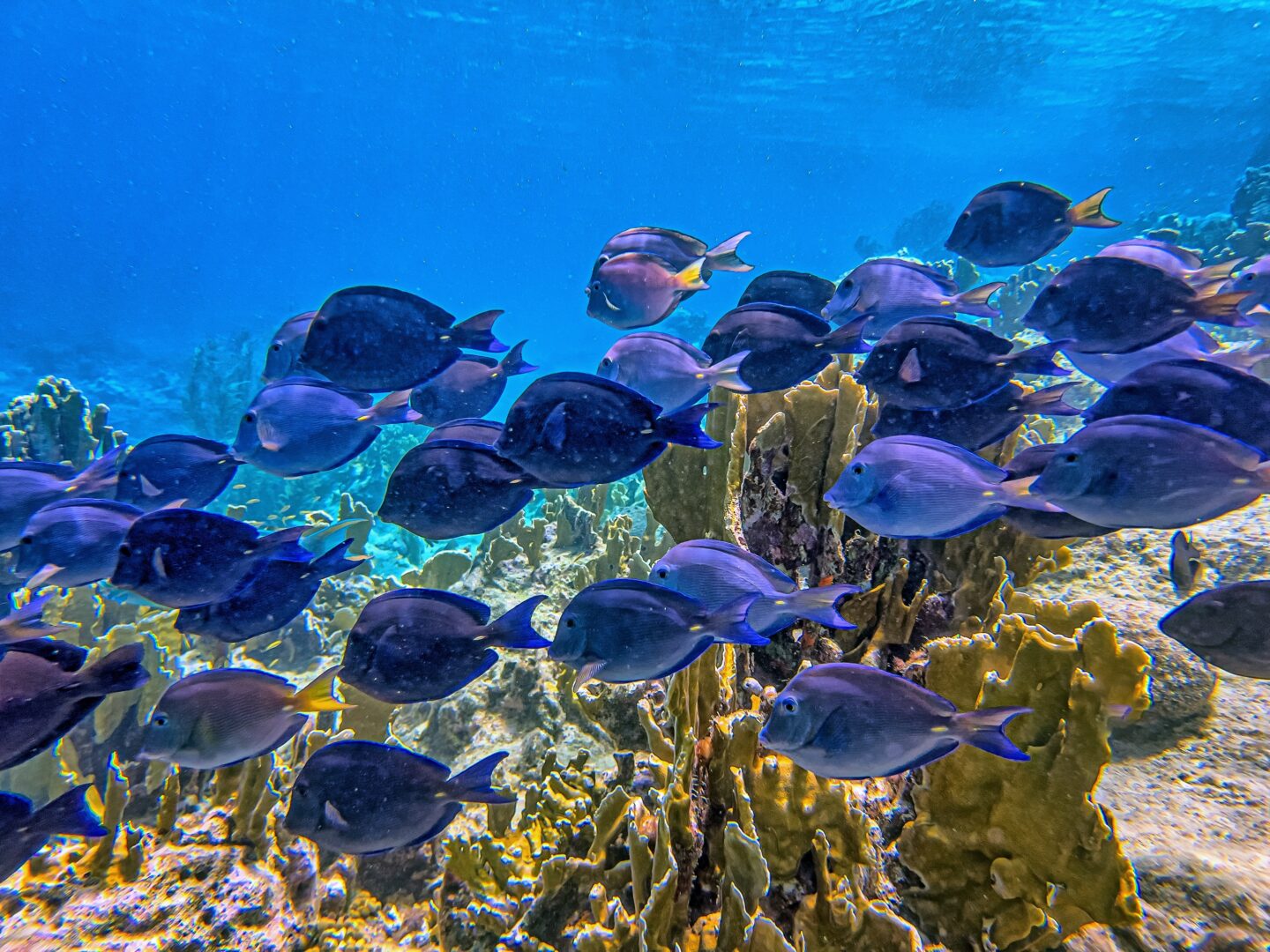
Many marine species are now protected and endangered, and to prevent the loss of these animals, it’s the small things that make a difference. Keeping your litter until you get to shore and wearing reef-safe sunscreen can help prevent coral bleaching and fish poisoning.
General rules to follow
The best way to be a perfect underwater visitor is to be an observer. Remember, you’re there only to observe the reef sharks passing by, the algae swaying in the current, and the vibrant corals. Let the animals come to you, and do not touch them, as they could be poisonous, become aggressive from sudden movement, and because your skin could pass on toxic chemicals.
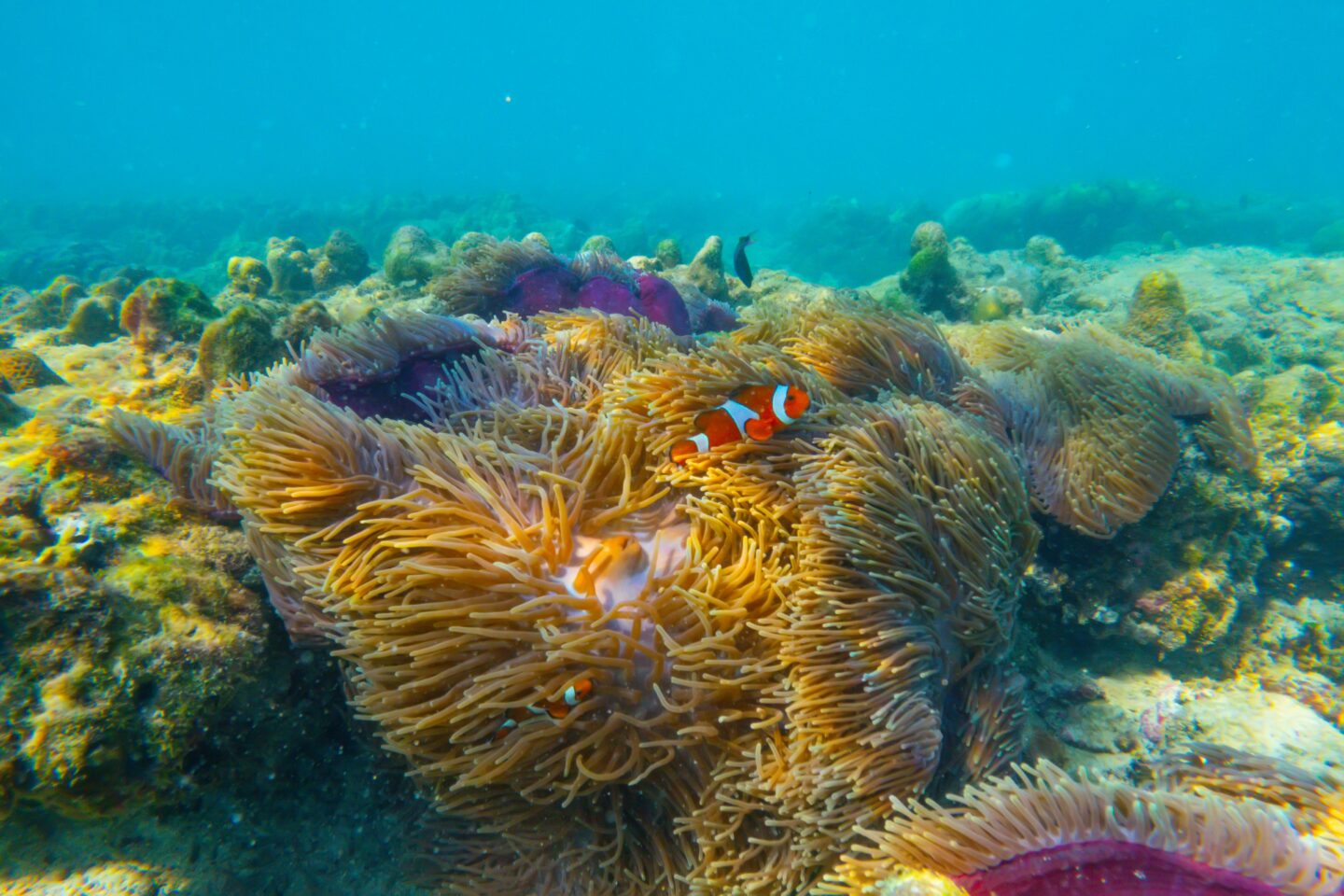
While on deck, limiting your noise will give you a better chance of seeing these elusive creatures. But even if you want to see them badly, don’t feed the wildlife. Repeated feeding can make them dependent and some foods are harmful to them. If you’re still unsure of what to do, talk to the professional crew on board. They would know local regulations and give the best advice on how to interact responsibly while having the best marine experience.
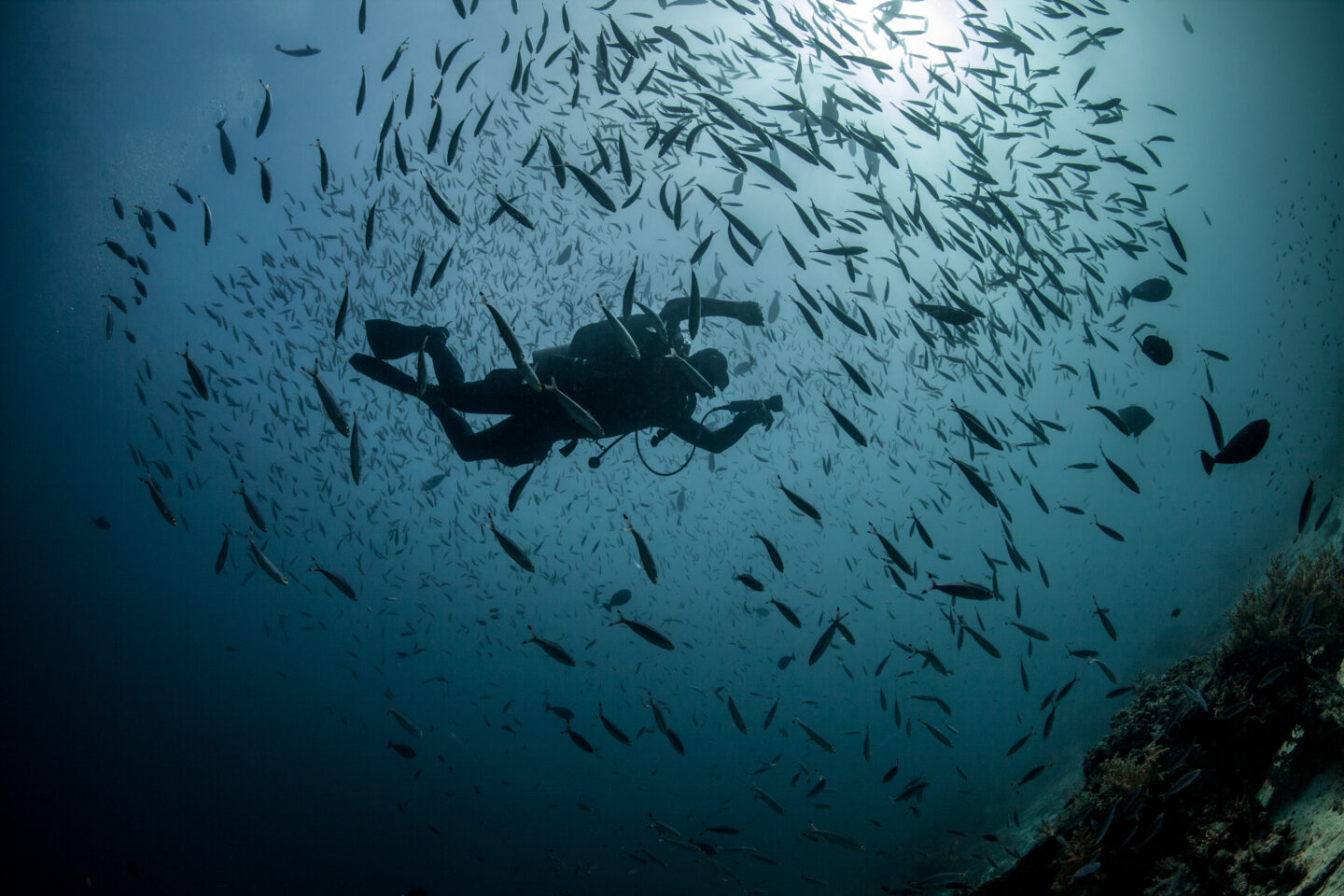
These rules aren’t meant to ruin your trip to the Maldives, but to ensure your saftey and for the protection of marine life. This may make it harder to get that perfect Instagram picture, but some things are best experienced without an audience anyway.
How To Have Responsible Wildlife Encounters
Dolphin encounters
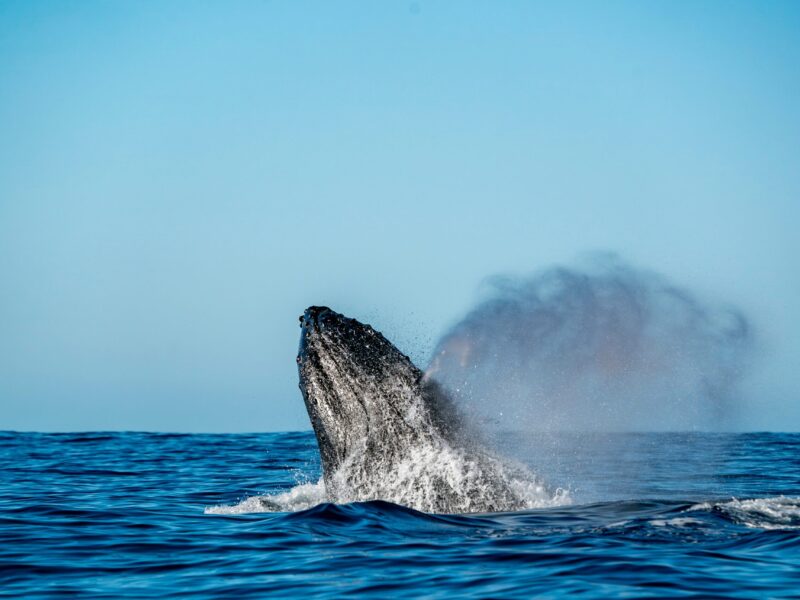
Did you know that dolphins can be found globally? There’s no ocean that these intelligent mammals don’t swim in. For the best chance to spot them, go to known hotspots like the Mediterranean, the Indian Ocean, and the Caribbean, where they are often seen on sailing charters breaching the surface and swimming in pods.
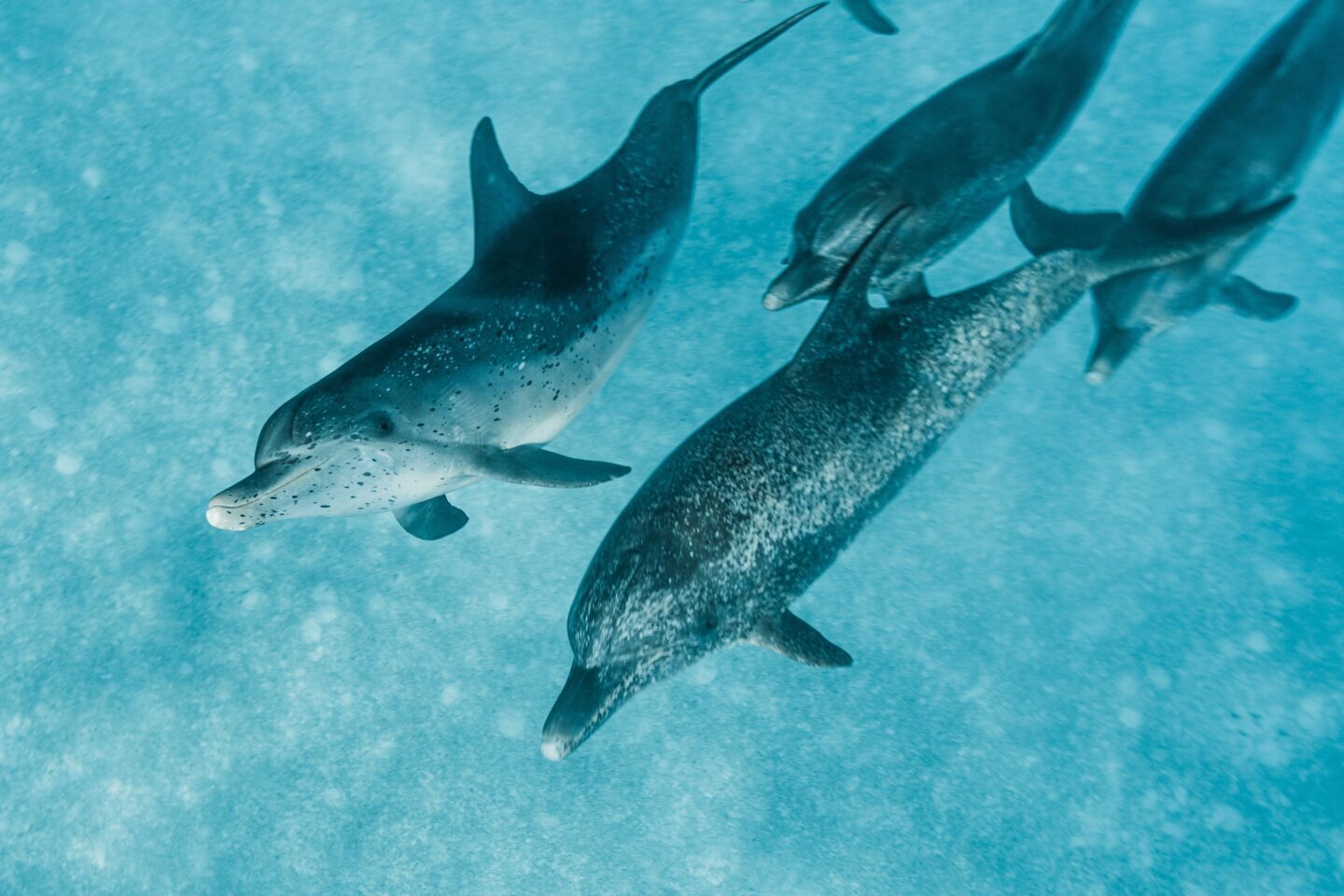
Dolphin watching is a favourite pastime for many, though it’s important to remember that these are wild dolphins, not like the ones we see in aquariums doing impressive tricks. While dolphins are generally harmless, keeping a safe distance and not swimming after them is still the best move.
Swimming with turtles
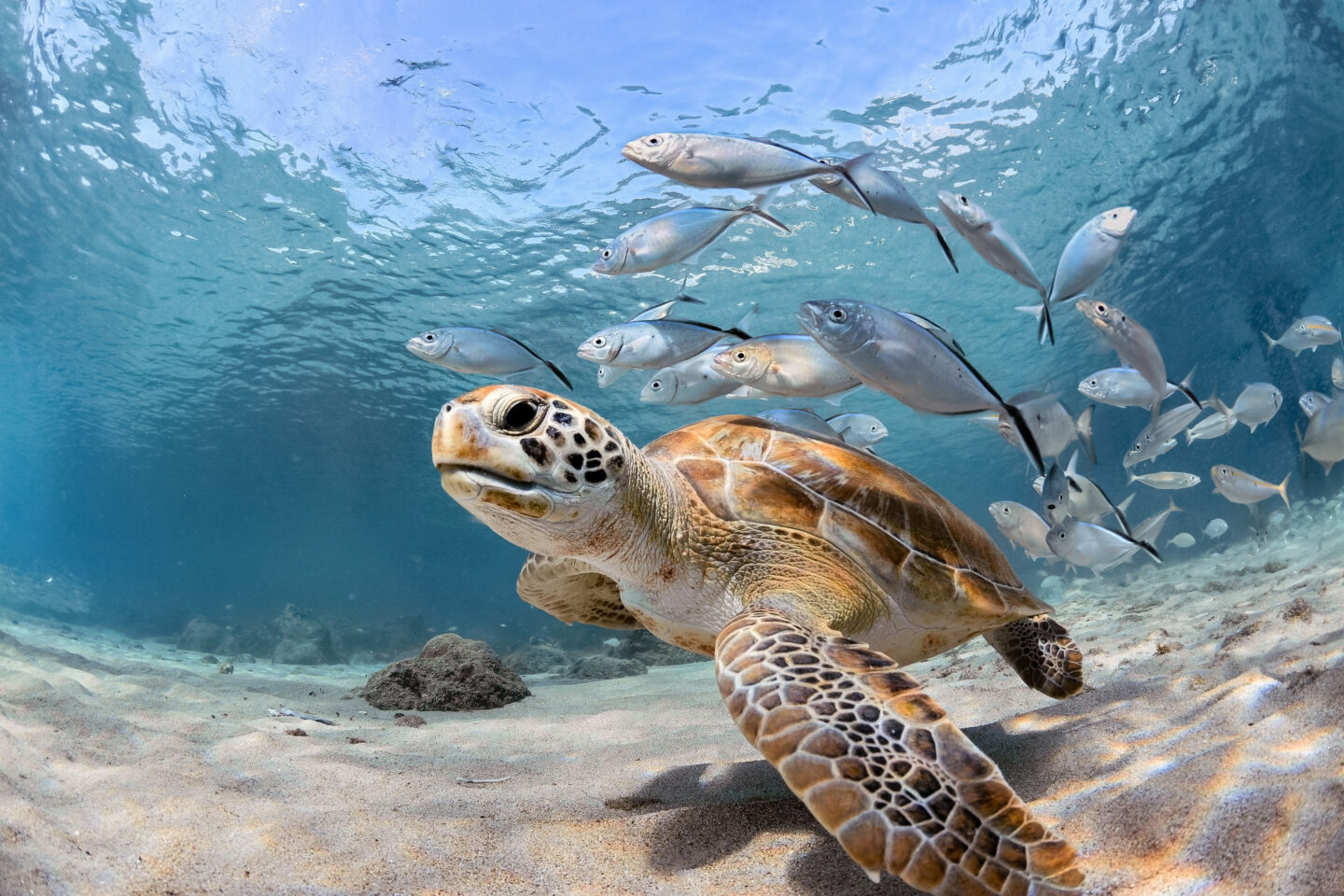
Sea turtles swimming alongside divers are quite common in the Mediterranean or the Maldives. Turtles are gentle as long as you do not touch them, and you should especially never try to ride them. Unlike crabs, the “hard” shell around a turtle is actually part of its skeleton, so imagine how uncomfortable it would be if someone touched yours.
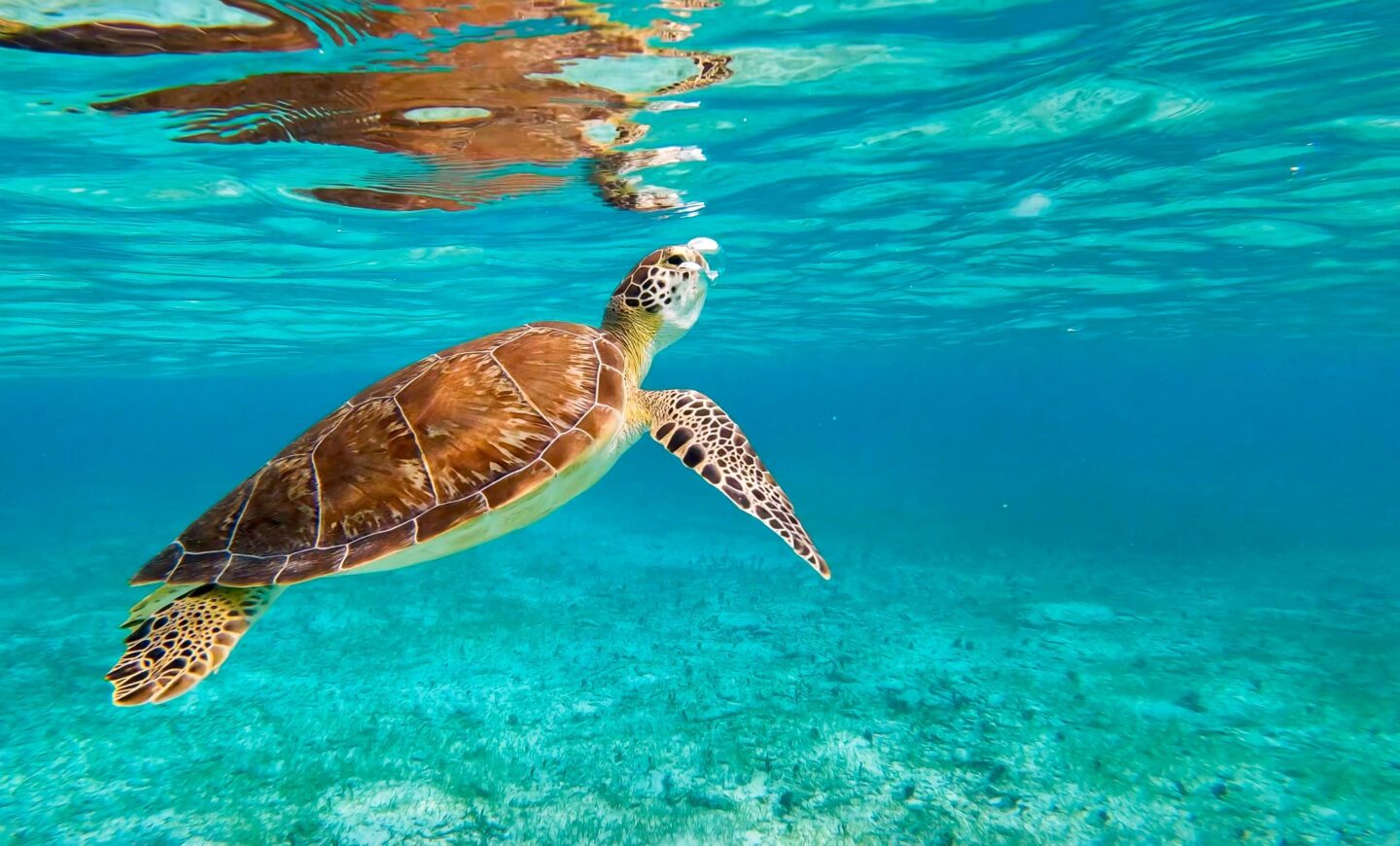
As exciting it is to see a turtle coming onto land, be careful not to block its path. Remember, the goal is to observe these natural encounters, not interfere with them.
Manta Rays and Reef Life
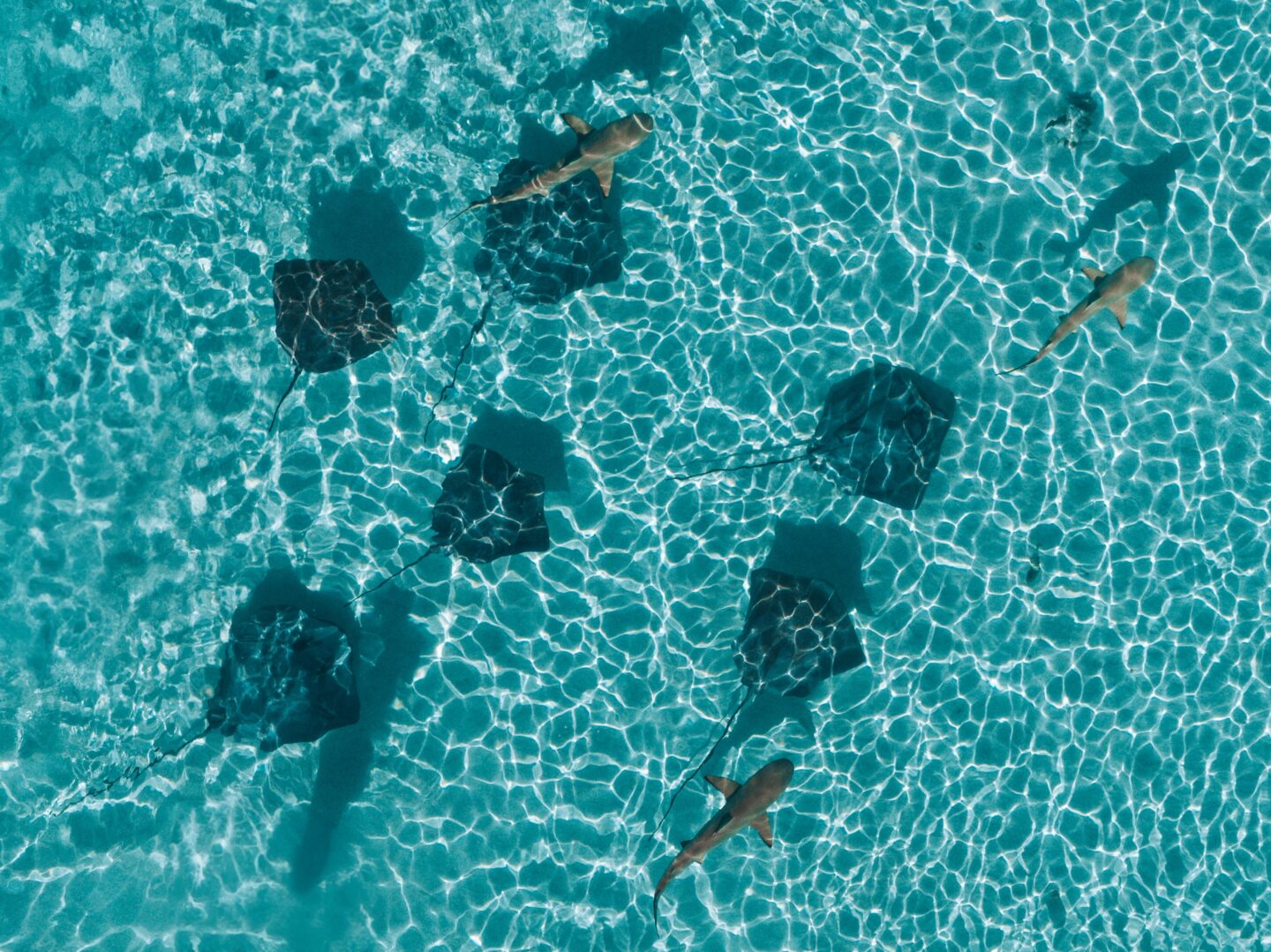
Reefs are brimming with life, from corals to crustaceans to manta rays. These graceful creatures are popular visitors to the reefs of the Maldives, Indonesia, and Hawaii. Manta rays despite their size and appearance, are not hunters but filter feeders. They feed on plankton clouds, so making big movements can disrupt their feeding patterns.
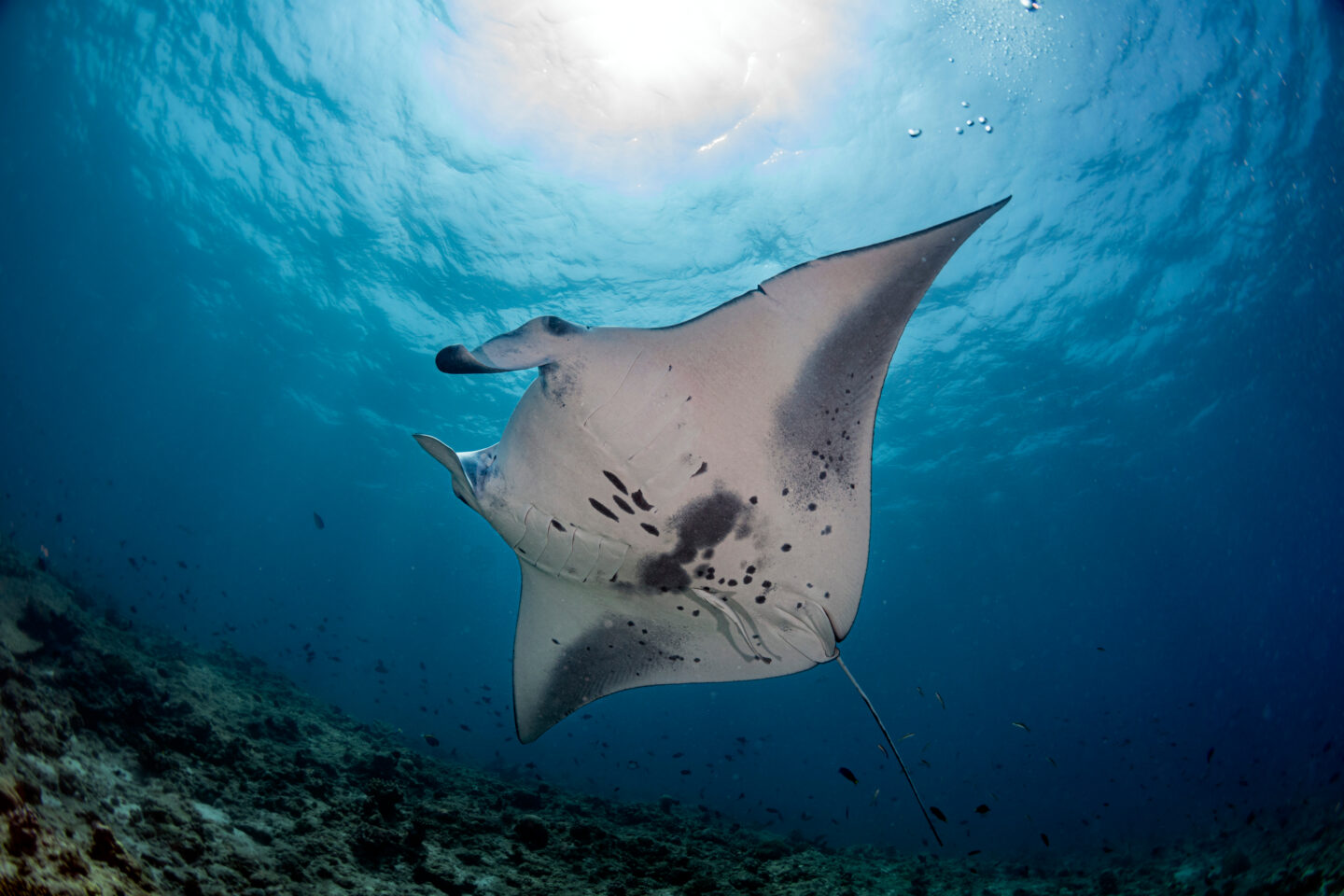
When encountering a manta ray and reef life, it’s best to stay low and still, quietly appreciating them as they glide by. Keep a watchful distance from their “wings,” which can reach up to 5 metres. It’s advisable not to touch the reef floor and to hover gently above it so you do not stress the corals or disturb animals hiding below.
The Bahamas swimming pigs
An unusual addition to the list as pigs aren’t sea life, though the skill with which these Bahamian pigs swim might suggest otherwise. Taking a plunge in the ocean with these pigs is one of the major attractions in the Bahamas, despite the criticism it receives. Since the pigs aren’t native to the islands, concerns surrounding overcrowding and overfeeding have persisted.
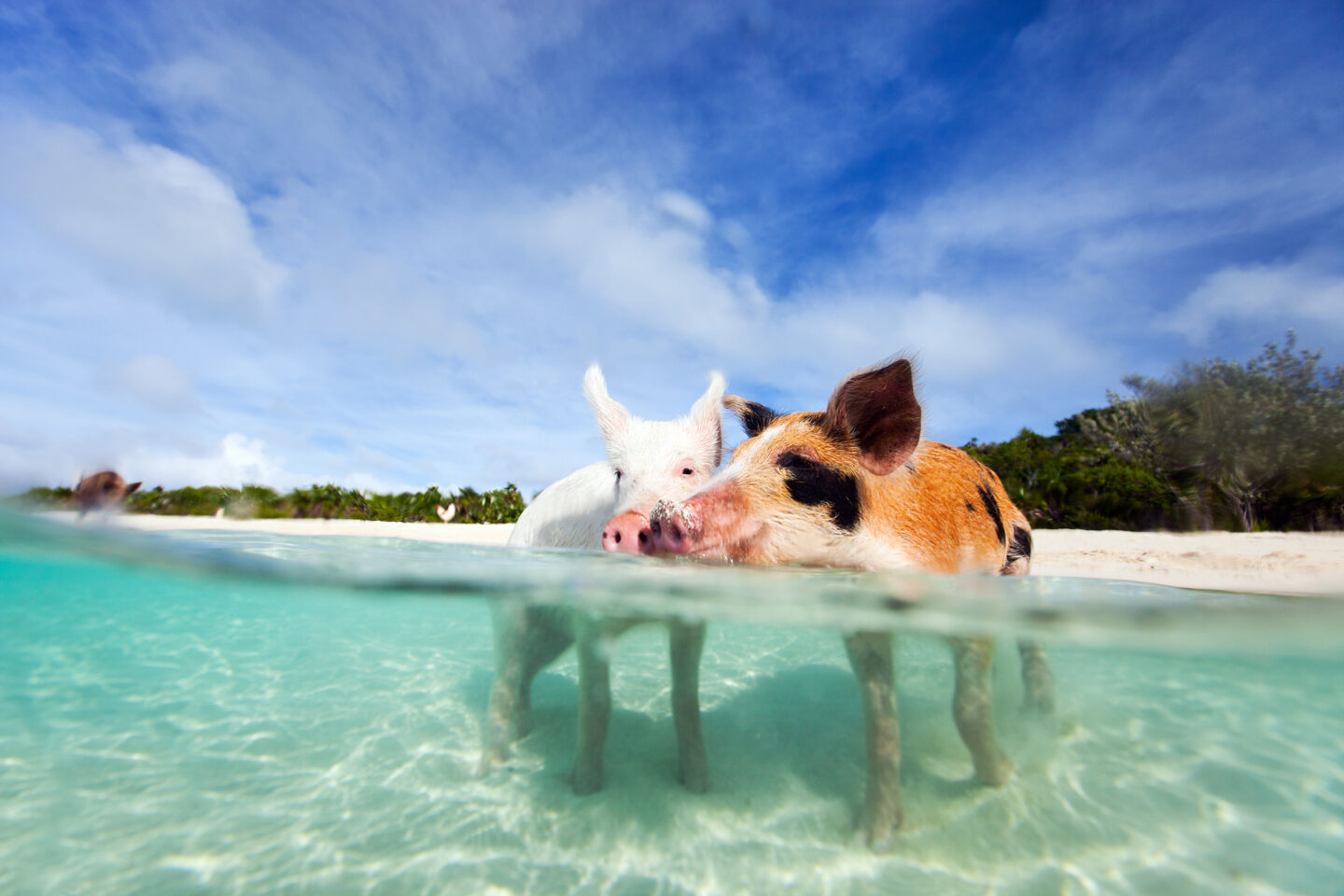
While the debate continues and we also give our two cents here, there is still a responsible way to enjoy the experience. Simple, but needs to be said: avoid feeding them processed foods and alcohol (yes, sadly this has actually happened). Finally, the most important advice is to choose the right operators; sometimes the most viral spots aren’t the most ethical.
Why the Yacht Makes a Difference
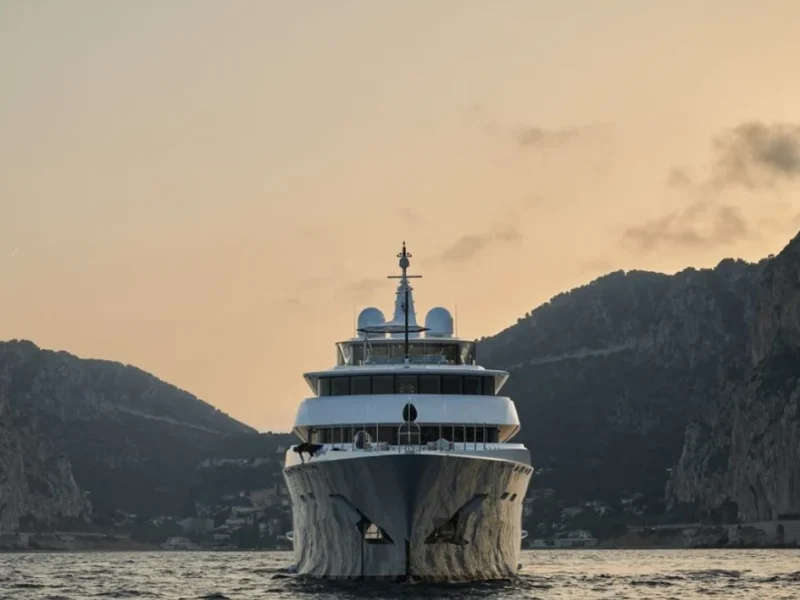
Chartering a yacht not only makes the trip more luxurious but also offers a practical side to wildlife encounters. Unlike commercial travel, yachts can take you to more secluded and quieter locations away from the crowds. Diving is best when there is more marine life than people. Not only will the animals flee from all the fanfare, but it also eases pressure on them.
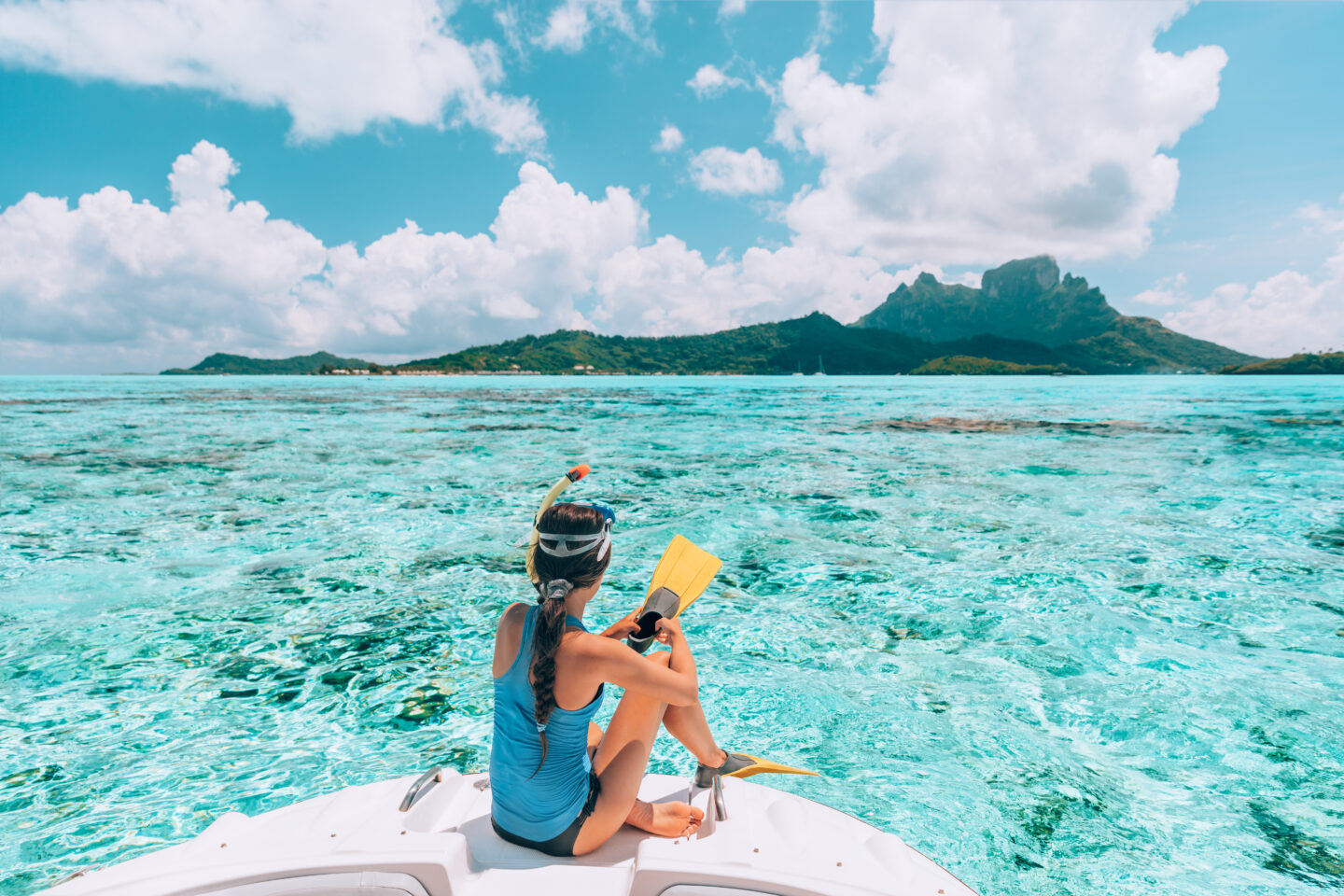
For the cautious traveller, the crew aboard yachts are always knowledgeable about these animals and can ensure a safe and memorable encounter. Aboard a yacht, the trip offers a more personalised experience. Whether you want to stay and watch the sunrise or spend a little more time appreciating nature, it’s your call.
A Guide to Respectful Wildlife Encounters at Sea
What makes wildlife encounters so mesmerising is that they feel natural yet powerful, leaving a sense of awe. A feeling that generations to come should know, which is why we should take extra care and treat the ocean with respect now. Travelling responsibly helps keep these places untouched and beautifully wild, free from human interference.
Without even having to memorise marine life interaction guidelines, just remember that the goal is always to be an observer, like with museum paintings: we do not touch them but appreciate them with our whole being. The best encounters are those where you leave no trace but depart with a deeper appreciation for the ocean and a lasting memory.

TRENDING ARTICLES


FEATURED YACHT