There’s a noticeable shift happening in the way people travel, and it’s less about where they’re going than how they want to feel when they get there.
Luxury experiential travel company Pelorus has been seeing it first-hand. Travellers aren’t necessarily asking for more remote destinations or more elaborate itineraries. If anything, the opposite. What does this place mean? Who will we meet? What will we actually take away from it?
The Dawn of Awakening Travel
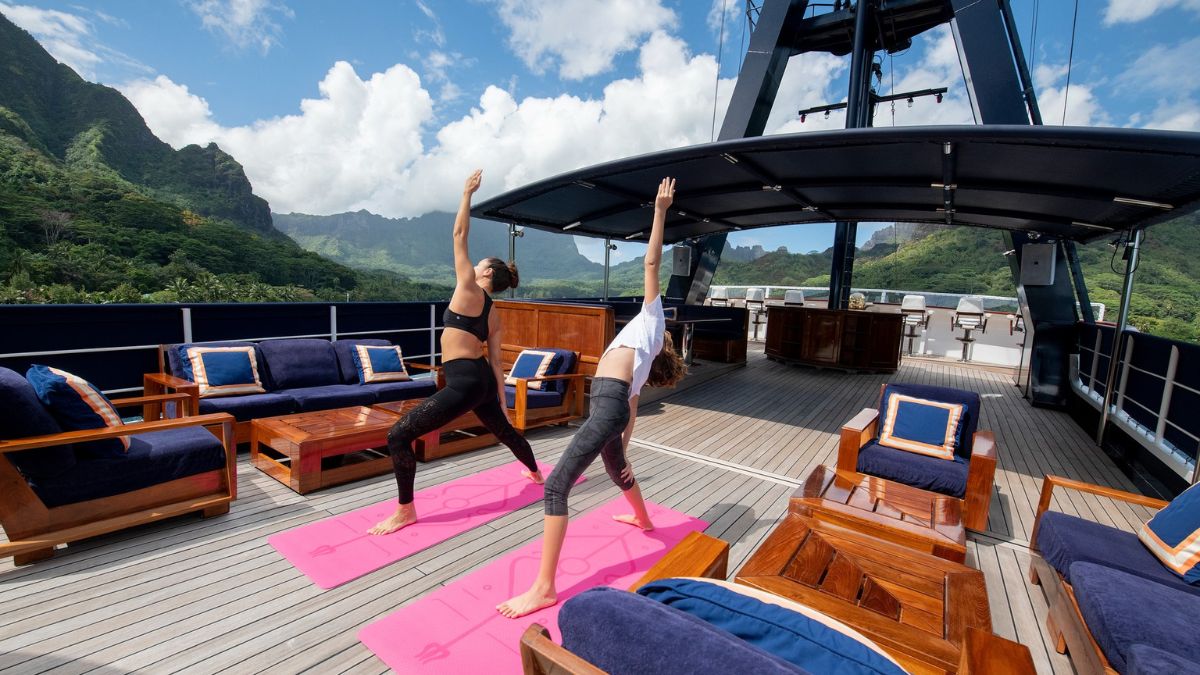
Pelorus has framed this shift as awakening travel. What’s changing isn’t where people go, but how they move through a place once they arrive. There’s less urgency to cover ground, less appetite for tightly packed itineraries. Instead, the focus is shifting towards travel that feels more rooted, where culture is lived rather than presented, and where time isn’t something to optimise: a way of travelling that leaves space for things to happen.
Pelorus has started building itineraries around that shift. Journeys that are still carefully designed but feel less managed, and the experience itself is allowed to come forward.
Norway to Scotland: Letting the Landscape Lead
Traditionally, a charter itinerary is built around movement. A sequence of destinations, carefully plotted, often with the aim of covering as much ground as possible within a limited timeframe. There’s a certain energy to that kind of travel, but it can also feel compressed.
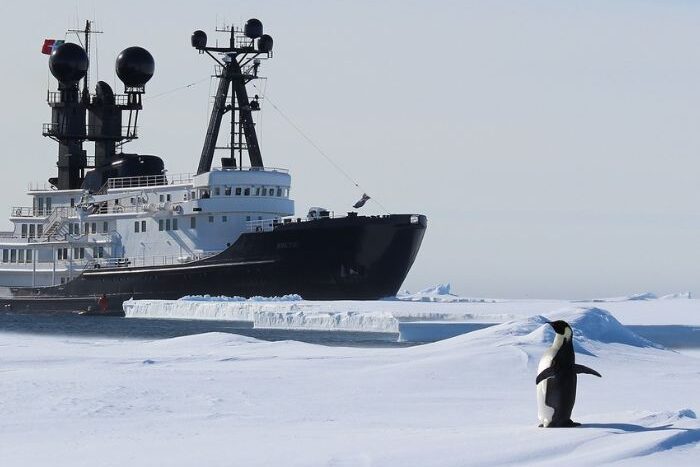
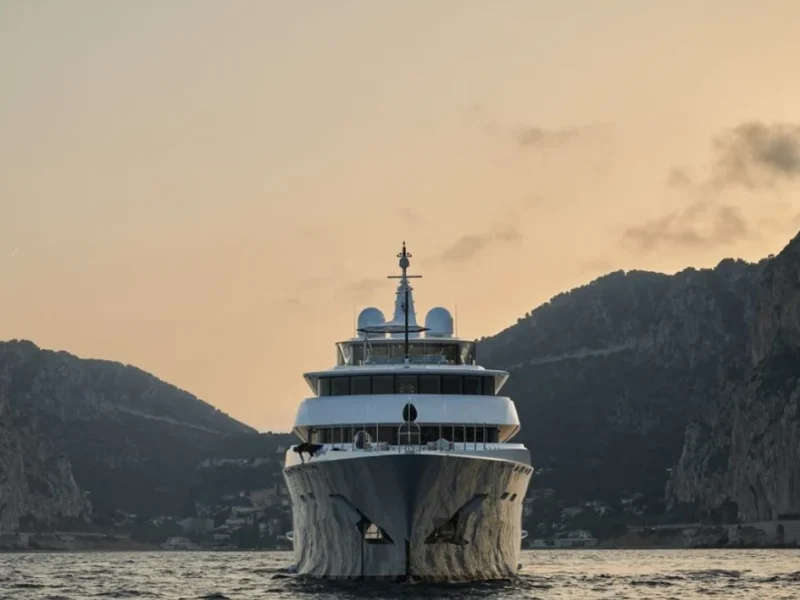
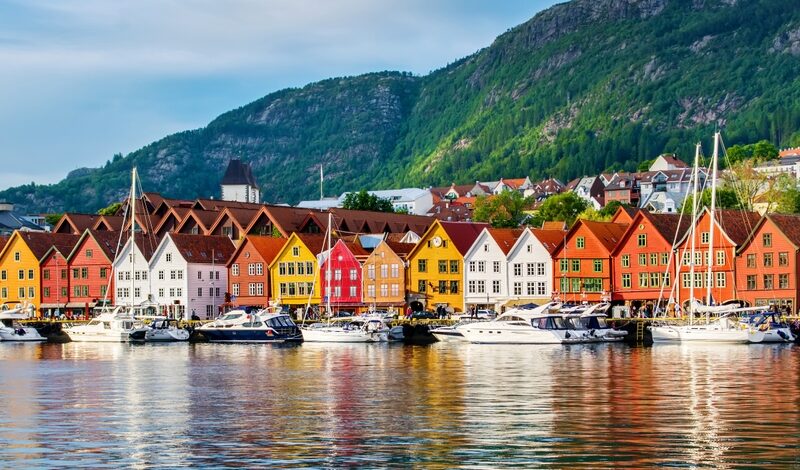
Pelorus is taking a slightly different approach with its northern itineraries, from Norway’s western fjords down towards Scotland’s more remote islands. Stops feel less like scheduled visits and more like extensions of the journey itself.
In Nordfjordeid, visiting one of the world’s most detailed Viking longship reconstructions isn’t treated as a standalone highlight. It’s part of understanding a region where seafaring history still quietly informs the present. Elsewhere, the rhythm is set by the landscape. Walking beneath glaciers, spending time on the water, or simply remaining anchored in one place for longer than expected.
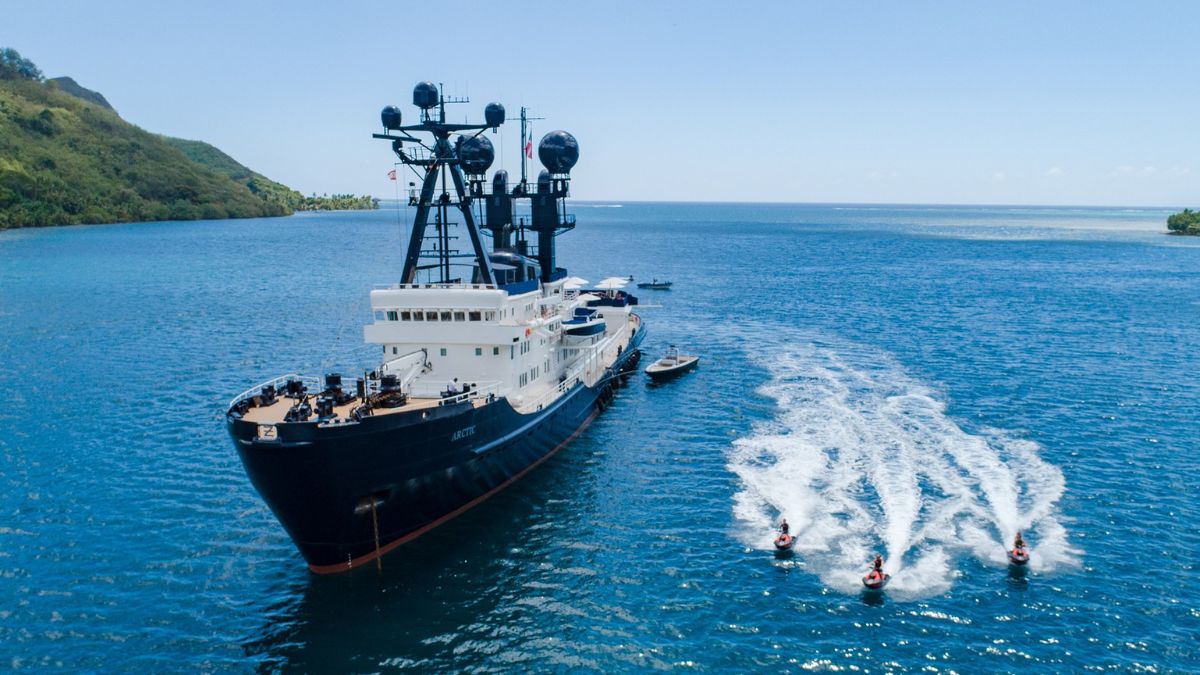
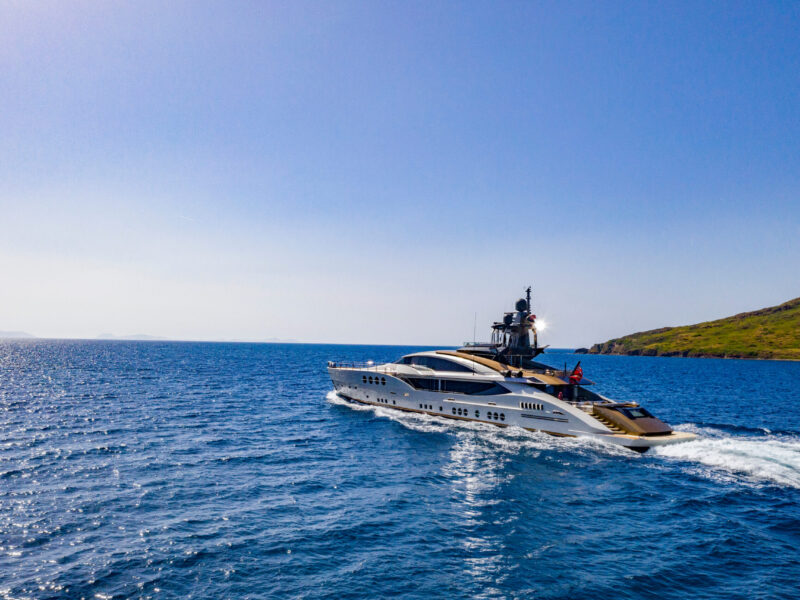
On board, the yacht isn’t the centre of attention in the way it sometimes can be. It becomes a place to return to rather than the main event. Meals stretch out without structure. Lunch turns into the afternoon. Dinner might happen late, or not at all in the formal sense. Evenings are left open. Sometimes there’s music, sometimes conversation, sometimes nothing.
Explore Norway and Scotland by expedition yacht ARCTIC from €590,000 per week.
Bhutan and Nepal: Where Time Opens Up
In Bhutan and Nepal, the shift shows up in the pacing. The key sites are still part of the journey – monasteries, temples, high-altitude routes – but there’s less pressure to move through them quickly. You stay longer where it feels right and leave without it being signposted.
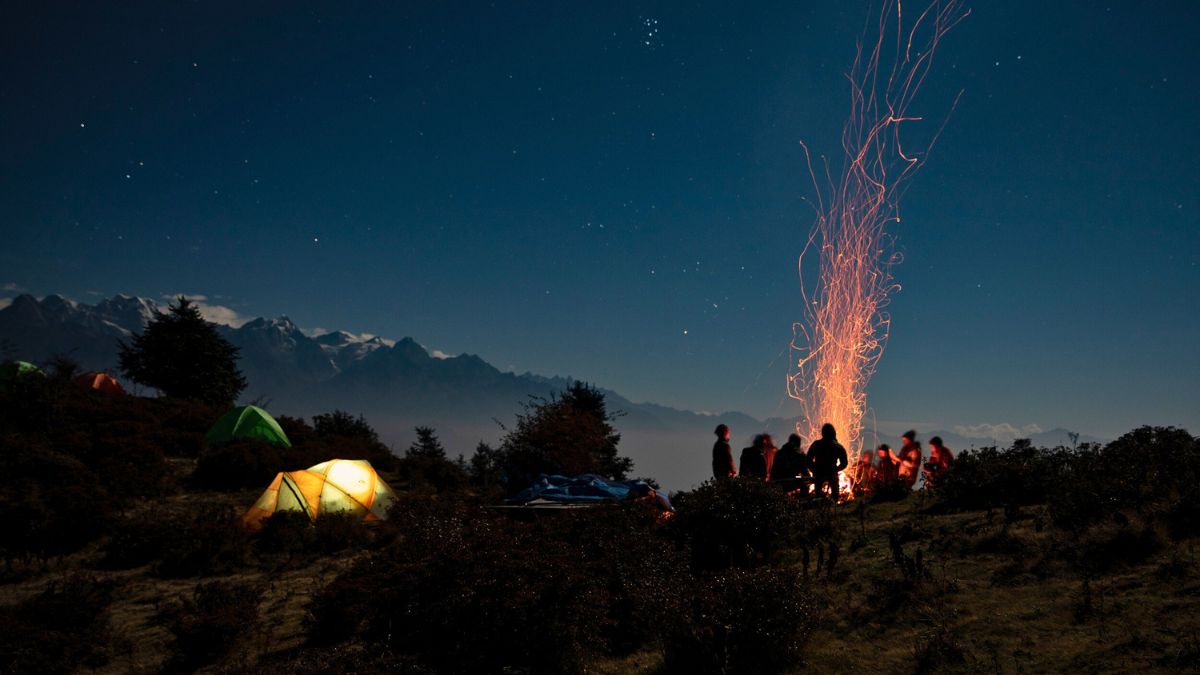
There’s space in the days. Early mornings happen naturally in the mountains. Visits to places like Punakha Dzong, or smaller monasteries that sit slightly off the main routes, are given time without much structure around them. You’re not being guided through every detail, which changes how you experience them.
Even the more well-known moments feel less defined. The climb to Tiger’s Nest is still demanding, but it unfolds gradually. The rhythm of the ascent, the shift in air, the way the monastery comes into view piece by piece. By the time you reach it, the experience already feels complete.
Experience Wellness & Wonder in Nepal and Bhutan – 21 nights from £55,000 per person, excluding flights.
Peru’s Sacred Valley: Living Traditions
In Peru’s Sacred Valley, the emphasis leans more towards cultural continuity. Experiences are built around traditions that are still part of daily life rather than reconstructed for visitors. A Pago a la Tierra, guided by a local shaman, isn’t presented as a spectacle. It happens as it would anyway, with or without an audience.
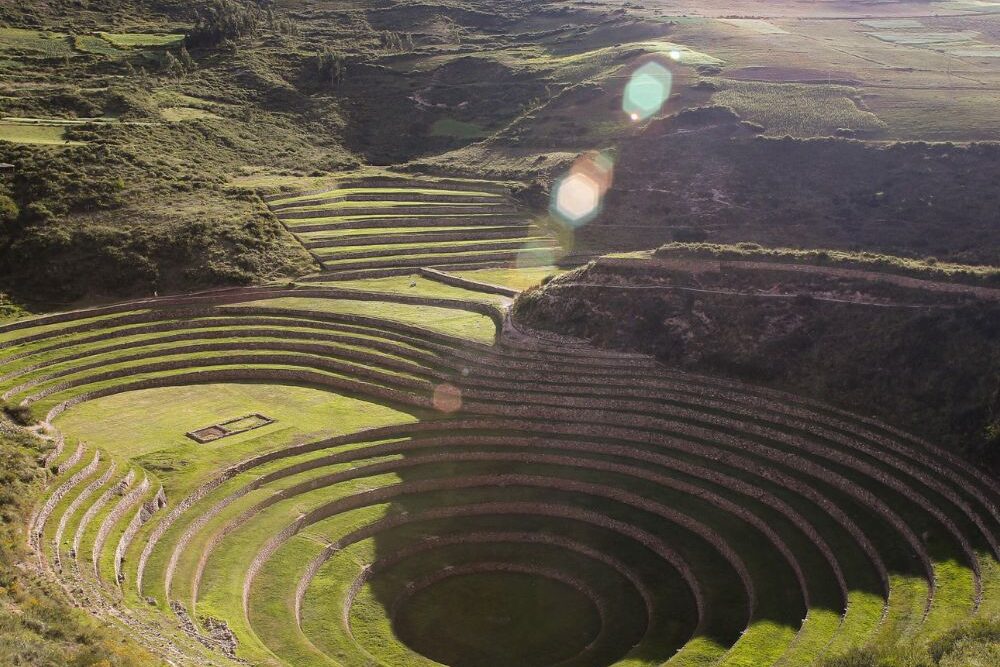
The same goes for smaller encounters, like a coca leaf reading in someone’s home or time spent in towns where these practices haven’t been packaged or simplified.
The landscape does some of the work too. The altitude, the scale of it, the sense of space. It slows you down whether you intend it to or not. You walk more carefully, breathe more deliberately, and without trying too hard, your attention shifts.
Discover Awakening in the Andes – 10 nights from £22,300 per person, excluding flights.
Luxury Isn’t Necessarily All About More Anymore
Awakening travel shows how the focus has shifted towards how things feel while you’re there. The right timing, the right place, the sense that things are unfolding naturally rather than being tightly controlled.
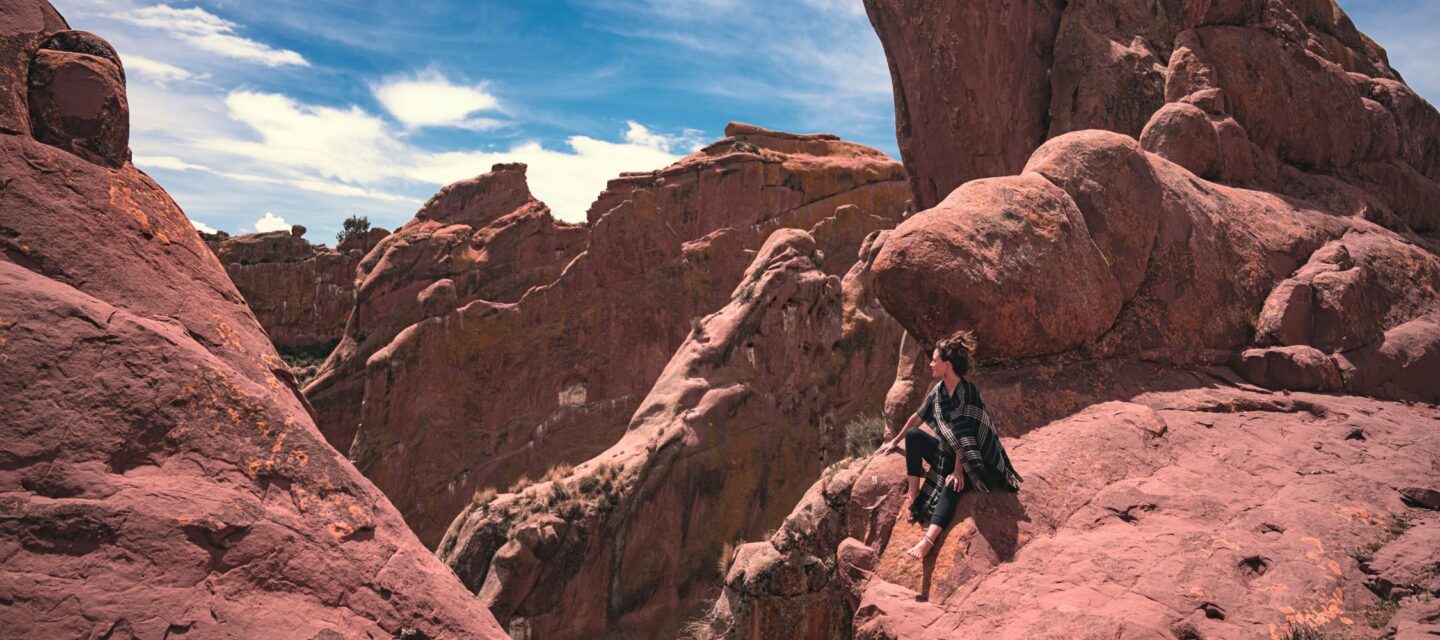
Pelorus isn’t so much chasing a trend as responding to a change in mindset. Travellers still want to go far, still want something exceptional. But covering ground isn’t enough on its own anymore. What matters more is whether a place feels real. Whether you’re actually part of it, even briefly, rather than just passing through.
That’s harder to get right. You can’t manufacture it, and you can’t force it into an itinerary. But when it happens, it’s the difference between a trip you tick off, and one that stays with you long after you’ve left.

TRENDING ARTICLES


FEATURED YACHT