Saudi Arabia has long been associated with business, oil and pilgrimage, but beyond the cities and headline projects lies a country rich with geographical diversity: volcanic deserts, high mountain plateaus, coral-rich coastlines and ancient caravan routes largely untouched by mass tourism.
For travellers looking to experience Saudi Arabia off the beaten track, it offers scale, silence and discovery. One day, you could find yourself hiking through mountain villages at 2,500 metres above sea level; the next, camping beneath sandstone cliffs in near-total isolation or diving through reefs in the Red Sea with hardly another boat in sight.
Saudi Arabia Off the Beaten Track
AlUla: Saudi Arabia’s Most Dramatic Desert Landscape
AlUla represents the ideal starting point for any Saudi Arabia off the beaten track trip. While the ancient Nabataean tombs of Hegra are becoming increasingly well known, the real appeal of the region lies beyond the heritage sites.
This dramatic landscape features towering sandstone monoliths, hidden canyons, vast desert valleys and rock formations shaped by centuries of wind erosion. It is appealing because it feels less polished than many luxury desert destinations elsewhere in the Gulf.
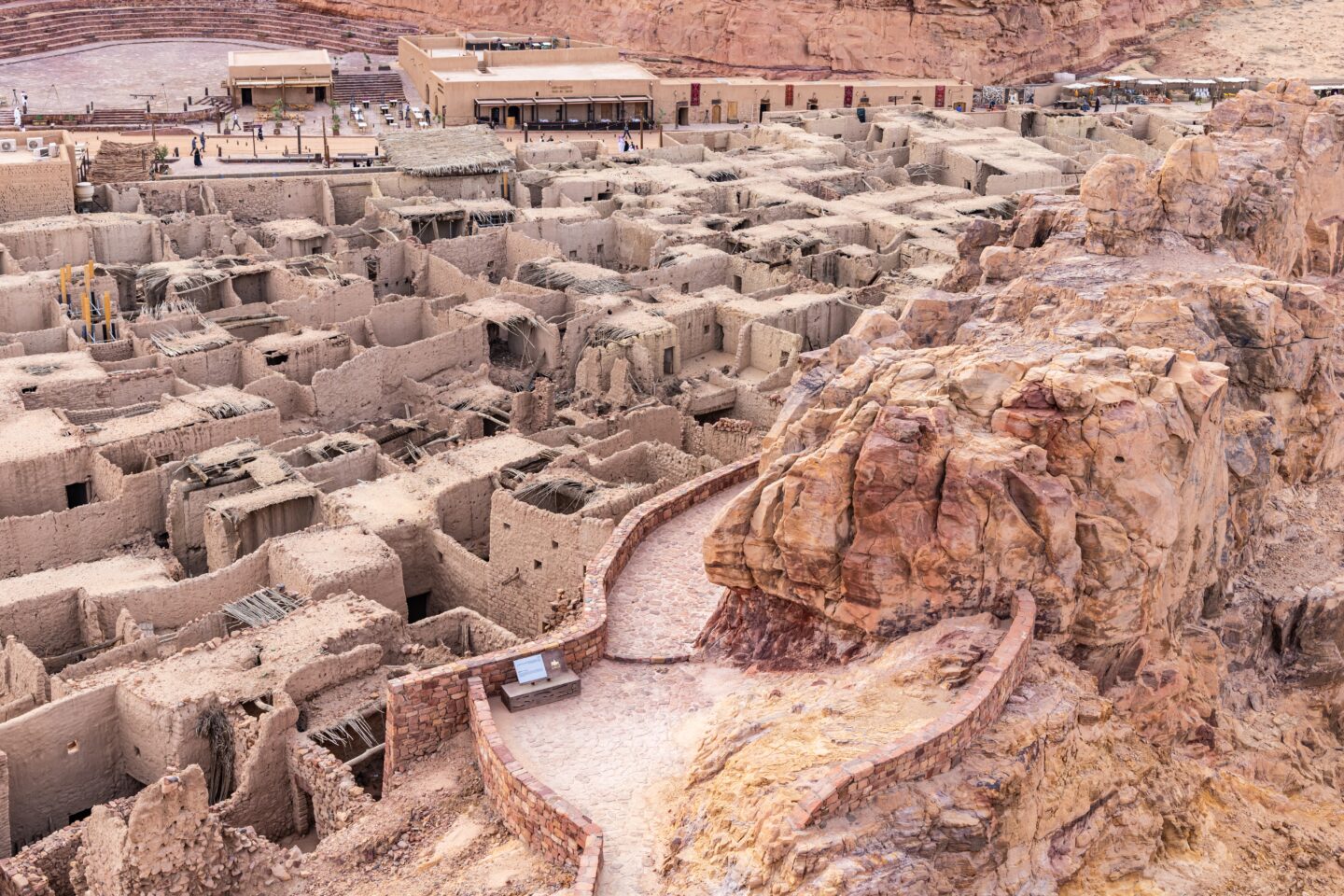
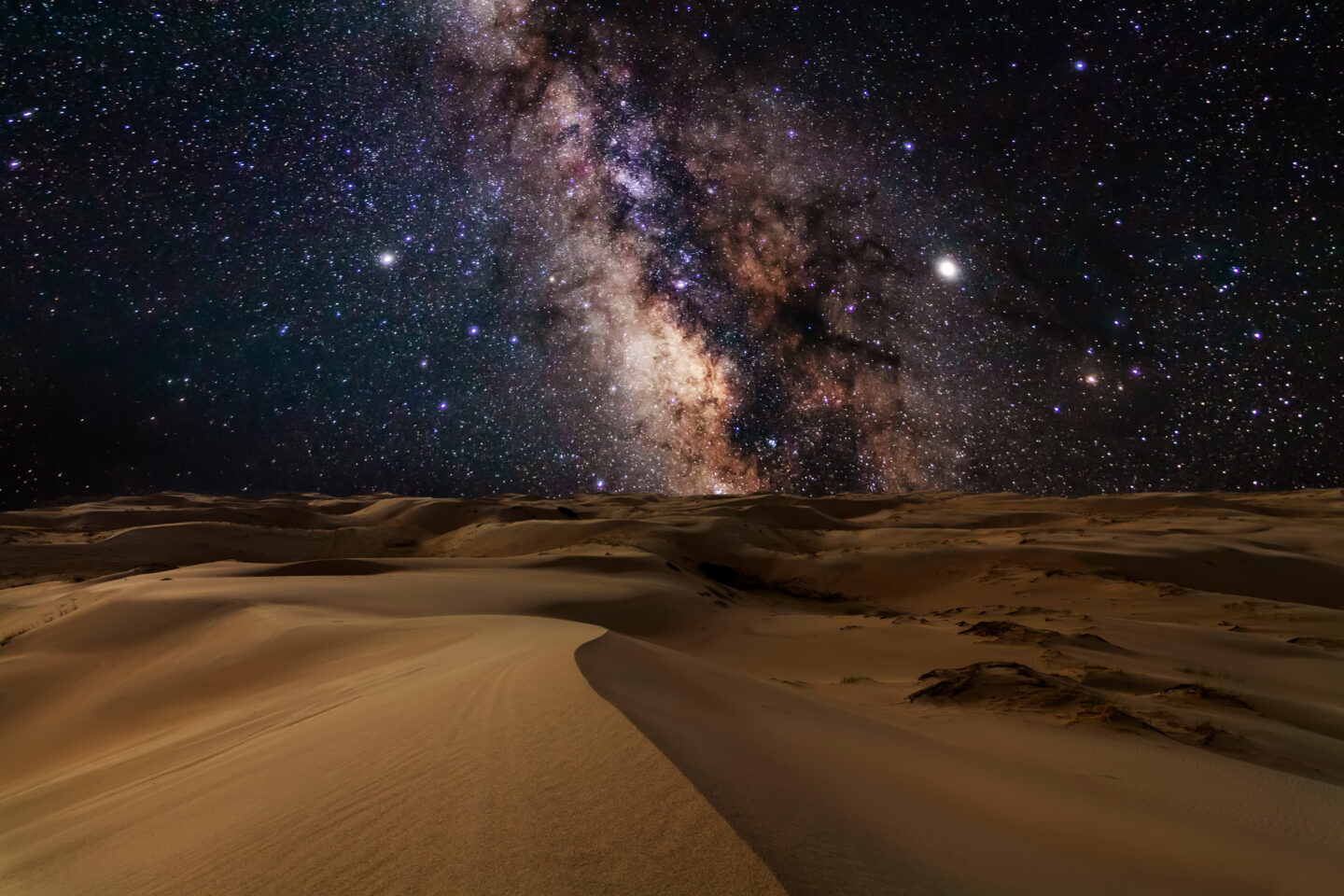
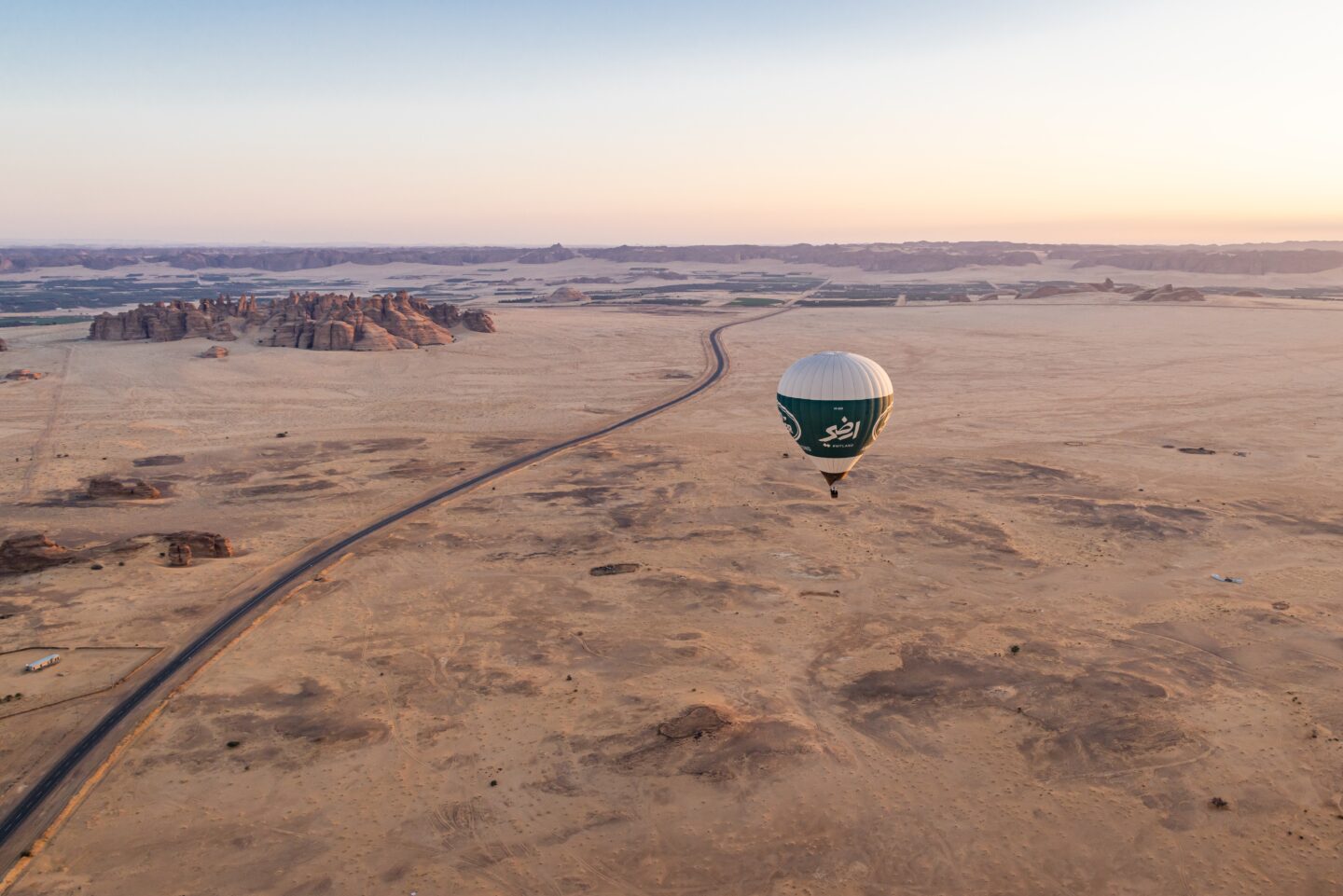
Adventure travellers can explore AlUla by hiking, rock climbing, trail running or fat biking through the desert terrain. Hot air balloon flights at sunrise reveal the scale of the landscape, while guided stargazing experiences take advantage of some of the clearest night skies in the region
The best time to visit AlUla for Saudi Arabia adventure travel is between October and March, when daytime temperatures are far more manageable for outdoor activities. Winter evenings can become surprisingly cold in the desert, so layered clothing is essential.
The Asir Mountains: Saudi Arabia’s Green Side
Although most travellers do not associate Saudi Arabia with mountains, forests or cool weather, the southwest region of Asir has all three in abundance, perfect for exploring Saudi Arabia off the beaten track.
Centred around the mountain city of Abha, the Asir region rises high above the desert plains and experiences a dramatically different climate from the rest of the country. Even in summer, temperatures are mild enough to make hiking enjoyable, while seasonal mist rolling through the mountains gives the landscape a Mediterranean atmosphere.
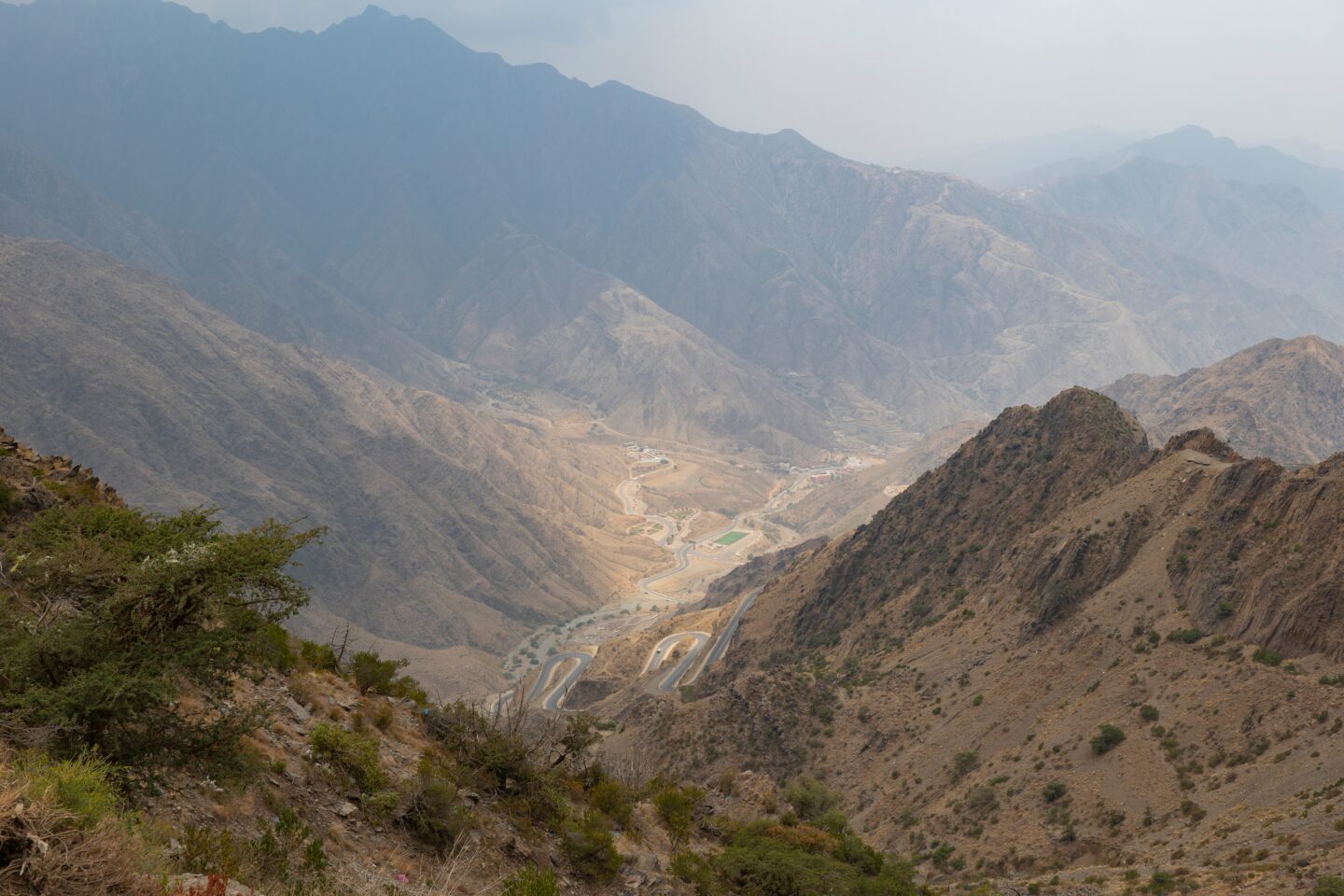
The region is ideal for trekking, paragliding and mountain biking, particularly around the escarpments of Jabal Sawda, Saudi Arabia’s highest peak. Traditional stone villages cling to steep hillsides, and local markets feel worlds away from the hyper-modern image many visitors expect from the Kingdom.
For travellers interested in culture as much as adventure, the Asir region also preserves a distinct architectural and artistic identity, including colourful Al-Qatt Al-Asiri interior art, which is now recognised by UNESCO.
The ideal time to visit Asir is from April to September, when the mountains provide relief from the intense summer heat elsewhere in the country.
Diving the Red Sea: Saudi Arabia’s Untouched Marine Frontier
While Egypt and Jordan dominate most Red Sea diving conversations, Saudi Arabia’s western coastline remains comparatively unexplored.
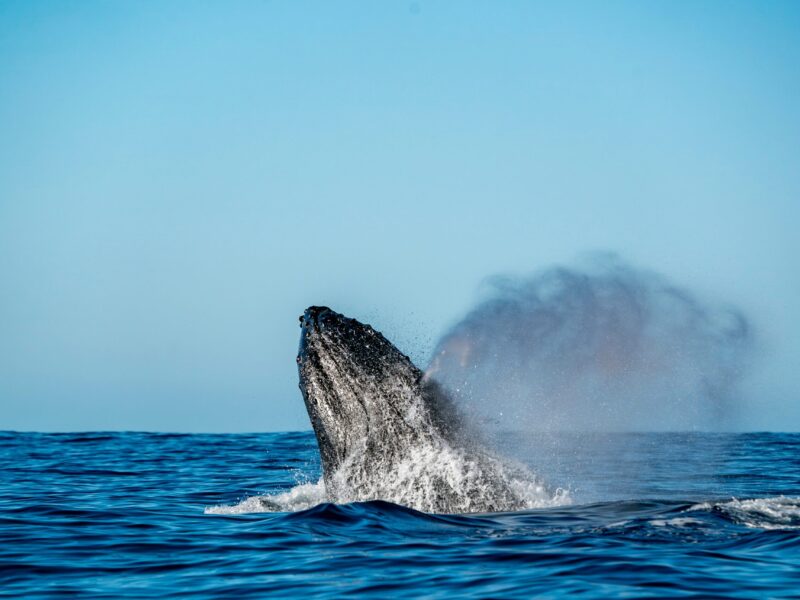
The Saudi Red Sea offers healthy coral reefs, dramatic drop-offs and exceptional visibility, with far fewer crowds than more established dive destinations. Areas around Jeddah and the remote Farasan Banks are becoming particularly attractive for experienced divers looking for something less commercialised.
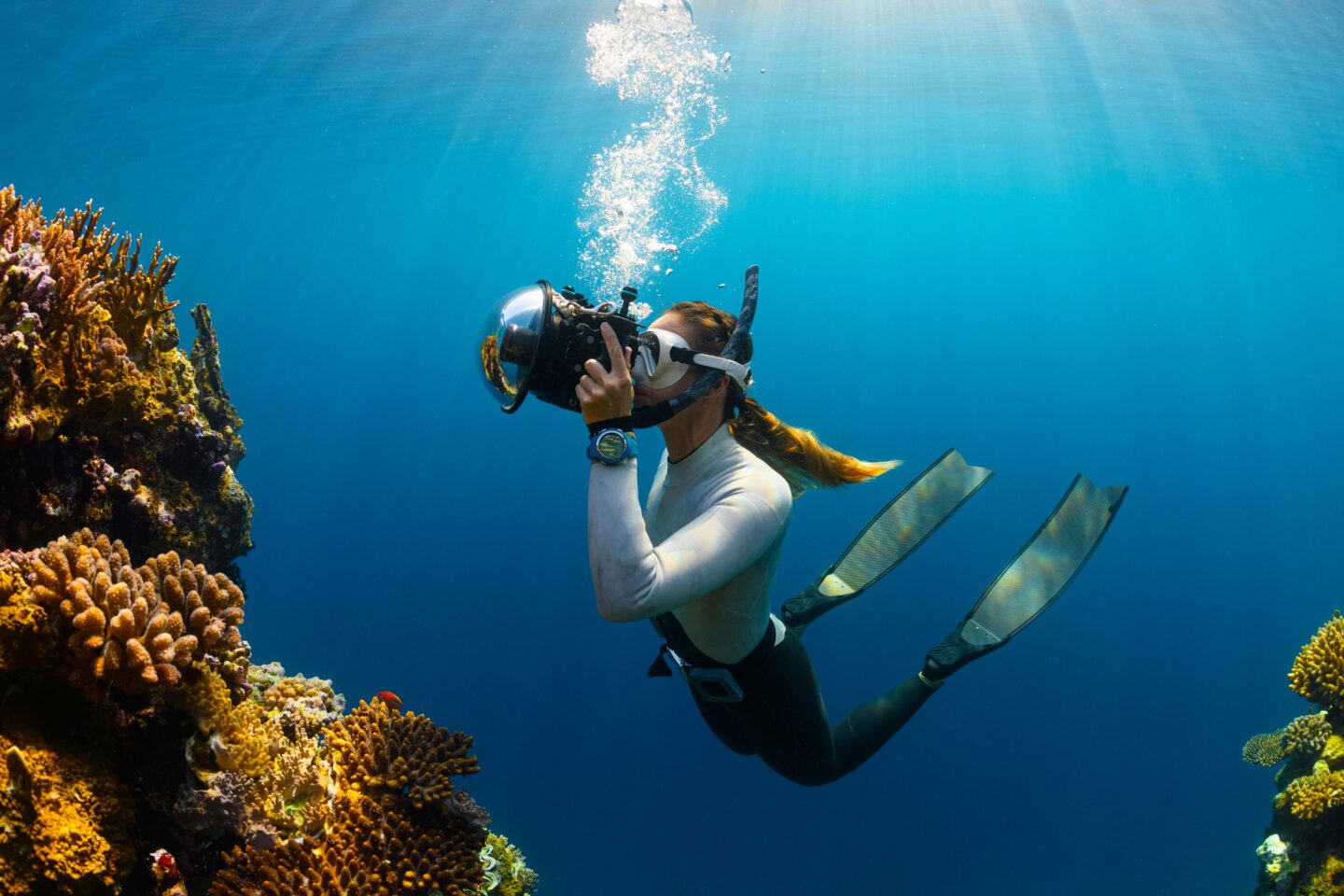
Marine life includes reef sharks, turtles, dolphins and vast coral gardens, while some liveaboard operators now access previously restricted dive sites that remained largely untouched for decades.
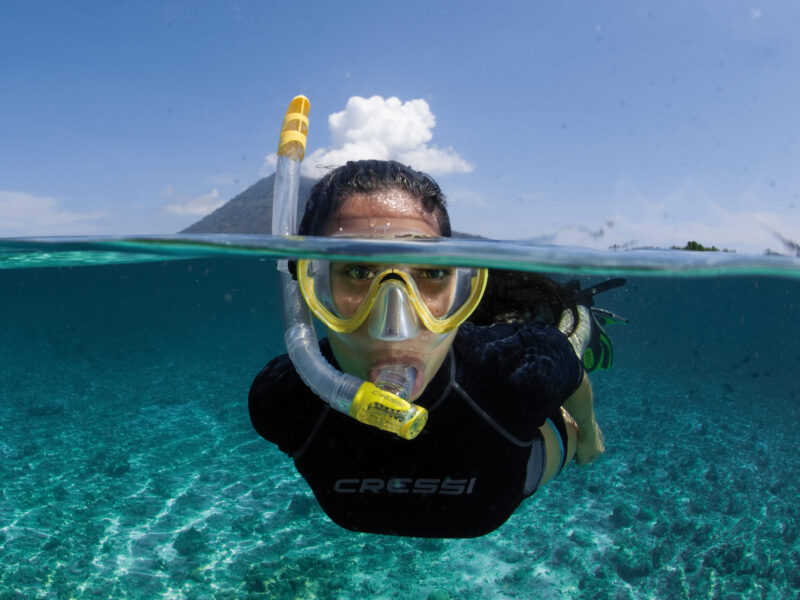
Snorkelling, kitesurfing and freediving are also growing rapidly along the coast, particularly as Saudi Arabia expands tourism infrastructure around the Red Sea.
The best conditions for diving are generally between March and June and again from September to November, when water temperatures and visibility are at their best.
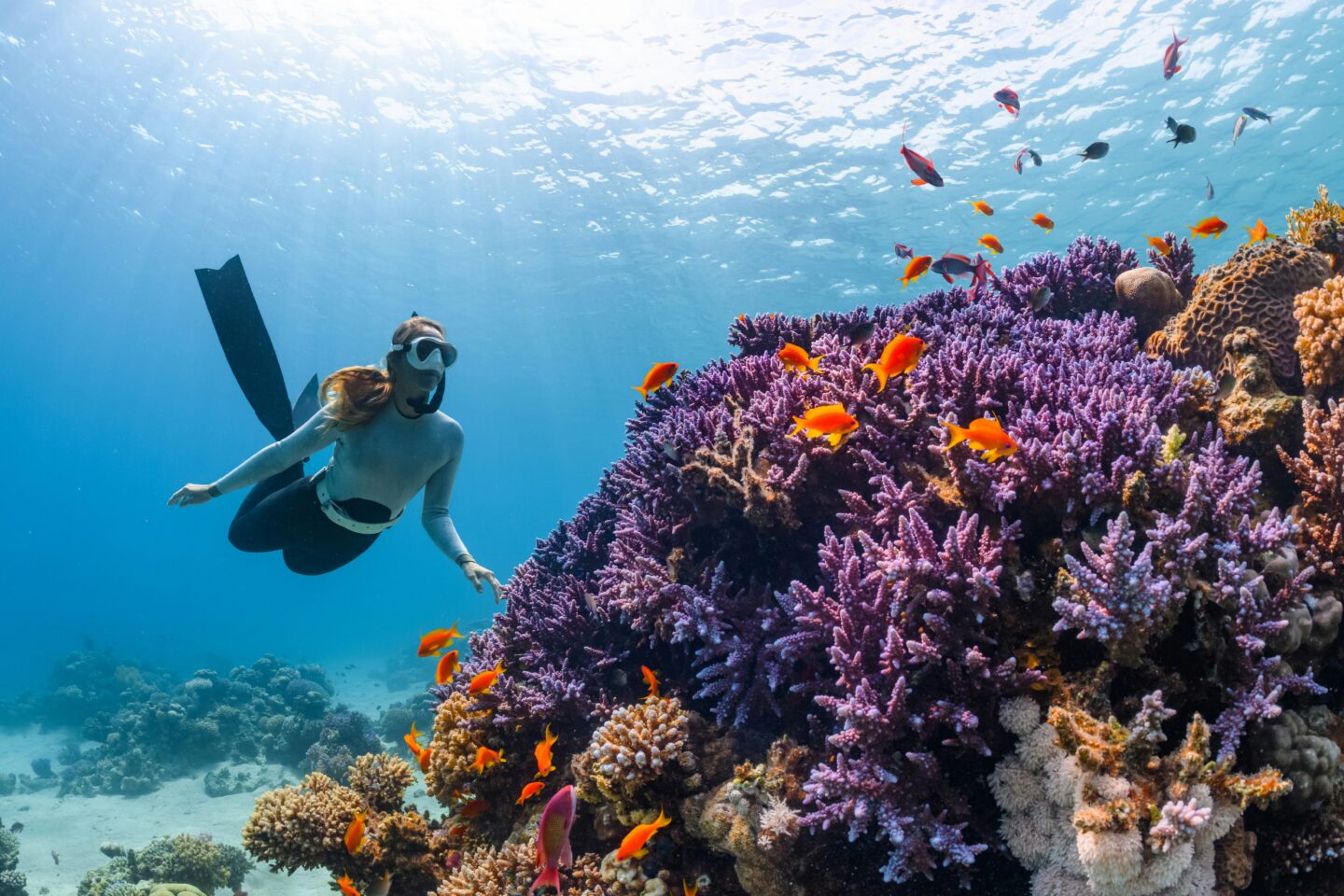
This advice comes with the important caveat that care must be taken at all times when diving, whether in protected areas or not. Marine life must be respected and not disturbed. If in doubt about the safety of marine life, do not dive!
Empty Quarter Expeditions: Real Desert Isolation
For travellers seeking true remoteness for their Saudi Arabia off the beaten track trip, few places on Earth compare with Rub’ al Khali, better known in English as the Empty Quarter.
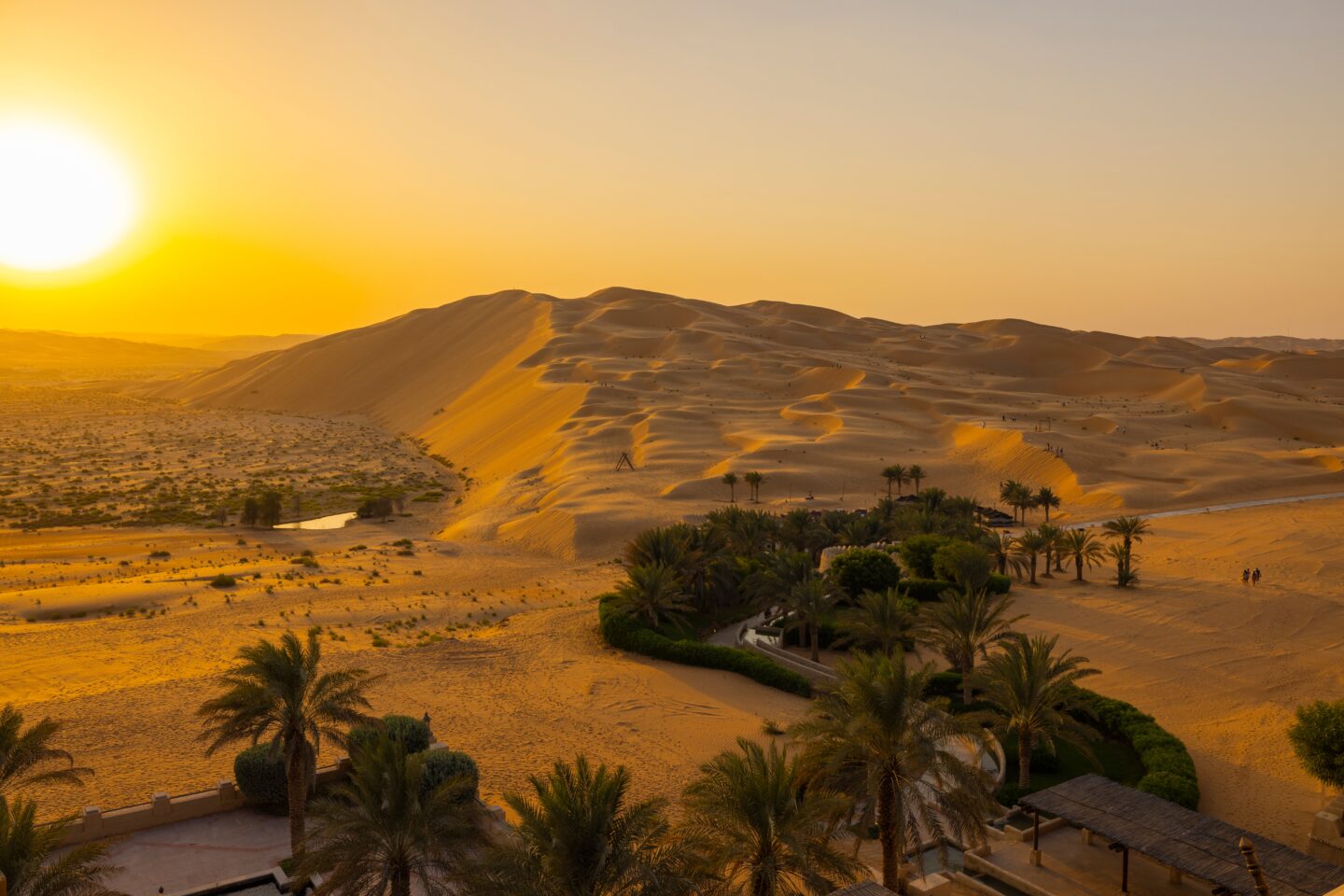
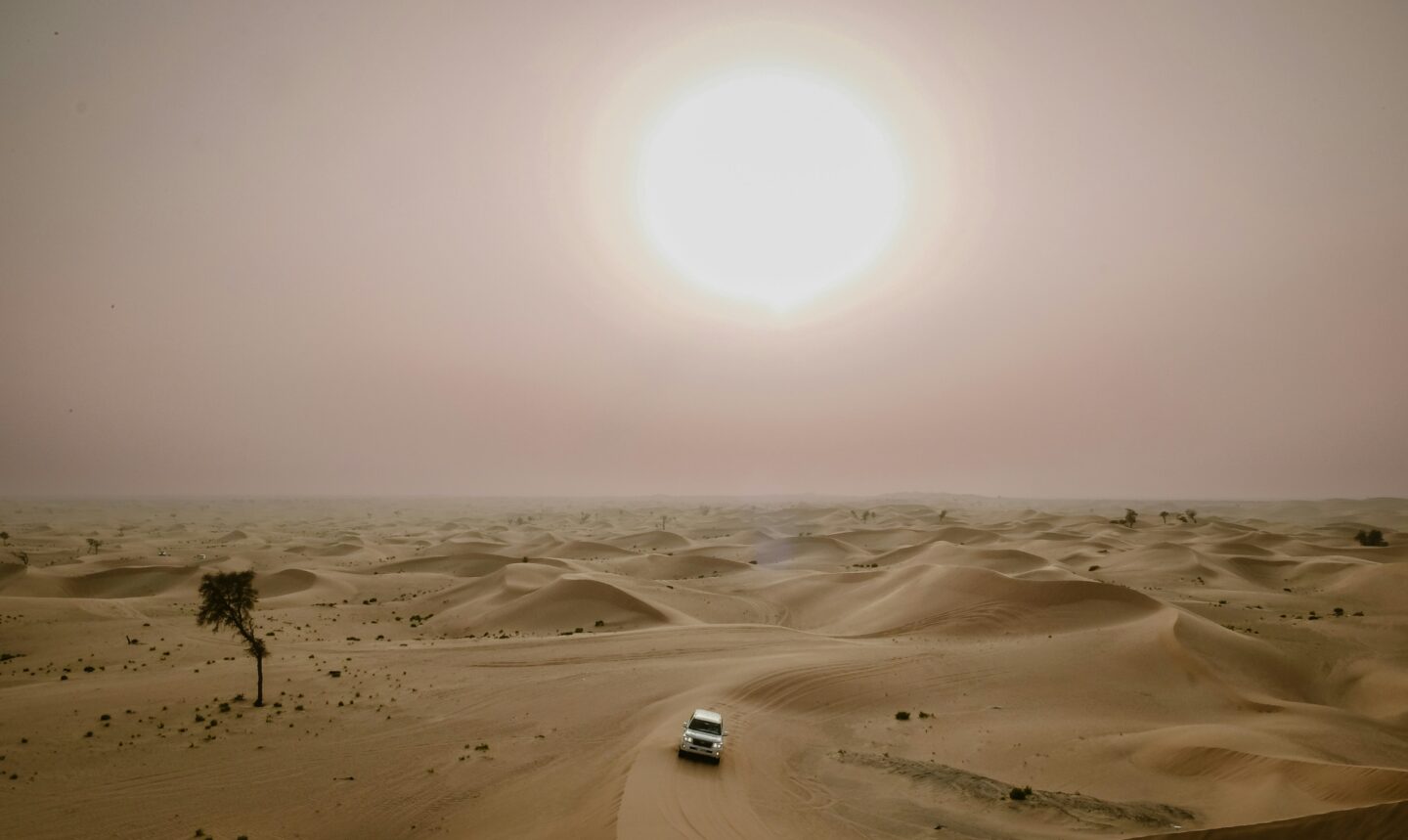
Stretching across much of southern Saudi Arabia, it is the largest continuous sand desert on the planet. The scale is difficult to comprehend until you are inside it: rolling dunes stretching to the horizon, absolute silence and almost no sign of modern civilisation.
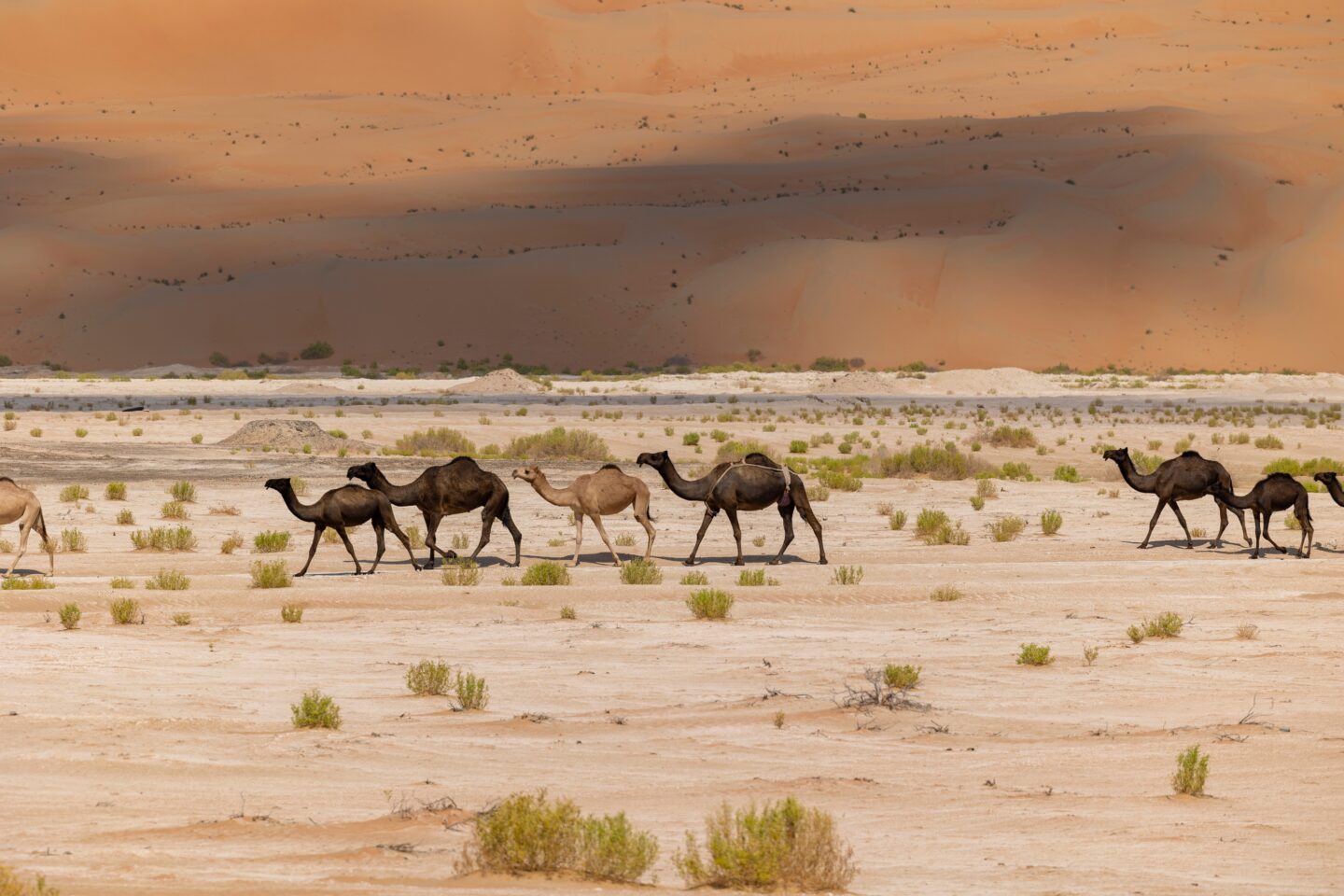
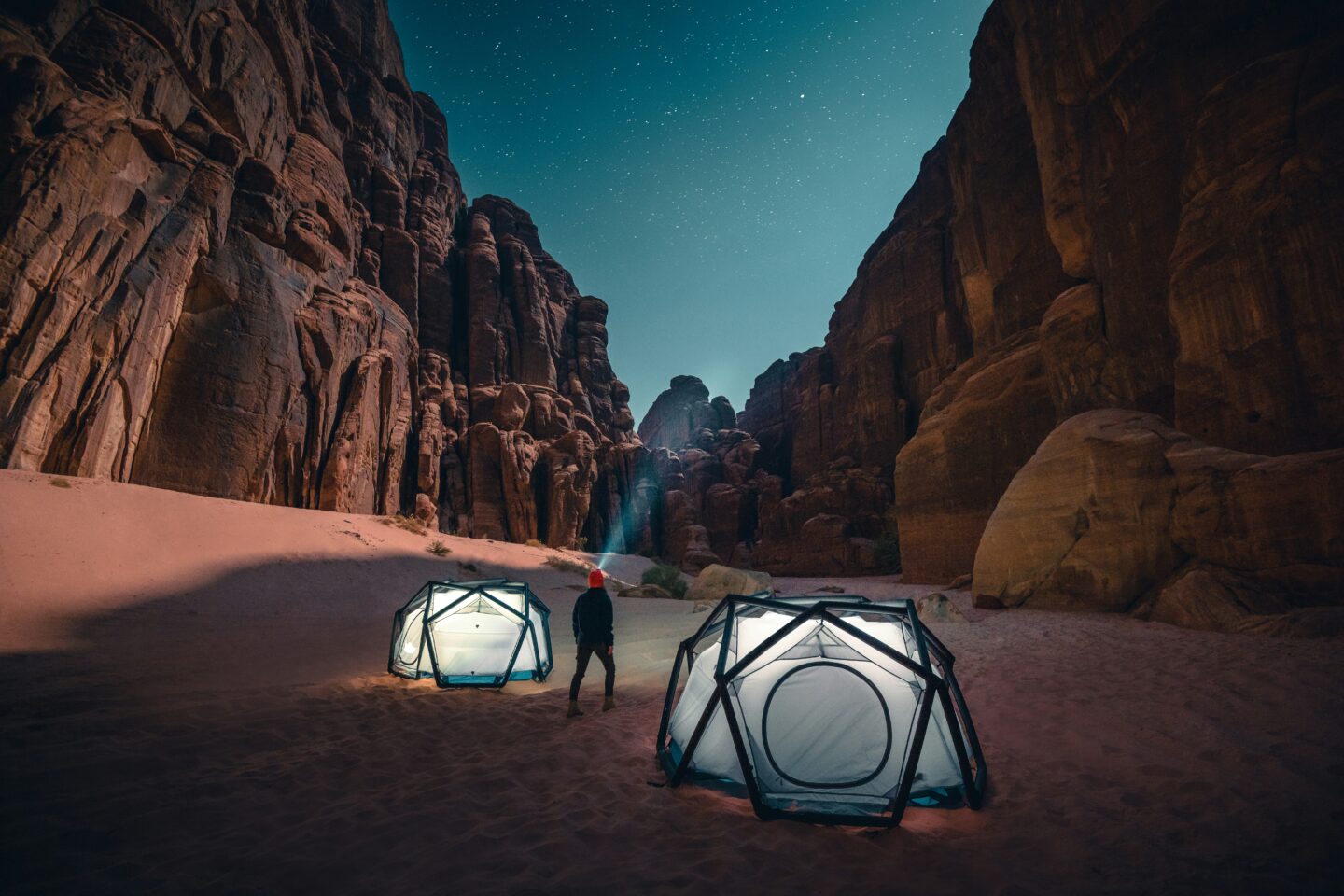
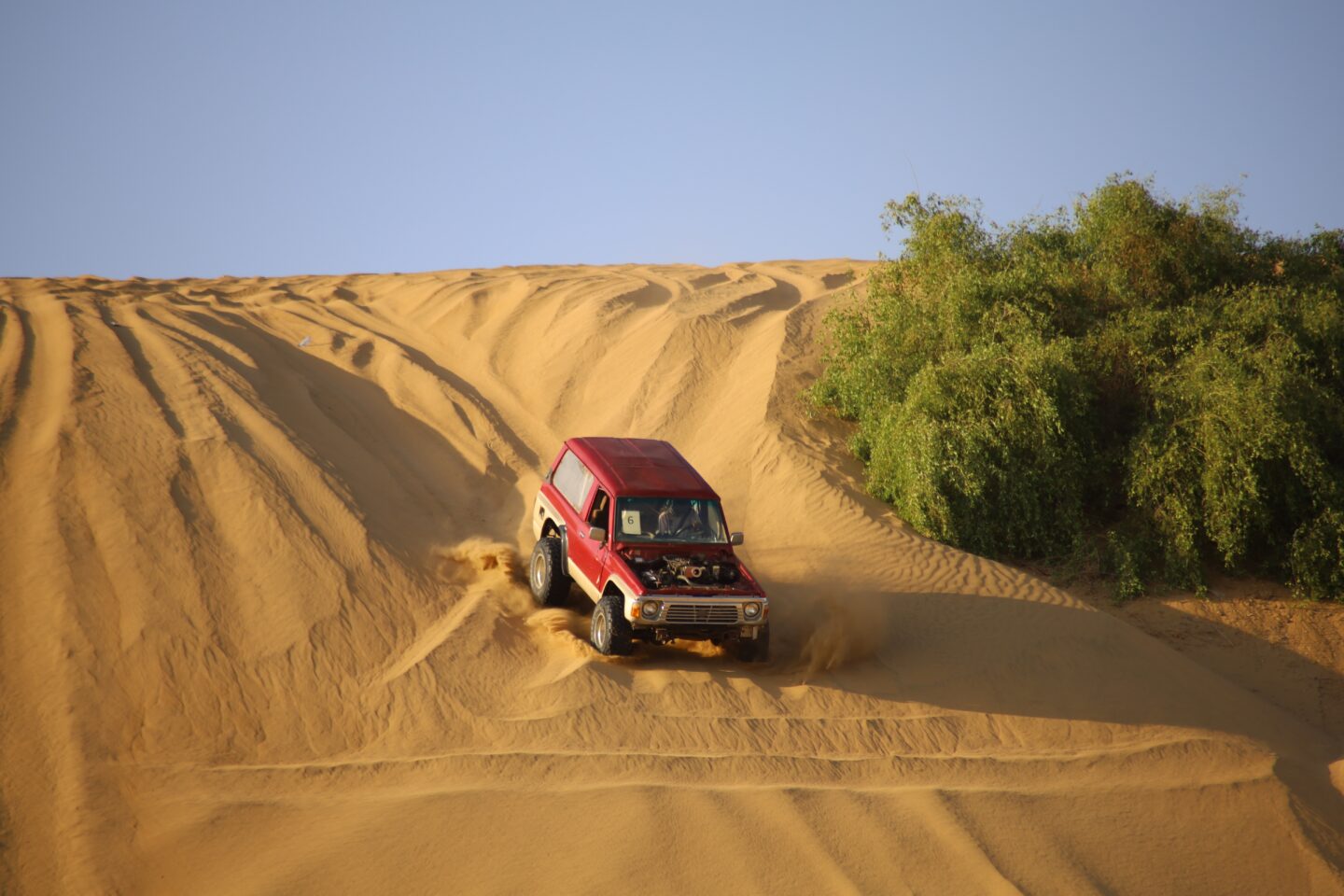
Expeditions here are not casual tourist excursions. Multi-day Saudi Arabia desert adventures typically involve experienced guides, 4×4 convoys and remote camping beneath the stars. Activities include dune bashing, sandboarding, camel trekking and desert navigation.
The best months to visit are from November to February, when temperatures are safer for extended time outdoors.
Edge of the World: Hiking Beyond Riyadh
Less than two hours from Riyadh lies one of Saudi Arabia’s most dramatic natural viewpoints: Edge of the World.
The cliffs rise from the desert floor, creating a seemingly endless panorama that once overlooked ancient caravan routes crossing the Arabian Peninsula. Hiking trails along the escarpment are relatively accessible, making it one of the easiest adventure excursions from the capital.
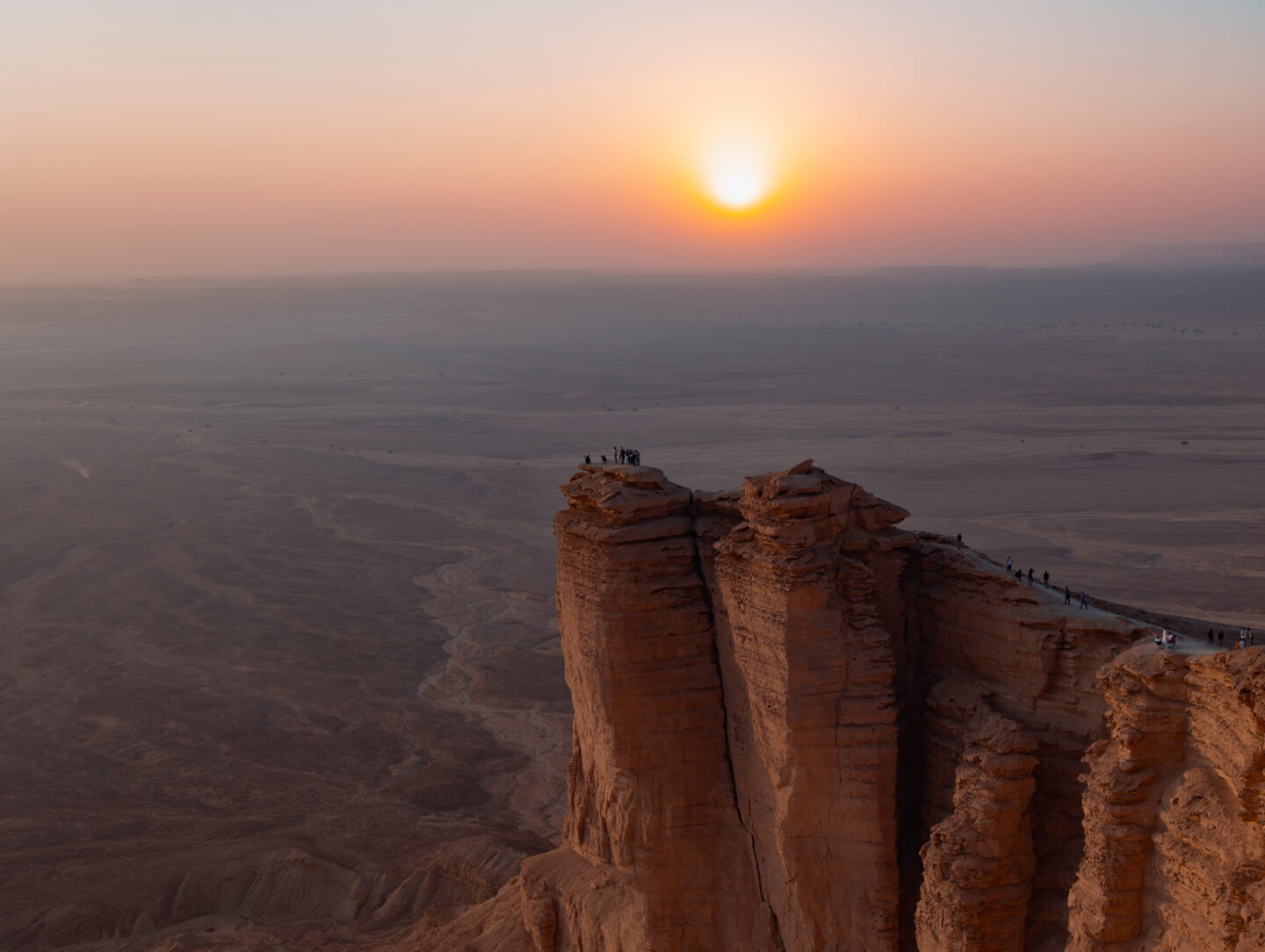
Sunrise and sunset are particularly spectacular here, when the desert light turns the cliffs deep gold and orange. Camping trips are increasingly popular, though conditions remain rugged, and preparation is important.
The cooler months from October to March are ideal for hiking in this region for your Saudi Arabia off the beaten track trip.
Practical Tips for Saudi Arabia Off the Beaten Track
Saudi Arabia is changing rapidly as tourism expands: Infrastructure in major cities is modern and efficient, though remote regions require more planning than many established adventure destinations.
Domestic flights make covering long distances relatively straightforward, but road trips remain one of the best ways to experience the country’s landscapes. Renting a 4×4 is often essential for reaching more remote desert or mountain regions.
While Saudi Arabia has relaxed many regulations for visitors, modest clothing and awareness of local customs remain important, particularly outside major urban centres.
Finally, travellers should avoid trying to see everything at once. Saudi Arabia is enormous, so make sure you allow enough time to tick everything off your list.

TRENDING ARTICLES
FEATURED YACHT