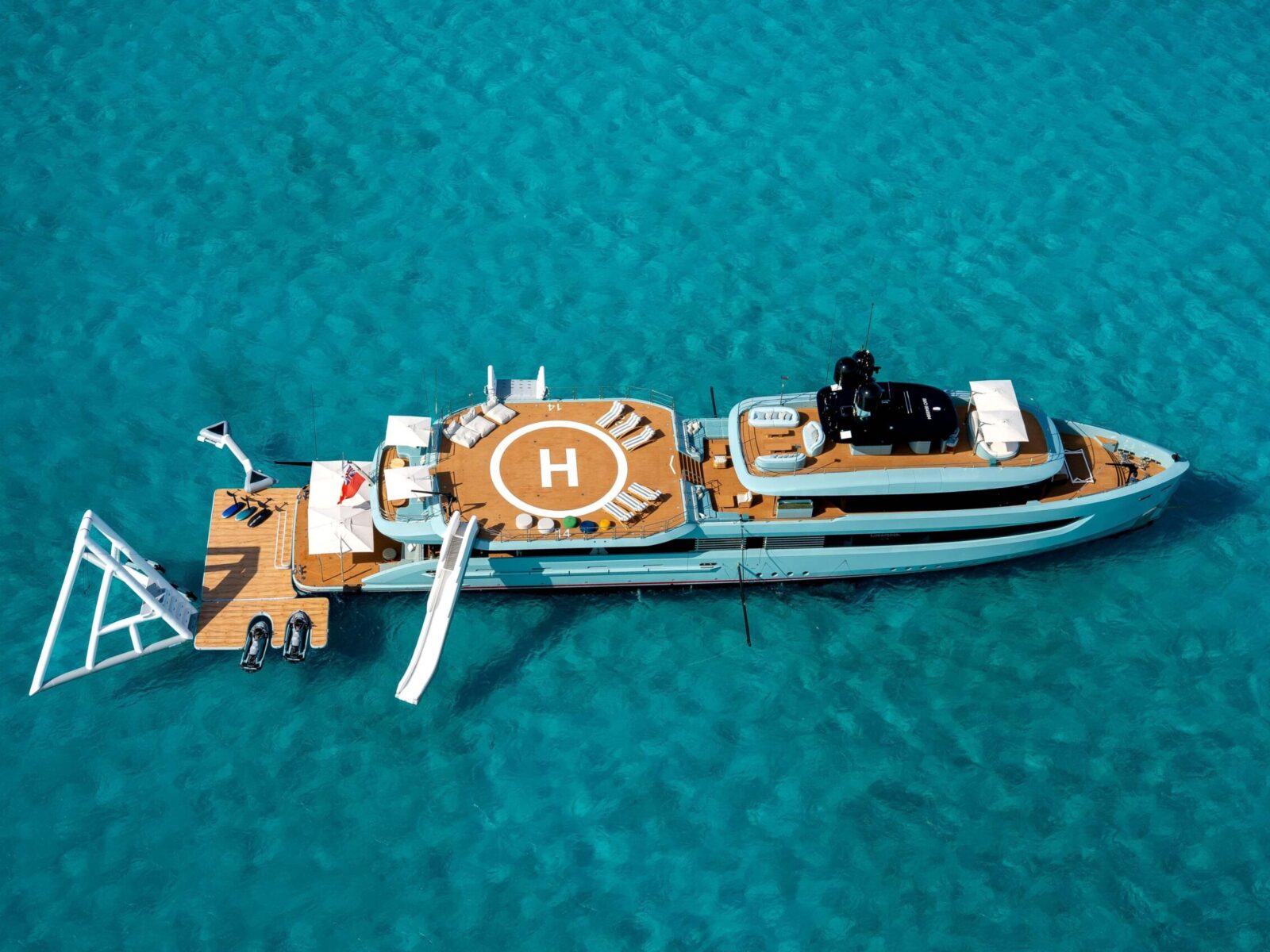
At some point on any yacht charter, someone always says it. It’s usually mid-morning, still easing into the day, drink in hand: shall we get the water toys out? And that’s when everything starts.
Because for all the attention paid to the yacht itself, the design, the cabins, the food, it’s what happens in the water that people end up remembering. The part that feels less structured, less considered, and far more instinctive. It’s also the moment a charter starts to feel like something else entirely, something less like a holiday you’ve planned and more like one you’re just letting unfold.

Start with how you want to spend your day
The mistake is assuming yacht water toys are all about adrenaline. They can be, of course, and many of them are, but more often than not, water toys are about being in the water. About movement, and changing the pace of the day without really thinking about it. Before you start worrying about what’s on board, it’s worth considering how you actually like to spend your time.
Some groups want energy from the outset, music on, jet skis out, inflatable slides, towables, diving equipment: something happening at all times. Others take a slower approach, easing into the day, swimming when it feels right, snorkelling and kayaking, picking things up as they go. Most sit somewhere in between, which is where the balance of what’s available starts to matter.
The water toys everyone comes back to
Jet skis, as any ocean traveller can tell you, still set the tone. They’re immediate, uncomplicated, and surprisingly addictive. You step on, open the throttle, and within seconds, you’re moving fast enough to feel completely removed from where you started.
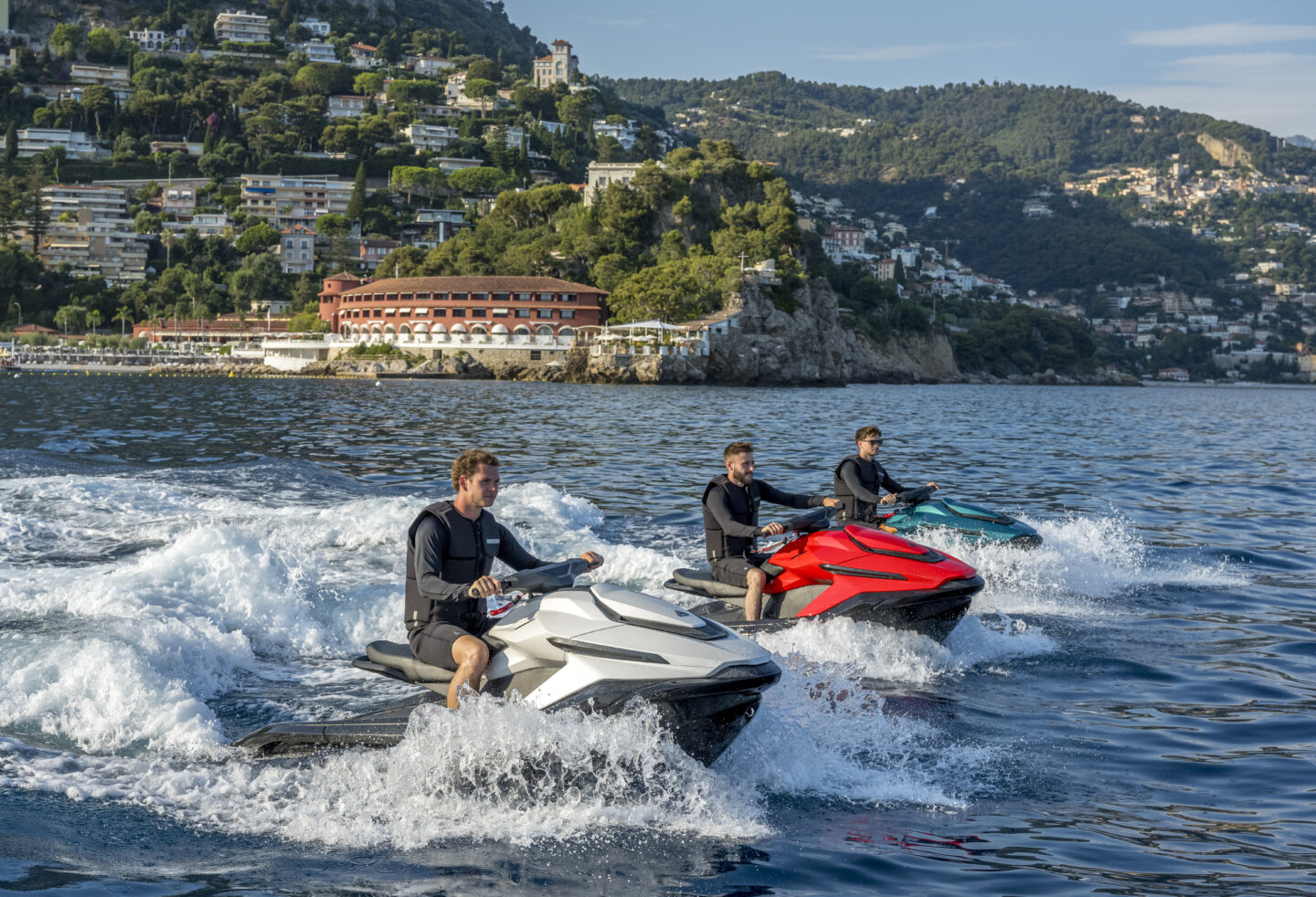
There’s very little learning curve, which is part of the appeal, and even those who claim they’re not interested tend to change their mind once they’ve had a go. They’ve become more refined over the years, easier to handle, more stable, but the core experience hasn’t changed much, and doesn’t need to.
What tends to get the most use, though, is often something simpler. Towables, for example, have a way of pulling everyone in, even those who would usually stay on deck. There’s no technique to master, no expectation to be good at it, just the basic instruction to hold on and see what happens.
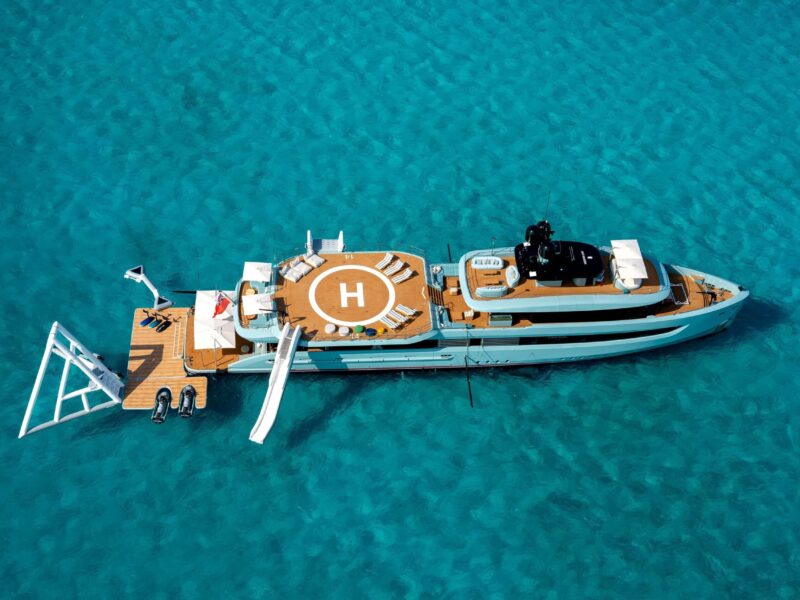
Banana boats, inflatable doughnuts, anything that involves being dragged behind a tender tends to create the kind of chaos that people remember long after the trip is over. The same goes for floating platforms and inflatable setups, which, once they’re in the water, become somewhere people linger rather than something they pass through.
For when things slow down
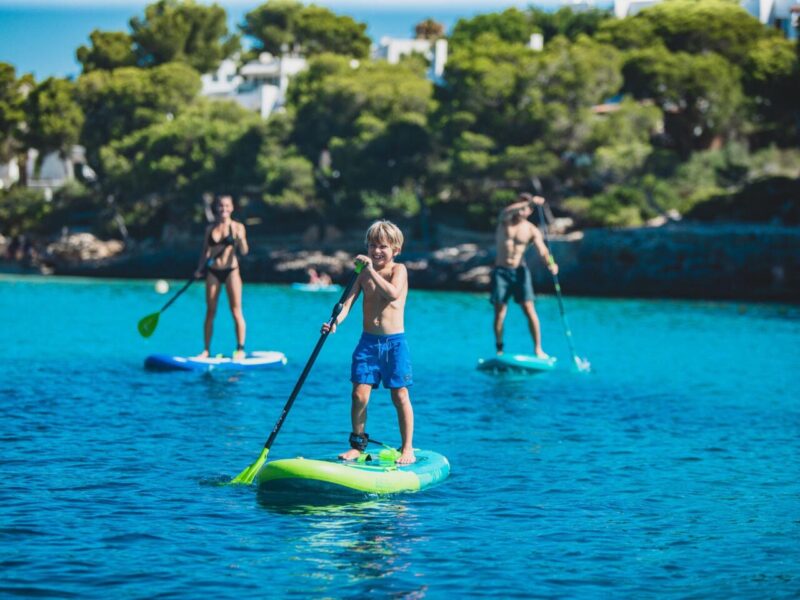
Paddleboards and sea kayaks sit at the opposite end of the spectrum, slower, quieter, and often used when everything else has calmed down. Early mornings or late afternoons, when the light softens and the water is still, tend to be when they come into their own. They don’t look like much at first, but they have a habit of becoming part of the daily routine.
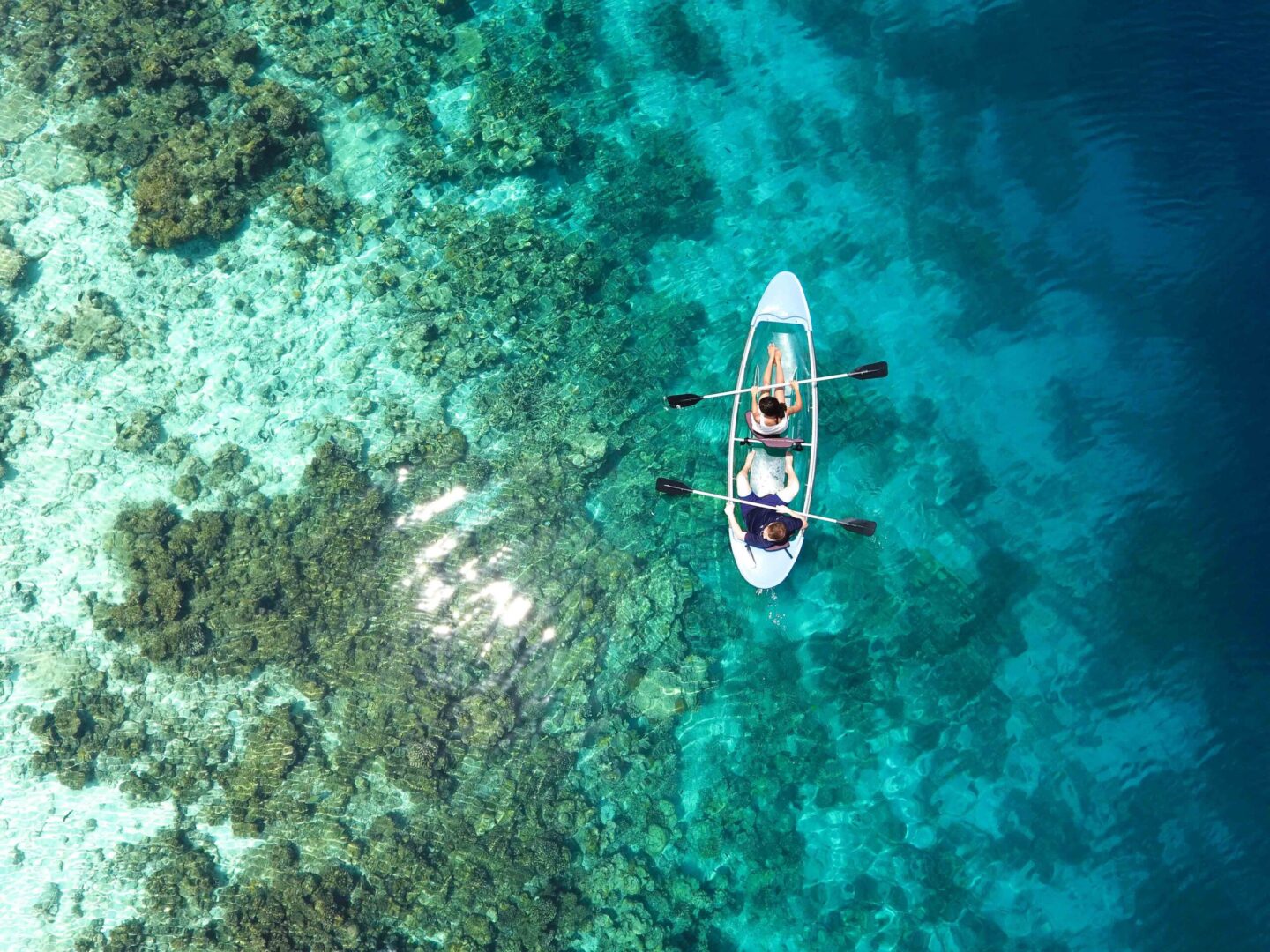
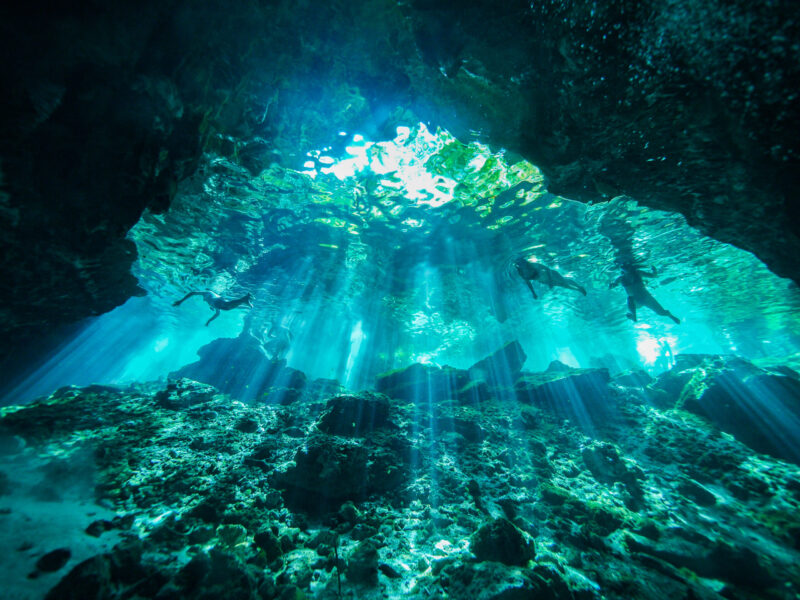
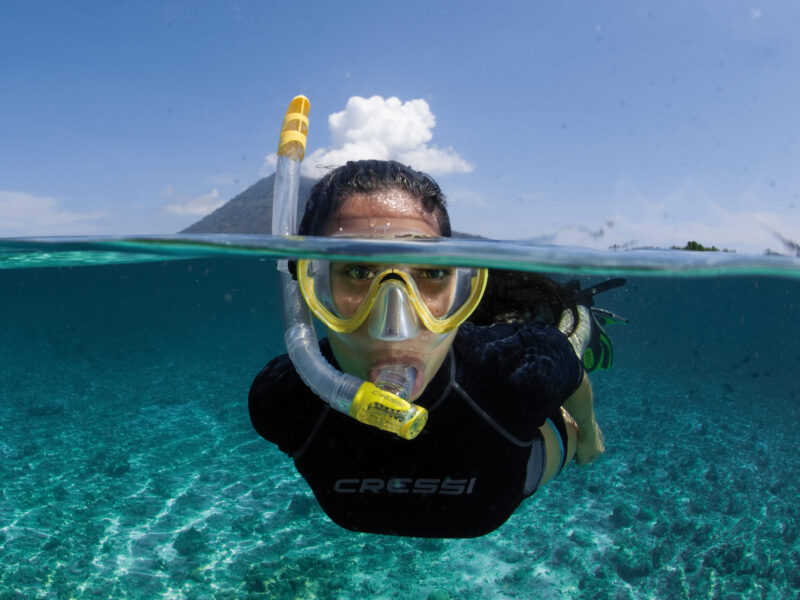
Snorkelling, too, falls into this rhythm. No equipment to master, no real plan required, just slipping into the water and seeing what’s there. On a good day, it can be surprisingly absorbing, drifting above reefs or along a rocky coastline, losing track of time without really trying.
Some yachts take this a step further with sea pools or netted enclosures that attach directly to the swim platform, creating a space where you can float, swim or simply lie back in the water without worrying about currents or marine life. They’re particularly popular with families, but just as appealing if you want to stay in the sea without feeling completely exposed.
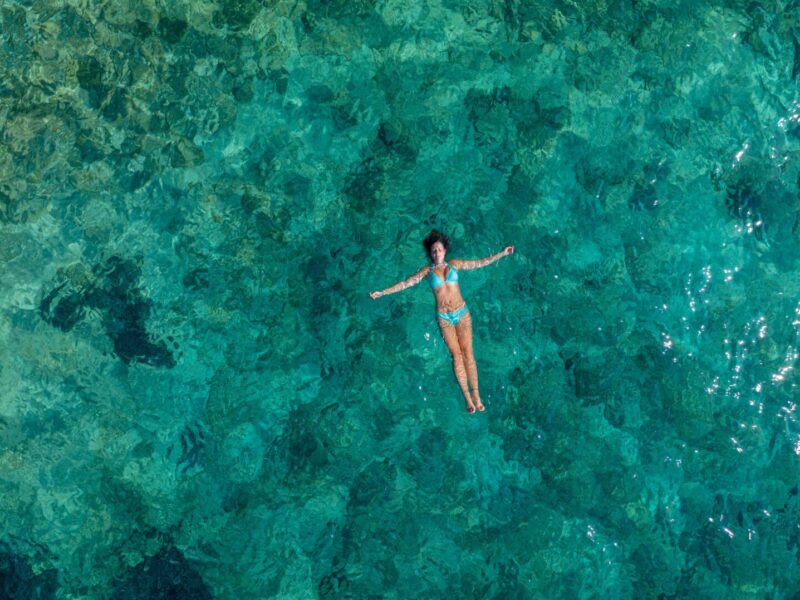
Even something as simple as a floating platform or a few loungers set just at water level can change the pace. You’re not fully in, not fully out, just suspended somewhere in between, which, on a hot day, is often exactly where you want to be. It’s in these slower moments that the water becomes less about activity and more about presence. No rush to move on, no need to fill the time, just the quiet satisfaction of being exactly where you are.
Toys that take the experience to another level
Then there are the toys that change the way you experience the sea altogether. SEABOBS are probably the best example: less about speed than about freedom, allowing you to move between the surface and underwater without much effort, follow fish, explore reefs, or simply cover distance in a way that feels slightly surreal the first time you try it.
From there, things start to escalate. E-foils and Fliteboards deliver a completely different sensation, lifting you above the water so you’re no longer cutting through it but gliding over it. They take a bit of patience at first, but once you find your balance, the feeling is unlike anything else on board.
On larger yachts, the line between “toy” and “experience” starts to blur entirely. Submersibles open up a world that even diving can’t quite access, allowing you to descend slowly and quietly beneath the surface, observing marine life from a completely different perspective. Helicopters, meanwhile, shift the experience in the opposite direction, lifting you out of it altogether, whether it’s for a remote island drop-off, a change of scenery, or simply to see where you’ve been from above.
Not every charter will include all of these, and they’re not always necessary. But when they are there, they tend to redefine what a day on the water can look like, moving it beyond something active or relaxing, and into something far more memorable.
Where it all comes together
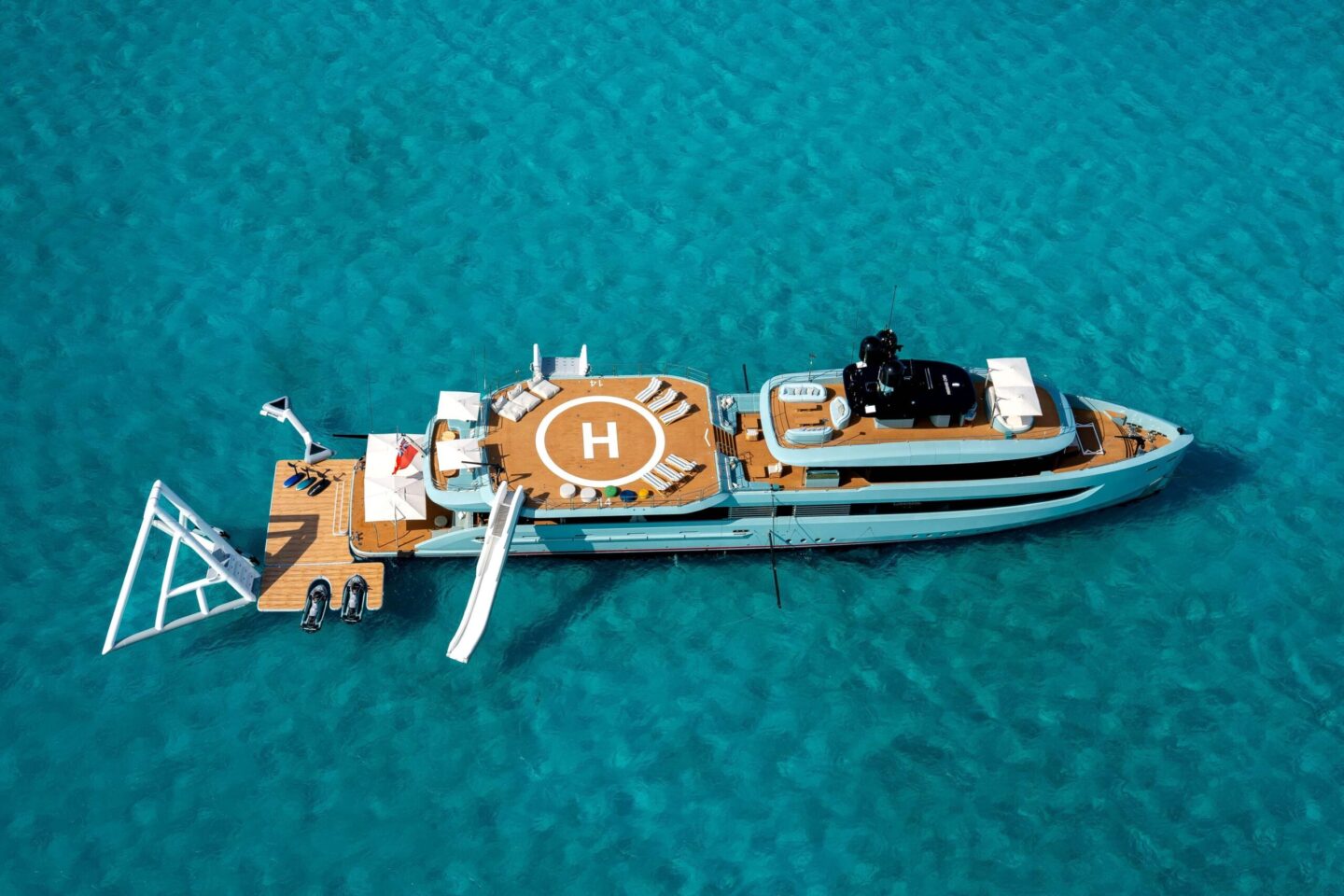
It’s not really about the toys themselves, but more about how they change the mood and rhythm of the day. You go in for a quick swim and end up staying in for hours. Someone brings out a paddleboard, someone else grabs a SEABOB, the jet ski starts up, and suddenly there’s no real plan anymore, which is usually when a holiday is at its best.
How much you use them also depends on where you are. In the Mediterranean, you might dip in and out between long lunches and time on deck. In places like the Caribbean or Southeast Asia, you’re in the water constantly, moving between swimming, exploring and drifting without much thought. It becomes part of the natural flow of the day rather than something you schedule.
Finding your footing
For those new to yacht water toys and unsure of what to try, there’s no real need to overthink things. Most people don’t arrive with a clear plan, and they don’t need one. Starting with the simplest options, snorkelling, paddleboarding, something that doesn’t require much explanation, is usually enough to find your footing. From there, it becomes clear what you’re drawn to, and the crew will guide things without making it feel structured or overly managed.
Behind the scenes: Are water toys safe?
Short answer: exceptionally so. Behind the scenes, everything is handled carefully. There’s always an explanation from an informed and experienced crew member, a quiet check that everyone is comfortable, and constant crew vigilance of what’s happening in the water. Life jackets and helmets are there when needed, but never feel intrusive, and the overall effect is one of ease rather than control. Fun is the name of the game, after all.
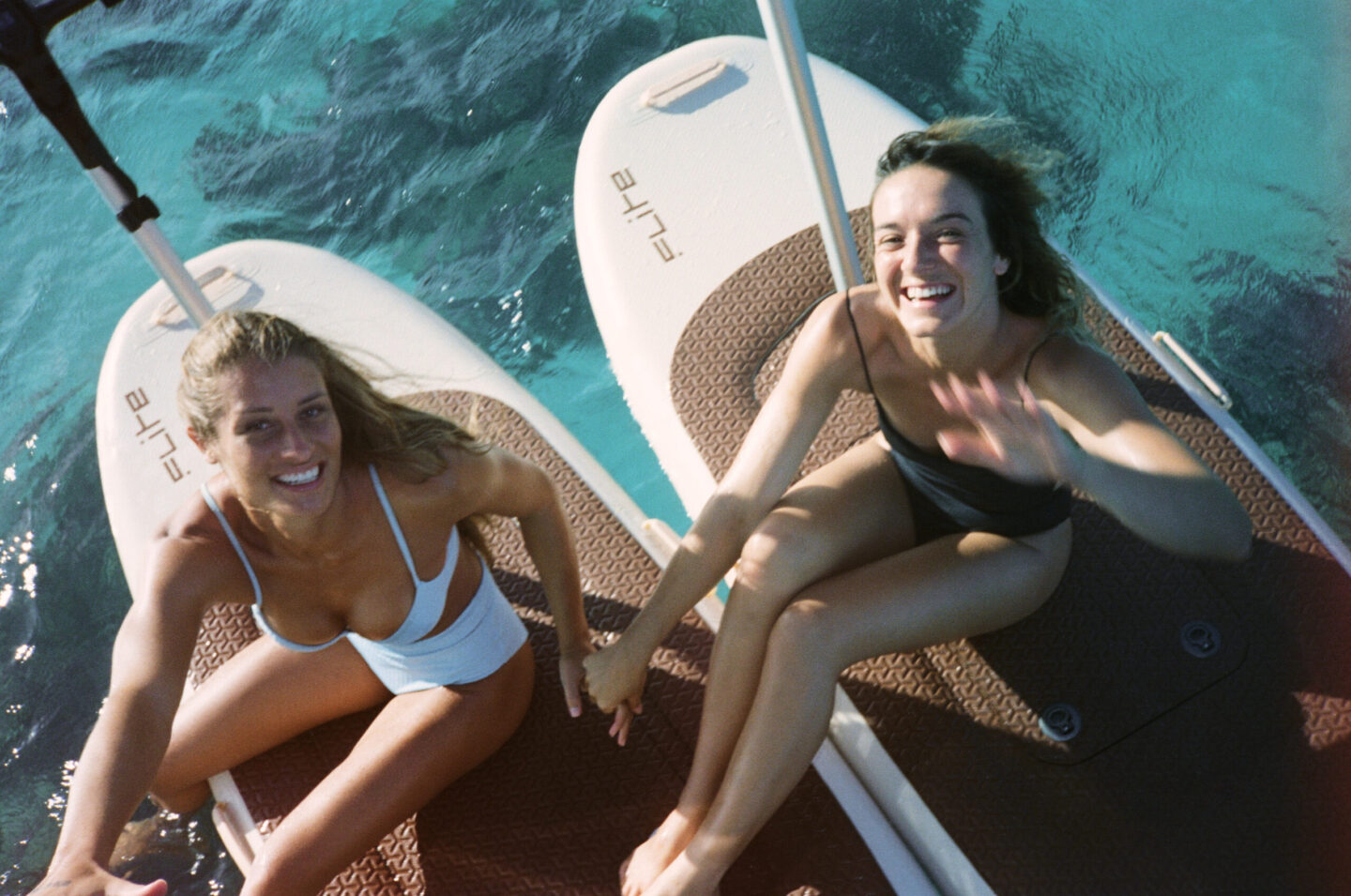
Most yachts are also set up to capture these moments, whether through drones, action cameras or something more low-key, but the best parts of the day tend to be the ones you didn’t think to record. The moments that stretch out, where no one is really keeping track of time, and the line between activity and rest disappears.
Why water toys are the best part of any yacht charter
By the end of a charter, it’s rarely the yacht itself that people talk about most. It’s the feeling of being in the water, of having the time and space to stay there longer than usual, and of discovering, often unexpectedly, how much of the experience happens just beyond the edge of the deck.
TRENDING ARTICLES

FEATURED YACHT