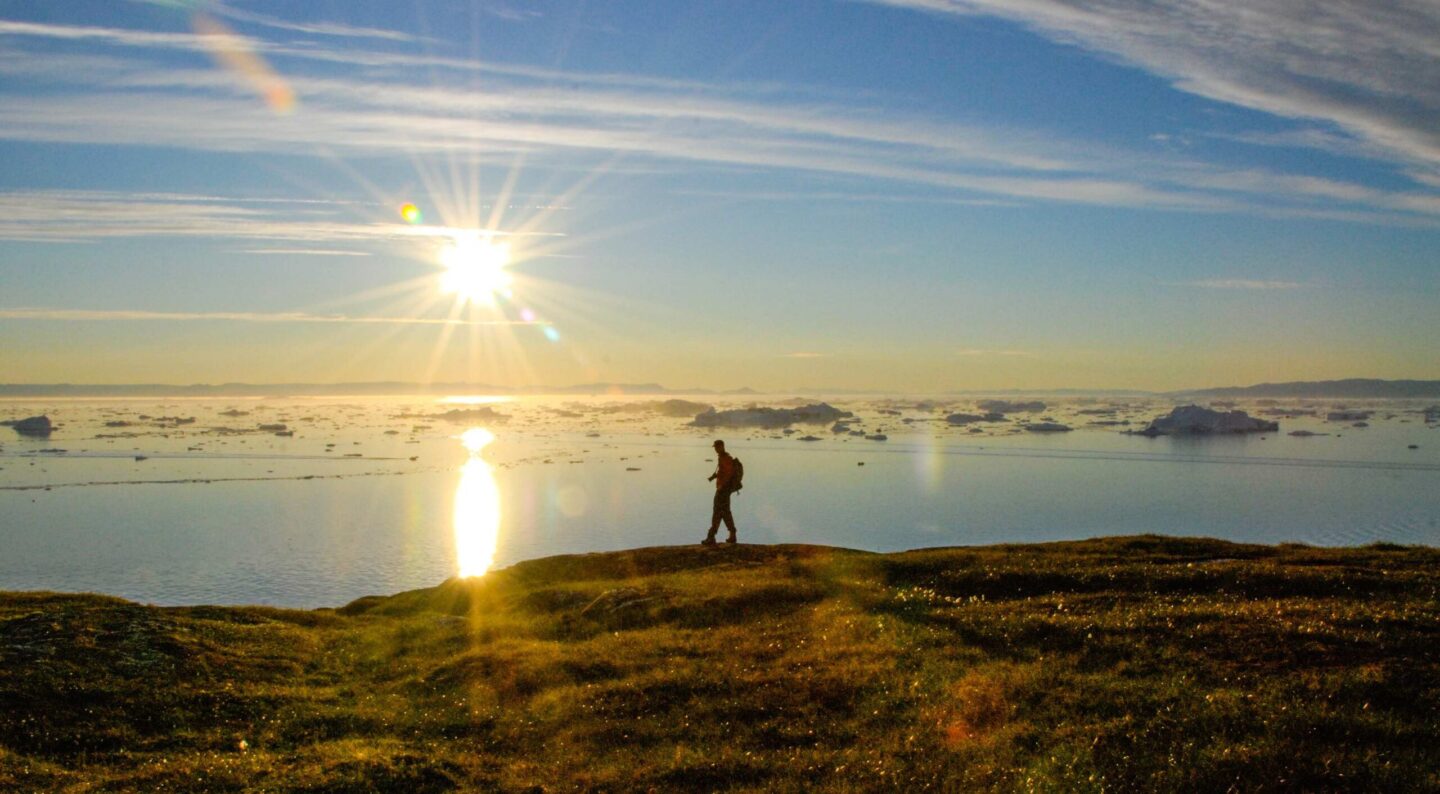
Above the Arctic Circle in summer, the rules of time begin to loosen. In June and July, the sun doesn’t set so much as linger, skimming the horizon and casting a low, continuous light across Norway’s coastline. Night never fully arrives, and with it, the usual structure of the day quietly falls away.

It’s during this period that EYOS Expeditions operates its Arctic itineraries through the Lofoten Islands and along Norway’s fjord-carved coast, offering a unique approach to what is, in essence, an Arctic yacht expedition shaped by light, weather and experience.
For a region defined by exposure and unpredictability, that level of flexibility is essential.
Norway by Yacht: A Route That Doesn’t Sit Still
Most travel in Norway follows a well-established path. EYOS do things differently. Starting points are typically set around Bodø, just north of the Arctic Circle, but beyond that, the structure remains open. Conditions along this stretch of coastline shift quickly, and decisions are made in real time, whether to enter a fjord, remain at anchor, or adjust course entirely.
This approach isn’t about spontaneity for its own sake. It’s rooted in experience. Operating in remote environments like this requires an understanding of when to move and when to wait, and the confidence to change direction without compromising the journey. The result is an itinerary that evolves day by day, rather than one that is followed.
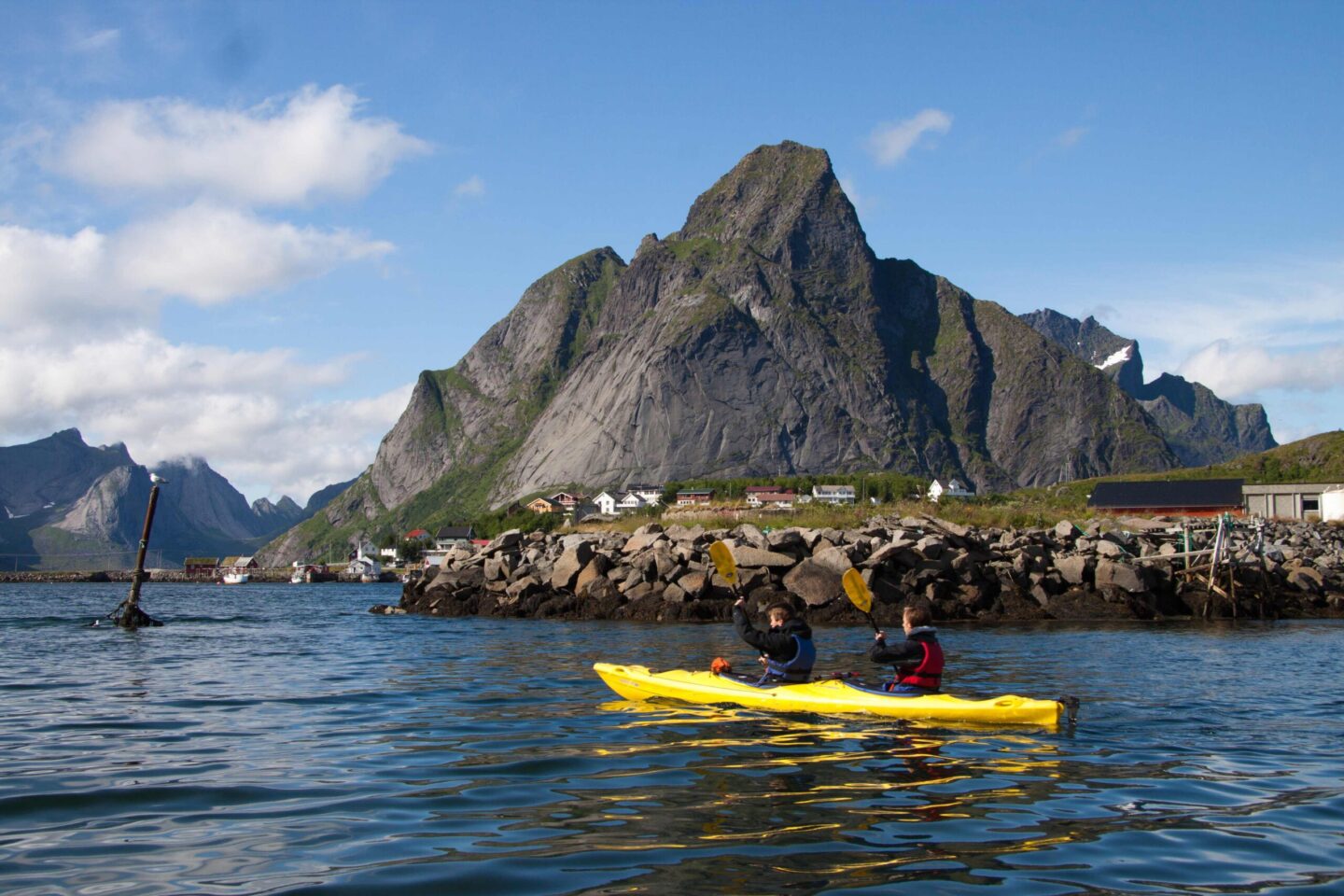
The Lofoten Islands, Properly Experienced
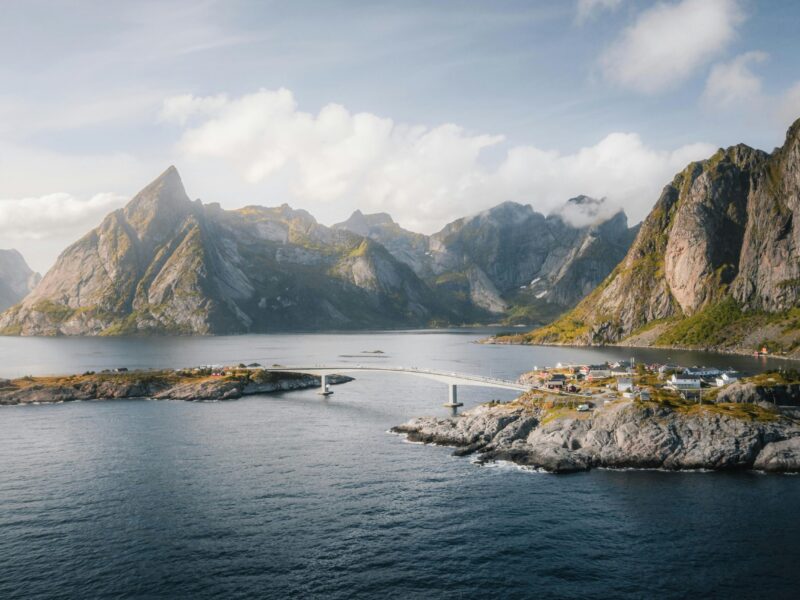
The Lofoten archipelago sits exposed to the North Atlantic, its peaks rising abruptly from the sea and its settlements positioned carefully along the edges of rock and water. It’s a landscape that feels both dramatic and functional, shaped as much by industry as by nature.
Fishing villages remain central to life here, their economies still tied to the cod fisheries that have sustained the region for generations. Racks of drying fish line sections of the shoreline, and boats continue to move in and out of the harbour as they always have. It’s not presented as heritage; it’s simply life.
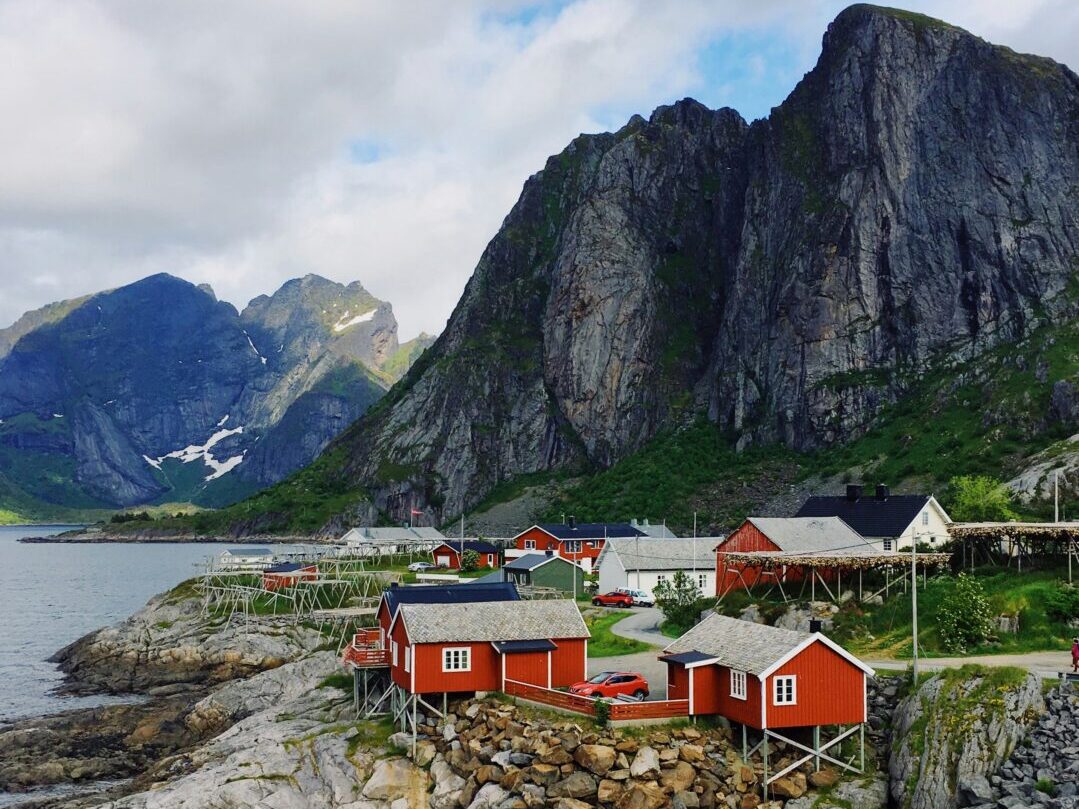
Accessing the islands by expedition yacht allows for a different kind of engagement with the landscape. Landings are made where conditions allow, whether along quiet stretches of coastline, beneath steep ridgelines, or near isolated communities. Hiking routes lead up into the mountains, often revealing open views across fjords and out towards the Atlantic.
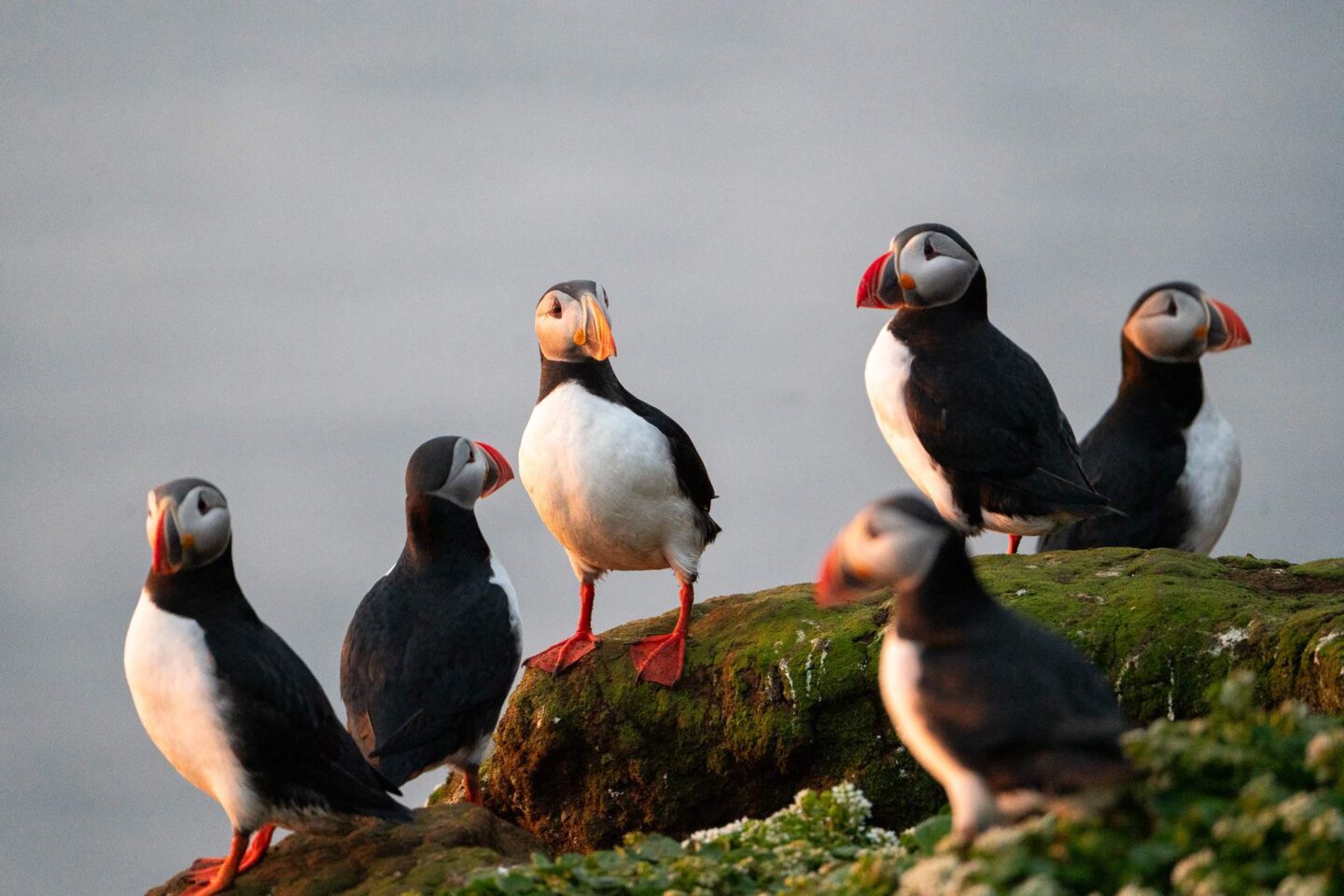
Seabirds are a constant presence, and in certain areas, puffins nest along the cliffs, undisturbed by the limited number of visitors who reach these points.
Into the Fjords
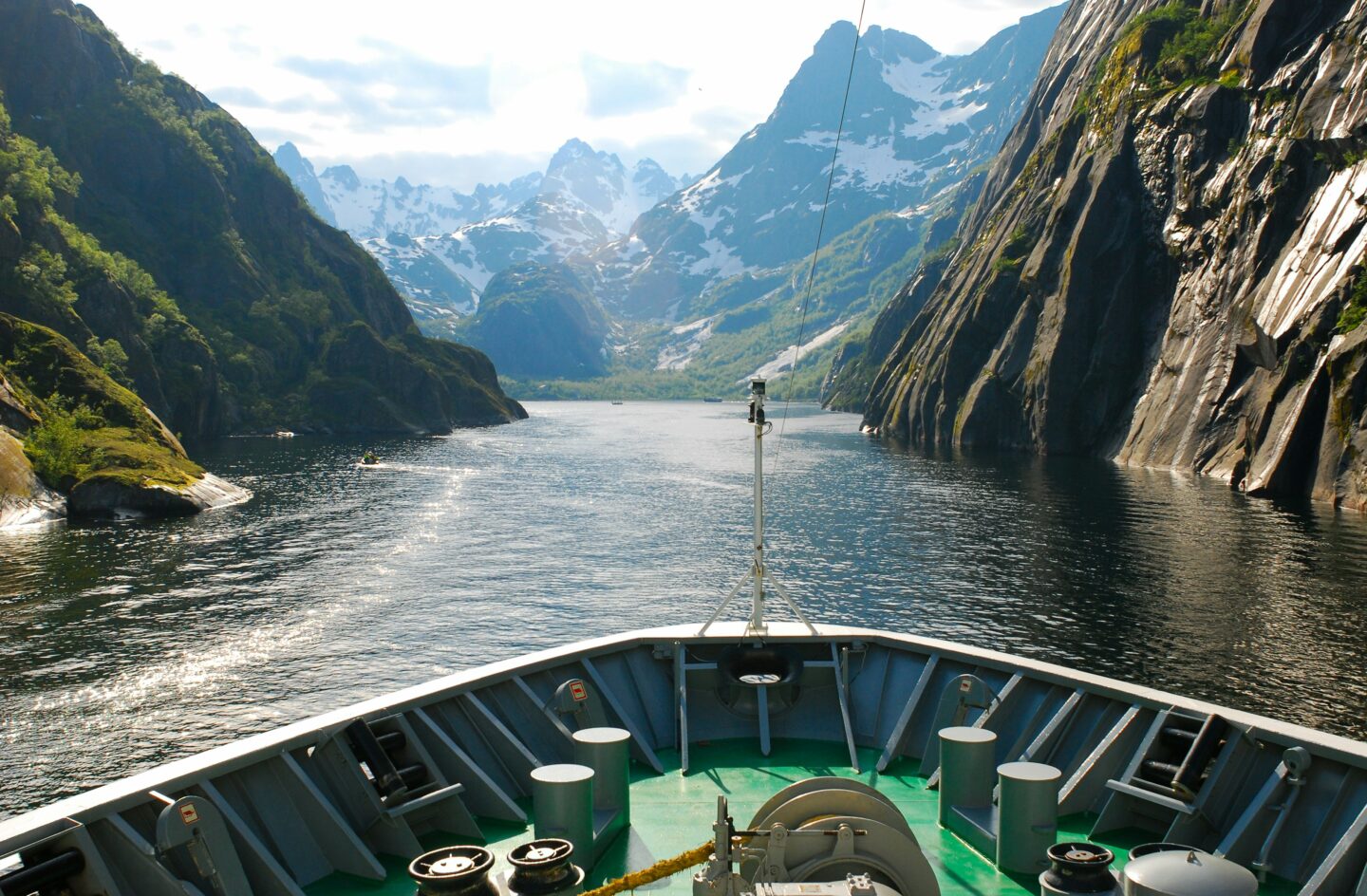
Further along the coast, the geography begins to change. The epic fjords of Norway cut deep into the land, narrowing at points where the surrounding rock rises almost vertically from the water.
Trollfjorden is one of the best-known examples, a narrow, two-kilometre-long passage where the scale of the landscape becomes immediately apparent. Entering it requires careful navigation, and once inside, the sense of enclosure alters how distance and sound are perceived.
Elsewhere, areas such as Tysfjord offer access to more remote terrain. From settlements like Hellmobotn, once used seasonally by Sámi communities, routes extend inland towards the Swedish border. These are not locations that feature on standard itineraries and reaching them depends on both conditions and capability.
Villages such as Henningsvær provide moments of contrast. Spread across a cluster of small islands, they offer a brief sense of structure before the landscape returns to something far less defined.
Offshore, Beyond the Coastline
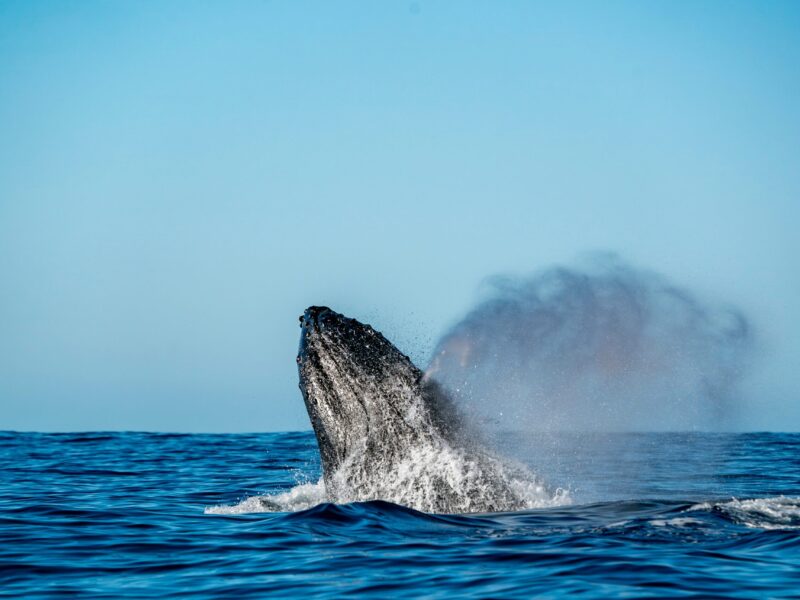
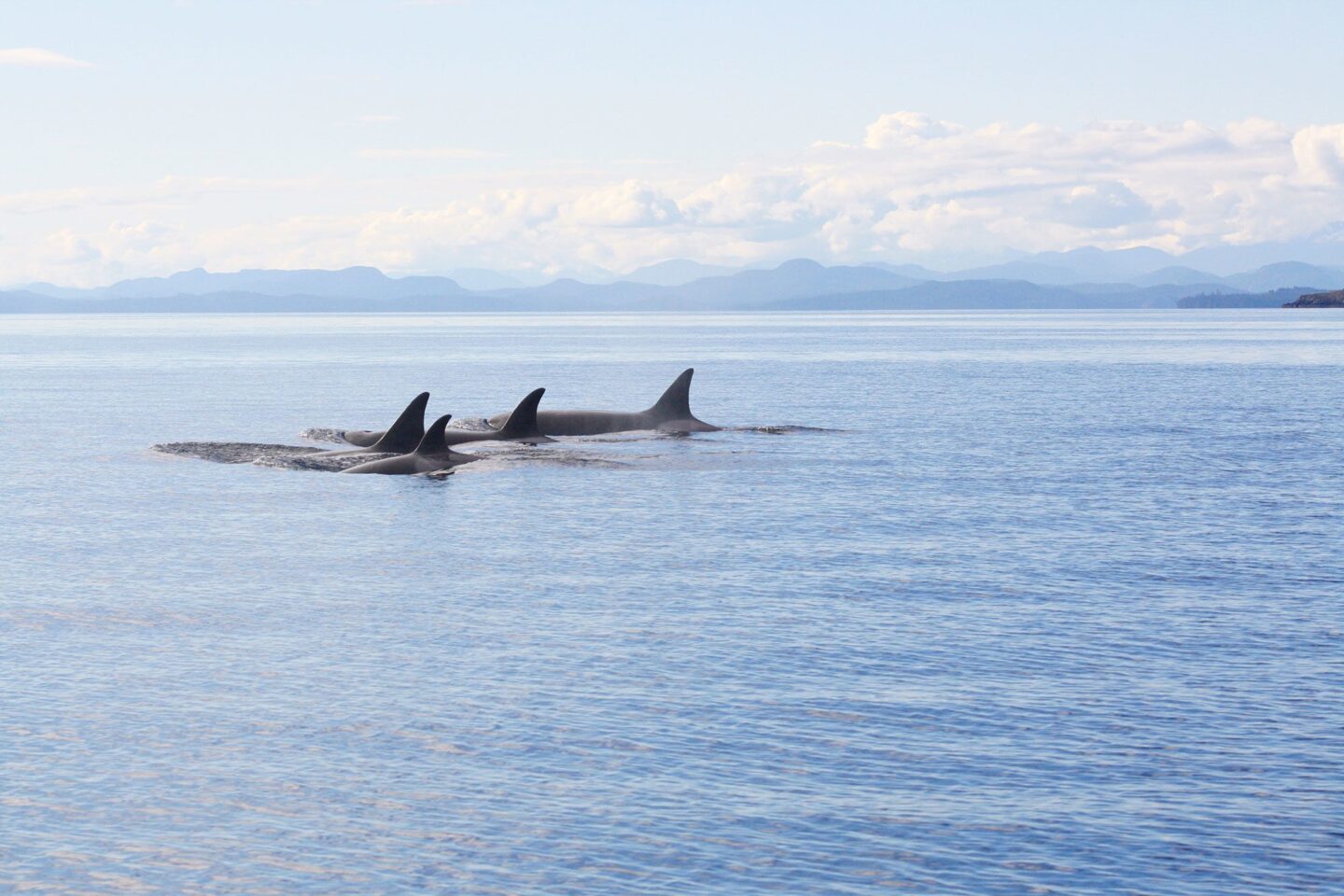
Near Andenes, the coastline sits above deep submarine canyons, creating conditions that attract marine life, including sperm whales and orcas. While sightings are relatively common, they are never guaranteed.
The approach is necessarily patient. The yacht slows, positioning itself to observe rather than pursue. Time is spent waiting, watching the water’s surface for any sign of movement. When encounters do happen, they are unscripted. A whale surfacing, a tail lifting before disappearing below the surface again. Moments that unfold independently of the people observing them.
The Role of the Yacht
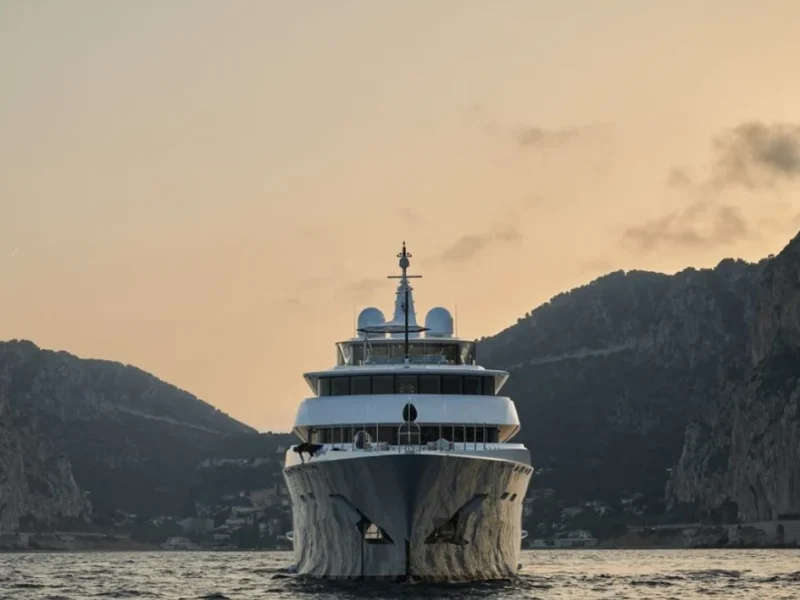
A journey in Norway requires a different level of planning and a different kind of expertise, but it allows for something far closer to how an Arctic yacht expedition should be experienced. EYOS typically operates with vessels such as the 57-metre Solace, a Feadship explorer that has been adapted for expedition use following a recent refit. The design prioritises range, flexibility and access, with features that support both extended cruising and frequent movement between sea and land.
A dedicated expedition tender provides access to areas beyond the main vessel’s reach, while onboard space accommodates guides and specialists who contribute to the overall experience. These elements work together to reduce the logistical constraints that would otherwise limit travel in a region like this.
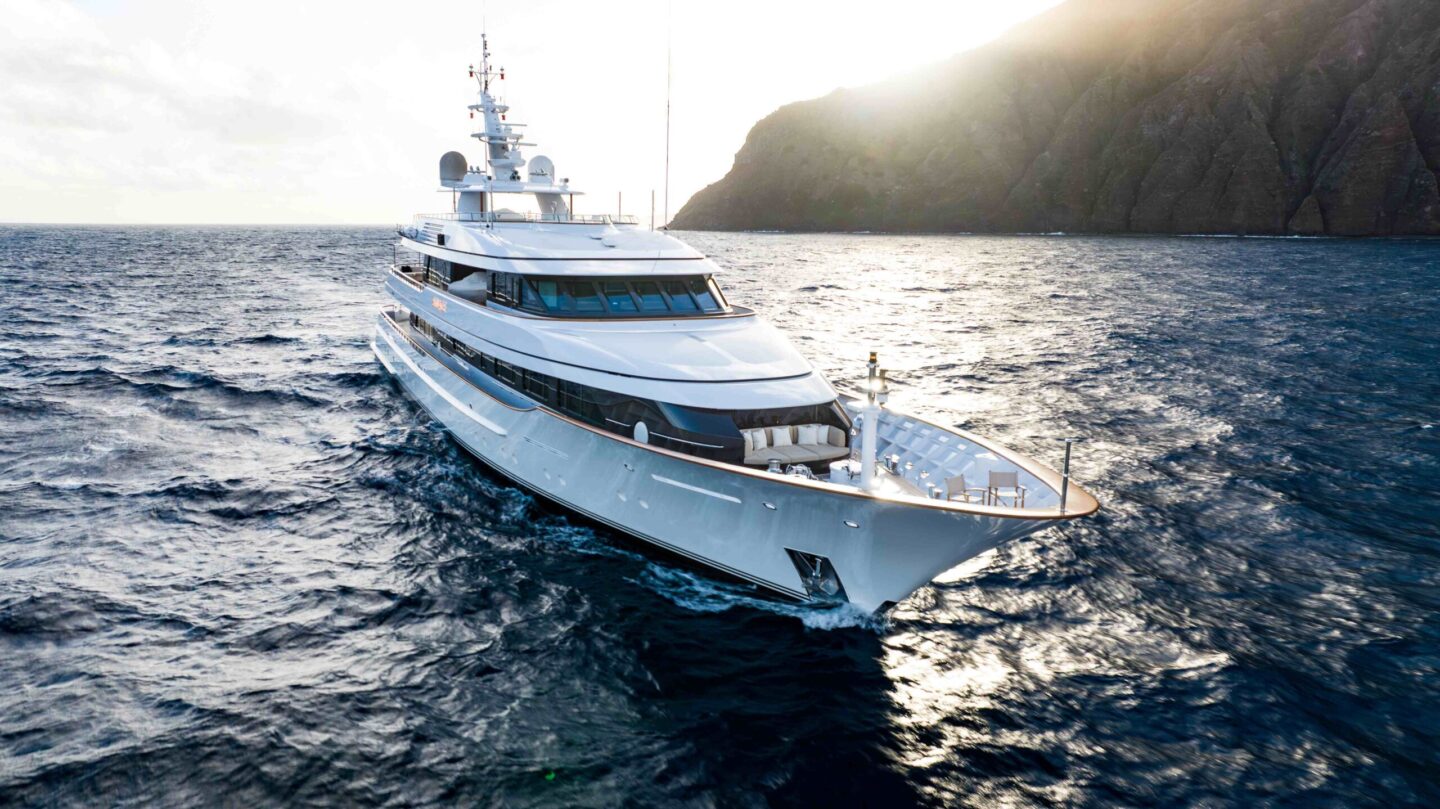
On board, the atmosphere remains understated. Interiors are designed for comfort rather than display, and the service is structured to support the rhythm of the journey rather than dictate it.
The Midnight Sun: A Different Relationship with Time
One of the defining characteristics of travelling in the Arctic summer is the way it alters the perception of time. Anyone who has experienced the Midnight Sun can attest: with continuous daylight, the distinction between morning and evening becomes less relevant. Activities shift accordingly. Landings may take place late at night, while time on board extends without the usual markers of when a day should end.
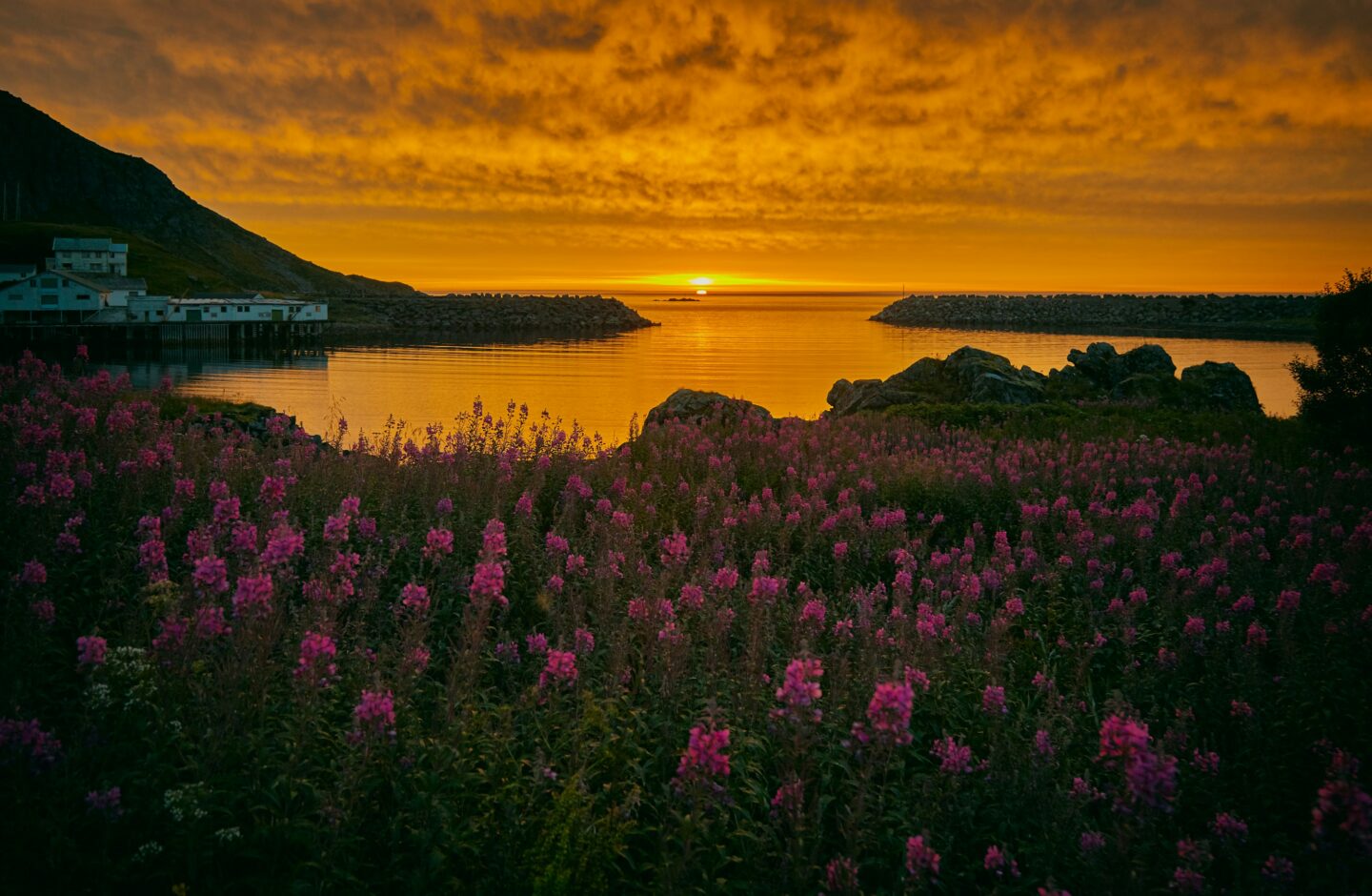
This has a noticeable effect on the overall pace of the journey. Your natural circadian rhythm doesn’t signal to switch off as the sun sets. Movement becomes less hurried, and decisions are made with greater consideration for conditions rather than convention. It’s a subtle change, but one that carries through the entire experience.
What This Kind of Journey Offers
What’s perhaps most interesting is that journeys like this are no longer as niche as they once were. As the Mediterranean edges further into peak-season saturation, there’s a growing shift towards places that sit well beyond it. Further north, further out, and far less defined.
Norway’s Arctic coastline offers exactly that. Space, distance, and a level of immersion that’s difficult to replicate elsewhere. Travelling through it in this way, without a fixed route, with the flexibility to respond to the landscape as it changes, turns it into something more than a destination. It becomes a way of experiencing scale, light, and isolation in their purest form. And increasingly, that’s exactly what people are looking for.
Expeditions through Norway’s coastline and the Lofoten Islands with EYOS can be arranged aboard vessels such as the 57m Solace, offering a more advanced alternative to a standard Norway fjords yacht charter. Charters typically start from around €300,000 per week, depending on the yacht, season and scope of the journey. Explore more here.
TRENDING ARTICLES

FEATURED YACHT