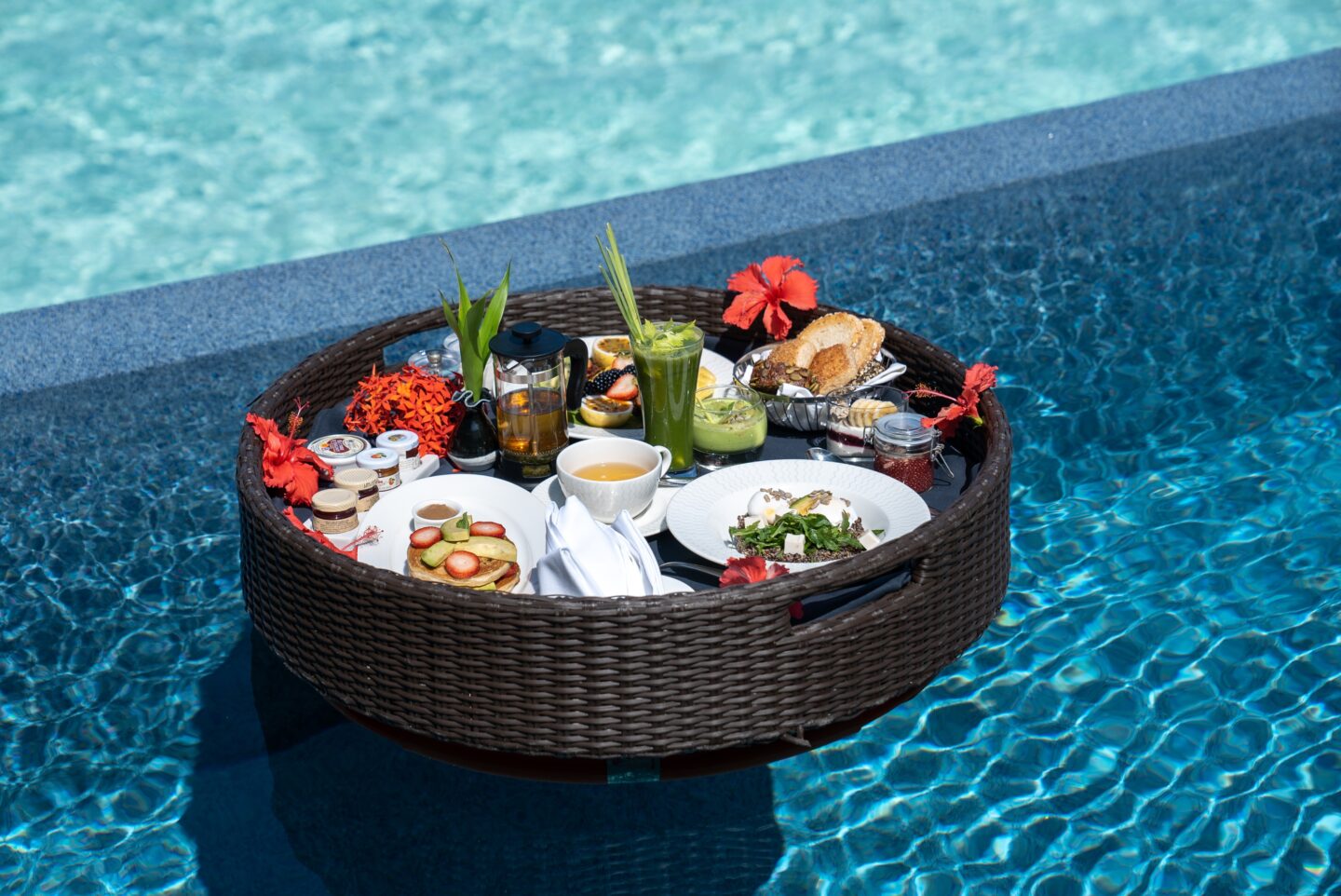
A refreshing sip of coconut water atop an overwater bungalow, with your feet dangling in cool turquoise waters, is a classic way to begin a day in the Maldives. It gets even better by taking a bite of fresh charcoal-grilled tuna dipped in bold chilli sauce, a condiment that accompanies most meals across the islands.
While these culinary pleasures are often overshadowed by the country’s picturesque scenery, they are just as much part of the Maldivian experience. Food may not be the first thing that comes to mind when people think of the Maldives, but it’s an integral part of island life. The Maldives may be small, but its flavours are deep. Maldives food, or Dhivehi cuisine as the islanders call it, is a delicious way to interact with the country’s history and culture.
The Roots of Maldivian Culinary Traditions
Tourism keeps the Maldives going, which is why we may forget that the country isn’t simply a collection of iconic resorts. When visiting the Maldives, most travellers are confined to their slice of an island, happy in seclusion. However, the Maldives has a rich culture that goes beyond its beaches and is best experienced through its gastronomic offerings.
Maldivian cuisine is born from the ocean that surrounds its 1,000+ islands and shaped by the history that docked its shores. At first bite, a harmony of spices reveals over 2,500 years of maritime trade. Cinnamon, cumin, turmeric, and chilli aren’t native to these islands, but you’d never know it, since most dishes feature variations of them. These spices all came through trade between neighbouring countries: Eastern Asia, India, and Sri Lanka. So you may find similarities in culinary flavours an obvious one is roshi and chapati bread. Though make no mistake, Maldives food has its own flair.
At a Table in Maldives
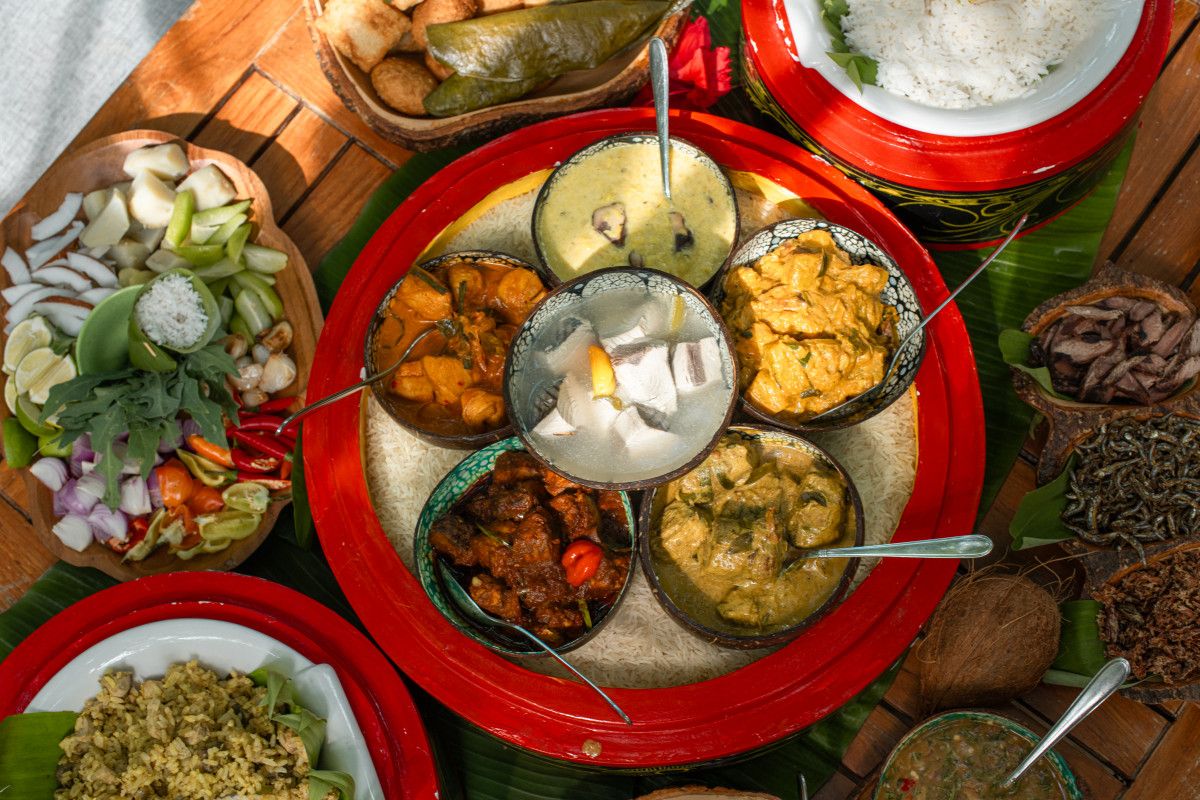
Plates filled with aromatic, colourful dishes are spread out in large family-style portions, ready to be shared amidst stories of the day. In the middle sits a protein, normally fish such as tuna or mahi-mahi, which could be fried or turned into a savoury curry. Beside it would be a starch like rice or roshi to balance out the flavours, and surrounding everything are small sides of vegetables, fruits, and rihaakuru, a spicy fish paste for a refreshing kick. If you want the full experience, take part in the local hand-eating traditions and use the bread to scoop up delicious chunks of food.
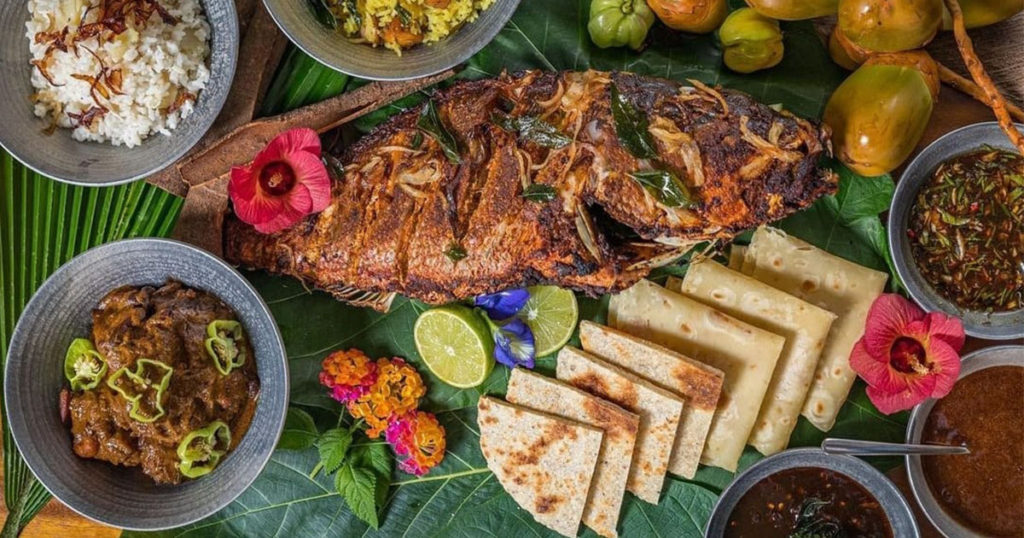
In the afternoon, it’s time for sai (or tea), served with plenty of hedhikaa or savoury and sweet snacks. Travellers would be surprised by how much tea Maldivians drink. It’s part of their daily ritual, consumed after every meal. Other popular beverages are fresh fruit shakes and raa, made from the sap of a coconut palm. If you’re looking for alcohol, outside of your resort, you’re out of luck. The Maldives, being a predominantly Muslim country, has mostly non-alcoholic drinks.
The Staples of Maldives Food
The Maldives’ lifeblood is truly the ocean, where fish and seafood fill every plate. There is not much land to cultivate or raise livestock, so vegetables and protein are limited, but what is available is exceptional. The core ingredients that underpin the cuisine are coconut, chilli, and seafood.
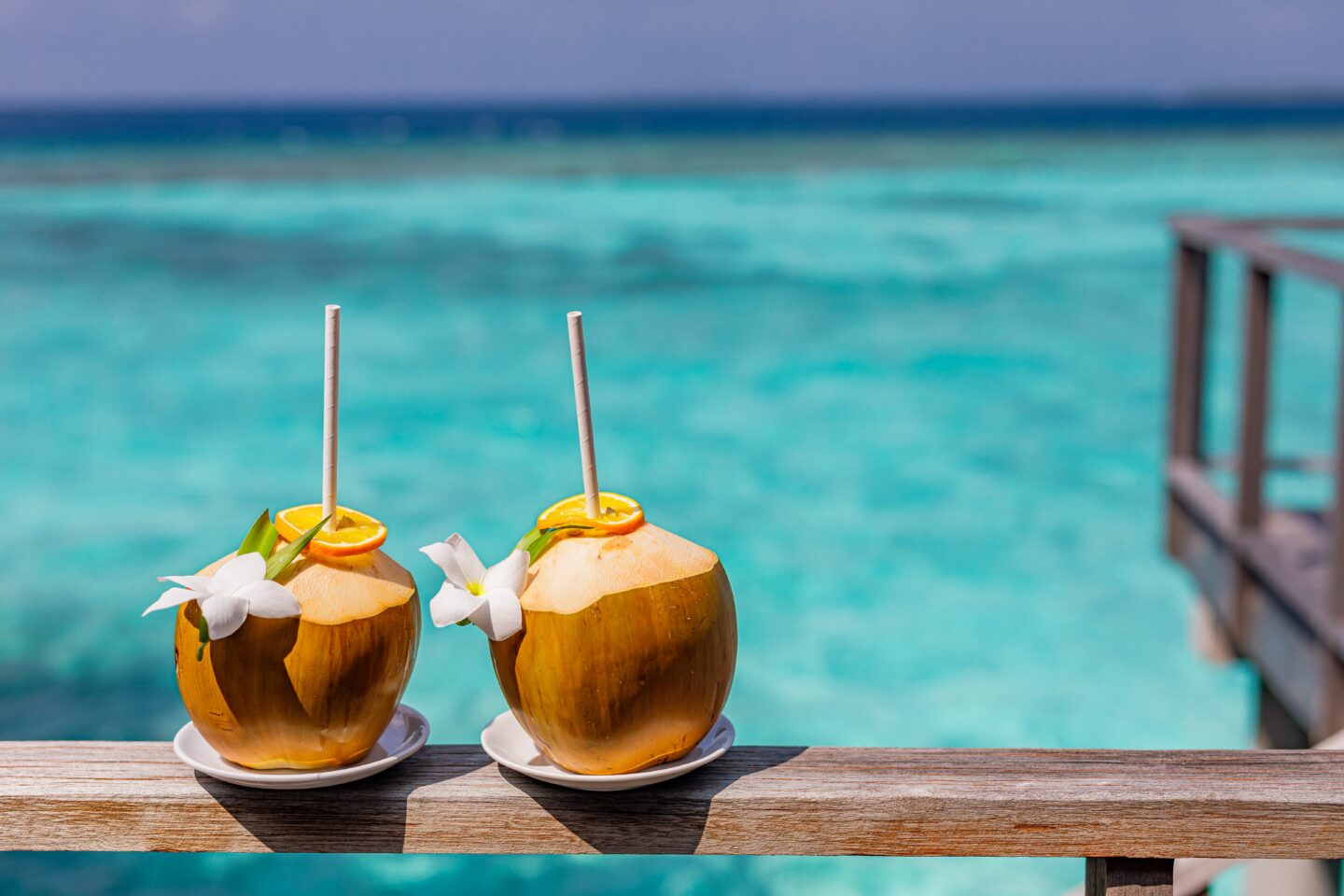
Coconut trees are abundant across the islands, and every part of the fruit is used, from its milk to the white flesh. Travellers can have it straight from the tree as a refreshing drink, cooked into a curry for something hearty, or turned into hunifolhi, a light sweet snack made from tender coconut. Chilli and spices add the heat needed to balance the coconut’s creamy sweetness. Together, they create the perfect balance that forms the pillars of Maldivian cuisine.
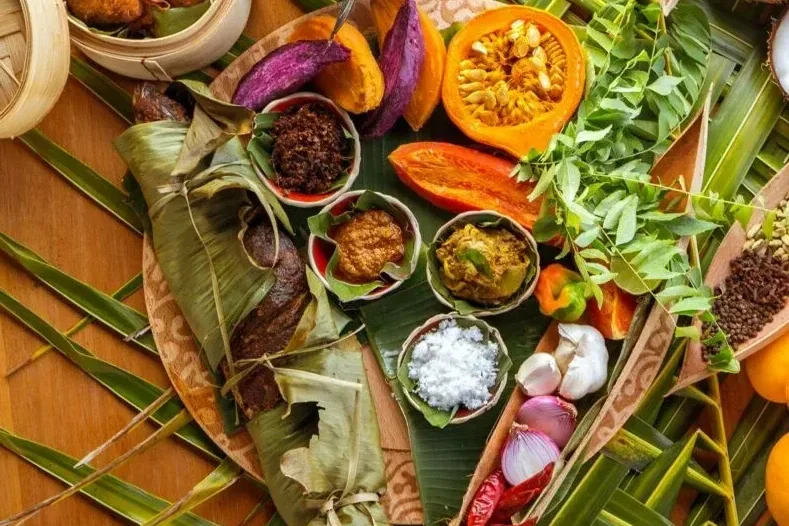
Many travellers may be content to lounge under coconut trees, but take our word for it: a trip to the Maldives isn’t done right without trying the traditional food found on the islands. These dishes are the perfect accompaniment while exploring the world-renowned coral sands, insane diving spots, and year-round tropical weather.
Must-Try Dishes in the Maldives
Mas huni: A staple breakfast of shredded tuna mixed with coconut, chilli, and lime, usually served with roshi bread.
Grilled or fried fish: Freshly caught fish such as mahi-mahi or tuna, lightly seasoned and often served with rihaakuru, a spicy fish paste.
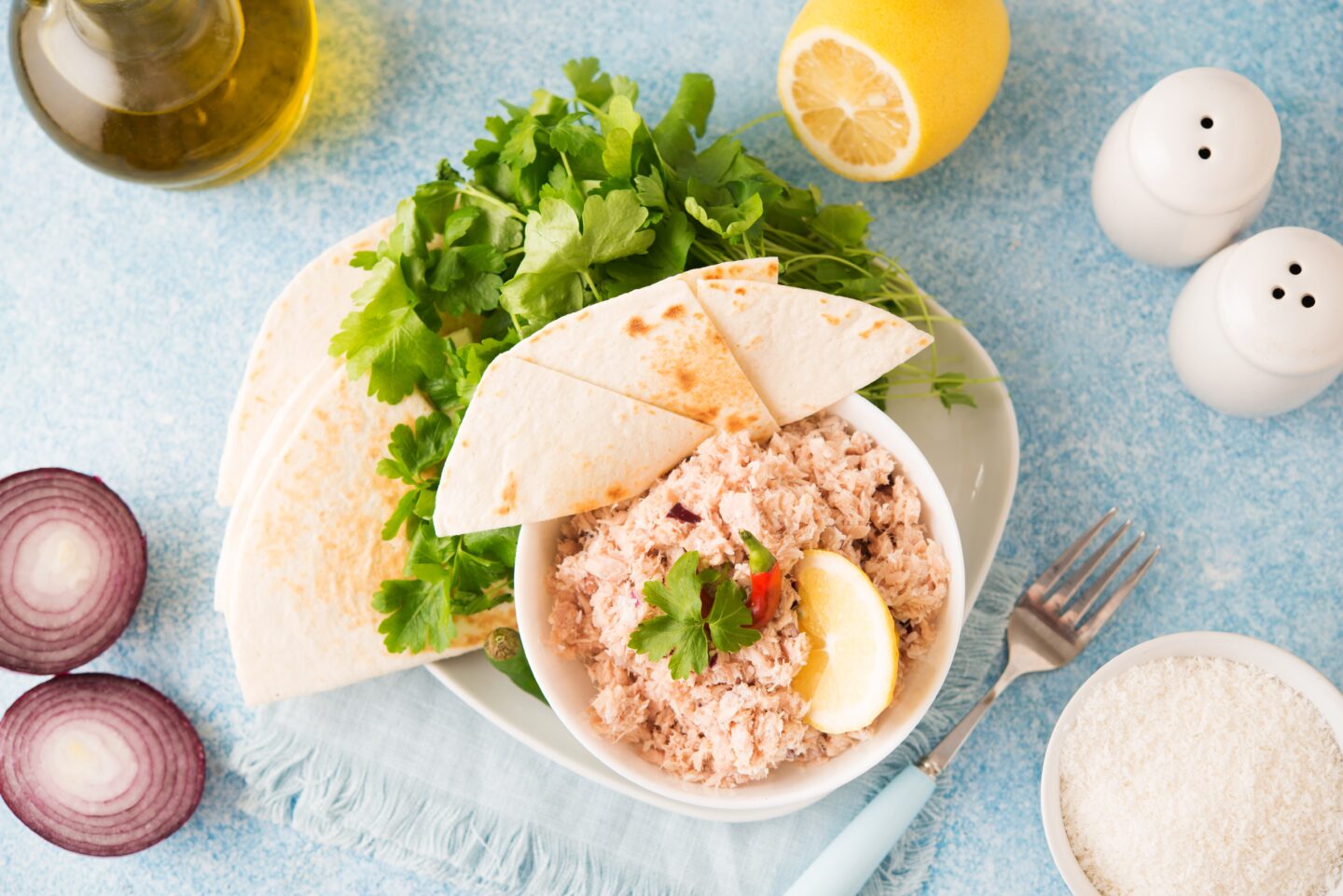
Garudhiya: A clear fish soup made with onions, chillies, and curry leaves, offering a simple but deeply comforting flavour.
Mas riha: A fish curry with a creamy coconut milk base, often served with rice.
Banbukeyo harisa: A uniquely Maldivian dish made with breadfruit, a native island ingredient.
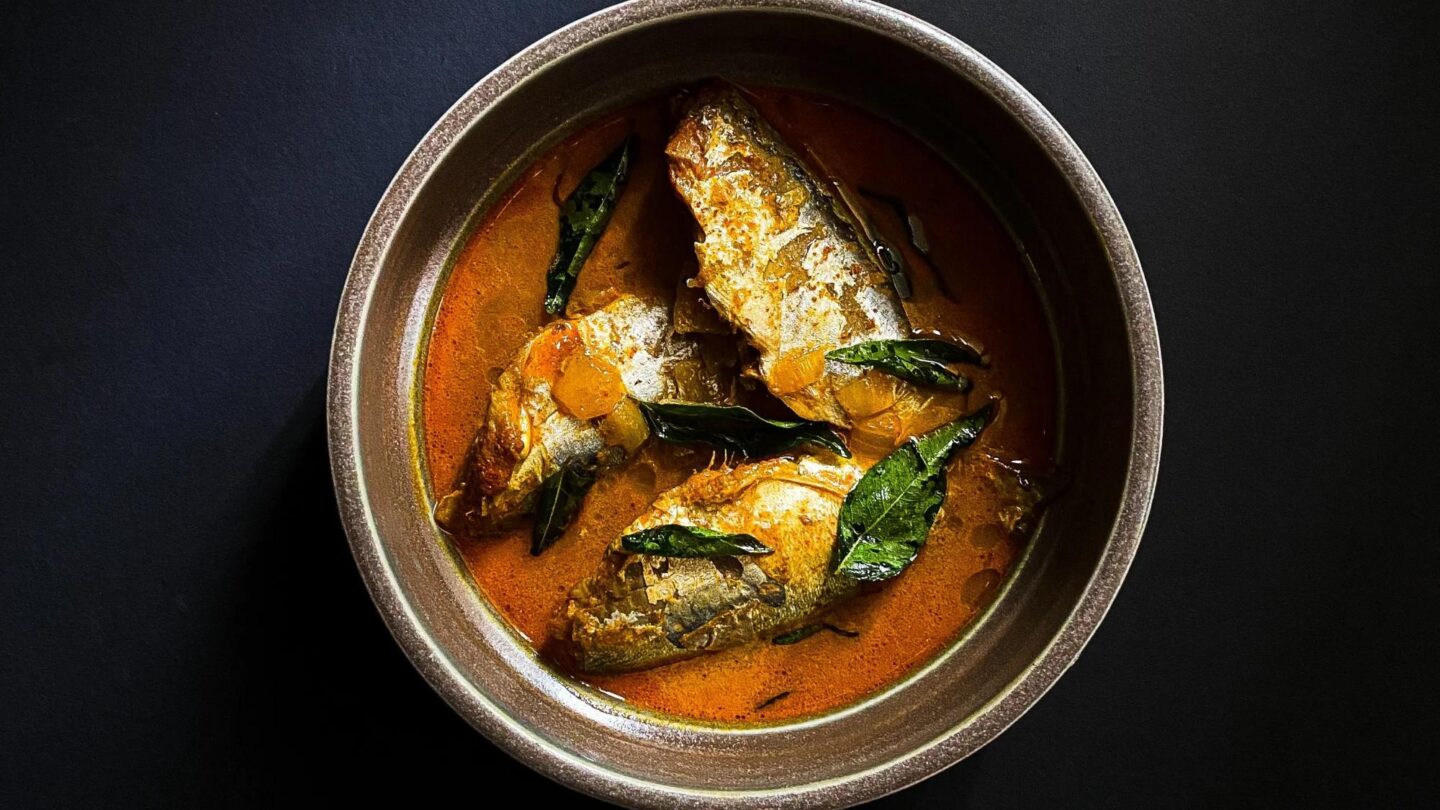
Kulhi boakibaa: A savoury tuna, coconut, and chilli fish cake, perfect as a snack with tea.
Kiri bakibaa: A sweet version made with milk and sugar (don’t worry, there’s no fish).
Boshi mashuni: A banana flower salad that is crunchy and slightly spicy. A refreshing side to have with your main meal.
Gulha dumplings: A popular street snack of deep-fried dumplings filled with fish, rice, and coconut.
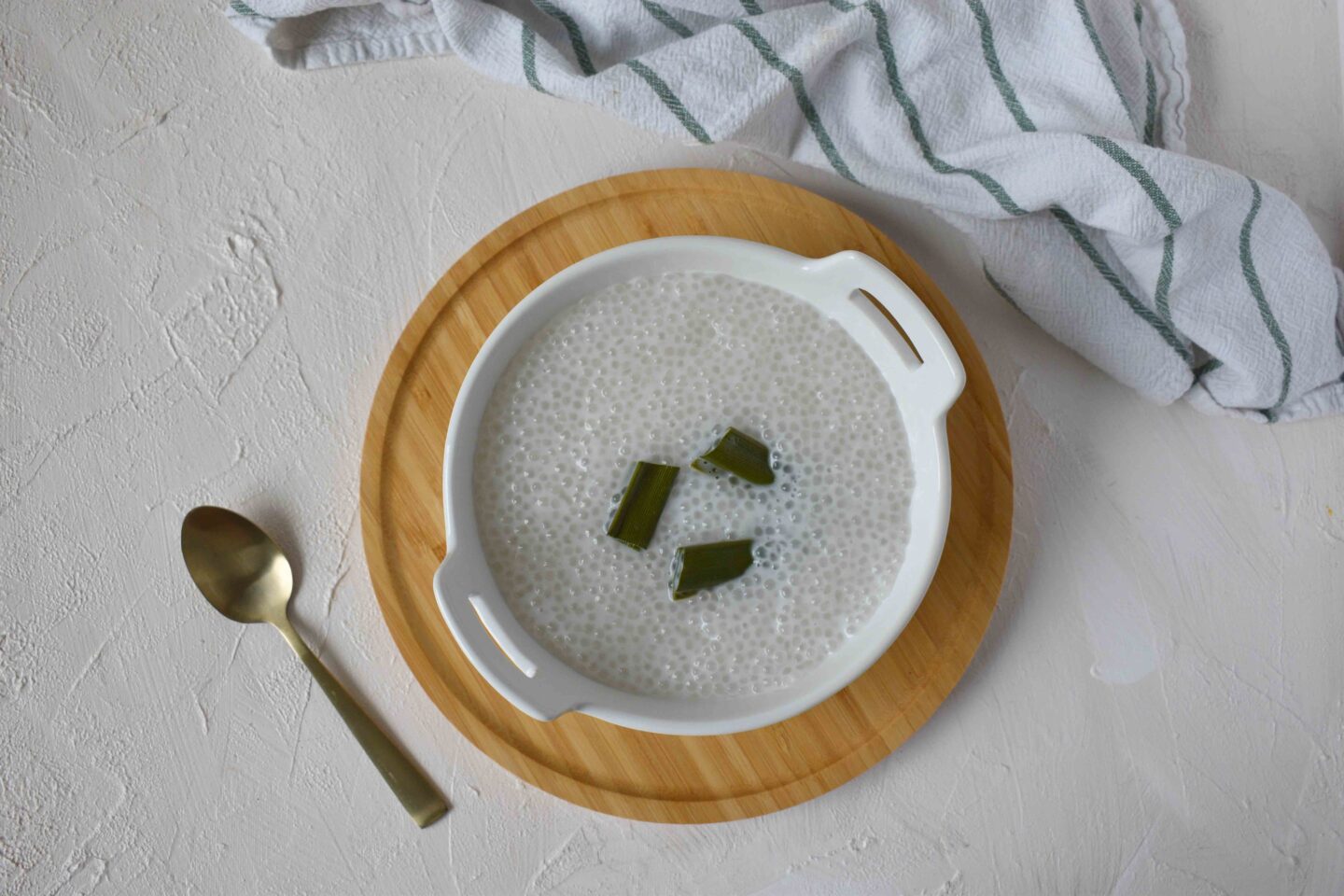
Saagu bondibai: To end the meal, try this sweet sago pudding made with coconut milk and rosewater.
Dining Beyond the Shores
Cruising the Maldives by yacht is a great way to experience and eat your way through the atolls without being limited to just one of the thousands of islands. Aboard a yacht, the options are endless and limited only by your preferences. Everything is tailored to your needs. Local dining options are usually found in the main city of Malé, but aboard a yacht, master chefs can whip up savoury curry, refreshing banana salad, or sweet saagu bondibai without ever leaving the boat.

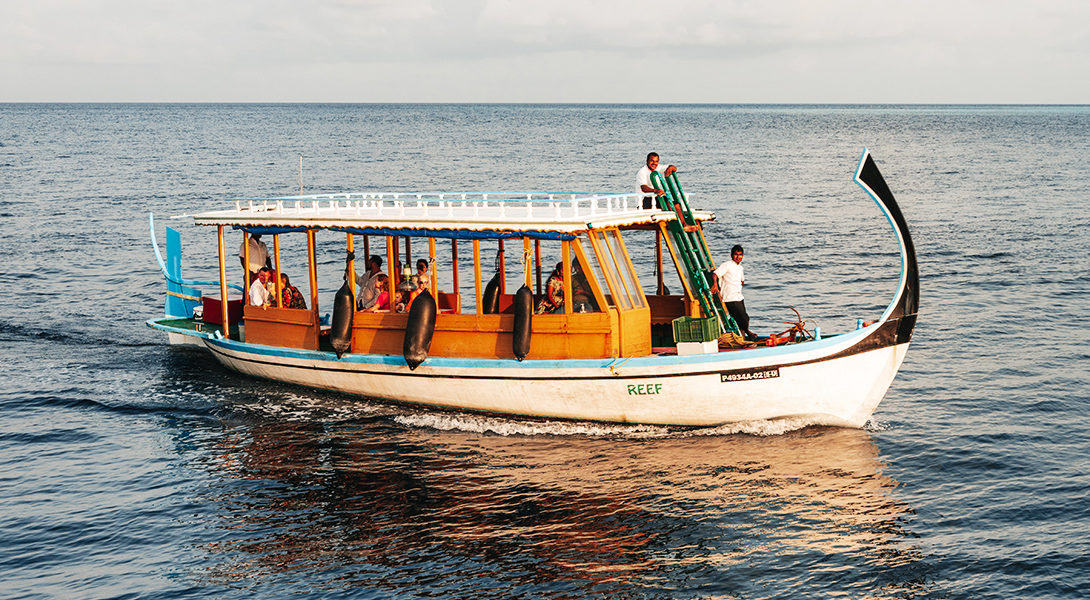
These luxury vessels are your resort at sea, with fully equipped amenities, expansive suites, and al-fresco dining areas. From the deck, eating traditional Maldivian food or your favourite comfort dishes from any cuisine is possible, all with the idyllic Maldivian coastline as your backdrop. Looking at the clear, aquamarine waters, dhoni boats scattered across the area, or anchoring by secluded coves offers an entirely bespoke experience that shows you a different side of the Maldives.

What to eat in the Maldives
While traditional Maldivian cuisine offers the most authentic taste of the islands, travellers will also find an impressive range of international dishes catering to every palate. Yet the best way to experience the Maldives is as the locals do, enjoying simple, flavourful meals and a refreshing coconut drink to escape the tropical heat. Though Maldivian cuisine may not be as extensive as that of its larger neighbours, each dish is rich in flavour and deeply connected to the islands’ culture and history. Many of these tastes are best experienced in the Maldives itself, where fresh ingredients and breathtaking ocean views elevate every meal.

TRENDING ARTICLES





FEATURED YACHT