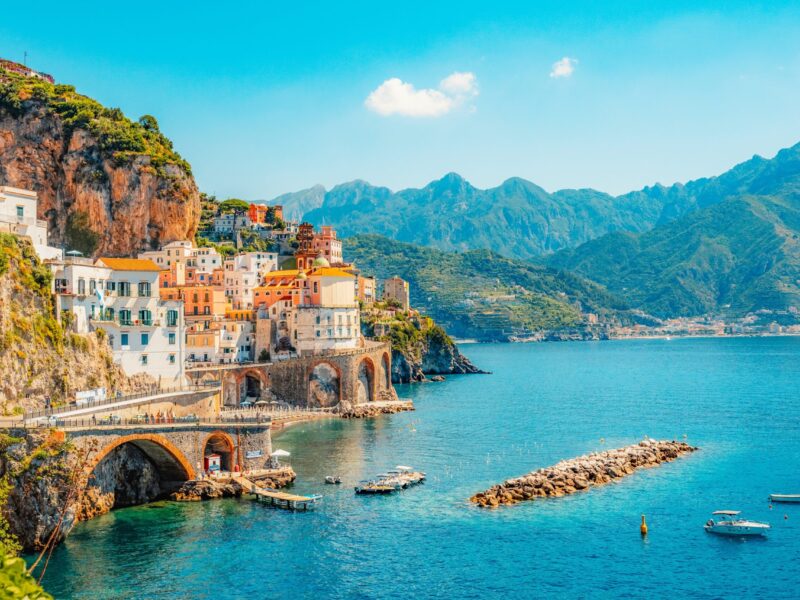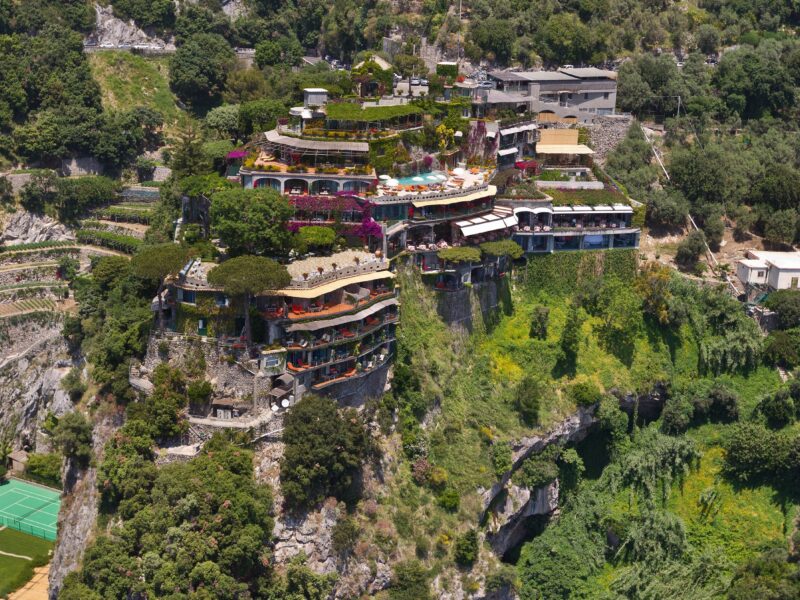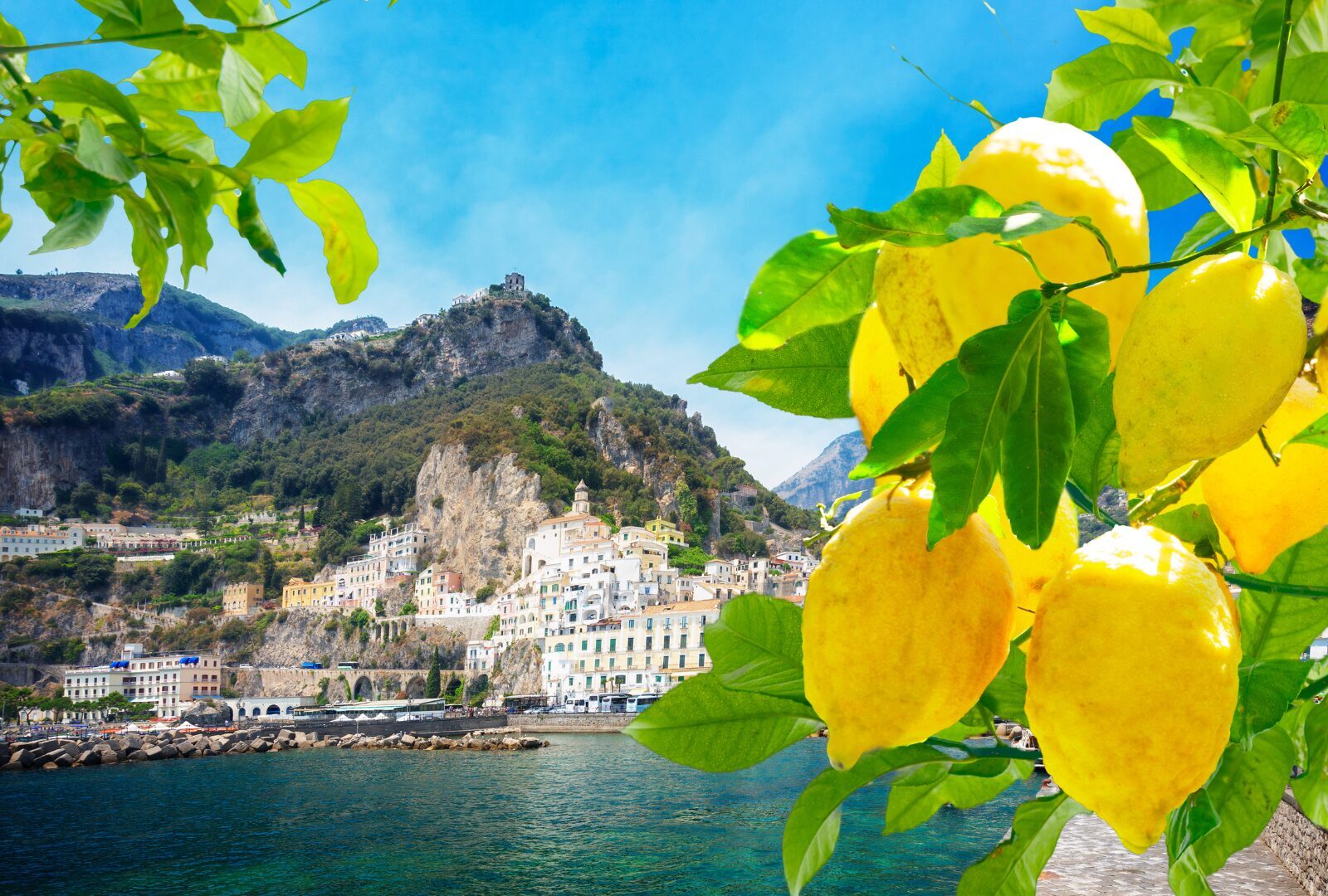
As the salt air shifts to the vibrant citrus scent of lemons, you know you’ve arrived at the Amalfi Coast. Instantly, upon dropping anchor, the aroma draws you into one of their quaint cliff-side trattorias for a first taste of Amalfi food, where you can indulge in handmade pasta and impeccably fresh grilled seafood, complemented by a crisp swig of limoncello to temper the warm May sun.

Travellers to the Amalfi Coast come to enjoy a dip in glittering waters and picturesque views of the pastel cliffside towns against a blue horizon. However, it’s more than that; it’s a place where tradition and heritage have been carefully preserved and cherished. Especially evident in their cuisine, where bustling shops and even the waves seem to quiet and slow down to make way for the clinking of glasses and the clanging of forks against dishes.
On the Amalfi Coast, food is a vital tradition, almost ritualistic, capturing the region’s culture and history in every plate. Each dish unfolds a gastronomic journey through the coast’s rich and varied flavours.
Foundations of Amalfi Food
A collection of cliffside towns along the stretch of windswept coastlines, the Amalfi Coast embraces a simple, unpretentious approach to food. Like much of Italy, its cuisine has been largely shaped by its history and unique sea-mountain geography.
Amalfi still reflects its history and culture in its cuisine. Proudly rooted in its humble origins as a fishing village, Amalfi continues to boast exceptionally fresh seafood, earning the name the ‘fruits of the sea’.
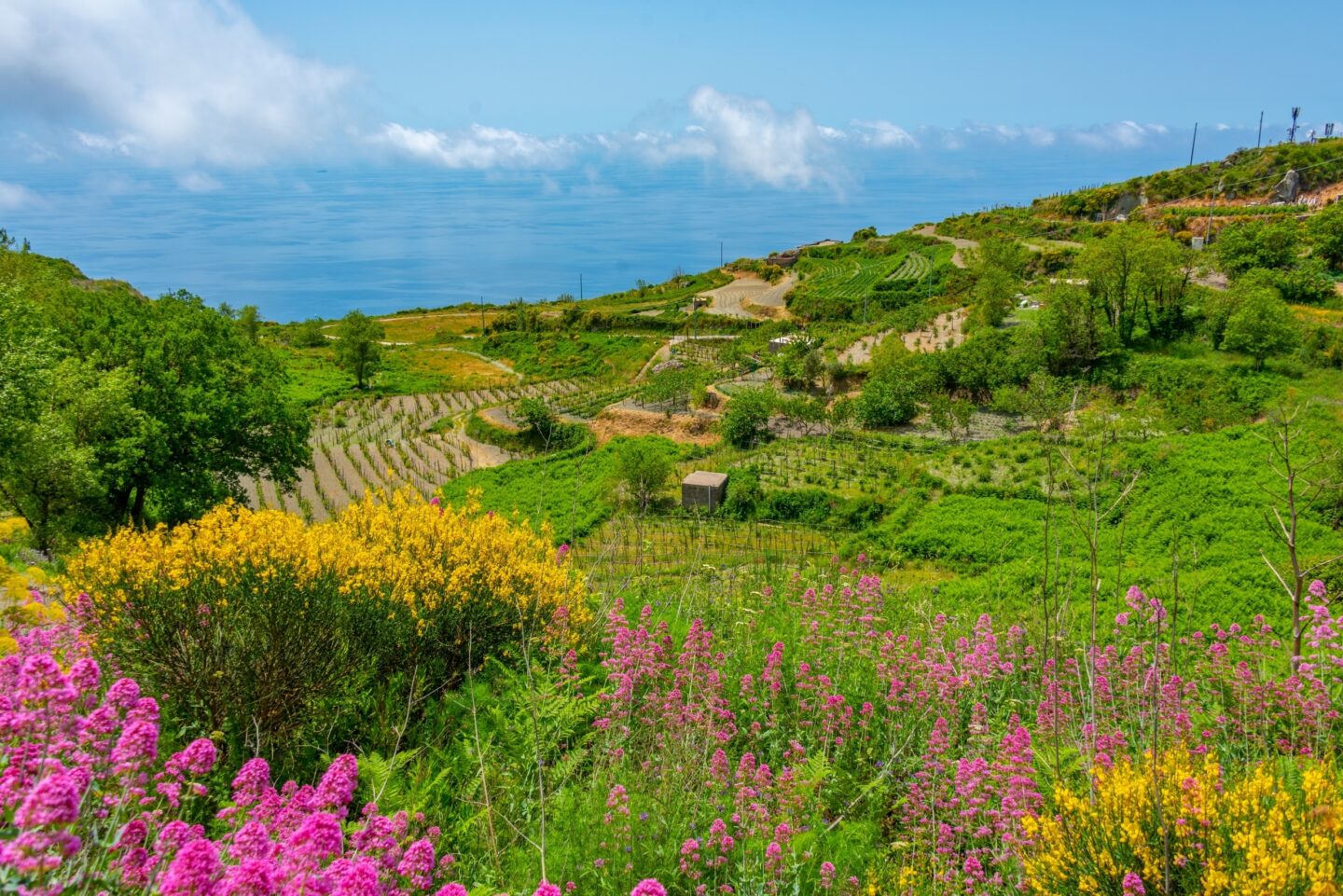
While the Tyrrhenian Sea provides the freshest catch, the Lattari Mountains’ volcanic-rich soil produces the finest crops. With limited space on steep terraces, Amalfi’s farm-selected produce, though less varied, is cultivated with high value using local, environmentally friendly heroic farming techniques, maintaining the region’s culinary legacy.
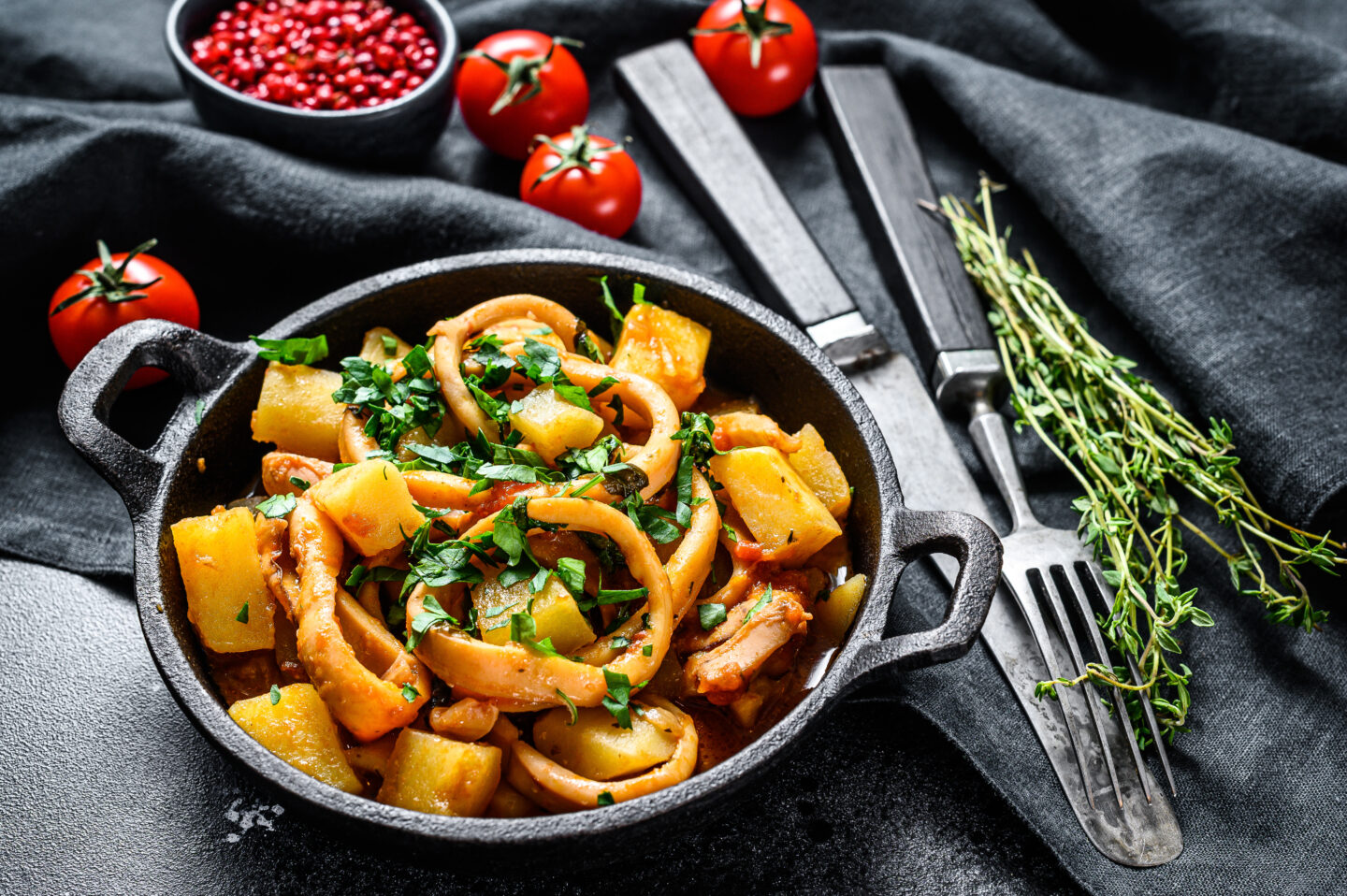
This harmonious relationship between sea and mountain shapes the region’s gastronomic palette, best seen through traditional delicacies like Totani e patate, a squid and potato pancake, and, if an old fisherman’s tale is to be believed, then a variation of limoncello has been accompanying sailors since before its official designation in the 90s.
Eating culture and settings
Meals on the coast are unhurried, more of a social gathering with food at its centre. Even at its busiest, mealtime in Italian culture is sacred and enjoyed for hours over multiple courses, where laughter and storytelling peak between bites.
Traditional Amalfi food is served across most restaurants, some more famous than others, offering a twist on local delicacies. Though no one does Amalfi coast cuisine better than the local family-run trattorias scattered across the coast, which serve hearty, authentic home-cooked meals.
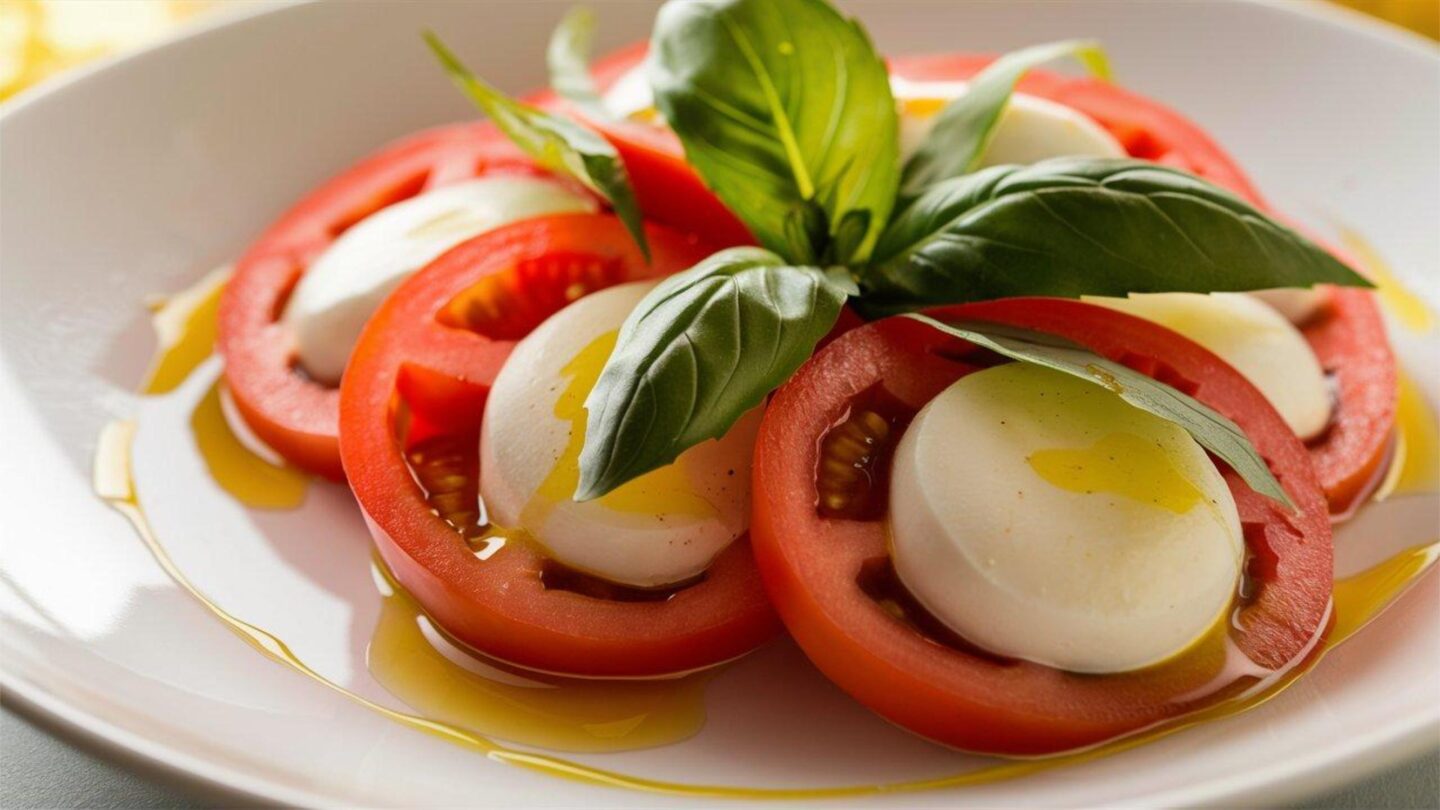
An antipasto like insalata caprese is a wonderful Amalfi food to start off your meal. Then for your primo, a hearty carb-centred dish such as pasta a limone would be your next bite. If you’re feeling extra hungry or looking to share among friends, order a secondo, which consists of protein, usually grilled fish freshly caught that morning. As the conversation flows around the region’s most famous dessert, delizia al limone is shared. Before going off for riposo, take a sip of caffe or a digestivo to round off the meal.
Seasonality: Ingredients and dishes
The cuisine of the Amalfi Coast is not only shaped by geography but has also thrived because of it, creating an epicurean experience based on the freshest ingredients, all caught or harvested in the region. A light, simple yet balanced flavour palette of salt and citrus that perfectly accompanies a day at the beach, a tour of a lemon grove, or a leisurely stroll.
The month of May especially offers stunning views of the famed Amalfi Coast lemon grove, where the fruit hangs in abundance like yellow-gold nuggets, the true gems of the coast. Here, lush greens give way to vibrant yellows, and the air takes on the unmistakable citrus scent for which the Amalfi Coast is known.
Produce is at peak, making each dish better than the last. Here’s some can’t-miss Amalfi food:
Lemons (sfusato amalfitano)

More often than not, an element of each meal laid on a checkered tablecloth in Capri is adorned with a slice of Amalfi lemons. They aren’t simply an accompaniment here in Amalfi; they’re the main stars: from spaghetti al limone, a pasta dish coated with a lemon sauce, to granita al limone, an icy sorbet, and, of course, the mandatory limoncello, a digestive drink after the meal. There’s a lemon dish for any time of the day.
Some might think that’s too much lemon, but Amalfi lemons are actually less acidic, sweeter, and larger than what you’re used to. Through years of cultivation in their cascading hills, the lemon or sfusato amalfitano has become more like a fruit in its own right. So much so that the locals even eat it on its own, soft rind and all.
Seafood

When it comes to what to eat in Amalfi, you can do no better than fresh seafood. Fresh, flaky, firm fish, usually a grilled sea bass or bream, acts as the main protein on the coast. You can also enjoy fish tartar, usually amberjack, in a delectable dish called crudo.
While wandering the winding, narrow streets of Positano, take a cup of fried squid, or a cuoppo, as a perfect snack. A surprise local delicacy, anchovies from Cetara are also a must-try aperitivo: fried and slightly too salty, they make a perfect hand food to accompany a chilled limoncello spritz.
Pasta
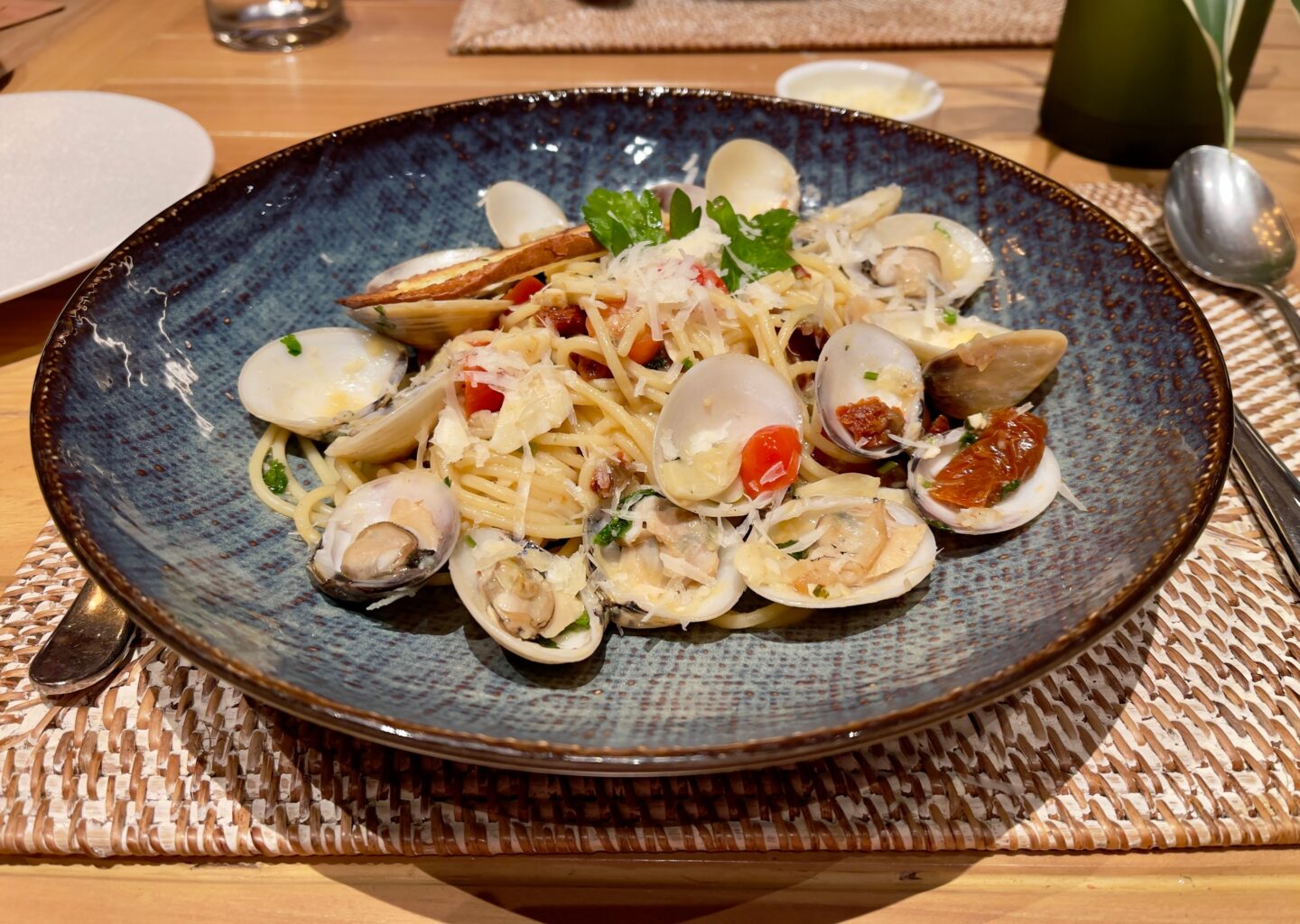
At the forefront of Italian cuisine, pasta is also beloved on the Amalfi Coast. Guest favourites like Spaghetti alle vongole are delicious on the coast, but travellers should come for their local dishes, like scialatielli ai frutti di mare, a chunkier, toothsome pasta created in Amalfi, shorter than spaghetti but perfect for fresh seafood to cling to its ridges.
In Sorrento, they also serve gnocchi alla sorrentina: chewy gnocchi simmered in handpicked red tomatoes, flavoured with garlic and quality olive oil, and, of course, topped with bufala mozzarella.
Capri classics
Insalata caprese is a perfect starter to any meal. A drizzle of the highest-quality extra virgin olive oil over Italy’s sweet red tomatoes and locally made bufala mozzarella is a true no-frills taste of Capri.
Another must-try past dish is raviolo caprese, where handmade ravioli are stuffed with caciotta and parmesan, balanced by marjoram, a native herb of the Mediterranean.
For dessert, take a guilt-free bite of torta Caprese, a flourless, dense chocolate almond cake with a fudgy texture.
Dolci
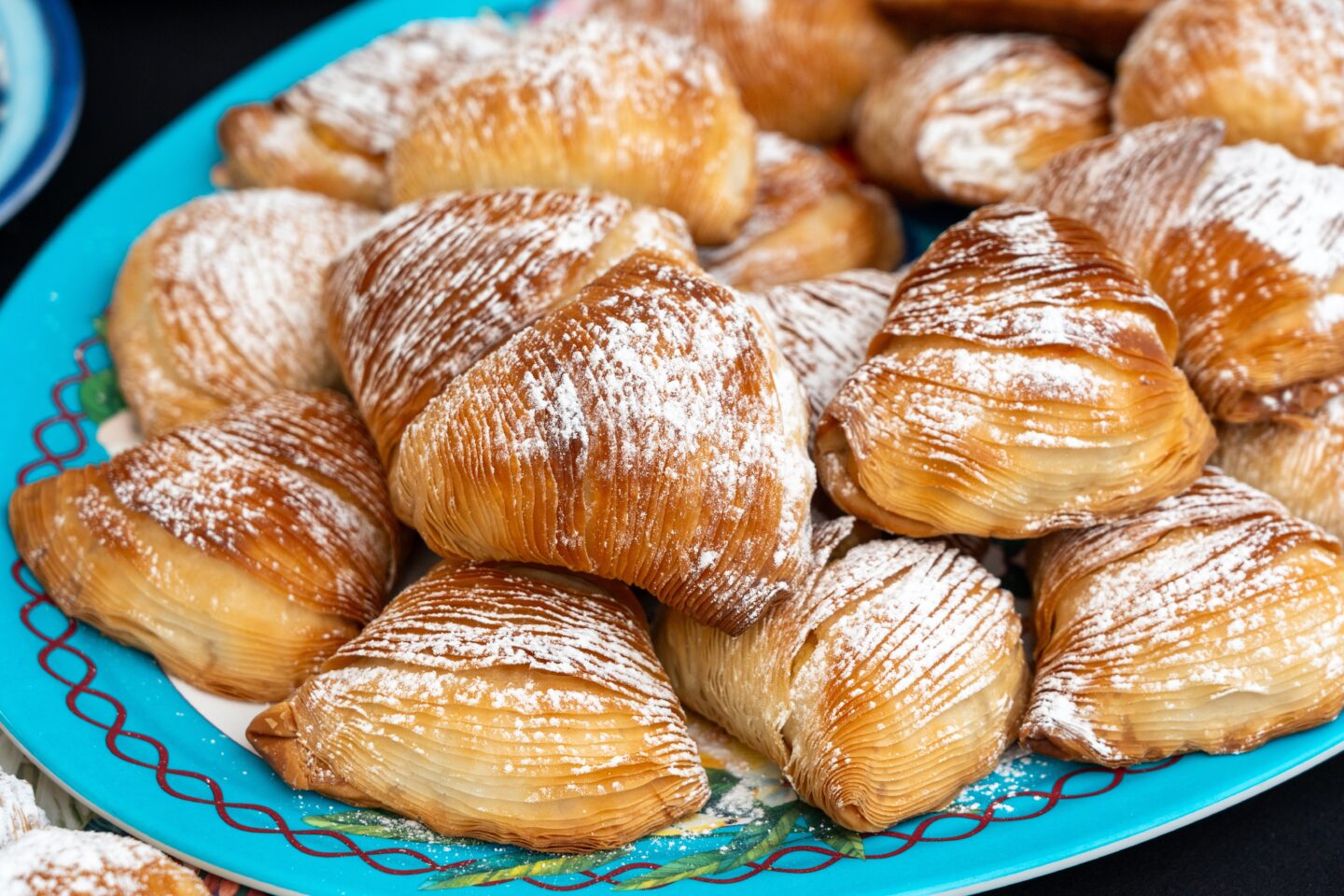
Continue your dessert journey after delighting in delizia al limone, a limoncello-soaked sponge cake covered with lemon cream with pasticcioto atranese, a shortcrust tart typically filled with black cherries or creamy custard, or enjoy sfogliatella santa rosa, a flaky ‘lobster tail’ pastry favoured along the coast since the 17th century.
Amalfi food on board a yacht
On a yacht, every meal is thoughtfully curated, balancing between the finest seasonal harvest and guest preferences. On the Amalfi Coast, you are at the heart of epicurean delights, whether it’s freshly grilled sea bass enjoyed in secluded, shaded bays or a refreshing granita al limone to cool off after a day under the open sun.
The flavours of the Amalfi Coast, should you want it, are the perfect accompaniment to any yacht charter in the region. Each ingredient is made with the finest produce and freshly caught seafood, all tailored to your dietary needs. Whether you want a structured menu or a wonderful culinary surprise, each meal is your call.
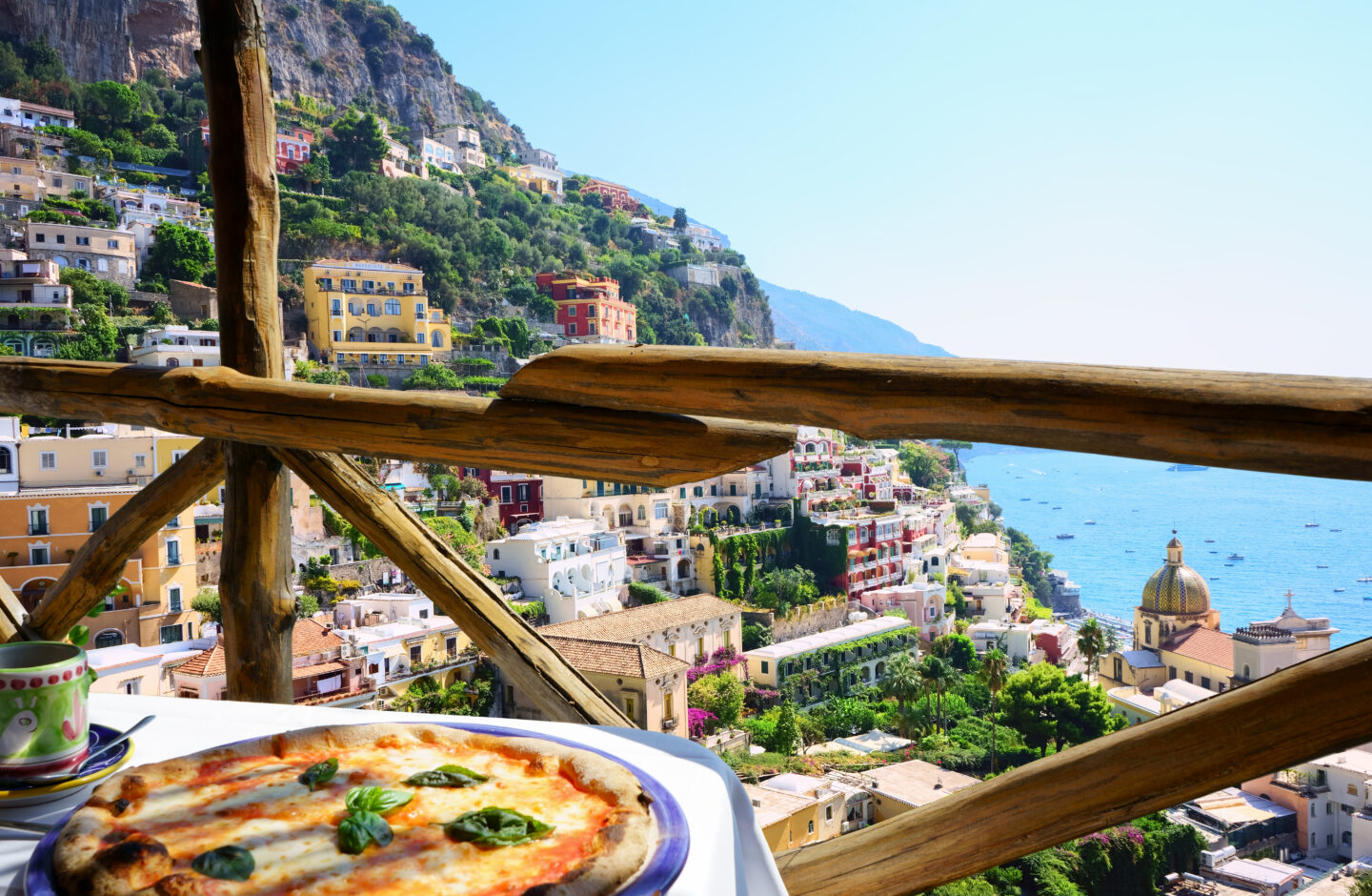
Yearning for Neopolitan pizza? Considering swapping Amalfi tomatoes for the sweeter Vesuvian ones? Craving the freshest seafood served on fine Vietri sul Mare ceramics? Positano and Capri are just two of the many provisioners and destinations that make up the coast. Its open, sea-connected setting allows for an abundance of local produce and delicacies creating flavours far richer than those found in more remote regions.
Mare e monti: Cuisine defined by sea and mountain

Amalfi food is simple; its preparation is clean, but its flavours are full, using only the finest, locally sourced ingredients. Its elegant simplicity reflects the region’s culture and lifestyle. A coastal town at heart, that has travellers flocking to its shores, to experience unique cliffside locations, allows for panoramic seaside views whatever you decide to eat.
Visiting in Spring, just before travellers come in their droves, offers a different view: the town is noticeably quieter and slower, as if in anticipation of a deep breath before it becomes a bustling mecca for people from all over the globe.

TRENDING ARTICLES


FEATURED YACHT