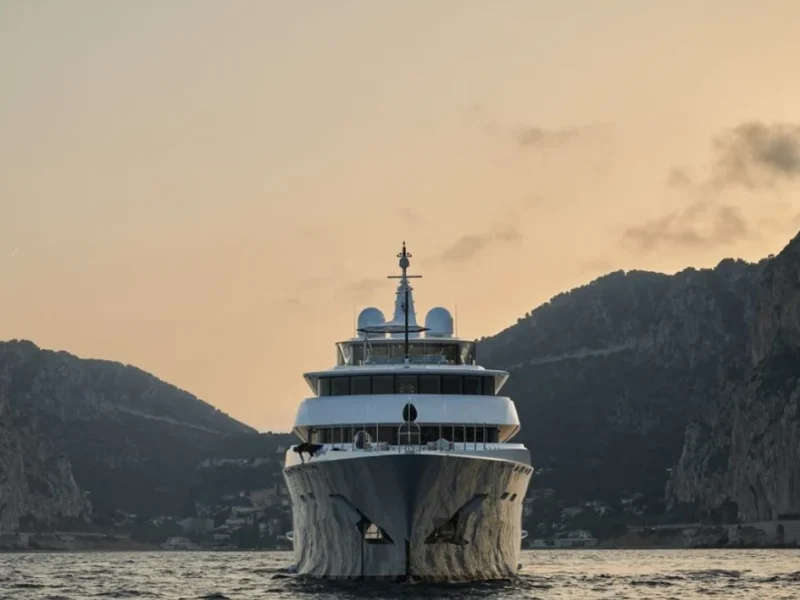
There is a version of yacht travel that most people recognise. You move between beautiful places on a beautiful white yacht, and the experience is designed to feel effortless from beginning to end. It can be exceptional when it’s done well, but it also follows a structure that, by now, is very familiar. But occasionally, something comes along that sits completely outside of that. Cue the rise of adventure yacht travel.
In 2025, Pelorus brought a small group of travellers to Panama to take part in a real-life treasure hunting expedition to locate the wreck of the Maurepas, a 17th-century French frigate believed to be carrying around $24 million in gold, silver and jewels. Not a reimagined story or a themed experience, but an active search in waters that had never been opened to outside exploration before.
Spoiler: the treasure was not found on the first expedition in 2025 – but this Pelorus yacht expedition is set to return between July and September 2026.
Adventure yacht travel: Access, and what it really means
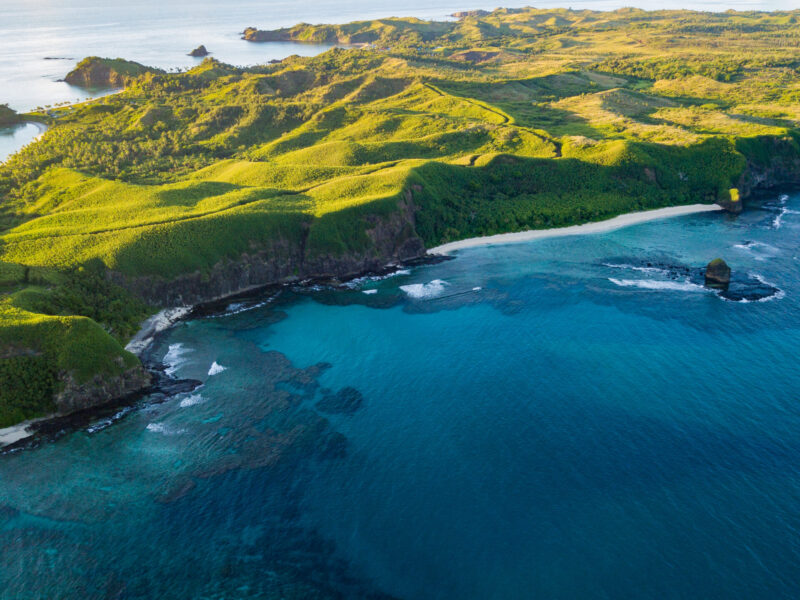
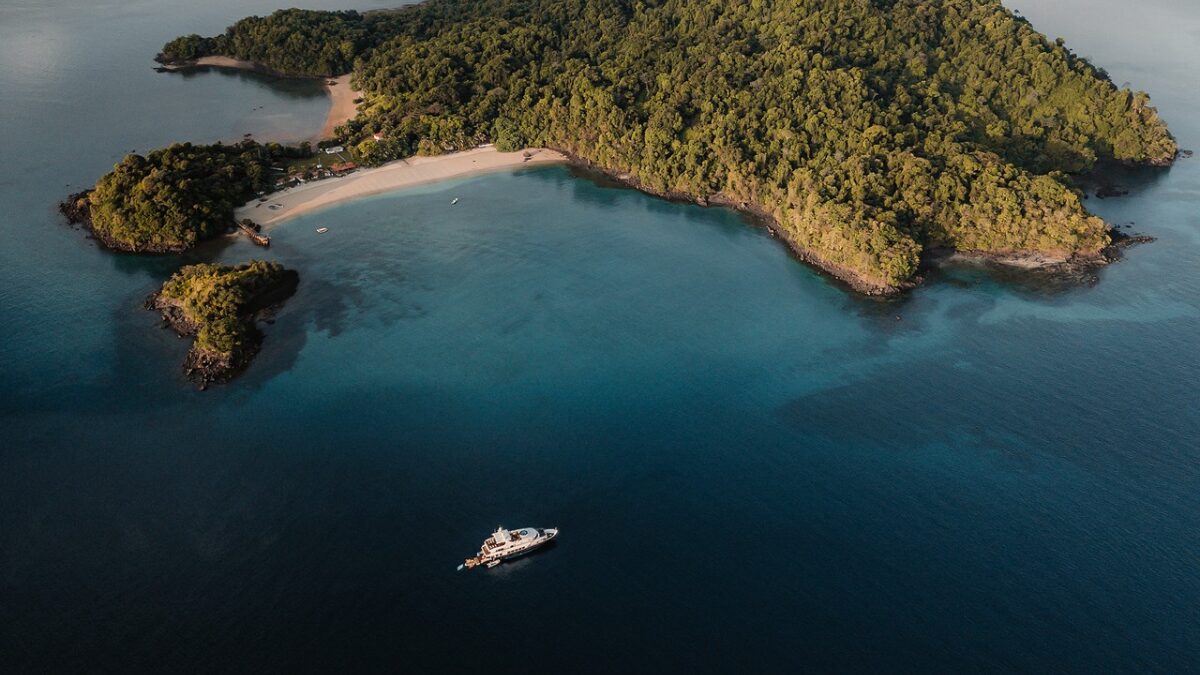
The waters themselves belong to the Guna Yala, an indigenous community that has protected this part of the San Blas archipelago for centuries. The location of the wreck has long been known to them, but access has never been granted, not because it is difficult to reach, but because it is not considered open.
What shifted in 2025 was not simply a logistical decision, but a question of trust, built over time through the work of OceanX and Deep Blue Explorers, whose relationship with the community stretches back more than a decade. The invitation was extended carefully, and on the understanding that this would be a collaboration rather than an extraction.
“With the sacred trust of the Guna Yala tribe, this expedition isn't just about discovery but it's also about legacy, impact and rewriting the story for this community.”Geordie Mackay-Lewis, Pelorus Co-Founder and CEO
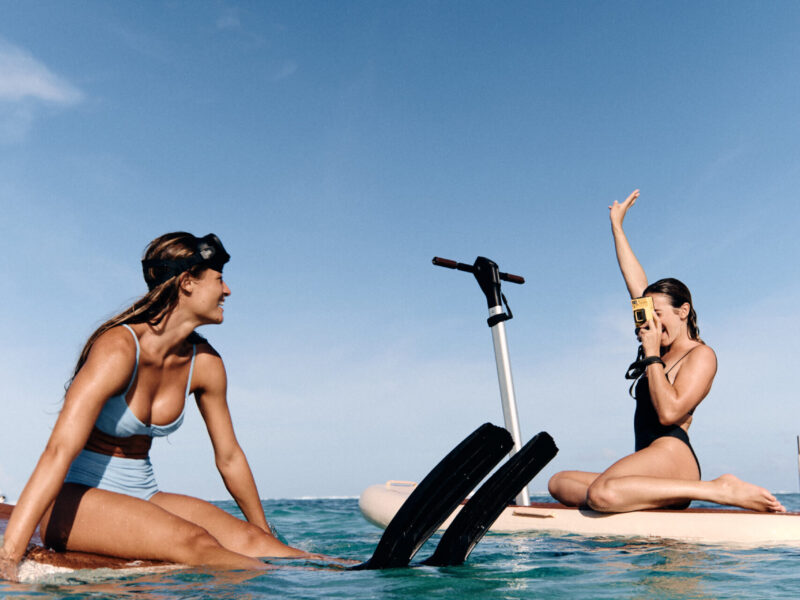
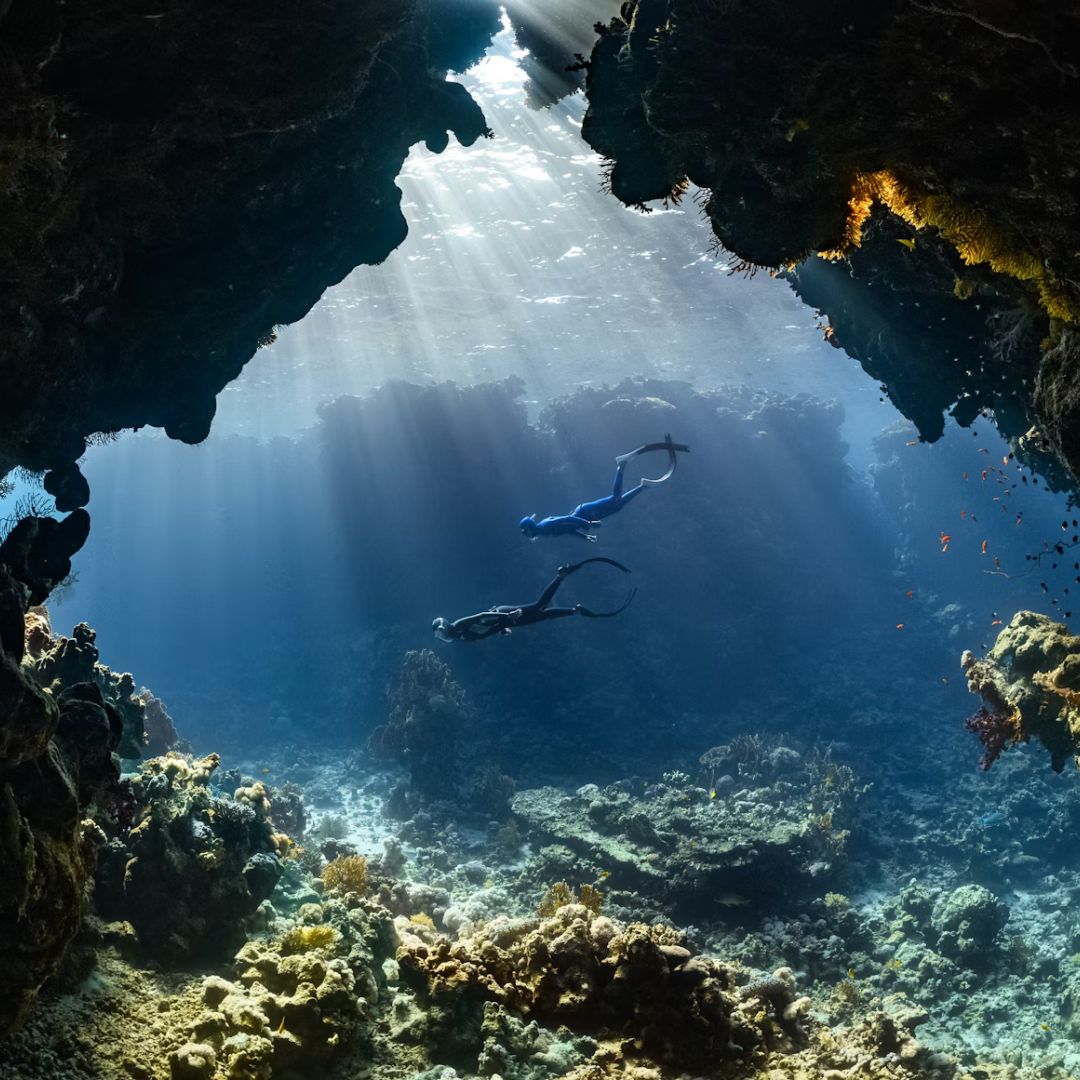
What stands out, once you move past the headline, is how unpolished the experience actually is, in the best possible way. Days are spent working alongside a professional salvage team, scanning the seabed with magnetometers, diving when conditions allow, and sitting with the reality that there may be no immediate result. It is slow, technical, and often inconclusive, which is precisely what gives it weight. You are not guided through a narrative; you are placed inside something that is still unresolved.
What you are actually stepping into
Participants are brought into that process properly. They see how the search is conducted, how artefacts are identified, and how decisions are made in real time, rather than being shown a simplified version of it. If anything is recovered, it is independently assessed, and participants are given first right of acquisition where appropriate, placing them unusually close to the point of discovery.
Access to this experience is deliberately limited, with only four places available on the initial expedition, and pricing starting from $185,000 per person. That includes accommodation on board, diving equipment, certification for non-divers, expert guides, business-class flights, and insurance, with the overall cost depending on how the yacht element is configured. It is a structure that makes it clear this is not designed to scale, and does not need to. It’s a totally unique adventure yacht travel offering: it knows its niche-ness and that’s what makes it so special.
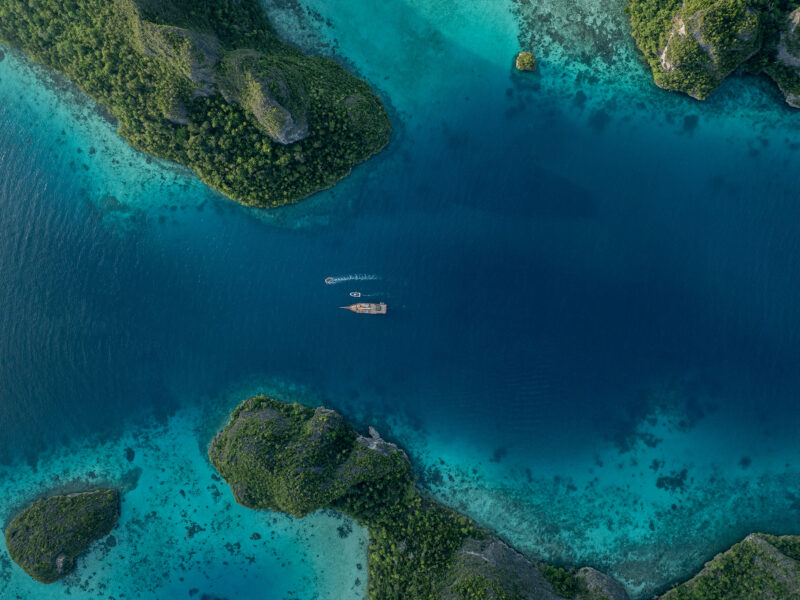
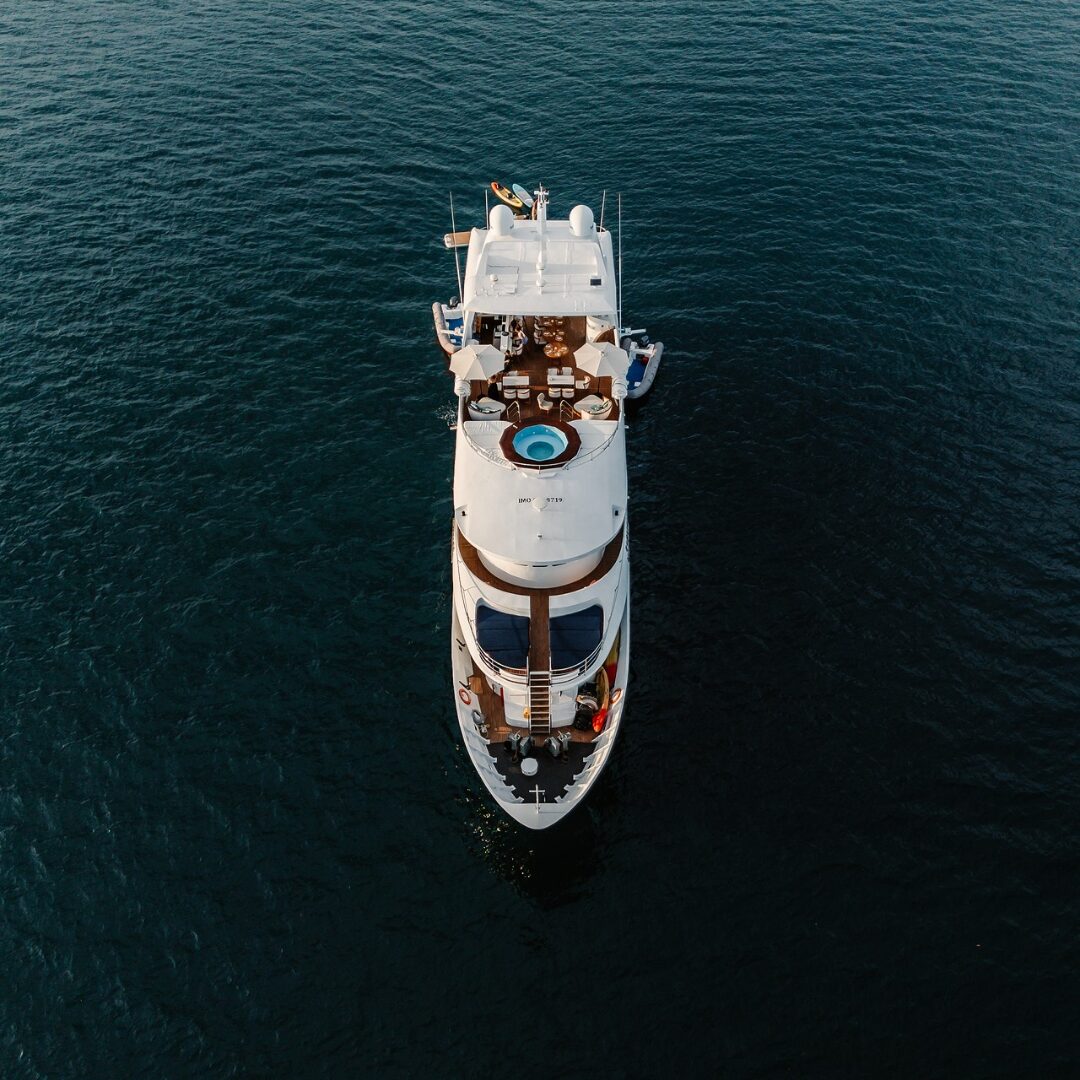
The yacht itself sits in an interesting position within all of this. It is not the focus, but it is what makes the entire thing possible, acting as a mobile base that allows the expedition to remain close to the site, adapt to conditions, and access parts of the archipelago that would otherwise remain out of reach. Pelorus approaches this with a degree of flexibility, using catamarans for an expedition-led setup, or offering fully chartered superyachts such as Kontiki Wayra for those seeking a more private base from which to experience it.
In both cases, the role of the yacht shifts away from being the centrepiece and towards something more functional, enabling access, autonomy and time in a way that land-based travel simply cannot.
What this unlocks that most travel doesn’t
There is also a deeper layer to what is happening here that lies beyond the expedition itself. The Guna Yala have protected these waters not only physically, but culturally, and their relationship with the ocean is inseparable from their identity and history. The structure of the expedition reflects that in a tangible way, with seventy per cent of any recovered treasure returning directly to the community, alongside a broader framework designed to support long-term prosperity, train new explorers and rebuild parts of a society whose connection to the sea has always been central. Without that context, the entire project would read very differently and far less convincingly.
For a long time, luxury travel has been defined by access, but increasingly within an already established framework. The best version of something that already exists, refined and elevated, but rarely reimagined. What a Pelorus yacht expedition does is occupy a space that sits completely outside of that. Adventure yacht travel is not about improving the familiar, but about creating access to something that is still in motion, where the outcome is uncertain, and the value lies in being present while it unfolds. That requires a different level of intent and a different kind of luxury traveller.
Opening up unique yacht experiences
You could reduce this to a story about a lost ship and a significant amount of buried treasure, but that feels like the least interesting version of it. What stays with you is something quieter and far more important. The idea that travel, when it’s done properly, can still open doors that aren’t already mapped out, and can do so in a way that respects the people and places that make those experiences possible in the first place.
Because this only works through trust. Through long-term relationships, through permission, and through a structure that recognises that access is not something to be taken lightly. The fact that a significant portion of anything recovered goes back to the Guna Yala community is not a detail to skim over; it is the foundation that makes the entire expedition credible.
And perhaps that’s where this becomes more than just adventure yacht travel, and cements itself firmly as something more: a truly extraordinary experience. It shows what happens when money in travel is used not simply to elevate comfort, but to unlock something meaningful, something that creates value on both sides. Not extraction, not spectacle, but a form of exchange that feels considered and, crucially, sustainable.
The expedition returns in 2026, where the treasure hunt will continue. The most interesting journeys are rarely the ones that arrive neatly at an answer, but the ones that leave something open, still unfolding, and worth going back to.
TRENDING ARTICLES


FEATURED YACHT