The northern Caribbean is made for a yacht charter.
Distances are short, the water stays calm, and each island feels distinct the moment you arrive. A northern Caribbean yacht charter from St Maarten to Anguilla brings that contrast into focus quickly, linking some of the most rewarding stops in this part of the Caribbean.
One day begins in a busy harbour where superyachts line the docks and the shoreline hums with movement. The next unfolds in a quiet anchorage, where the water turns clear turquoise, and the only sound is the breeze moving across low, sunlit hills.
This stretch of the Leeward Islands moves easily between energy and stillness. A St Barths yacht charter brings style and pace, while Anguilla opens into long, empty beaches. In between, smaller islands feel almost untouched. Over the course of a week, the rhythm becomes simple and instinctive: sail, swim, explore, repeat.
Day 1 – St Maarten → St Barths
Distance: ~15 nautical miles south-east
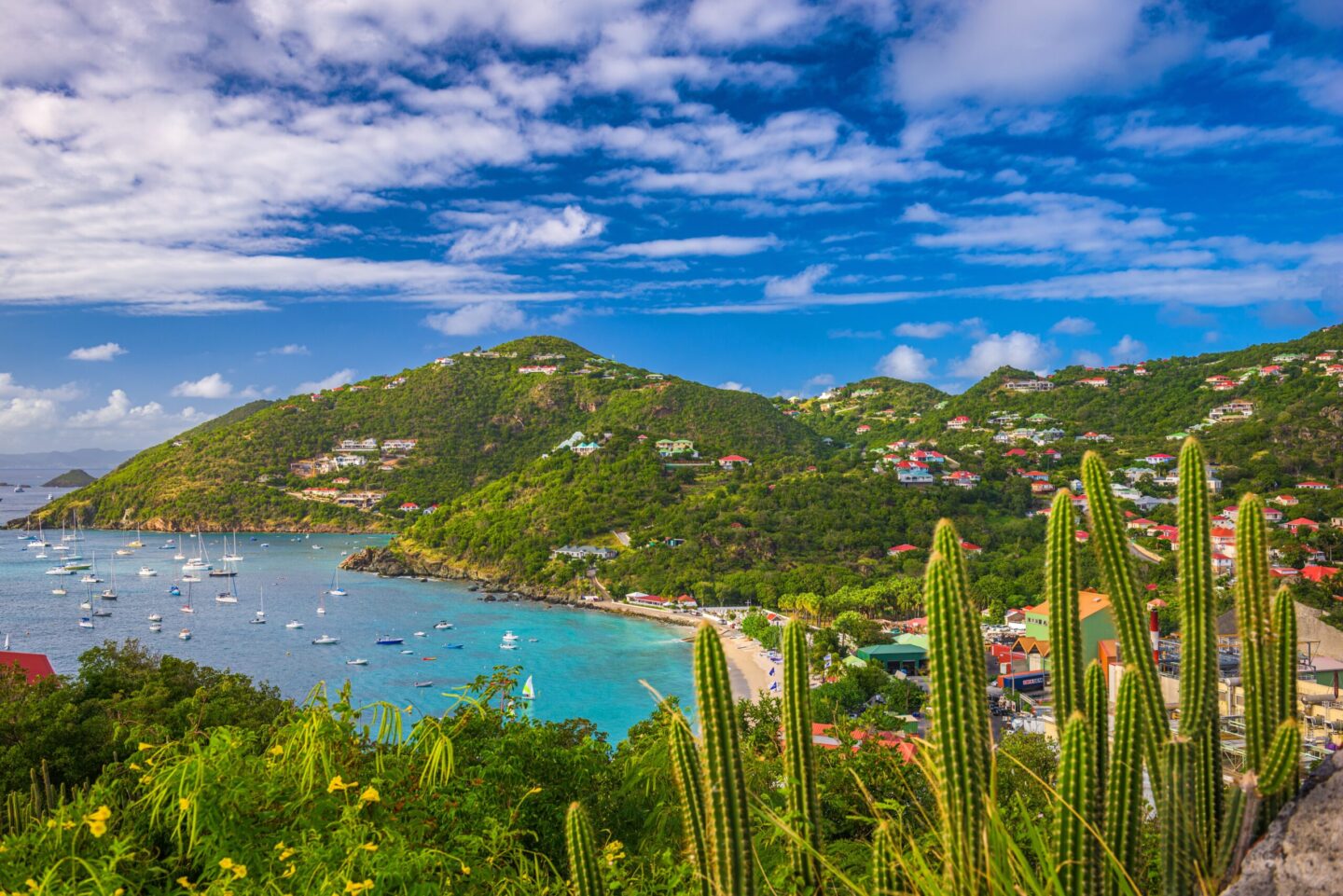
Depart the iconic shores of St Maarten and head toward another Caribbean yacht hotspot: St Barths. A short but scenic crossing across clear Caribbean water, the island appears gradually, its green hills rising above a harbour filled with sailing yachts.
Gustavia, the island’s main port, blends French-Caribbean charm with a lively waterfront. Moor nearby and spend the afternoon exploring the small boutiques, cafés and harbourfront streets. If the weather is calm, take the tender to Shell Beach just outside town for an easy swim.
Our St Barths yacht charter tip: Head ashore for dinner at Bonito in Gustavia, where the terrace overlooks the harbour and the menu blends French technique with Caribbean flavours. Book ahead, especially in high season. For a livelier evening, take the tender to Nikki Beach on St Jean Bay. Arrive late afternoon and stay through sunset as the atmosphere shifts from relaxed to celebratory.
Day 2 – St Barths → Île Fourchue
Distance: ~10 nautical miles north-west
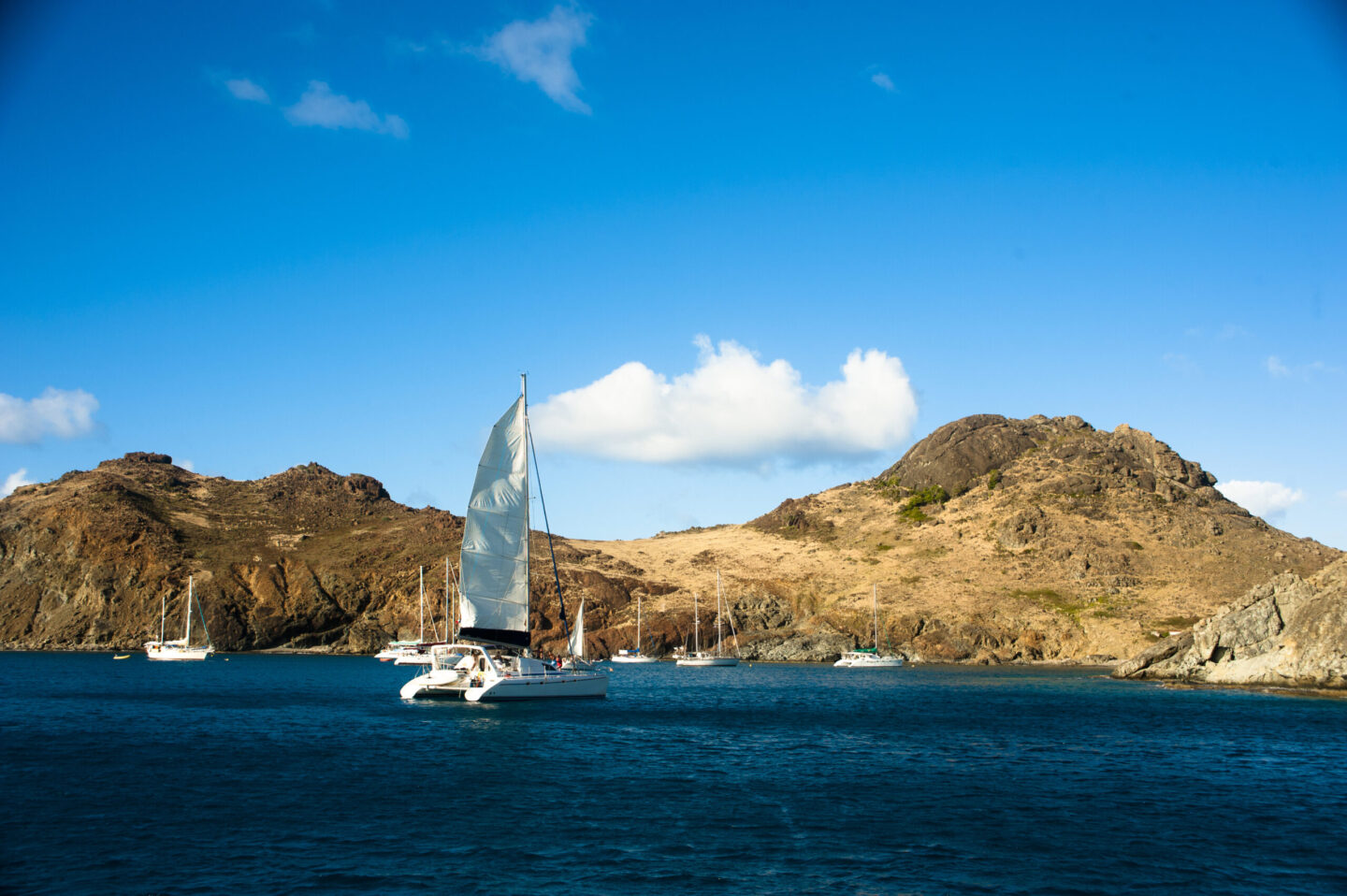
A short morning cruise leads to Île Fourchue, a small uninhabited island between St Barths and St Maarten. The anchorage here feels completely different from yesterday’s lively harbour. Drop anchor in the protected bay where the water shifts between deep blue and bright turquoise. The island is quiet and wild, with dry hills and walking paths leading to viewpoints across the surrounding sea.
Spend the afternoon swimming, snorkelling along rocky edges or hiking up the ridge for wide views over the Leeward Islands. As the sun lowers, the anchorage becomes still and peaceful.
Day 3 – Île Fourchue → Tintamarre
Distance: ~18 nautical miles north

Sail north toward Tintamarre, a small, uninhabited island within the St Maarten marine park. The approach feels open and bright, with long, pale beaches coming into view against shallow water that shifts from soft blue to almost electric turquoise.
Anchor just off the western side of the island, where the seabed is visible beneath the hull. From here, it’s an easy swim or tender ride ashore. The shoreline is wide and undeveloped, with sea turtles often moving slowly through the calm shallows nearby. This is a place to pause rather than plan, and soak up the silence.
Day 4 – Tintamarre → Anguilla (Road Bay)
Distance: ~20 nautical miles north-west
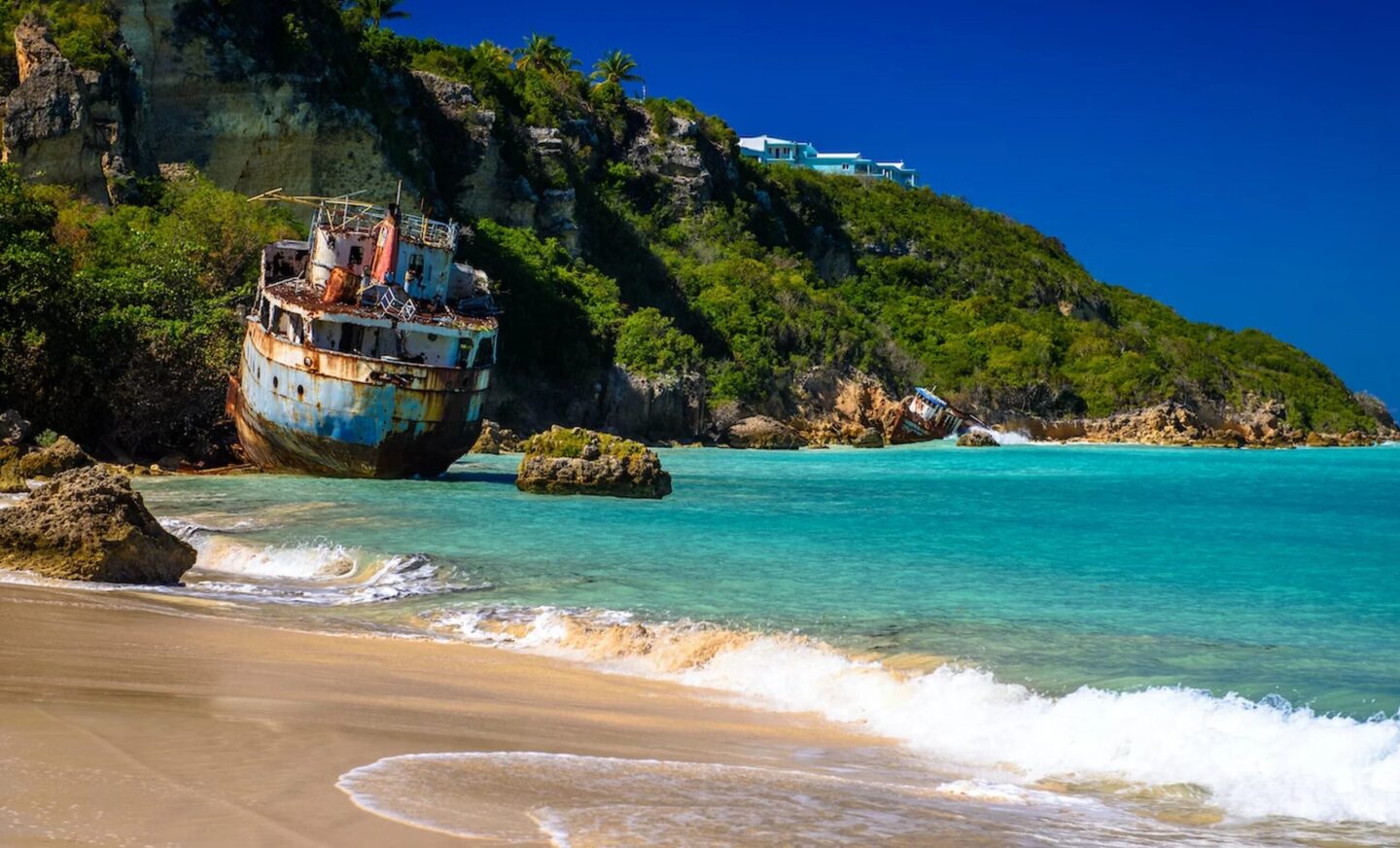
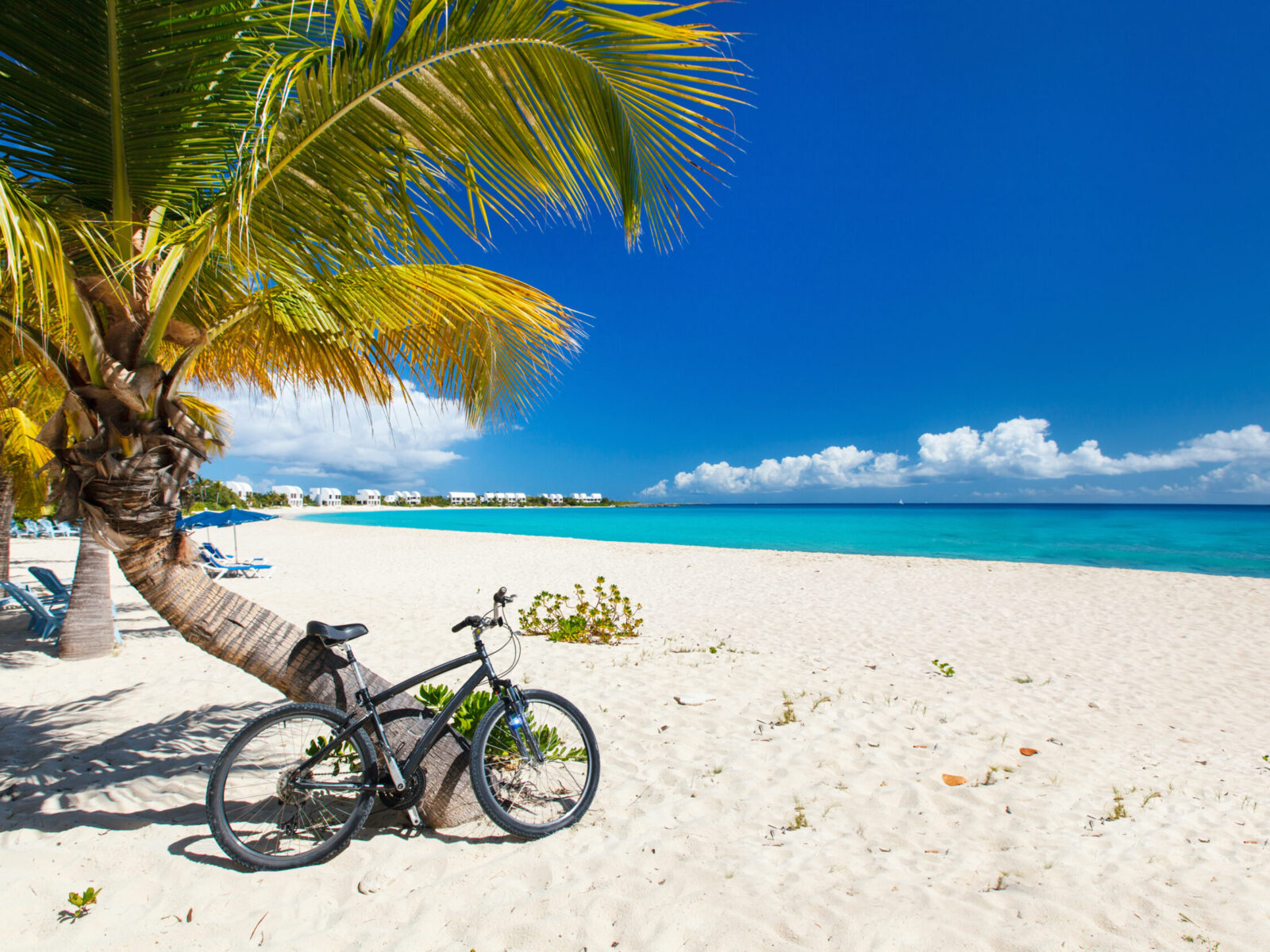
Today’s passage brings you to Anguilla, where the focus shifts almost entirely to the coastline. The island is known for its beaches, but arriving by yacht makes that immediately clear, with long stretches of white sand and shallow, luminous water visible well before you anchor.
Moor off Road Bay or take a berth nearby, then head ashore to explore. Shoal Bay East is the standout, with bright turquoise water and soft sand that holds its colour even in the late afternoon light. It’s the kind of beach that feels expansive rather than busy, especially if you arrive outside the peak hours.
Our Anguilla yacht travel tip: Take the tender to Sandy Island for a long, late lunch. The setting is simple, but the water is some of the clearest in the area, and arriving by boat means you can slip straight back into the sea between courses.
Day 5 – Anguilla → Prickly Pear Cays
Distance: ~7 nautical miles north-west
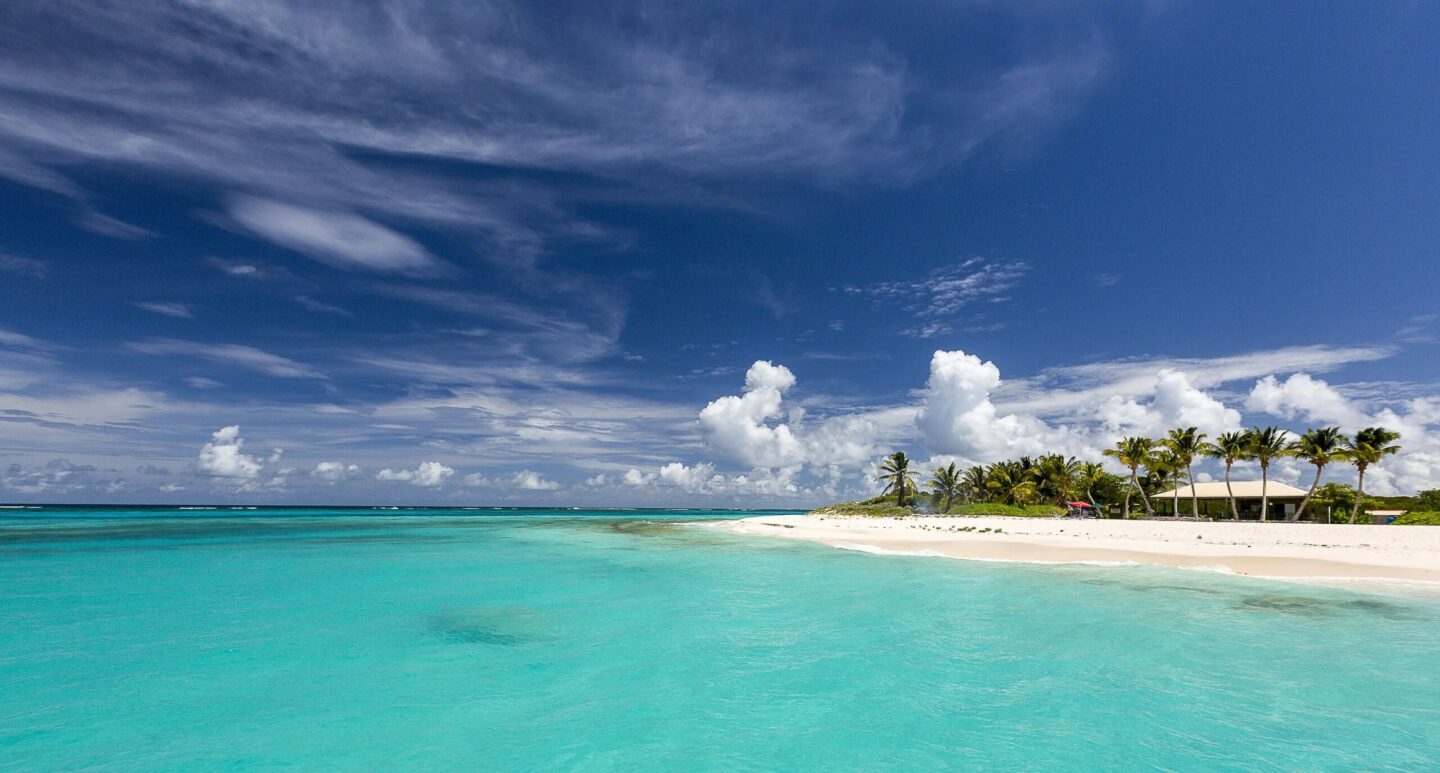
A short cruise leads to the Prickly Pear Cays, two small islands surrounded by luminous, shallow water. This anchorage often becomes a highlight of the week. Drop anchor and spend the day swimming, snorkelling along coral patches or simply drifting in the warm water beside the boat. The sandbars here create perfect conditions for paddleboarding and easy exploration by tender.
The atmosphere stays playful and relaxed. Music drifts from beach cafés while yachts anchor across the calm lagoon-like bay.
Day 6 – Prickly Pear Cays → St Maarten
Distance: ~25 nautical miles south
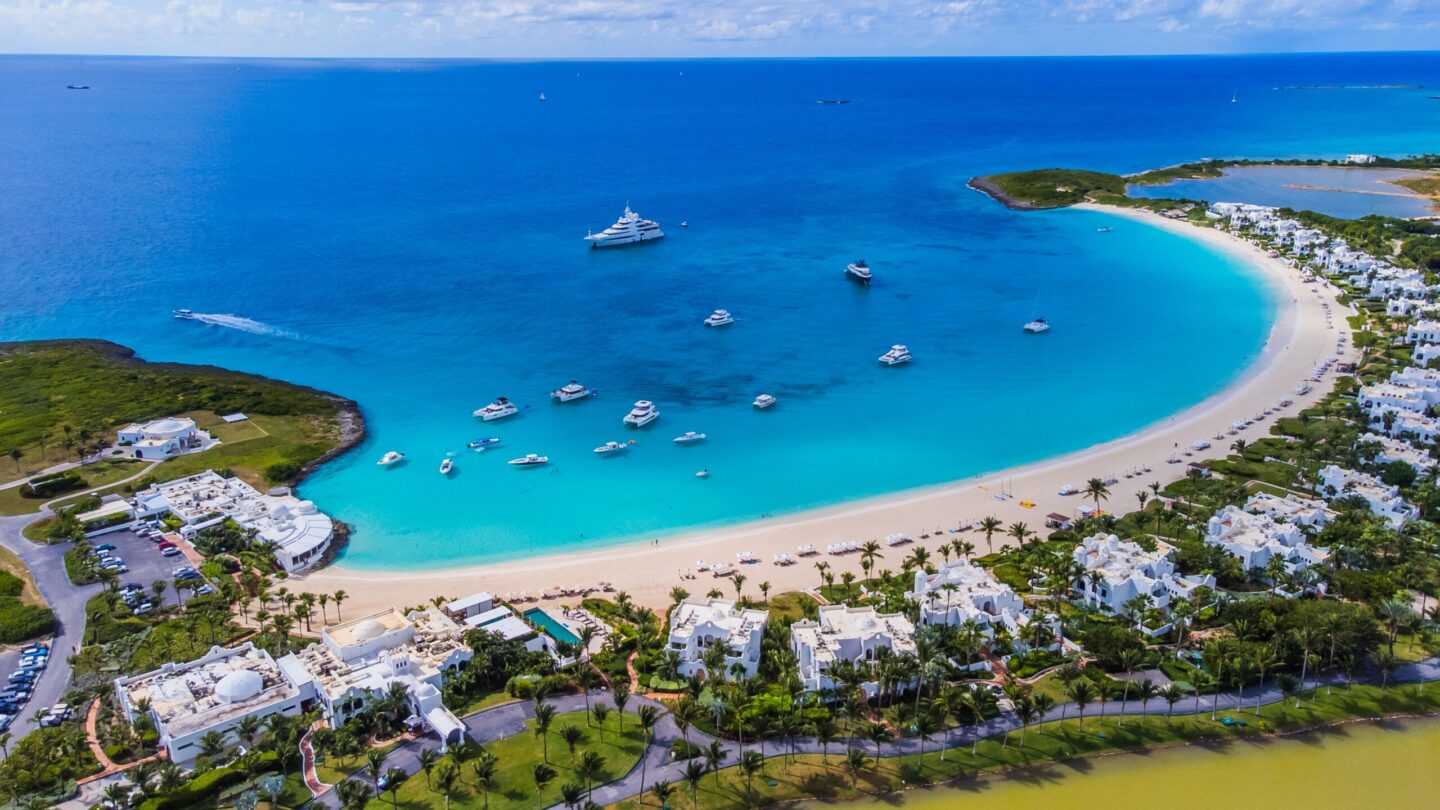
The last day of your Caribbean island hopping adventure will start with a gentle cruise back toward St Maarten, passing open water where the horizon stretches uninterrupted across the Caribbean Sea. Dolphins occasionally appear along this stretch, riding the bow waves as boats pass through.
Return to Simpson Bay or anchor along the Dutch side of the island for the afternoon. Spend time exploring the lively marina district or relax on one of the nearby beaches before your final evening on board. With the harbour lights reflecting across the water, the trip begins to feel complete.
Day 7 – St Maarten

Wake to calm water in St Maarten, with the harbour gradually coming to life around you. The final morning is unhurried, coffee on deck, a last swim off the stern, and time to take in the familiarity of the boat before departure.
If time allows, step ashore for a short walk along Simpson Bay or a quiet breakfast by the water. By now, the rhythm of the week feels settled, and leaving carries a different pace to arriving.
Why the Northern Caribbean Works So Well by Yacht
A northern Caribbean yacht charter is less about distance and more about contrast. Within a few hours, you move from the polished pace of St Barths to the open, undeveloped beaches of Anguilla, with smaller islands in between that feel almost incidental until you stop.
There is a social rhythm to this part of the Caribbean that becomes clear over time. Harbours like Gustavia draw you in for an evening, then just as quickly, you find yourself anchored somewhere quiet, with no reason to leave. The balance between the two never feels forced; it simply unfolds as you move.
What makes this route distinct is how easily those shifts happen. You do not commit to one version of the Caribbean. You move between them, adjusting the pace as you go, until the week becomes a series of small decisions rather than a fixed plan.
TRENDING ARTICLES
FEATURED YACHT