David Attenborough at 100
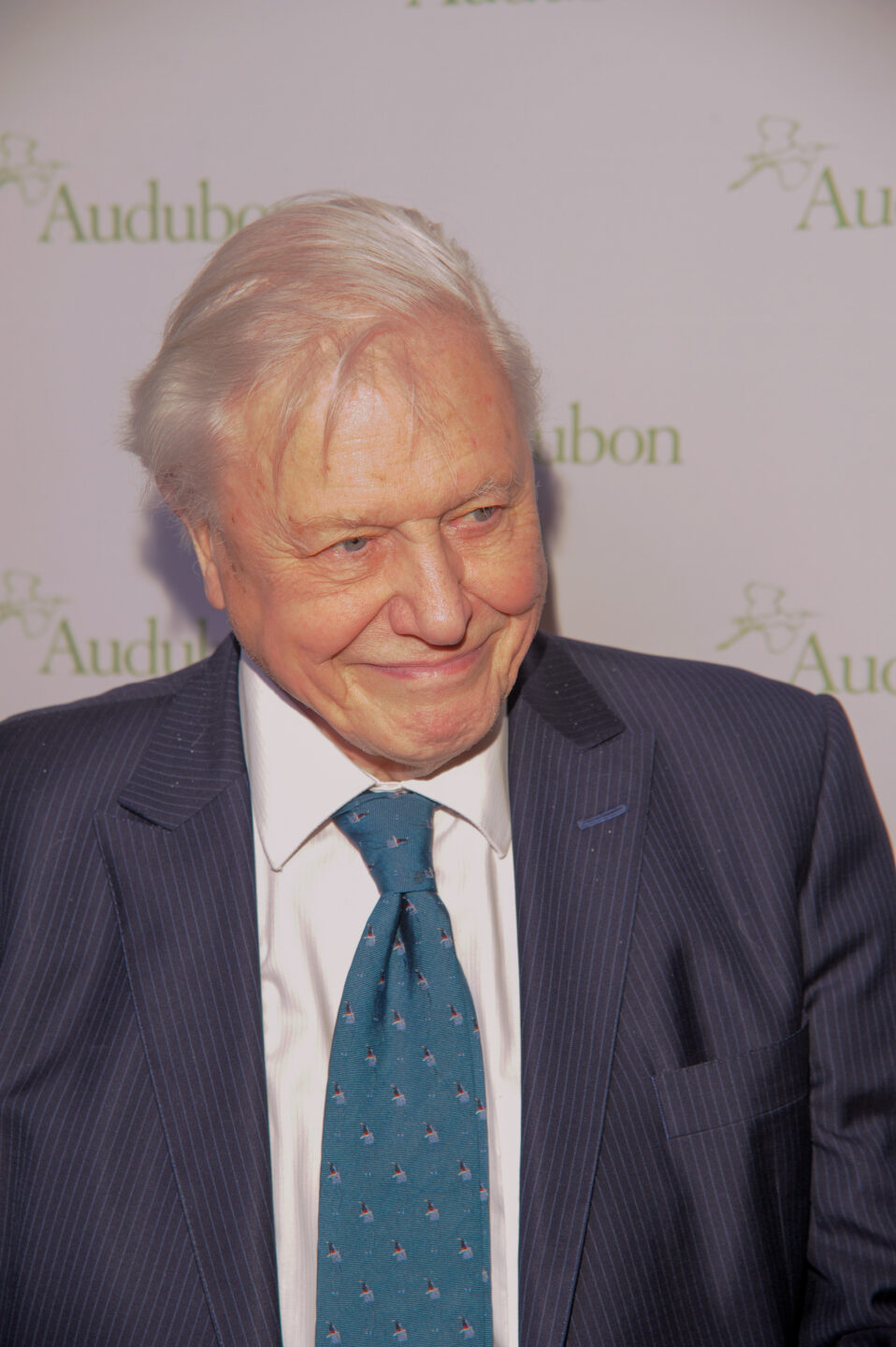
Is there a more iconic or recognisable voice in broadcasting than that belonging to Sir David Attenborough? Having spent more than seven decades at the BBC, it is difficult to think of another individual who has done more to form humanity’s understanding of the natural world. Attenborough has also just celebrated his 100th birthday to much acclaim, including a star-studded event which took place at the Royal Albert Hall on 8th March to mark David Attenborough at 100.
For generations, since his black-and-white on-screen debut in 1954 with ‘Zoo Quest’ (which showcased many places which had never been shown on TV before), Attenborough’s dulcet tones have narrated the rhythms of life on Earth: from the slow unfurling of rainforest canopies, to the crash of ocean waves beneath Antarctic ice shelves, to the adrenaline-spiking chase of predator and prey across the African plains. David Attenborough at 100 represents not simply a broadcasting milestone, but a century connected to discovery, exploration and storytelling about the natural world.
The Voice That Defined Nature Broadcasting
From a technical point of view, Attenborough helped pioneer the use of advanced filming technology in natural history television, from aerial photography to ultra-high-definition underwater cinematography. Even the beautiful hues we see on screen in 2026 should not be taken for granted. As controller of BBC Two in the 1960s, he played an instrumental role in introducing colour television to Britain.
Thanks to the incredible skills of Attenborough and his team, audiences of his documentaries have experienced the full range of emotions, from tension to sadness, to pure delight, whilst watching nature in action. But beyond what is seen on the screen, Attenborough’s greatest achievement is far more profound: persuading millions to care about protecting the natural world. In many ways, David Attenborough at 100 symbolises how wildlife filmmaking evolved from niche factual television into one of the most powerful forms of environmental storytelling.
How David Attenborough Changed Wildlife Filmmaking
Across his broadcasting career, Attenborough has not only transformed wildlife filmmaking but also brought the most urgent environmental issues into mainstream conversation. Attenborough’s landmark documentary series include ‘Life on Earth’, which fundamentally changed how wildlife documentaries were filmed and narrated, as well as the groundbreaking “Life” collection, including “The Living Planet”, “The Blue Planet” and “Planet Earth”, which set new standards for wildlife filmmaking. With hundreds of millions worldwide tuning into his narrated documentaries, they make complex ecological issues accessible to mainstream audiences. Indeed, David Attenborough conservation helped shift wildlife filmmaking from purely observational television toward emotionally-driven storytelling with a conservation message.
From Natural History to Environmental Activism
Beginning his career focusing on showcasing the wonder of the natural world, by the late 1970s, his landmark series “Life on Earth” (1979) sparked awareness of the need to protect the natural world. Indeed, his work brought global attention to climate change, biodiversity loss and ocean conservation long before environmental campaigning entered the mainstream, inspiring generations of scientists, conservationists, filmmakers and environmental activists through both his documentaries and public advocacy.
Species Named After David Attenborough
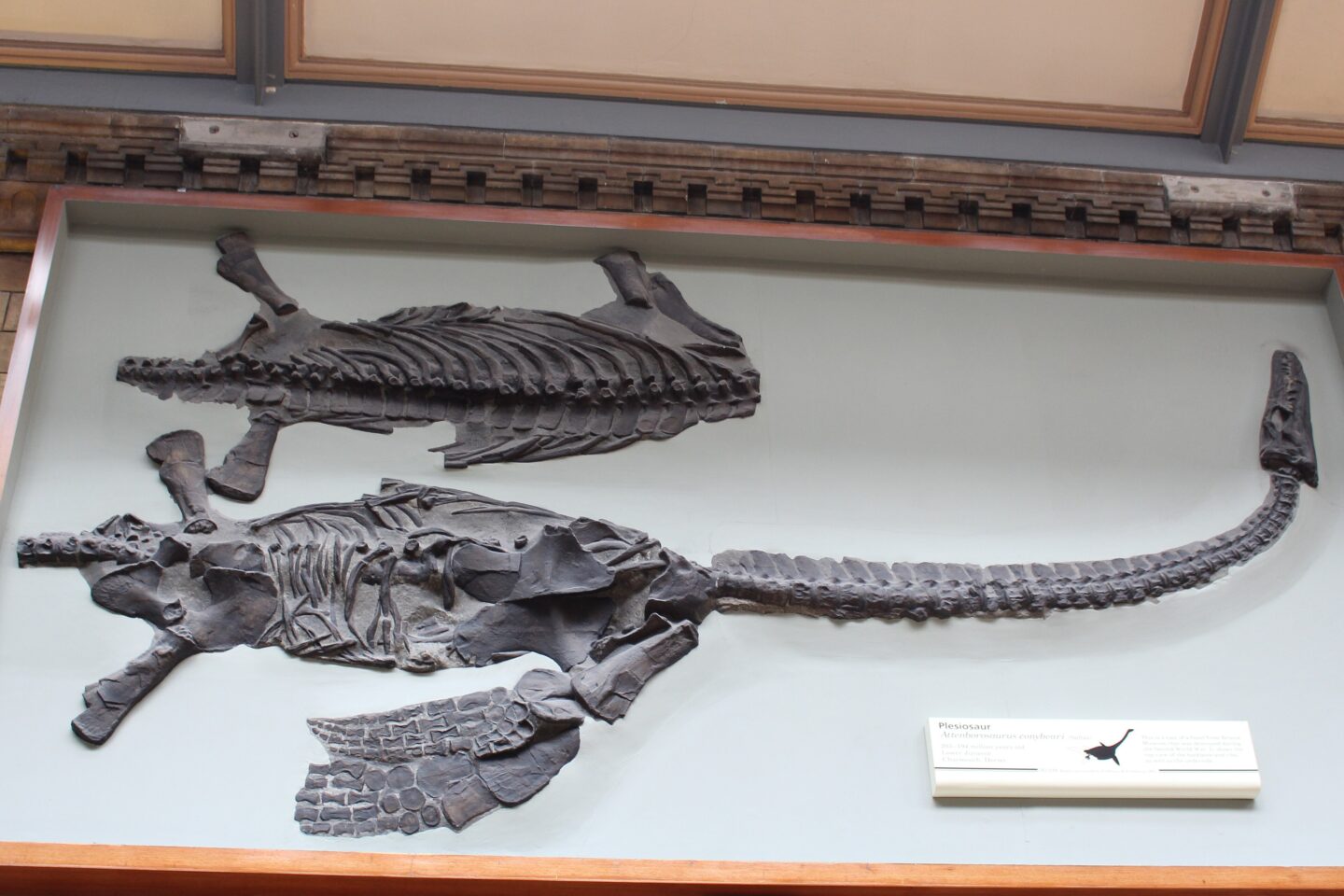
In recognition of the enormous contribution Attenborough has made to environmental conservation, he has received numerous honours, including a knighthood in 1985 and appointment to the Order of Merit, one of the UK’s highest distinctions. He has also had dozens of species named after him, from prehistoric marine reptiles to plants and insects, reflecting his impact on science and conservation. Some of the most notable include:
Attenborosaurus: an extinct plesiosaur from the Jurassic period, originally named in honour of both David and his brother Richard Attenborough.
Prethopalpus attenboroughi: one of several spiders named after him.
Pristimantis attenboroughi: a frog discovered in Peru.
Blepharocalyx attenboroughii: a South American tree named in tribute.
Sirdavidia: an entire genus of flowering plant named after him, inspired by his advocacy for biodiversity.
Trigonopterus attenboroughi: an Indonesian beetle species.
Attenborougharion rubicundus: a rare snail from Southeast Asia.
Zelus attenboroughi: a kind of assassin bug named after him for his enthusiasm for the natural world.
One of the most high-profile discoveries came in 2022 with Cascolus ravitis, a tiny fossil crustacean whose genus name loosely translates from Latin as “Attenborough’s hidden dweller”.
David Attenborough’s Ocean Era
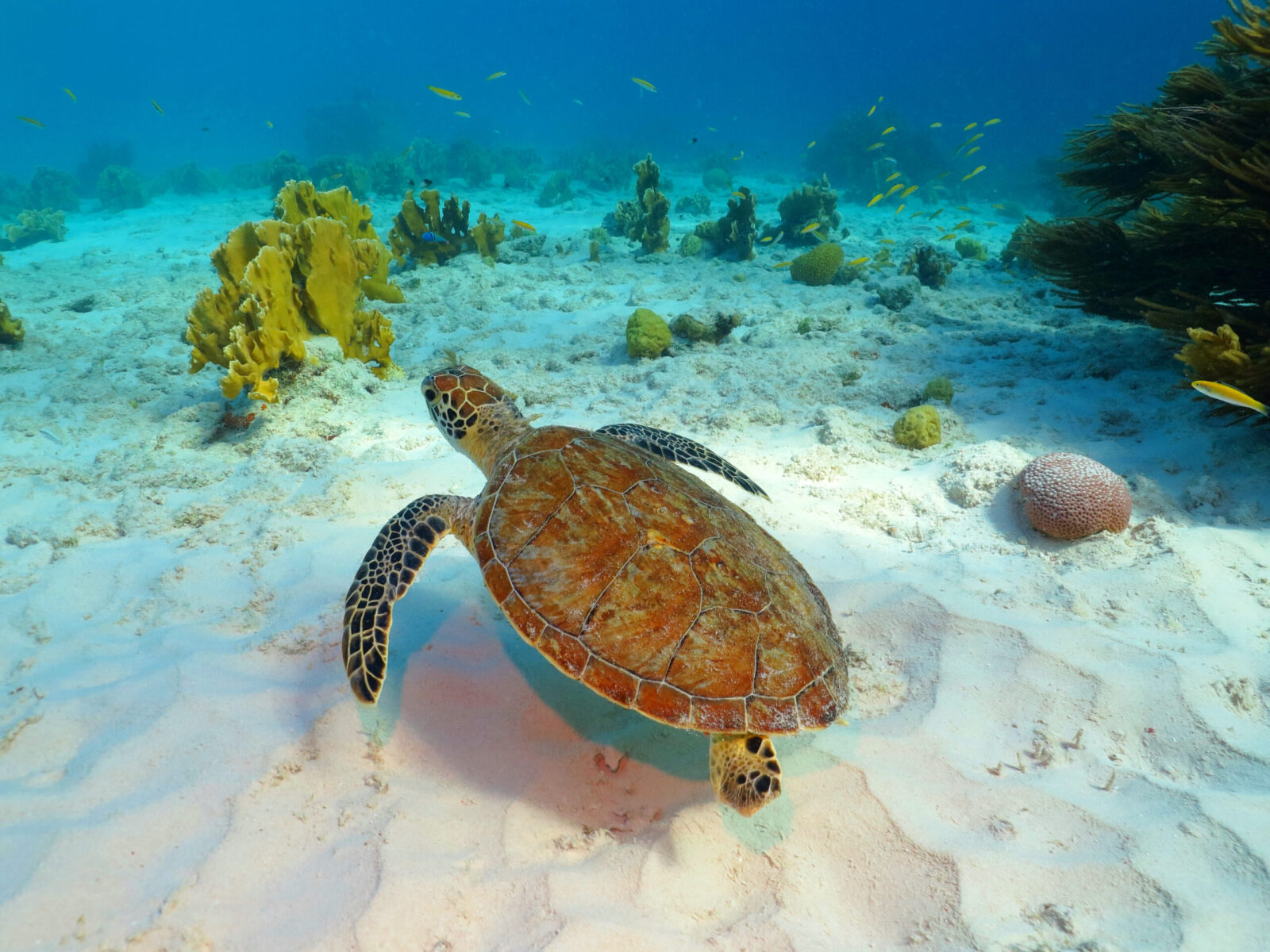
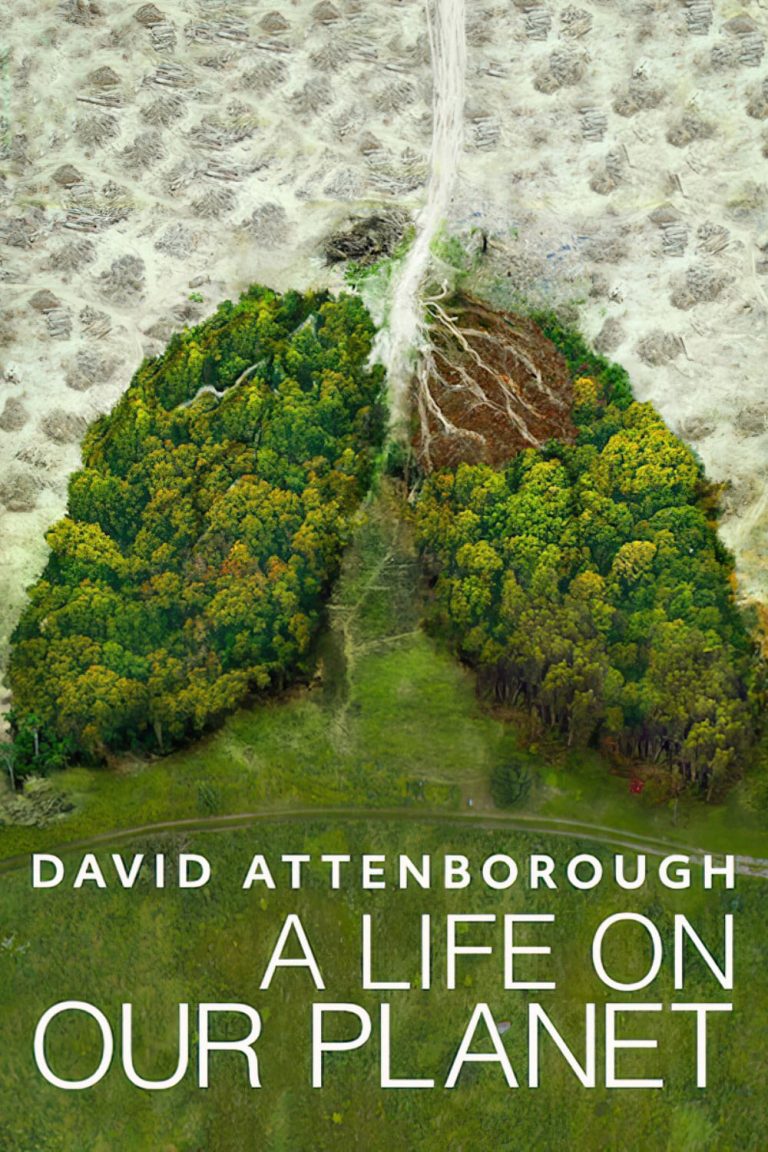
Continuing to work into his nineties, Attenborough used films such as “David Attenborough: A Life on Our Planet” (2020) to warn about the future of the natural world and advocate for urgent environmental action. In 2025, Attenborough returned his focus to the subject that increasingly defined his later work: the world’s oceans. His documentary “Ocean with David Attenborough” explored both the fragility and resilience of marine ecosystems, combining breathtaking underwater cinematography with an urgent warning about overfishing, coral reef collapse and rising ocean temperatures.
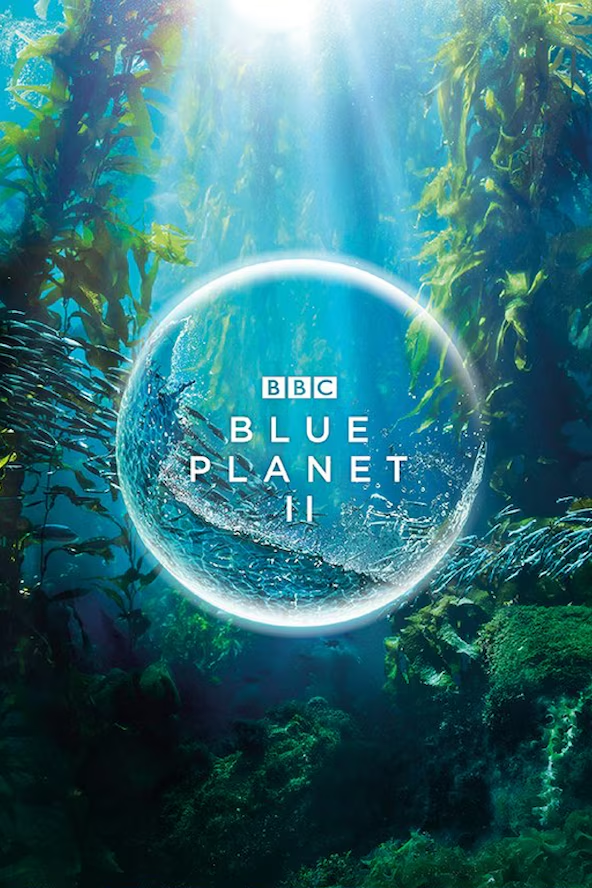
The film reinforced a message Attenborough had spent years building through earlier projects such as “The Blue Planet” and “Blue Planet II”: that the future of life on Earth is inseparable from the health of the sea. “If we save the sea, we save our world,” he said: a line that became one of the defining themes of his later career and environmental advocacy.
David Attenborough at 100: A Lasting Legacy
As one of the most recognisable and trusted broadcasters in the world, Attenborough’s name serves as shorthand for nature, exploration and environmental stewardship. David Attenborough at 100 is not simply a celebration of longevity, but of lasting influence. He is a broadcaster whose work changed not only how humanity sees the natural world, but how it values it. From everyone at AWAY, we thank him for his amazing work and wish him a very happy 100th birthday.
TRENDING ARTICLES


FEATURED YACHT