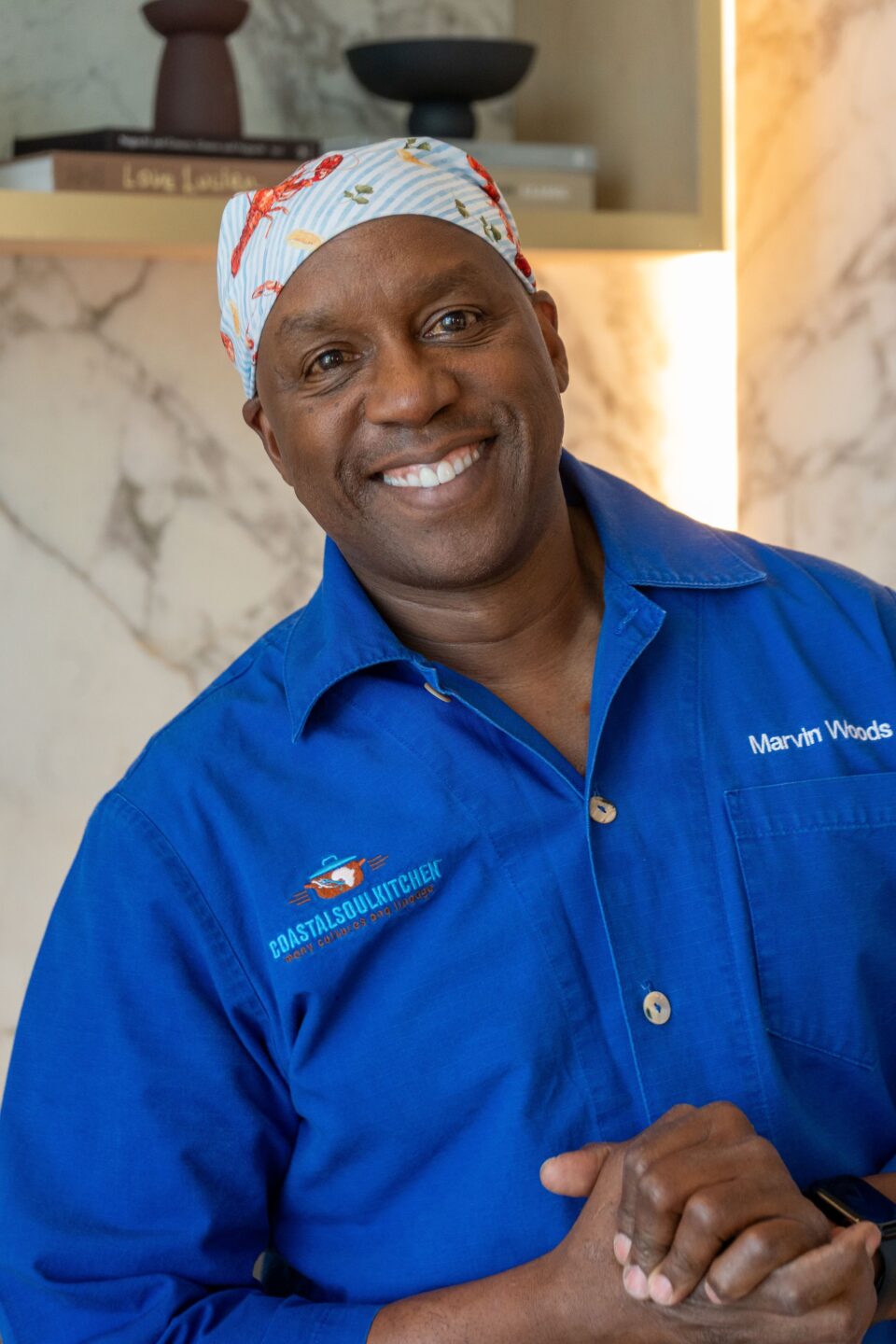
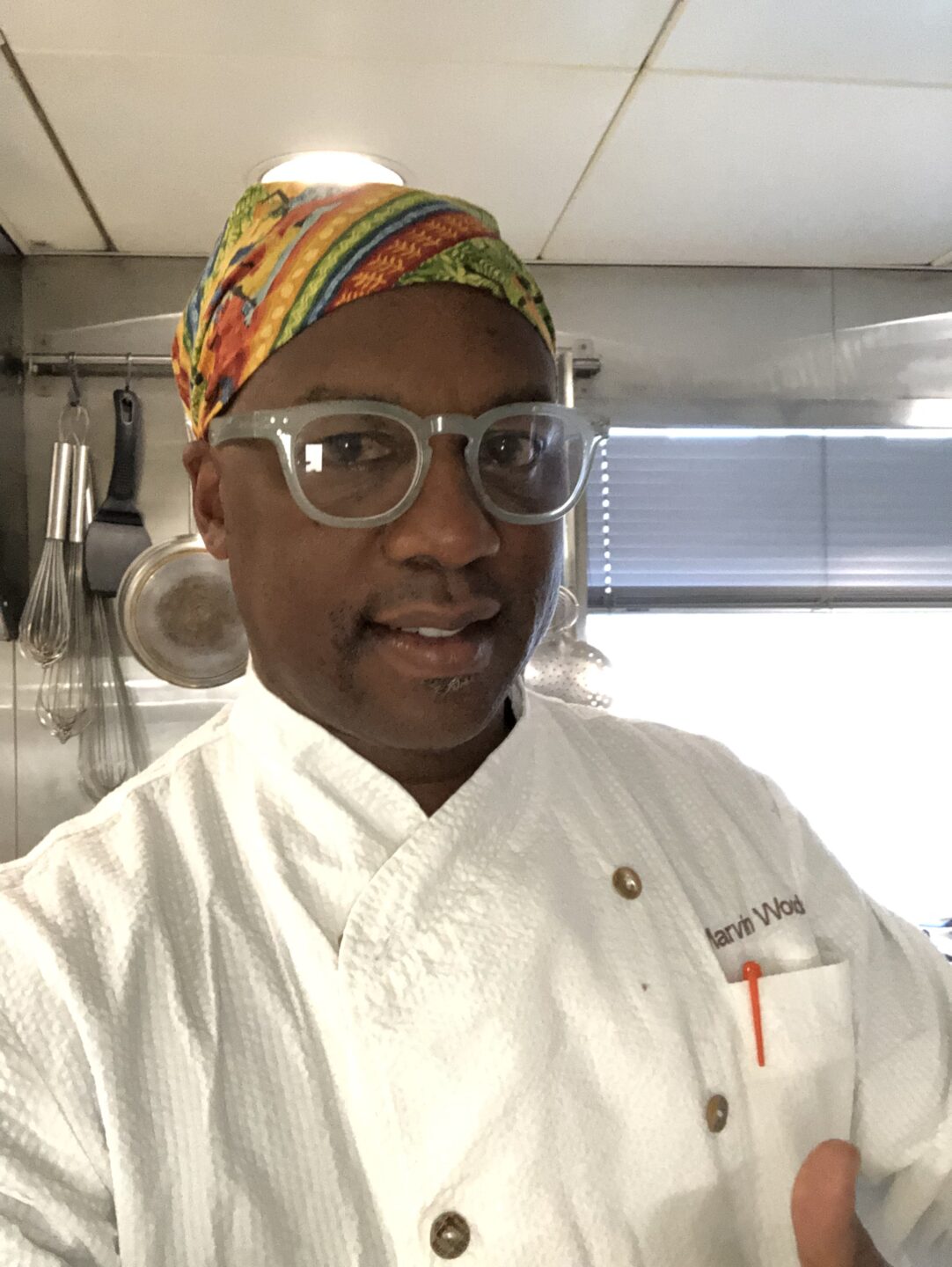
Few yacht chefs arrive in the industry with a résumé as distinguished as Marvin Woods. An acclaimed restaurateur, cookbook author, Emmy Award-nominated television host and one of America’s most respected voices on Southern cuisine, Woods built a national reputation long before stepping aboard a yacht.
He was selected as the first chef to feature in former First Lady Michelle Obama’s Let’s Move initiative, has cooked at the White House, appeared regularly on television and spent years educating families about healthy eating through his culinary programmes.
Yet after decades at the top of the restaurant world, Woods found himself seeking a return to the craft that first inspired him to become a chef. Since making the move into yachting in 2018, he has discovered a role that combines creativity, craftsmanship and complete ownership of the guest experience.
In this yacht chef interview, Marvin Woods tells us about life as a yacht chef, the ingredients that inspire him, the meals that stick in his memory and why life in a yacht galley is unlike any other kitchen.
Yacht Chef Interview
How did you become a superyacht chef?
After years of owning and running restaurants, I hit a wall, not with cooking, but with everything around the cooking: the administrative grind, the overhead and the distance from the craft that comes with running a business. A friend suggested I look into yachting, and honestly, it had never crossed my mind. That was 2018. I haven’t looked back since.
What are the main influences on your cooking style and favourite ingredients?
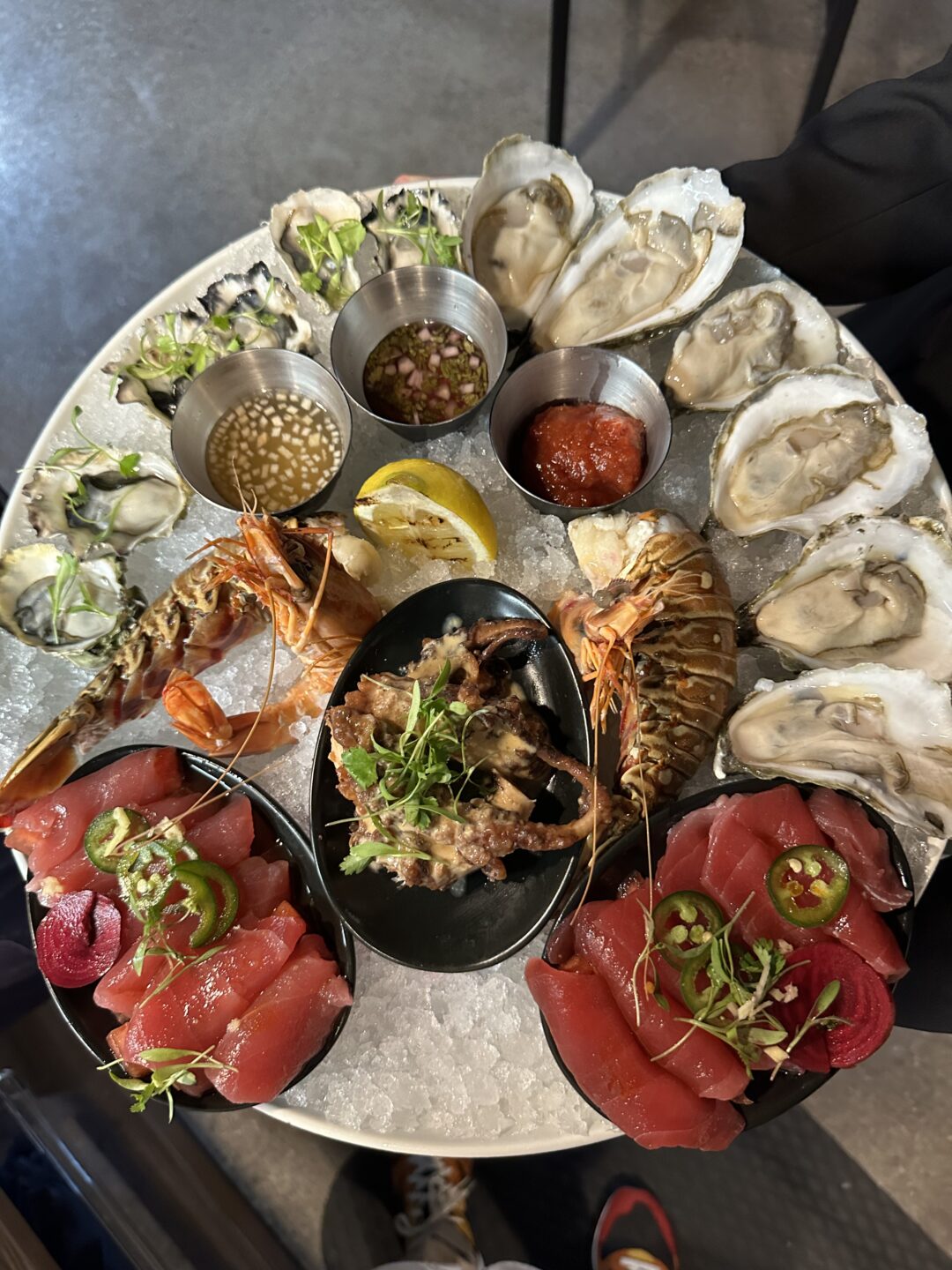
Fresh, indigenous ingredients from both land and sea are at the heart of everything I do. I let the provenance of the ingredients lead. My philosophy is that less is more: I’m not trying to bury great products under technique.
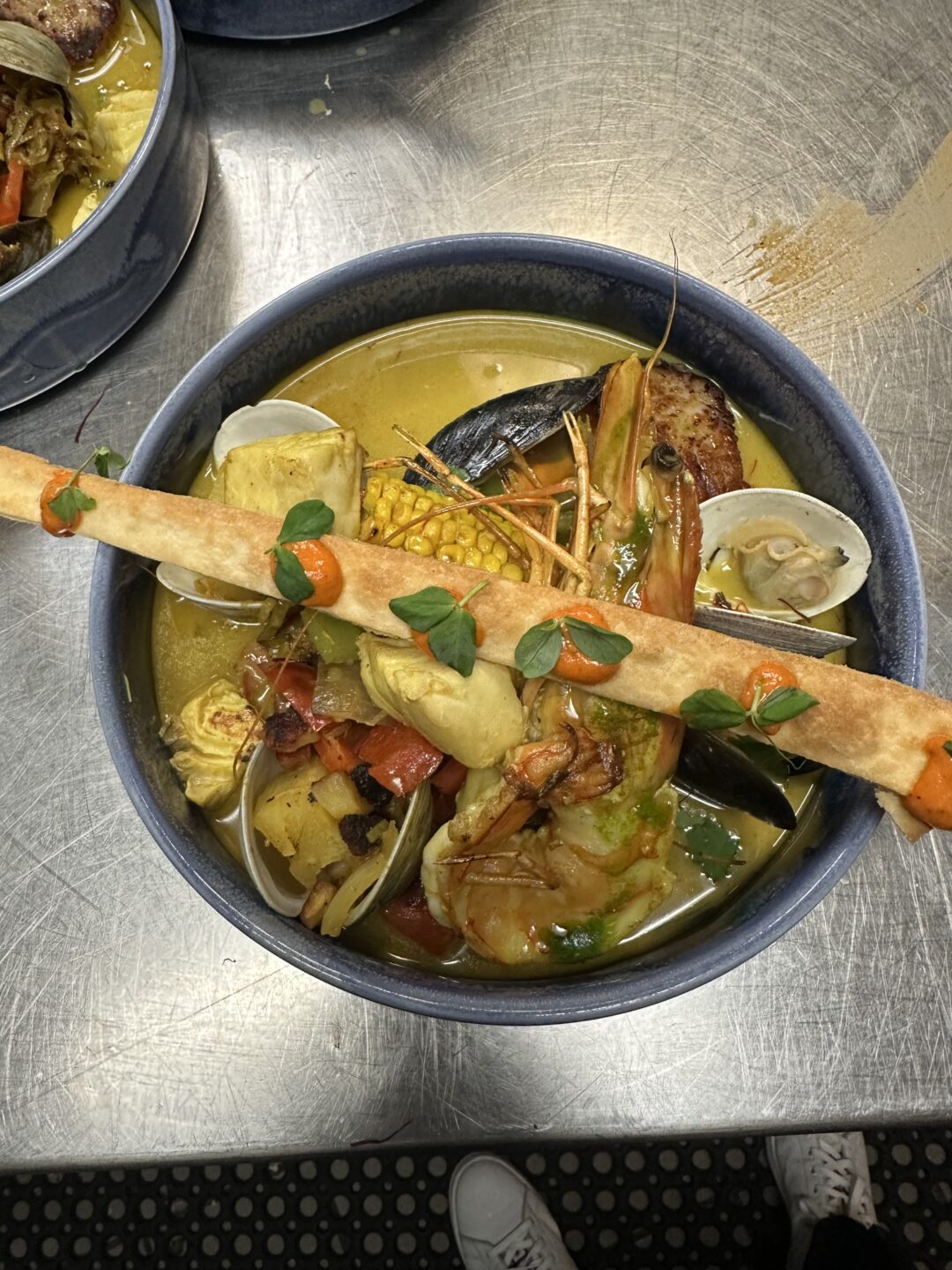
I build flavour through spices, herbs, citrus and garlic. These are ingredients that have been carrying kitchens for centuries, and when the produce is exceptional, they often provide everything you need.
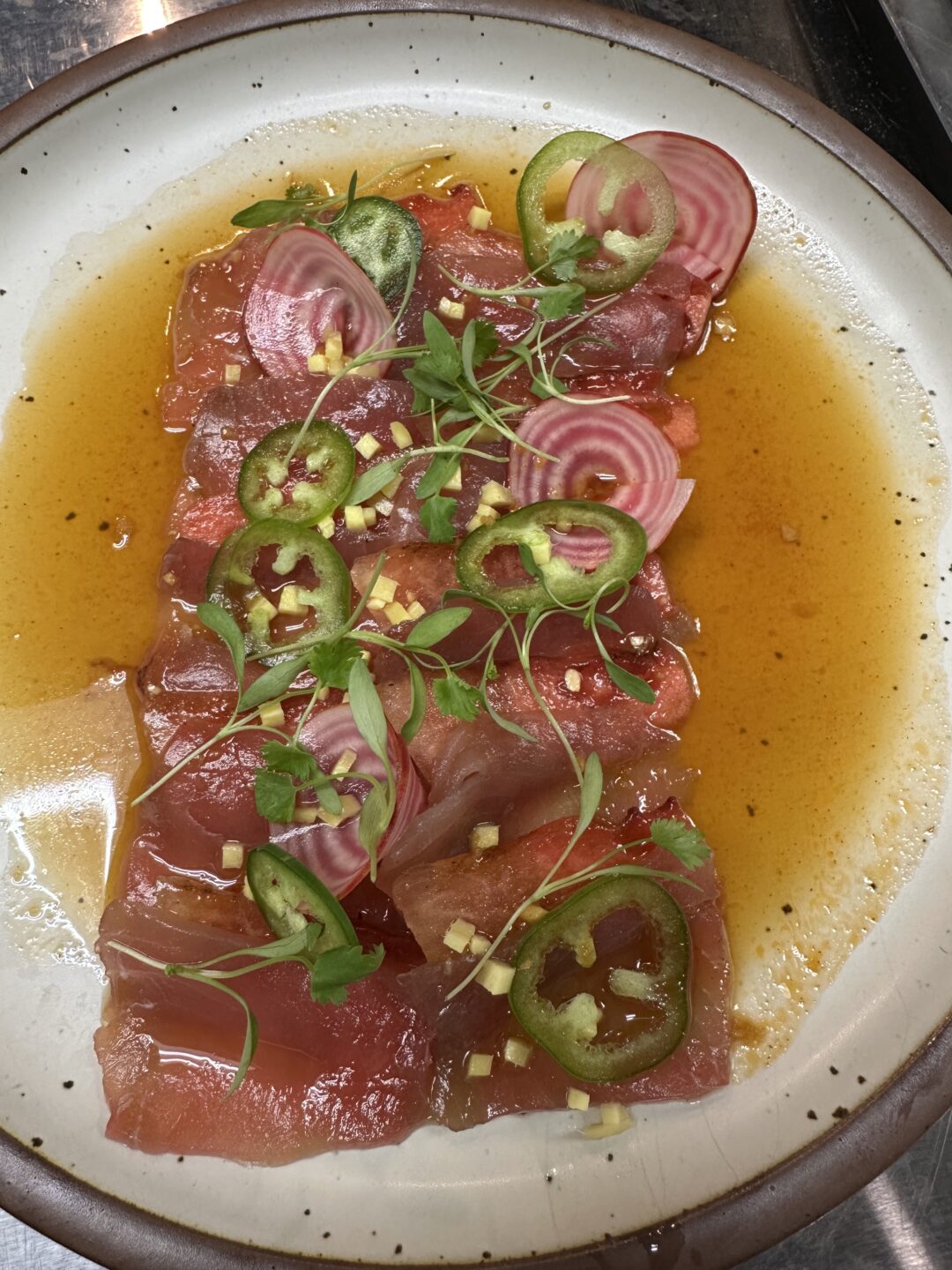
Is there a particular meal you’ve prepared as a superyacht chef that stands out?
Recently, I cooked a dinner for eight high school graduates. It was their final meal together before heading off into the next chapter of their lives, and it became one of the most memorable experiences I’ve had as a chef.
The host, who was celebrating his 18th birthday, helped create the menu with me. He knew exactly what he wanted as the centrepiece: beef Wellington. It became the defining dish of the evening and the one everyone was still talking about afterwards. Three guests were vegetarian, so I created a roasted acorn squash as their own centrepiece. Nobody was an afterthought.
The meal was six courses, but what made it special wasn’t only the food. The guests were completely engaged. They embraced unfamiliar ingredients, unexpected flavour combinations and new culinary experiences. Watching that curiosity and excitement unfold course by course was incredibly rewarding.
Chefs are teachers as much as they are creators, and that dinner was a reminder of how powerful food can be when people are truly present for the experience.
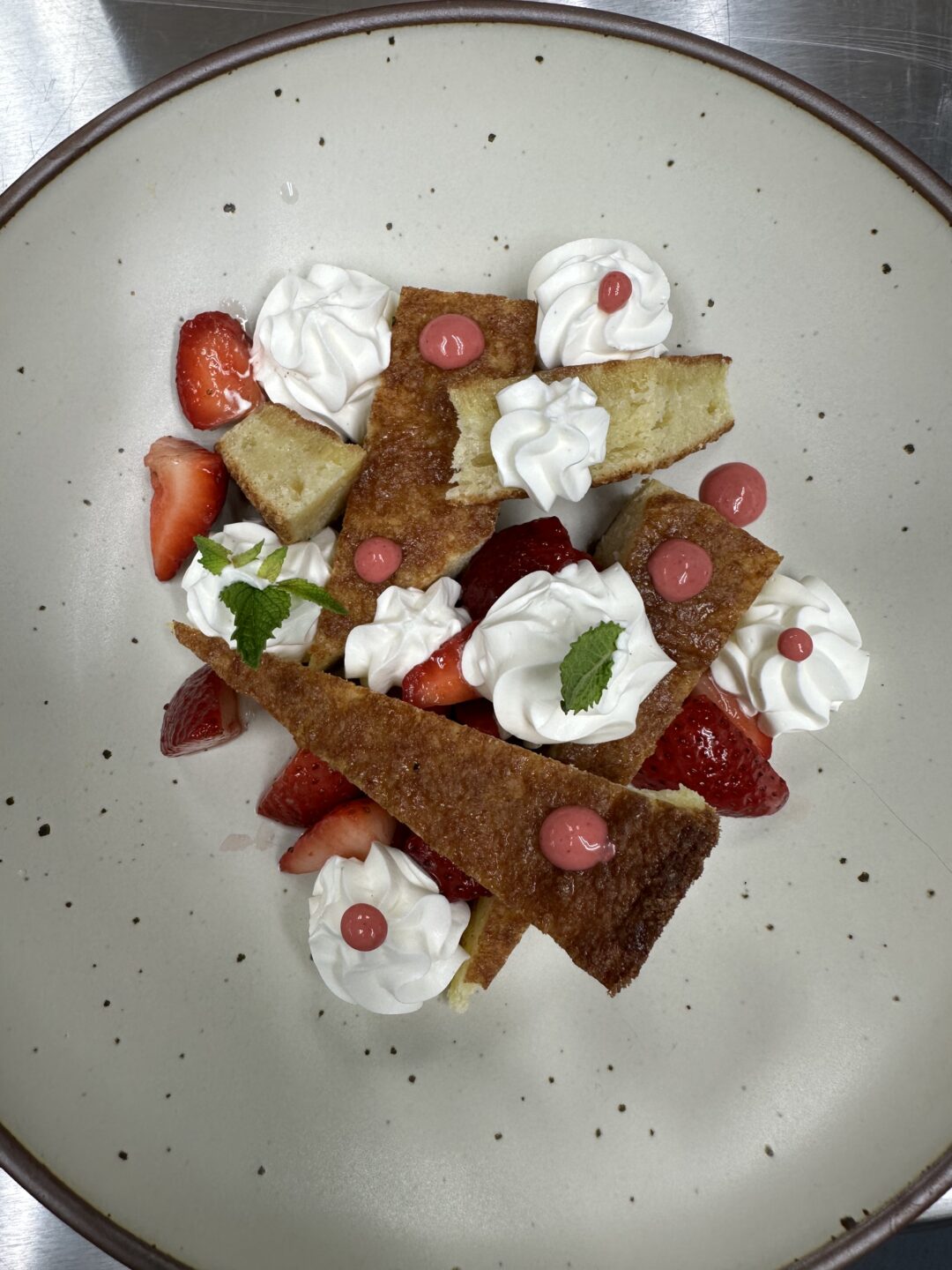
What are your favourite meals to prepare as a superyacht chef?
I don’t really have a favourite, and that’s the honest answer. Duck, lamb, scallops, fresh fish or a perfectly composed salad, I enjoy working with all of them. What excites me is the blank canvas. I’m a culinary artist as much as I am a chef, and every meal is an opportunity to create something unique.
At the same time, you have to remember you’re not cooking for yourself. You’re cooking for guests. The challenge is creating dishes that excite and surprise people while still delivering exactly what they want from the experience.
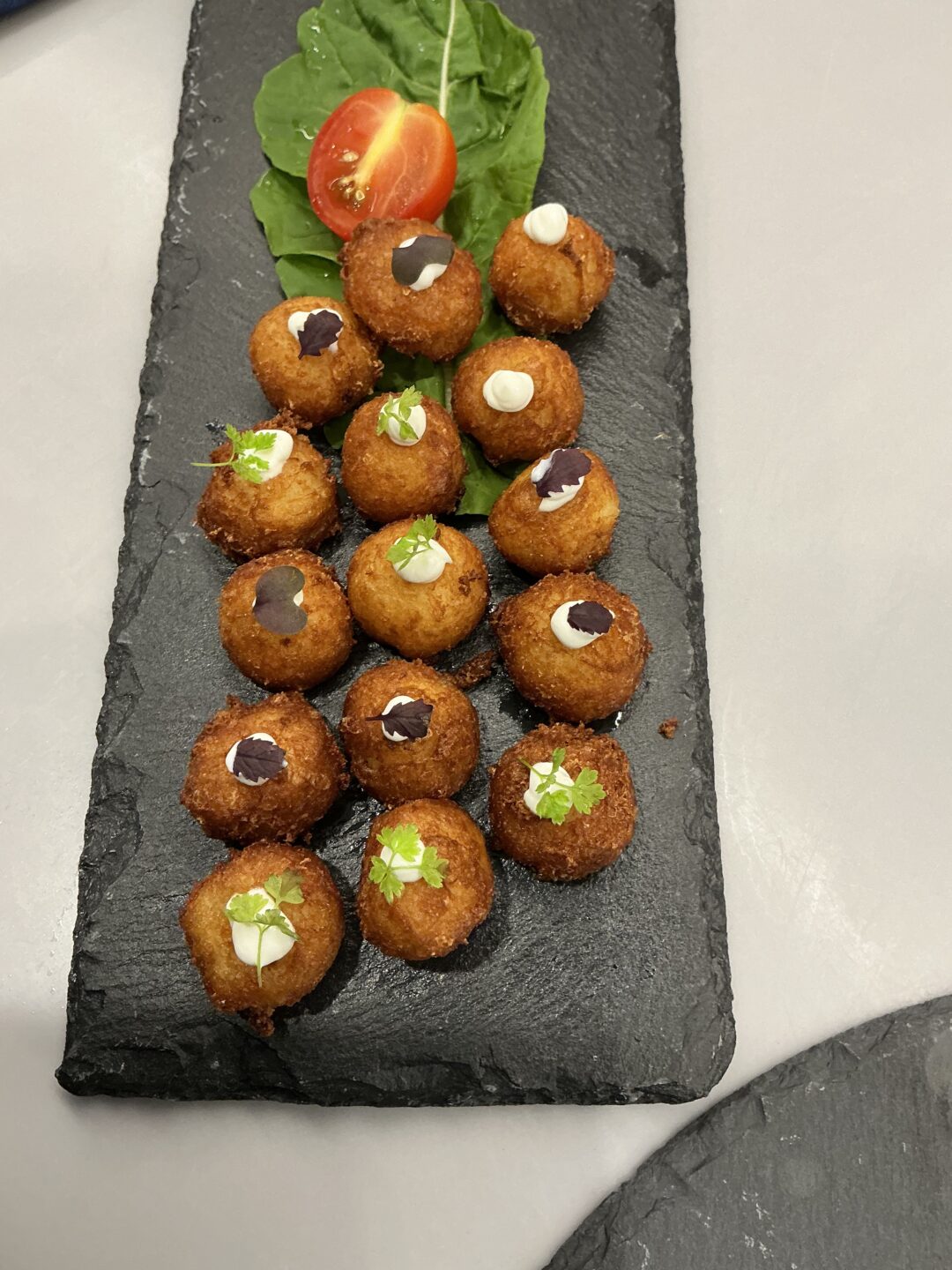
What makes being a yacht chef different from other chef roles?
The focus. On any given day, I might be baking bread, making pâté, spinning sorbet and finishing desserts, all while planning the next meal. You own the entire kitchen operation.
There’s no brigade to delegate to and no department heads to pass responsibilities to. You’re responsible for every detail, which strips the role down to pure craft.
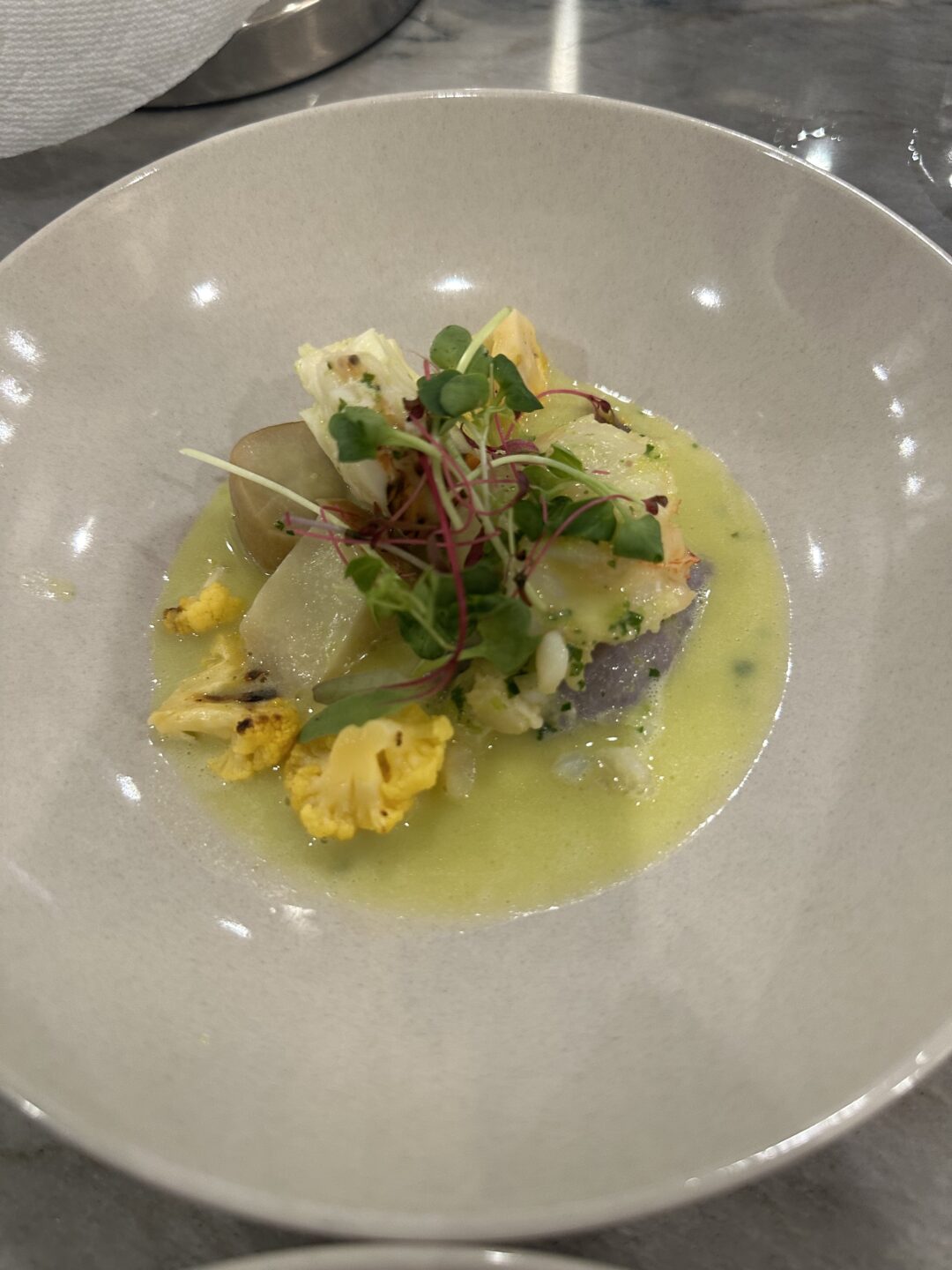
My background in restaurants and hotels prepared me well for that environment. The volume, pressure and standards all translate directly to yachting. In many ways, working on yachts hasn’t replaced my previous career; it’s where everything I’ve learned throughout that career comes together.

TRENDING ARTICLES


FEATURED YACHT